
How to Grow Organic Herbs Indoors Successfully?
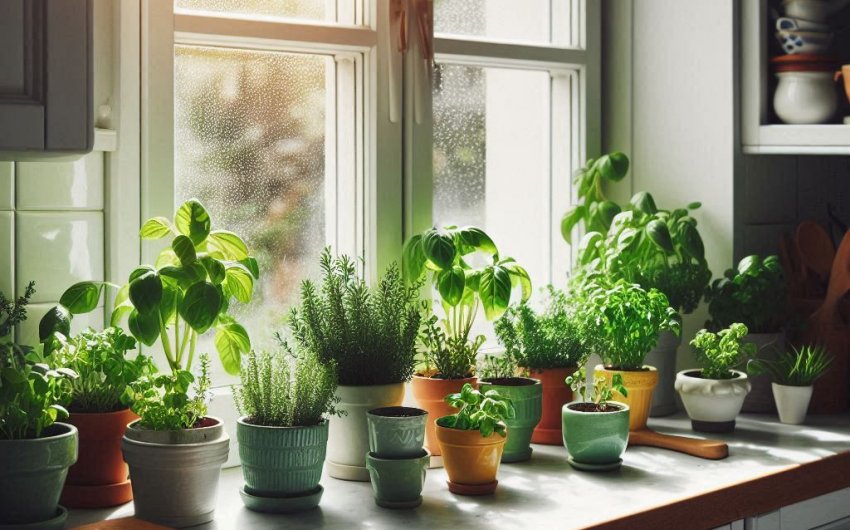
Successfully growing organic herbs indoors involves providing adequate light, choosing the right potting mix, and ensuring proper watering and air circulation. It allows you to enjoy fresh, pesticide-free herbs year-round.
Why Grow Organic Herbs Indoors?
Growing organic herbs indoors offers a multitude of benefits, from fresh culinary additions to a deeper connection with your food.
- Year-Round Freshness: Enjoy your favorite herbs regardless of the season or outdoor weather conditions.
- Pesticide-Free: You control the environment, ensuring your herbs are free from harmful chemicals. This is the core of "organic" gardening.
- Convenience: Herbs are right in your kitchen, making it easy to snip fresh sprigs while cooking.
- Cost Savings: Over time, growing your own herbs is more economical than buying them frequently from the grocery store.
- Aromatic Ambiance: Many herbs release pleasant scents, enhancing your indoor environment.
- Educational for Families: A great way to teach children about where food comes from and basic plant care.
- Boost to Well-being: Gardening, even indoors, can be a relaxing and rewarding hobby, improving mood and reducing stress.
- Known Origin: You know exactly where your food comes from and how it's been cared for.
What Are the Best Organic Herbs to Grow Indoors?
Not all herbs are equally suited for indoor life. Some are more forgiving and thrive readily with the right care.
Easy-to-Grow Herbs for Beginners
- Basil: Loves warmth and bright light. Prune regularly for bushy growth.
- Mint: Very vigorous, can be invasive outdoors, so perfect for containers indoors. Many varieties (peppermint, spearmint).
- Chives: Onion-like flavor, easy to grow from seed or division.
- Cilantro: Prefers cooler temperatures. Tends to "bolt" (go to seed) quickly in heat.
- Parsley: Both flat-leaf and curly varieties do well. Prefers consistent moisture.
- Rosemary: Needs plenty of light and good air circulation. Tolerates drier soil.
- Thyme: Drought-tolerant once established. Needs good drainage and light.
Herbs That Need a Bit More Attention
- Oregano: Similar to thyme, but can get leggy without enough light.
- Sage: Needs good light and can be prone to powdery mildew if air circulation is poor.
- Dill: Can get tall and prefers cooler conditions.
What Kind of Light Do Organic Herbs Need Indoors?
Light is arguably the most critical factor for successful indoor herb gardening. Most herbs are sun-lovers.
Natural Light Requirements
- Sunny Windows: Place your herbs in the brightest window available. A south-facing window is ideal, providing 6-8 hours of direct sunlight.
- East or West-Facing Windows: These can also work, but might provide less intense light. East-facing windows get morning sun (cooler), west-facing get afternoon sun (hotter).
- North-Facing Windows: Generally not enough light for most herbs to thrive, often leading to leggy, weak growth.
Supplemental Grow Lights
If you don't have sufficient natural light, grow lights are essential for organic herbs indoors.
- Full-Spectrum LED Grow Lights: These are energy-efficient and mimic natural sunlight, providing the full spectrum of light wavelengths plants need. Look for those specifically designed for plant growth. A LED Grow Light for Indoor Plants is a great investment.
- Fluorescent Lights (T5 or T8): More affordable than LEDs upfront, but less energy-efficient. T5 bulbs are brighter and more suitable for herbs.
- Light Duration: Most herbs need 12-16 hours of light per day under grow lights. Use an Indoor Grow Light Timer for consistency.
- Distance: Position grow lights typically 6-12 inches above the plants. Adjust based on the light's intensity and plant response (e.g., if leaves are scorching, move it further away; if plants are stretching, move it closer).
What's the Best Organic Potting Mix for Herbs?
The right soil provides proper drainage, aeration, and nutrients for your organic herbs indoors.
Key Characteristics of Organic Potting Mix
- Well-Draining: Crucial to prevent root rot. Herbs hate "wet feet."
- Aerated: Allows oxygen to reach roots.
- Nutrient-Rich: Provides initial food for plants as they grow.
- Loose and Fluffy: Easy for roots to spread.
Components to Look For
- Organic Potting Soil: Look for mixes specifically labeled "organic." These will not contain synthetic fertilizers or pesticides. Many brands offer specialized Organic Potting Soil for Herbs.
- Compost: A fantastic organic amendment. Adds slow-release nutrients and improves soil structure. If buying a mix, ensure it contains compost or add your own Organic Compost (about 10-20% of the mix).
- Perlite or Vermiculite: These lightweight materials improve drainage and aeration. Perlite is volcanic glass; vermiculite is a mineral. Both are generally considered acceptable in organic gardening.
- Coir (Coconut Fiber): A sustainable alternative to peat moss. It holds moisture well while providing good aeration.
- Worm Castings: An excellent source of organic nutrients and beneficial microbes. Add a handful to your potting mix for a boost. Find Organic Worm Castings online.
Avoid These
- Garden Soil: Too heavy, compacts easily, and may contain pests or diseases. Not suitable for containers.
- Soil from Unknown Sources: Could contain herbicides or other unwanted chemicals.
How Do You Choose the Right Pots for Organic Herbs?
The container choice impacts drainage, aeration, and even humidity for your organic herbs indoors.
Material Considerations
- Terracotta Pots:
- Pros: Porous material allows excellent airflow and wicks away excess moisture, preventing overwatering. Good for herbs that prefer drier soil (rosemary, thyme, oregano).
- Cons: Dries out faster, requiring more frequent watering. Can accumulate mineral salts on the outside.
- Ceramic or Glazed Pots:
- Pros: Retain moisture longer, attractive, wide variety of designs.
- Cons: Can lead to overwatering if drainage isn't perfect.
- Plastic Pots:
- Pros: Lightweight, inexpensive, retain moisture well. Good for herbs that like consistent moisture (basil, mint).
- Cons: Can be prone to overwatering if not managed carefully. Less breathable.
- Fabric Grow Bags:
- Pros: Excellent aeration (air-prunes roots), prevents root circling, good drainage. Lightweight and foldable.
- Cons: Dry out quickly, requiring more frequent watering. May not be as aesthetically pleasing for indoor display. A Fabric Grow Bag is a great option.
Drainage Holes Are a Must
- Always choose pots with drainage holes. This is non-negotiable for healthy herbs. Water must be able to escape the bottom of the pot to prevent root rot.
- Saucers: Place a saucer or tray underneath to catch excess water and protect your surfaces. Empty excess water promptly.
Size Matters
- Start Small, Go Bigger: For seeds or small starts, a 4-inch pot is a good starting point. As herbs grow, they will need to be transplanted into larger pots, usually 6-8 inches in diameter.
- Root Space: Ensure enough room for roots to grow without becoming root-bound too quickly.
- Don't Overpot: A very large pot for a small herb can hold too much moisture, leading to issues.
How Do You Water Organic Herbs Indoors Correctly?
Proper watering is a delicate balance. Too much or too little can quickly stress or kill your organic herbs indoors.
Watering Technique
- Feel the Soil: The best way to know when to water is to feel the top 1-2 inches of soil with your finger. If it feels dry, it's time to water.
- Water Thoroughly: When you water, do so until water drains from the bottom of the pot. This ensures all the soil is moistened and flushes out excess salts.
- Discard Excess Water: Always empty the saucer after 15-30 minutes. Do not let pots sit in standing water, as this leads to root rot.
- Watering Can: A Small Watering Can with Long Spout helps direct water precisely without disturbing the soil.
Frequency Varies
- Factors: Watering frequency depends on the type of herb, pot material, pot size, light intensity, and indoor humidity.
- General Guide:
- Basil, Mint, Cilantro, Parsley: Tend to prefer consistently moist (but not soggy) soil. Might need watering every 2-4 days.
- Rosemary, Thyme, Oregano, Sage: Prefer to dry out more between waterings. Might need watering every 5-7 days or less.
- Check Daily: Get into the habit of checking your herbs daily, especially during hot or dry periods.
How Do You Fertilize Organic Herbs Indoors?
Even with good organic potting mix, indoor herbs will eventually need additional nutrients, as container soil has finite resources.
Why Fertilize Organically?
- Sustained Growth: Provides continuous nutrients for healthy, vigorous growth.
- Pest and Disease Resistance: Well-fed plants are more resilient.
- Organic Principles: Ensures no synthetic chemicals are introduced.
Types of Organic Fertilizers
- Liquid Organic Fertilizers:
- Fish Emulsion: A classic organic fertilizer, provides nitrogen. Can have a slight odor initially. Look for Organic Fish Emulsion Fertilizer.
- Seaweed/Kelp Extract: Provides a wide range of micronutrients and plant hormones, improving overall plant health. Organic Seaweed Liquid Fertilizer is a good choice.
- Compost Tea: Brewed from compost, full of beneficial microbes and nutrients. You can make your own or buy Organic Compost Tea.
- Granular Organic Fertilizers (Slow-Release):
- Worm Castings: Top-dress with a layer of Organic Worm Castings every few months.
- Organic All-Purpose Granular Fertilizer: Look for products specifically labeled for herbs or vegetables.
When and How to Fertilize
- When: During the active growing season (spring and summer), typically every 2-4 weeks for liquid fertilizers. Reduce or stop in fall and winter when growth slows.
- Dilution: Always follow the package instructions for dilution rates. It's better to under-fertilize than over-fertilize, especially with organic products.
- Application: Apply liquid fertilizers to moist soil to avoid root burn.
How Do You Provide Proper Air Circulation and Humidity for Indoor Herbs?
Indoor environments can sometimes be too stagnant or dry for herbs, leading to problems.
Air Circulation
- Why it's Important: Good air movement strengthens stems, helps prevent fungal diseases (like powdery mildew), and deters some pests.
- Solutions:
- Open Windows (when suitable): Allow fresh air to circulate on mild days.
- Small Fan: A Small Clip-on Fan set on a low setting can provide gentle air movement. Don't blast plants with strong drafts.
- Spacing: Don't overcrowd your herbs. Give them enough space for air to move around their foliage.
Humidity
- Why it's Important: Many herbs (especially basil, mint) prefer higher humidity, while indoor air can be very dry, especially with heating or air conditioning.
- Solutions:
- Pebble Tray: Fill a tray with pebbles and add water to just below the top of the pebbles. Place your herb pots on the pebbles (not in the water). As the water evaporates, it increases local humidity.
- Humidifier: For multiple plants or very dry homes, an Indoor Plant Humidifier can significantly boost humidity levels.
- Grouping Plants: Grouping several plants together naturally increases humidity through transpiration.
- Misting: While misting can provide a temporary boost, its effect is short-lived and can sometimes encourage fungal issues on certain herbs. Focus on more consistent humidity methods.
How Do You Prune and Harvest Organic Herbs Indoors?
Regular pruning and harvesting are crucial for maintaining healthy, bushy herbs and ensuring a continuous supply of fresh leaves.
Pruning for Bushiness and Yield
- "Pinch Back": For most leafy herbs like basil, mint, and oregano, pinch off the top set of leaves and the growth point just above a set of lower leaves. This forces the plant to branch out, leading to a bushier, more productive plant instead of a tall, leggy one.
- Remove Flowers: For herbs where you want leafy growth (basil, cilantro), pinch off flower buds as soon as you see them. Flowering often signals the end of the plant's leafy productive stage and can make leaves bitter (bolting).
- Remove Yellow or Dead Leaves: Trim away any discolored or unhealthy leaves. This helps the plant focus energy on new, healthy growth and improves air circulation.
Harvesting Techniques
- Regularly: Harvest your herbs often! This encourages more growth. Don't be shy.
- Use Clean Scissors or Shears: A sharp pair of Herb Shears or scissors prevents damage to the plant.
- Harvest the Tops: For most herbs, harvest from the top down. This encourages the plant to grow bushier.
- Don't Take More Than 1/3: Never remove more than 1/3 of the plant's foliage at a time. This allows the plant to recover and continue photosynthesizing.
- Basil and Mint: Pinch off stems just above a set of leaves.
- Chives: Snip off outer leaves from the base of the clump.
- Rosemary, Thyme, Oregano: Snip off sprigs as needed.
- Parsley and Cilantro: Harvest outer leaves at the base of the plant.
How Do You Prevent and Treat Pests Organically on Indoor Herbs?
Even indoors, pests can sometimes find their way to your herbs. Organic pest control is key to maintaining your "organic" status.
Prevention is Key
- Inspect New Plants: Before bringing any new plant into your home, thoroughly inspect it for pests. Isolate new plants for a week or two to ensure no hidden hitchhikers emerge.
- Quarantine Outdoor Plants: If you bring herbs indoors after spending time outside, quarantine them and inspect them thoroughly.
- Good Air Circulation: As mentioned, good airflow helps deter pests like spider mites.
- Proper Watering & Nutrition: Healthy plants are less susceptible to pest infestations.
- Cleanliness: Remove dead leaves and debris from pots, as these can harbor pests.
Common Pests and Organic Treatments
- Aphids: Small, pear-shaped insects, often green, black, or brown, clustered on new growth.
- Treatment: Spray with a strong stream of water. Use Organic Insecticidal Soap Spray (ensure it's safe for edible plants). Repeat every 5-7 days until gone.
- Spider Mites: Tiny, almost invisible pests that cause stippling (tiny dots) on leaves and fine webbing. They thrive in dry conditions.
- Treatment: Increase humidity. Spray thoroughly with water (especially undersides of leaves). Apply Organic Neem Oil for Plants solution.
- Fungus Gnats: Small, dark flying insects that resemble fruit flies, usually hovering around the soil surface. Their larvae feed on organic matter and sometimes roots.
- Treatment: Allow the top inch or two of soil to dry out completely between waterings. Use Yellow Sticky Traps for Fungus Gnats to catch adults. Beneficial nematodes (microscopic worms) can also control larvae.
- Mealybugs: White, cottony pests that cluster in leaf axils or along stems.
- Treatment: Dab them directly with a cotton swab dipped in rubbing alcohol (test on a small area first). Use Organic Insecticidal Soap Spray. Repeat regularly.
General Organic Pest Control Tips
- Manual Removal: For small infestations, simply wipe pests off with a damp cloth or your fingers.
- Pruning: Cut off severely infested leaves or stems.
- Neem Oil: A versatile organic pesticide that disrupts insect feeding and reproduction. Mix according to instructions and spray all leaf surfaces.
- Diatomaceous Earth (Food Grade): A natural powder that is sharp to insects, causing them to dehydrate. Sprinkle lightly on soil surface to deter crawling pests. Ensure it's Food Grade Diatomaceous Earth.
When and How to Repot Organic Herbs?
As your organic herbs indoors grow, they will eventually outgrow their pots and need more space.
Signs It's Time to Repot
- Roots Growing Out of Drainage Holes: This is the most common and obvious sign.
- Water Running Straight Through: If water goes right through the pot without soaking into the soil, the plant is root-bound.
- Stunted Growth: Plant stops growing or new leaves are very small, despite good care.
- Frequent Wilting: Plant wilts quickly after watering, indicating it can't absorb enough moisture due to compacted roots.
Repotting Steps
- Choose a Larger Pot: Select a pot that is only 1-2 inches larger in diameter than the current pot. Going too big can lead to overwatering.
- Gather Supplies: Fresh Organic Potting Soil for Herbs, gardening gloves, and a trowel.
- Prepare the New Pot: Place a small layer of fresh potting mix at the bottom of the new pot.
- Remove the Herb: Gently tip the current pot sideways and carefully slide the herb out. If it's stuck, you may need to tap the edges of the pot or gently squeeze plastic pots.
- Loosen Roots: Gently tease apart any circling roots at the bottom of the root ball.
- Place and Fill: Center the herb in the new pot. Ensure the top of the root ball is at the same level as it was in the old pot, with about 1 inch of space below the rim. Fill around the root ball with fresh potting mix, gently tamping it down to remove large air pockets.
- Water Thoroughly: Water the freshly repotted herb until water drains from the bottom.
Troubleshooting Common Indoor Herb Problems
Even with the best care, you might encounter issues. Here are some quick fixes for common problems with organic herbs indoors.
Problem: Leggy, Stretched Growth
- Cause: Not enough light.
- Solution: Move to a brighter window or add a LED Grow Light for Indoor Plants. Prune back leggy growth to encourage bushiness.
Problem: Yellowing Leaves
- Cause: Often overwatering (lower leaves yellowing and soft) or underwatering (all leaves yellowing, crispy). Could also be nutrient deficiency.
- Solution: Check soil moisture. Adjust watering schedule. If consistently moist, consider letting it dry out more. If dry, water thoroughly. Consider a diluted Organic Liquid Plant Food.
Problem: Wilting
- Cause: Usually underwatering (soil is dry), or severe overwatering/root rot (soil is wet and plant looks limp).
- Solution: If dry, water immediately. If wet, let it dry out more, improve drainage, or consider repotting if root rot is suspected.
Problem: Brown Leaf Tips/Edges
- Cause: Low humidity, too much direct sun (scorching), or mineral buildup from tap water.
- Solution: Increase humidity with a pebble tray or humidifier. Move slightly away from intense direct sun. If using hard tap water, consider filtered or distilled water for watering or occasional flushing.
Problem: Small or Pale Leaves
- Cause: Insufficient light or nutrient deficiency.
- Solution: Provide more light. Fertilize with a balanced Organic Liquid Plant Food.
Enjoying Your Organic Indoor Herb Harvest
Growing organic herbs indoors is a rewarding journey that connects you with nature and provides a constant supply of fresh, healthy flavor. From seed to harvest, each step contributes to the satisfaction of homegrown goodness. By understanding and meeting their needs for light, water, soil, and air, you can ensure your indoor herb garden flourishes, bringing both beauty and deliciousness to your home. Enjoy the process and savor the fruits (or rather, the leaves!) of your labor.