
Best Organic Techniques for Weed Control in Vegetable Gardens
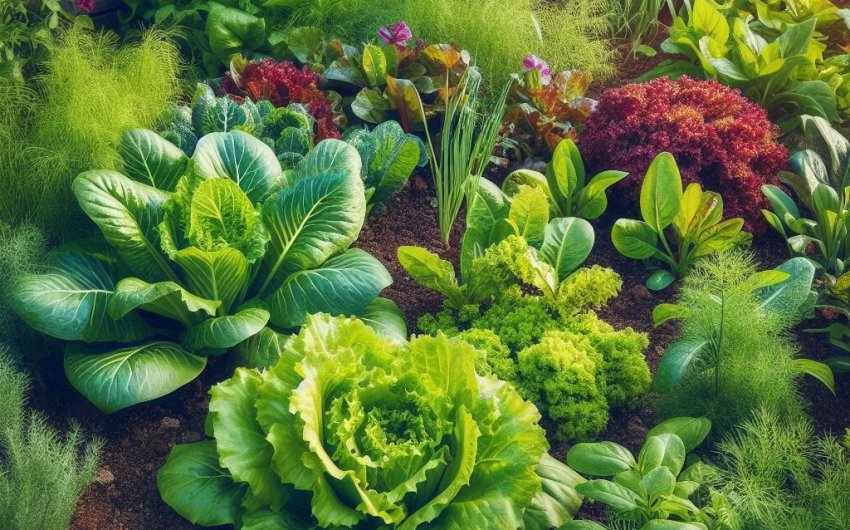
Weeds are the uninvited guests in our garden parties, always showing up and trying to steal the show. They compete with our precious vegetables for sunlight, water, and nutrients. Dealing with them can feel like a never-ending battle. But what if there was a way to keep them in check without resorting to harsh chemicals? This guide will show you the best organic techniques for weed control in your vegetable garden. We’ll explore methods that are good for your plants, good for the soil, and good for you!
Why Go Organic for Weed Control?
Using chemicals might seem like a quick fix, but they can have long-term negative effects. These chemicals can hurt beneficial insects, contaminate your soil, and even make their way into your food. Organic weed control focuses on working with nature, not against it. It builds healthier soil and a more resilient garden ecosystem. This means less work for you in the long run and more delicious, chemical-free veggies.
What Are the Top Organic Weed Control Methods?
There are many tools in the organic gardener’s toolbox. Let's dig into some of the most effective ways to keep those pesky weeds away from your vegetables.
Hand-Weeding: The Oldie but Goodie
Sometimes, the simplest way is the best way. Hand-weeding is exactly what it sounds like: pulling weeds out by hand. It's labor-intensive, yes, but it's incredibly effective, especially for smaller gardens or when you only have a few weeds.
When is Hand-Weeding Most Effective?
The best time to hand-weed is when the soil is moist. After a good rain or a thorough watering, the weeds slide out much easier, roots and all. Dry, hard soil makes weeding a real chore and often leads to the weed snapping off at the stem, leaving the root to regrow. Aim to hand-weed when weeds are small. Young weeds haven’t developed deep root systems yet, making them easier to remove completely. If you wait until they're big and bushy, they’ll have stronger roots and might even have started producing seeds.
Tools for Hand-Weeding
While your hands are the primary tools, a few others can make the job easier. A garden hoe is excellent for slicing off small weeds just below the soil surface, especially in rows. Look for a sturdy garden hoe that fits your height. A dandelion weeder or a hand weeder tool can be very helpful for those stubborn, deep-rooted weeds like dandelions. And don't forget good gardening gloves to protect your hands from blisters and thorns!
Mulching: Your Garden's Best Friend
Mulch is like a cozy blanket for your garden soil. It’s a layer of material placed on top of the soil around your plants. Mulch does several wonderful things: it suppresses weeds, helps the soil hold moisture, keeps soil temperatures more even, and can even add nutrients as it breaks down.
Types of Organic Mulch
You have many choices when it comes to organic mulch. Each has its pros and cons.
- Straw: This is a very popular choice for vegetable gardens. It's inexpensive, readily available, and easy to spread. Make sure you use weed-free straw, not hay, as hay often contains weed seeds. Straw is excellent for keeping soil cool and moist.
- Wood Chips: These are great for paths or around established perennials. For vegetable gardens, they break down slowly and can temporarily tie up nitrogen in the soil, which plants need. Use them in paths between beds or as a long-term solution in areas where you won't be planting annual vegetables soon.
- Compost: A layer of finished compost is not only a great weed suppressor but also a fantastic soil amendment. It adds a slow release of nutrients to your plants and improves soil structure.
- Shredded Leaves: If you have deciduous trees, you have free mulch! Collect fallen leaves in the autumn, shred them (a leaf shredder or even a lawnmower can do this), and spread them around your plants. They break down nicely and add organic matter to the soil.
- Grass Clippings: If you use them, make sure they are from a lawn that hasn't been treated with herbicides. Spread them in thin layers (no more than an inch or two at a time) to prevent them from becoming slimy and compacted, which can block air and water to the soil.
How to Apply Mulch for Weed Control
For best weed suppression, apply a layer of mulch at least 2-4 inches deep. You want it thick enough to block sunlight from reaching weed seeds, preventing them from sprouting. Make sure to keep the mulch a few inches away from the stems of your vegetable plants to prevent rot and pest issues. Replenish your mulch layer as it breaks down or gets disturbed. A new layer of organic mulch each spring is a great practice.
Companion Planting: Nature's Little Helpers
Companion planting is like having good neighbors in your garden. It involves planting different types of plants near each other that benefit one another. This can mean attracting beneficial insects, repelling pests, or, in our case, suppressing weeds.
How Companion Planting Deters Weeds
Some plants are better at competing with weeds than others. Fast-growing, bushy plants can create a dense canopy that shades out weed seedlings. For example, planting bush beans or squash between rows of taller vegetables can help smother weeds by blocking sunlight.
- Cover Crops: While not technically companion planting within your vegetable rows, cover crops are a powerful weed control tool in organic gardening. These are plants grown specifically to benefit the soil and then tilled under. They can suppress weeds by outcompeting them for space and light during the off-season. Popular cover crops include clover, rye, and buckwheat. Planting clover seeds in an empty bed during winter can significantly reduce spring weeds.
- Dense Planting: While you don't want to overcrowd your vegetables, planting them at their recommended spacing can help. A dense canopy of healthy vegetable leaves will naturally shade out a lot of weeds.
Solarization: Harnessing the Sun's Power
Solarization is a fantastic organic weed control technique that uses the sun's energy to "cook" weed seeds and pathogens in the soil. It's a great method for clearing a new garden bed or renovating an existing one that's heavily infested with weeds.
How to Solarize Your Garden Bed
This process works best in the hottest part of summer, when temperatures are consistently high.
- Prepare the Bed: Clear the area of any large weeds or debris. Water the soil thoroughly until it's moist.
- Cover with Plastic: Lay a clear plastic sheet (a 4-6 mil thick clear plastic sheeting works best) directly on the soil surface. Make sure the edges are buried deeply in the soil or weighted down with rocks or soil to create a good seal. You want to trap as much heat as possible.
- Let the Sun Do the Work: Leave the plastic in place for 4-8 weeks. The sun will heat the soil underneath to temperatures that kill most weed seeds, young weeds, and even some soil-borne diseases and pests.
- Remove Plastic: Once the solarization period is over, remove the plastic. You’ll find a virtually weed-free bed ready for planting!
When to Use Solarization
Solarization is best for preparing new garden plots or reclaiming overgrown areas. It's a long-term solution that takes time but saves a lot of weeding down the road. It’s also effective for dealing with persistent perennial weeds with deep root systems.
Crop Rotation: A Smart Strategy
Crop rotation is vital for overall garden health and plays a role in weed management. It involves changing the location of your crops each season. For example, if you grew tomatoes in one bed this year, plant beans there next year.
How Crop Rotation Helps with Weeds
Different plants have different growth habits and nutrient needs, and also have different associations with weed species. By rotating your crops, you disrupt the life cycles of weeds that might favor certain growing conditions or nutrient levels. It also helps prevent the buildup of specific weed seeds that might thrive in an environment created by a particular crop. For instance, some weeds are experts at exploiting leftover nutrients from certain plant families. By moving crops around, you keep these weeds off balance. It’s a clever way to keep your garden diverse and less appealing to specific weed infestations.
Deep Watering: Watering Smart
How you water your garden can actually influence weed growth. Deep watering means watering less often but more thoroughly. This encourages your vegetable plants to develop deep, strong roots.
Why Deep Watering Reduces Weeds
Many weeds have shallow root systems. If you water lightly and frequently, you’re essentially giving these shallow-rooted weeds exactly what they need to thrive, while your vegetable plants might not be getting enough water deep down. When you water deeply, the moisture penetrates far into the soil, encouraging your vegetable roots to go searching for it. The top few inches of soil (where most weed seeds sprout) dry out faster between deep waterings, making it harder for new weed seeds to germinate. Using a soaker hose or drip irrigation system delivers water directly to the plant roots, minimizing water that lands on potential weed areas. Look for a durable soaker hose kit for efficient watering.
Proactive Weed Prevention: The Best Defense
The best offense against weeds is a good defense. Many of the techniques discussed here are about preventing weeds from ever getting a foothold in your garden.
Keeping Paths Clean
Weeds don't just grow in your vegetable beds; they love garden paths too! If you let weeds go to seed in your paths, those seeds will inevitably find their way into your planting areas. Keep your paths mowed, hoed, or mulched. A thick layer of wood chips for landscaping on garden paths can effectively suppress weeds.
Don't Let Weeds Go to Seed!
This is perhaps the most crucial rule in organic weed management. One weed allowed to go to seed can produce thousands of new weed seeds, creating years of weeding headaches. As soon as you see a weed developing flowers or seed heads, pull it or cut it down. Even if you can't remove the entire plant, preventing it from producing seeds will save you a lot of work in the future. Dispose of these seed-bearing weeds by bagging them and sending them to the trash, or if you have a very hot compost pile, add them there (though be cautious with persistent weeds like bindweed or crabgrass, which might survive less-than-ideal composting temperatures).
Clean Your Tools
Weed seeds can hitch a ride on your gardening tools, from shovels to hoes to even your boots. After working in a weedy area, take a moment to clean your tools before moving to a cleaner part of the garden. A simple brush-off can make a big difference in preventing the spread of weed seeds.
Test Your Soil
Knowing your soil's pH and nutrient levels can help you grow strong, healthy vegetable plants that are more competitive against weeds. A simple soil test kit can provide valuable information. Healthy soil promotes healthy plant growth, and vigorous plants naturally outcompete weeds for resources.
What About Organic Herbicides?
While the focus here is on non-chemical methods, some organic gardeners might consider using organic herbicides as a last resort for stubborn weed patches. These are typically made from natural ingredients like acetic acid (vinegar), clove oil, or citric acid.
Important Considerations for Organic Herbicides
- Non-Selective: Most organic herbicides are non-selective, meaning they will kill any plant they touch, including your vegetables. Use them with extreme caution and precision.
- Effectiveness: They usually work by burning the top growth of the plant. They are most effective on young, tender weeds and may not kill the root system of established perennial weeds, meaning the weed might regrow.
- Read Labels: Always read and follow the instructions carefully on any organic herbicide product. Even natural products can be harmful if not used correctly. For general weed control, physical methods are usually safer and more effective in the long run.
By combining these organic techniques for weed control, you can create a thriving vegetable garden that is less about fighting weeds and more about nurturing healthy plants. It takes a little effort and consistency, but the rewards of a beautiful, productive, and chemical-free garden are well worth it. Happy gardening!