
How to Balance Soil pH Naturally in an Organic Garden?
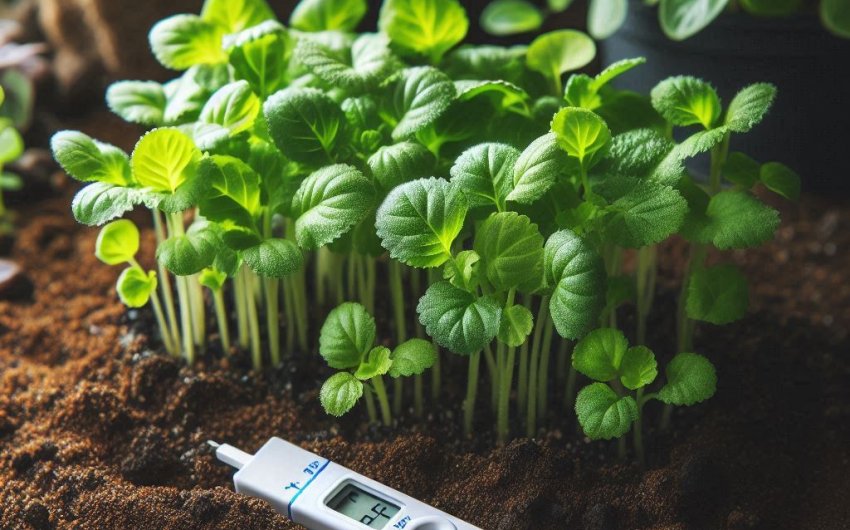
Have you ever wondered why some plants thrive in one garden but struggle in another, even with the same care? Often, the secret lies hidden beneath the surface: the soil pH. Think of soil pH as the soil’s "taste" – whether it's more sour (acidic) or more bitter (alkaline). Just like different people prefer different foods, different plants prefer soil that’s a certain level of sourness or bitterness. Getting the soil pH just right is super important for an organic garden because it affects how well your plants can eat. This guide will walk you through everything you need to know about balancing soil pH naturally, ensuring your garden is a happy place for your plants to grow.
What is Soil pH and Why Does It Matter for My Garden?
So, what exactly is soil pH? It’s a measure of how acidic or alkaline (also called basic) your soil is. The pH scale goes from 0 to 14. A pH of 7 is perfectly neutral. Anything below 7 is acidic, and anything above 7 is alkaline.
Why does this matter so much for your garden? Because soil pH controls how available nutrients are to your plants. Imagine your plant roots are trying to eat a meal. If the pH is off, some of the food (nutrients like nitrogen, phosphorus, and potassium) might be "locked up" and unavailable, no matter how much fertilizer you add. It's like having a big plate of food but not being able to use your fork! Getting the pH right means your plants can easily absorb all the good stuff they need to grow strong and healthy. This is key for a truly organic garden where you want to maximize the natural health of your soil and plants.
How Do I Test My Soil pH?
Before you can fix your soil's pH, you need to know what it is! This is the first and most important step. Luckily, testing your soil pH is pretty easy.
Using a Home Soil Test Kit
For most home gardeners, a home soil test kit is the quickest and simplest way to get a good idea of your soil's pH. These kits are usually inexpensive and can be found at garden centers or online. A reliable soil test kit can give you results in minutes.
Steps for Using a Home Kit:
- Gather Samples: Don't just take one sample! Your garden's pH can vary. Take small samples from several different spots in your garden, about 4-6 inches deep. Mix them all together in a clean bucket.
- Follow Kit Instructions: Each kit is a bit different, but generally, you'll mix a small amount of your soil sample with water and a special powder or liquid from the kit. The mixture will change color, and you compare that color to a chart provided with the kit. This color match tells you your soil's pH.
- Record Results: Write down your pH reading. This will be your starting point.
Sending Samples to a Professional Lab
If you want a super accurate reading, or if you're having persistent problems, consider sending a soil sample to a local extension office or a university lab. They offer very detailed soil tests that not only tell you the pH but also the levels of various nutrients. This kind of test is more expensive but gives you a full picture of your soil's health.
What a Professional Test Tells You:
Beyond pH, these tests can tell you:
- Levels of major nutrients (nitrogen, phosphorus, potassium).
- Levels of minor nutrients (calcium, magnesium, iron, etc.).
- Organic matter content.
- Recommendations for how to improve your soil, tailored to your specific garden and what you want to grow.
How Do I Make My Soil More Acidic (Lower pH)?
If your soil test tells you your soil is too alkaline (pH higher than 7), you'll want to lower its pH to make it more acidic. This is often needed for plants like blueberries, azaleas, and rhododendrons, which love acidic conditions. In general, most vegetables prefer slightly acidic to neutral soil (pH 6.0-7.0).
Adding Organic Matter: The pH Balancer
This is the golden rule for any organic garden, and it's fantastic for adjusting pH. Adding lots of organic matter is like giving your soil a super vitamin boost. As organic materials break down, they release weak acids that slowly lower the soil pH.
What Kind of Organic Matter to Use:
- Compost: This is your best friend! Well-rotted compost is packed with good stuff and helps stabilize pH over time. Regularly adding a layer of organic compost to your garden beds is one of the best things you can do for soil health and pH balance.
- Peat Moss: This is a classic for acid-loving plants. It's naturally acidic and can help lower pH more quickly than compost. Mix it thoroughly into the top 6-12 inches of your soil. Just be mindful of where your peat moss comes from, as some sources are more sustainable than others. Using a good quality sphagnum peat moss can make a difference.
- Pine Needles: If you have pine trees, collect those fallen needles! They are naturally acidic and make a great mulch around acid-loving plants. As they break down, they slowly release acidity into the soil.
- Composted Oak Leaves: Like pine needles, oak leaves are acidic. Shredded and composted, they can be worked into the soil or used as mulch.
Adding Sulfur: For Quicker Acidification
For a more noticeable and quicker drop in pH, you can use elemental sulfur. This is a natural mineral that soil microbes convert into sulfuric acid, which lowers the pH.
How to Use Elemental Sulfur:
- Go Slow: It's important to add sulfur gradually. Too much too fast can harm your plants.
- Mix In: Spread the elemental sulfur evenly over the soil surface and work it into the top 6-8 inches of soil.
- Re-test: Wait a few months (or even a full growing season) and re-test your soil pH. Sulfur works slowly, and it can take time for the microbes to do their job. Always follow the package directions, as the amount needed depends on your current pH and desired pH, and your soil type. Look for a fine elemental sulfur powder for easy mixing.
Other Acidifying Amendments:
- Coffee Grounds: While fresh coffee grounds are acidic, their effect on soil pH is usually minor and temporary unless used in very large quantities. However, they are still a great source of organic matter and nitrogen for your compost pile.
- Sawdust (Aged): Aged sawdust (not fresh) can slightly lower pH as it breaks down, but like wood chips, it can temporarily tie up nitrogen. Use sparingly and ensure it's well-aged.
How Do I Make My Soil More Alkaline (Higher pH)?
If your soil test reveals your soil is too acidic (pH lower than 6), you'll want to raise its pH to make it more alkaline. Most common garden vegetables, like beans, carrots, corn, and lettuce, prefer a slightly acidic to neutral pH (around 6.0-7.0). If your soil is very acidic, they might struggle to get nutrients.
Adding Lime: The Go-To for Raising pH
Lime is the most common and effective way to raise soil pH. It's basically ground-up limestone or chalk. The two most common types used in gardening are calcitic lime and dolomitic lime.
Types of Lime:
- Calcitic Lime: This is primarily calcium carbonate. It adds calcium to the soil.
- Dolomitic Lime: This contains both calcium carbonate and magnesium carbonate. It adds both calcium and magnesium to the soil, which can be beneficial if your soil is low in magnesium. A good quality dolomitic lime is a popular choice for gardeners.
How to Use Lime:
- Apply Evenly: Sprinkle the lime evenly over the soil surface.
- Work In: Gently work it into the top 6-8 inches of soil.
- Patience is Key: Like sulfur, lime works slowly. It can take several months to a year for the full effect to be seen. Don't reapply without re-testing your soil. Over-liming can make your soil too alkaline, which is also bad for nutrient availability.
- Follow Directions: The amount of lime you need depends on your current pH, desired pH, and soil type. Always follow the product's recommendations.
Adding Wood Ash: A Quick (but Cautious) Fix
Wood ash (from untreated wood, not charcoal briquettes or treated lumber) can also raise soil pH because it contains potassium, calcium, and magnesium carbonates, similar to lime.
How to Use Wood Ash:
- Use Sparingly: Wood ash is much more potent than lime, and its effects can be quicker and more dramatic. Use it very sparingly.
- Spread Thinly: Sprinkle a very thin layer (like a dusting) over the soil.
- Don't Overdo It: Too much wood ash can drastically raise pH and cause nutrient imbalances. It's generally best used in small amounts or added to your compost pile where its potency is mellowed.
- Avoid with Acid-Loving Plants: Definitely keep wood ash away from your blueberries and other acid-loving plants!
Adding Biochar: A Long-Term pH Stabilizer
Biochar is a type of charcoal made from organic materials (like wood or crop waste) that have been burned with very little oxygen. It's gaining popularity in organic gardening because of its amazing ability to improve soil structure, hold water, and stabilize pH over very long periods.
How Biochar Helps:
- Porous Structure: Its sponge-like structure makes it a great home for beneficial microbes and helps it hold onto nutrients and water.
- pH Buffer: Biochar often has a slightly alkaline pH, so it can help raise acidic soil pH over time. More importantly, it acts as a buffer, helping to stabilize the pH and make it less prone to wild swings.
- Long-Lasting: Unlike other amendments that break down, biochar remains in the soil for hundreds, even thousands, of years, providing long-term benefits.
- How to Use: Mix organic biochar into your soil before planting, or add it to your compost pile.
Understanding Your Plants' pH Preferences
Knowing your soil's pH is only half the battle. The other half is knowing what pH your specific plants prefer. Growing plants that are suited to your native soil's pH can make gardening much easier!
General Vegetable pH Preferences
Most vegetables are happy in a slightly acidic to neutral range:
- pH 6.0-7.0: This is the sweet spot for most common vegetables like tomatoes, peppers, beans, peas, carrots, corn, lettuce, cabbage, and squash.
- Slightly more acidic (5.5-6.5): Potatoes and sweet potatoes prefer this range.
- Slightly more alkaline (6.5-7.5): Asparagus, cauliflower, and onions can tolerate or even prefer slightly higher pH levels.
Adjusting for Specific Plants
If you want to grow a plant that needs a very different pH than your natural soil, you have a few options:
- Raised Beds: Create a raised garden bed and fill it with a custom soil mix. This allows you to control the pH of that specific area very precisely. You can buy good raised garden bed kits that make this easy.
- Container Gardening: Growing plants in pots gives you complete control over the potting mix pH. This is perfect for acid-loving blueberries if your native soil is alkaline. Use a blueberry potting mix specifically designed for acidic plants.
- Focus on Soil Health: Remember, healthy soil full of organic matter has a natural "buffering" capacity. This means it can resist sudden pH changes and adapt better to various plants, even if they have slightly different preferences.
Maintaining Balanced Soil pH in the Long Run
Achieving the right pH is great, but maintaining it is where the real organic gardening magic happens. Soil pH isn't a one-and-done fix; it's an ongoing balance.
Regular Additions of Organic Matter
This cannot be stressed enough! Consistently adding compost, shredded leaves, and other organic materials to your garden beds is the best long-term strategy for stable pH. As these materials break down, they create a balanced environment that helps keep your pH in the ideal range for most vegetables. They act as a buffer, resisting drastic swings in acidity or alkalinity.
Avoid Synthetic Fertilizers
Chemical fertilizers can sometimes mess with your soil's pH over time, making it more acidic or alkaline depending on the type. Sticking to organic fertilizers derived from natural sources is much better for long-term pH stability and overall soil health. For example, a balanced organic fertilizer provides nutrients without disrupting your soil's balance.
Use Organic Mulches
We talked about mulches for weed control, but they also help with pH! Organic mulches like straw, shredded leaves, or compost break down slowly, adding organic matter and helping to stabilize pH. They also keep soil temperatures more even and conserve moisture, which contributes to a healthy microbial community that supports pH balance.
Practice Crop Rotation
While primarily used for pest and disease control, crop rotation can also help with pH balance. Different crops take up nutrients in different ways and leave different residues, which can subtly affect soil pH. By rotating your crops, you prevent specific imbalances from building up in one spot.
Limit Tilling
Frequent and deep tilling can disrupt the delicate balance of soil microbes and organic matter, which are key players in maintaining stable pH. Where possible, use no-till gardening or low-till methods to disturb the soil as little as possible. This helps preserve the soil structure and the natural processes that keep pH in check.
Re-test Periodically
Make it a habit to re-test your soil pH every 2-3 years, or if you notice your plants are not thriving despite good care. This helps you catch any shifts early and make small, gentle adjustments rather than drastic ones.
Balancing soil pH naturally is a cornerstone of successful organic gardening. It's about understanding your soil, giving it the right natural amendments, and nurturing the living ecosystem beneath your feet. By paying attention to this crucial factor, you'll unlock your garden's full potential, leading to healthier plants, bigger harvests, and a truly thriving organic space.