
Organic Companion Planting Ideas for a Healthier Garden
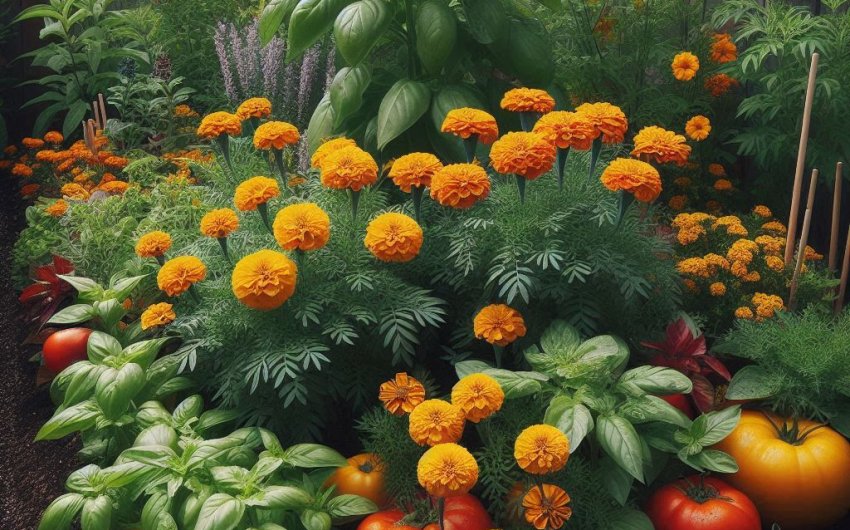
Organic companion planting involves strategically placing different plant species near each other to create mutually beneficial relationships in your garden. These relationships can deter pests, attract beneficial insects, improve soil health, and enhance plant growth, leading to a healthier, more productive garden without synthetic chemicals.
What is Organic Companion Planting?
Organic companion planting is a time-honored gardening technique rooted in observing natural plant interactions. It's about designing your garden ecosystem so that plants help each other thrive, reducing the need for chemical interventions.
- Synergy: Plants working together for mutual benefit.
- Natural Pest Control: Discourages harmful insects.
- Beneficial Insect Attraction: Lures helpful garden allies.
- Soil Improvement: Contributes to a healthier soil environment.
- Enhanced Growth: Can lead to stronger, more flavorful crops.
How Does Companion Planting Benefit a Healthy Garden?
The core principle of organic companion planting is creating a balanced and resilient ecosystem. These benefits contribute to a garden that can largely care for itself.
- Pest Deterrence: Certain plants emit natural compounds that repel specific insect pests. For example, the strong scent of marigolds can deter nematodes and other harmful insects from vegetable roots. Onions and garlic can confuse pests with their strong odors. This reduces the need for synthetic pesticides, keeping your garden truly organic.
- Attracting Beneficial Insects: Some plants produce nectar and pollen that attract helpful insects like ladybugs, lacewings, and predatory wasps. These beneficial insects then feed on or parasitize common garden pests like aphids, caterpillars, and slugs. Planting dill, cilantro, or sweet alyssum near your vegetables can bring these allies to your garden.
- Improving Soil Health: Legumes like beans and peas have root nodules that host nitrogen-fixing bacteria. These bacteria convert atmospheric nitrogen into a form plants can use, enriching the soil for nearby plants. Dynamic accumulators, like comfrey, have deep roots that bring up nutrients from deeper soil layers, making them available to shallow-rooted crops when the accumulator plant's leaves decompose.
- Weed Suppression: Taller, bushy plants can shade out weed seedlings, preventing them from germinating and competing with your desired crops for resources. Groundcover plants, when used as living mulches, can also effectively smother weeds.
- Providing Physical Support: Strong, tall plants can offer natural trellises or support for vining plants. The classic "Three Sisters" planting (corn, beans, and squash) exemplifies this, where corn provides a stalk for beans to climb, and squash provides ground cover.
- Enhancing Growth and Flavor: Anecdotal evidence suggests some plant combinations can actually improve the vigor, yield, or even the flavor of neighboring plants. While scientific evidence varies, many gardeners swear by combinations like basil with tomatoes for sweeter tomatoes.
- Creating Biodiversity: A diverse garden with many different plant species is inherently more stable and less prone to widespread pest or disease outbreaks than a monoculture (growing only one type of plant). Organic companion planting promotes this biodiversity.
- Shade and Wind Protection: Taller plants can provide necessary shade for sun-sensitive plants during hot afternoons. They can also act as windbreaks, protecting more delicate crops from harsh winds.
What Are Some Classic Companion Planting Pairings?
Certain combinations have been observed by gardeners for centuries to produce excellent results. These are great starting points for anyone looking to try organic companion planting.
The "Three Sisters"
- Corn + Beans + Squash:
- Corn: Provides a tall stalk for the beans to climb, acting as a natural trellis.
- Beans: Are legumes that fix nitrogen in the soil, benefiting the hungry corn.
- Squash: Sprawls on the ground, shading the soil to suppress weeds, retain moisture, and deter pests with its prickly leaves.
- This is a highly efficient and self-sufficient system.
Tomatoes and Their Friends
- Tomatoes + Basil:
- Benefit: Said to improve the flavor of tomatoes and repel tomato hornworms and flies. Basil also enjoys the partial shade from taller tomato plants.
- Tip: Plant basil at the base of your tomato plants.
- Tomatoes + Marigolds (French):
- Benefit: Repel nematodes (microscopic worms that attack roots) and other destructive soil pests.
- Tip: Plant French marigolds around the perimeter of your tomato bed.
- Look for French Marigold Seeds.
- Tomatoes + Borage:
- Benefit: Attracts beneficial pollinators and parasitic wasps, and is said to deter tomato hornworms.
- Tip: Borage can get large, so give it space.
Cabbage Family Companions
- Cabbage/Broccoli/Kale + Chamomile:
- Benefit: Believed to improve the growth and flavor of brassicas.
- Cabbage/Broccoli/Kale + Dill:
- Benefit: Attracts beneficial predatory wasps that prey on cabbage worms and aphids.
- Cabbage/Broccoli/Kale + Marigolds:
- Benefit: Deters cabbage moths and other common brassica pests.
- Cabbage/Broccoli/Kale + Onions/Garlic:
- Benefit: The strong scent can confuse and deter cabbage loopers and aphids.
- Find Organic Onion Sets.
Root Crops and Neighbors
- Carrots + Rosemary:
- Benefit: Rosemary can deter carrot rust flies.
- Carrots + Lettuce/Radishes:
- Benefit: These quick-growing crops loosen the soil as they grow, making it easier for carrots to penetrate. They are harvested before carrots need the space.
- Potatoes + Bush Beans:
- Benefit: Beans add nitrogen to the soil, which benefits potatoes.
Herbs as Allies
Many herbs are powerful companions.
- Mint: Deters flea beetles and ants.
- Caution: Mint is aggressive. Plant in containers and sink the container into the ground to prevent spreading, or keep strictly in pots above ground.
- Rosemary: Deters bean beetles, cabbage moths, and carrot rust flies.
- Thyme: Deters cabbage worms.
- Chives: Deters aphids and Japanese beetles. Good with carrots and tomatoes.
- Dill: Attracts beneficial insects like ladybugs and predatory wasps, which feed on aphids and cabbage worms.
How Can Organic Companion Planting Deter Pests Naturally?
One of the most appealing aspects of organic companion planting is its ability to reduce pest problems without resorting to harmful chemicals.
Repellent Scents
- Masking Odors: Some companion plants emit strong odors that confuse pests looking for their target crop. For example, onions planted near carrots can mask the scent of carrots, making them harder for carrot rust flies to find.
- Direct Repellence: Certain plants produce compounds that pests simply dislike. Marigolds (especially French marigolds, Tagetes patula) release thiophenes from their roots, which are toxic to nematodes. Nasturtiums are often called "trap crops" because aphids prefer them over other plants, diverting pests away.
- Examples:
- Marigolds: Repel nematodes, whiteflies, aphids, and more. Plant around tomatoes, potatoes, and brassicas.
- Garlic & Onions: Deter aphids, Japanese beetles, carrot rust flies, and more. Good with roses, tomatoes, brassicas.
- Catnip: Repels flea beetles, squash bugs, and ants. Be cautious, as it can spread aggressively.
- Rosemary, Sage, Thyme: Their strong aromas deter various pests, including cabbage moths, bean beetles, and carrot rust flies.
Trap Cropping
- Sacrificial Plants: Some plants are so attractive to specific pests that they lure them away from your valuable crops. Nasturtiums are a classic example. Plant them on the edge of your garden, and aphids will often colonize them instead of your beans or brassicas. You can then easily hose down or remove the infested nasturtium plants.
- Mustard Greens: Can be used as a trap crop for flea beetles.
Physical Barriers and Diversion
- Shading: Tall, bushy plants can create shade, making the environment less appealing for certain heat-loving pests or hindering weed germination.
- Distraction: Companion plants with attractive flowers or foliage can distract pests from your main crops, drawing them elsewhere.
By understanding these mechanisms, you can strategically use organic companion planting to build a robust, pest-resistant garden ecosystem.
How Does Companion Planting Attract Beneficial Insects?
Beyond deterring harmful pests, organic companion planting excels at inviting beneficial insects that act as natural pest control agents.
Nectar and Pollen Sources
- Flowering Plants: Many beneficial insects, like ladybugs, lacewings, hoverflies, and predatory wasps, feed on nectar and pollen in their adult stages, even if their larvae are predatory. Planting a diverse array of flowering herbs and flowers provides these essential food sources.
- Tiny Flowers: Small, umbrella-shaped flowers (umbellifers) are particularly attractive to many beneficial insects because their nectar is easily accessible.
- Dill: Attracts ladybugs and predatory wasps (e.g., those that parasitize cabbage worms). Find Organic Dill Seeds.
- Cilantro (left to flower): Excellent for attracting hoverflies and parasitic wasps.
- Fennel: Similar to dill and cilantro in attracting beneficials.
- Caraway: Another umbellifer that lures helpful insects.
- Composite Flowers: Flowers with many small florets clustered together, like daisies or sunflowers, also offer accessible nectar.
- Calendula: Attracts hoverflies and lacewings, which prey on aphids.
- Sunflower: Can attract various beneficials, though they can also attract birds that might eat seeds.
- Sweet Alyssum: Its tiny, abundant flowers are highly attractive to hoverflies and minute pirate bugs, both significant aphid predators. A good groundcover to plant at the base of taller vegetables. Get Sweet Alyssum Seeds.
Shelter and Habitat
- Dense Foliage: Companion plants can provide shelter and hiding places for beneficial insects from adverse weather or predators.
- Diversity: A rich diversity of plant types creates a more stable and inviting habitat for a wide range of beneficial organisms throughout the season.
By creating a "beneficial insect buffet," you essentially deputize a tiny army to protect your garden, making organic companion planting a powerful strategy for natural pest management.
Can Companion Planting Improve Soil Health Organically?
Absolutely. Organic companion planting is not just about plant-to-plant interactions above ground, but also about improving the very foundation of your garden: the soil.
Nitrogen Fixers
- Legumes: Plants in the legume family (Fabaceae), such as beans, peas, and clover, form a symbiotic relationship with specific bacteria in their root nodules. These bacteria convert atmospheric nitrogen (N₂) into a form plants can use (ammonia and nitrates). This process, called nitrogen fixation, enriches the soil's nitrogen content naturally, reducing the need for synthetic nitrogen fertilizers.
- Beans (Bush or Pole): Excellent companions for corn, carrots, cucumber, and brassicas. They provide nitrogen to hungry neighbors.
- Peas: Similar to beans, they enhance soil nitrogen. Good with carrots, corn, and potatoes.
- Clover (White or Crimson): Can be used as a living mulch in pathways or between rows. It fixes nitrogen and suppresses weeds. Look for Clover Seeds for Cover Crop.
Dynamic Accumulators
- Deep-Rooted Plants: Some plants have long taproots that can draw up nutrients from deeper soil layers, where shallow-rooted crops cannot reach. When these plants die and decompose, or when their leaves are chopped and dropped, these accumulated nutrients become available in the topsoil.
- Comfrey: A classic dynamic accumulator. Its deep roots pull up calcium, potassium, phosphorus, and other minerals. Its large leaves can be chopped and used as a nutrient-rich mulch or added to compost.
- Borage: Also a deep-rooted plant that accumulates minerals, especially calcium and potassium. Its decomposing leaves enrich the soil.
Soil Structure Improvement
- Root Systems: Diverse root systems from companion plants help break up compacted soil, improve aeration, and create channels for water infiltration. Over time, as roots die and decompose, they add organic matter, further improving soil structure.
- Shading: Dense companion plantings can shade the soil surface, keeping it cooler and retaining moisture. This creates a more hospitable environment for beneficial soil microorganisms and earthworms, which are crucial for building healthy soil structure and fertility.
By incorporating these plants, you create a self-sustaining system where plants feed the soil, which in turn feeds the plants, promoting truly organic garden health.
Are There Any Plants That Don't Get Along (Bad Companions)?
Yes, just as some plants help each other, others can hinder growth or attract shared pests. Avoiding these combinations is as important as creating good ones.
- Fennel: Often cited as a poor companion for many plants. It can inhibit the growth of dill, kohlrabi, tomatoes, and almost everything else. It's generally best grown on its own or separated.
- Walnuts (Black Walnut Trees): Produce a chemical called juglone, which is toxic to many plants, including tomatoes, peppers, potatoes, and blueberries. Avoid planting sensitive plants near black walnut trees.
- Brassicas (Cabbage, Broccoli, Kale) + Strawberries: Can compete for nutrients or attract shared pests.
- Onions/Garlic + Beans/Peas: The strong sulfur compounds in alliums (onions, garlic) can sometimes inhibit the growth of nitrogen-fixing bacteria on legume roots, potentially reducing nitrogen fixation.
- Carrots + Dill/Fennel/Cilantro (Bolting): While dill and cilantro are good for attracting beneficials, if they are allowed to bolt and go to seed near young carrots, they can outcompete them for resources.
- Potatoes + Pumpkins/Squash/Cucumbers (Cucurbits): Can sometimes attract similar pests or compete for nutrients if planted too closely.
- Wormwood (Artemisia absinthium): Can inhibit the growth of many nearby plants.
- Rue: Can inhibit basil, sage, and cabbages.
It's wise to research specific plant combinations before planting to prevent accidental negative interactions in your organic garden.
How to Plan Your Organic Companion Garden Layout?
Effective organic companion planting requires a bit of planning, but it's well worth the effort for a healthier garden.
Map Your Garden:
- Draw a simple map of your garden beds.
- Note existing plants, sunlight patterns, and any problem areas (e.g., where pests are often seen).
List Your Desired Crops:
- Decide what vegetables, fruits, and herbs you want to grow.
- Group them by their needs (light, water) and growing habits (tall, vining, bushy).
Research Companion Pairings:
- For each main crop, look up known beneficial companions and any plants to avoid.
- Use reliable gardening resources or the tables provided in this guide.
Integrate Beneficials:
- Don't just think about vegetables; plan to incorporate flowering herbs and flowers that attract beneficial insects (e.g., dill, cilantro, marigolds, sweet alyssum). Plant them interspersed throughout your beds or along borders.
Consider Plant Height and Spread:
- Place taller plants where they won't shade out sun-loving shorter plants (unless intentional, like providing afternoon shade for lettuce).
- Account for spreading habits (e.g., give squash plenty of room). Aggressive spreaders like mint should be contained in pots.
Rotate Crops:
- While companion planting helps, still practice crop rotation annually to prevent disease buildup and nutrient depletion. Don't plant the same family of plants in the same spot year after year.
Start Simple:
- If you're new to organic companion planting, pick a few well-known, reliable pairings to start.
- Basil with tomatoes, marigolds with brassicas, or the "Three Sisters" are great experiments.
Observe and Adjust:
- Gardening is an ongoing learning process. Pay attention to how your plants react to each other.
- Note successes and failures in a garden journal. This will inform your planting choices for future seasons.
Table of Popular Organic Companion Planting Combinations
This table provides a quick reference for common organic companion planting ideas.
| Main Crop | Good Companions | Bad Companions | Benefits |
|---|---|---|---|
| Tomatoes | Basil, Marigolds (French), Carrots, Borage, Chives, Mint, Nasturtiums | Brassicas (cabbage family), Corn, Dill, Fennel, Walnuts | Enhances flavor (Basil), Deters nematodes/pests (Marigolds, Borage, Nasturtiums), Improved growth (Carrots) |
| Cabbage Family (Broccoli, Cabbage, Kale) | Dill, Chamomile, Mint, Rosemary, Thyme, Marigolds, Onions, Garlic | Strawberries, Tomatoes, Pole Beans (can compete) | Deters cabbage worms/moths (Dill, Mint, Rosemary, Thyme, Marigolds, Onions/Garlic), Improved flavor (Chamomile) |
| Carrots | Rosemary, Lettuce, Radishes, Chives, Leafy Greens, Marigolds, Legumes | Dill, Fennel, Celery (can attract pests) | Deters carrot rust fly (Rosemary, Chives), Loosens soil (Lettuce, Radishes), Improved growth (Legumes) |
| Beans (Bush & Pole) | Corn, Potatoes, Carrots, Cucumbers, Celery, Rosemary, Marigolds | Onions, Garlic, Gladiolus, Fennel | Nitrogen fixation (self-benefit & for neighbors), Deters bean beetles (Rosemary, Marigolds), Physical support (Corn) |
| Corn | Beans, Squash, Cucumbers, Melons, Pumpkins, Potatoes, Peas | Tomatoes (can attract earworms), Celery, Cabbage | Physical support for beans, Nitrogen for corn (Beans), Weed suppression & moisture retention (Squash) |
| Cucumbers | Beans, Corn, Dill, Radishes, Marigolds, Nasturtiums | Potatoes, Sage, Rosemary, Strong aromatic herbs | Nitrogen fixation (Beans), Support (Corn), Pest deterrence (Marigolds, Nasturtiums) |
| Lettuce | Carrots, Radishes, Mint, Onions, Strawberries, Dill | Cabbage, Broccoli | Shade from taller plants, Soil loosening (Carrots, Radishes) |
| Potatoes | Beans, Corn, Marigolds, Alyssum, Peas, Horseradish | Tomatoes, Raspberries, Pumpkins, Squash, Cucumber, Sunflowers, Fennel | Nitrogen fixation (Beans, Peas), Pest deterrence (Marigolds) |
| Peppers | Basil, Carrots, Onions, Okra, Spinach, Tomatoes | Beans, Apricots, Kohlrabi, Fennel | Enhanced growth & flavor (Basil), General vigor (Carrots, Onions) |
The Long-Term Benefits of Organic Companion Planting
Adopting organic companion planting is more than just a technique; it's a philosophy for cultivating a truly resilient and vibrant garden. By fostering natural alliances between plants, you create a dynamic ecosystem that inherently resists pests, enriches its own soil, and thrives with minimal external inputs. This leads to healthier, more abundant harvests and a deeper connection to the natural cycles within your garden, truly embodying the spirit of organic gardening.