
Why Lawn Drainage Matters and How to Improve It?
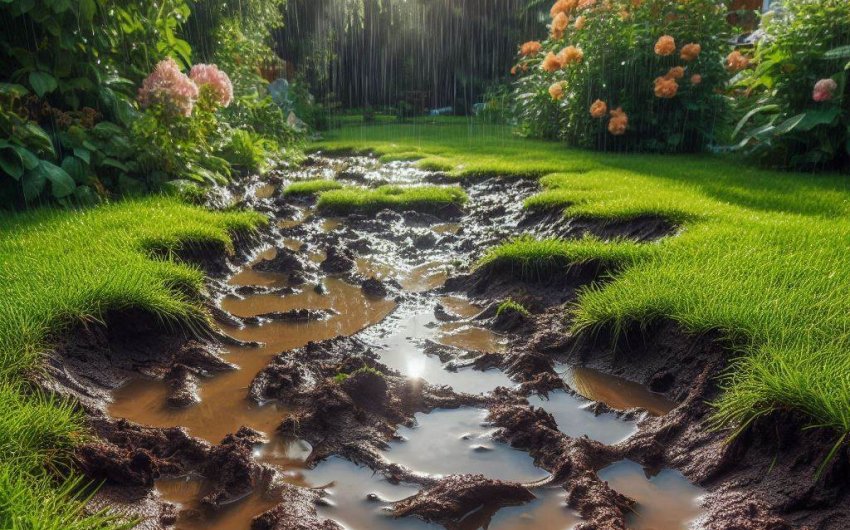
Lawn drainage is one of the most critical factors in keeping your grass healthy, lush, and green. Without proper drainage, lawns can suffer from waterlogging, soil erosion, and even lawn diseases. Poor drainage leads to patches of grass dying, compaction, and an overall lack of vitality in your lawn. This article will help you understand why lawn drainage is so essential and provide practical methods to improve it.
Why Lawn Drainage Is Important
Prevents Waterlogging and Root Rot
When water pools on the surface, it blocks air from reaching the soil. This creates a waterlogged environment where grass roots are deprived of oxygen. Over time, this leads to root rot, as roots cannot breathe, eventually resulting in patches of dying grass. Without adequate drainage, a lawn can quickly lose its lush, green look.
Reduces Lawn Diseases
Damp conditions encourage the growth of fungi and diseases that thrive in soggy environments. Poorly drained lawns are more susceptible to fungal infections such as red thread and brown patch, which can spread across the lawn and weaken it further. Improving drainage reduces the chances of lawn diseases taking hold and helps grass grow healthy and disease-free.
Minimizes Soil Compaction
Heavy, wet soil can compact over time, especially if the area is prone to heavy rain or frequent foot traffic. Compacted soil restricts root growth and prevents water from being absorbed, creating a vicious cycle of poor drainage and weak grass. Good drainage practices keep the soil aerated, reducing compaction and providing a healthier environment for grass to grow.
Helps Prevent Lawn Erosion
Without proper drainage, flowing water from heavy rain can lead to soil erosion. This not only damages the lawn but also removes essential nutrients, making it challenging for grass to recover and grow. Effective drainage solutions channel water away, preventing soil from washing away and keeping nutrients where they’re needed.
Signs of Poor Lawn Drainage
Recognizing poor drainage early can help you fix it before it causes significant damage. Common signs of poor drainage include:
- Puddles or standing water after rain
- Soft, spongy soil that feels mushy underfoot
- Areas of grass that are yellow or dying despite regular care
- Fungal growth or mold patches on the lawn
1. Aerate Your Lawn to Relieve Compaction
Aerating is one of the simplest and most effective ways to improve lawn drainage. Aeration involves creating small holes in the soil to loosen compacted areas and allow water and air to penetrate deeper.
- Core Aeration: This method removes plugs of soil, creating space for water to seep in and roots to expand.
- Spike Aeration: Spike aeration pokes holes in the soil, which can work well for mildly compacted areas but may not be as effective as core aeration.
Using a core aerator can improve water infiltration significantly, especially in areas prone to heavy foot traffic.
2. Add Organic Matter to Improve Soil Structure
In areas with heavy clay soil, water tends to sit on the surface because clay retains moisture. Adding organic matter such as compost or peat moss can improve the soil structure, making it more absorbent and better at draining water.
- Topdressing with Compost: Spread a thin layer of compost over the lawn to help improve soil texture and drainage.
- Incorporating Sand: Mixing sand into clay-heavy soil can also improve drainage but must be done carefully to avoid making the soil too loose.
Using organic compost regularly can gradually improve soil structure, helping the lawn handle excess moisture better.
3. Install a French Drain for Large Puddling Areas
A French drain is a simple yet effective method to direct excess water away from problem areas. It’s essentially a trench filled with gravel and a perforated pipe that captures and redirects water.
- Dig a Trench: Dig a trench in the area where water pools the most, ensuring a slight slope to encourage water flow.
- Install the Pipe: Lay a perforated pipe in the trench and cover it with gravel.
- Cover and Replant: After placing the pipe, cover the trench with soil and grass seed to blend it into the lawn.
Using a perforated drainage pipe makes it easy to create an effective French drain that diverts water from problem areas.
4. Consider Adding a Dry Well
A dry well is a large hole filled with gravel or stone that collects excess water, allowing it to percolate slowly into the surrounding soil. This solution works well for areas that collect water but have poor natural drainage.
- Excavate the Well: Dig a hole in the area prone to waterlogging and fill it with coarse gravel.
- Add Landscape Fabric: Place landscape fabric over the gravel to prevent soil from clogging the well.
- Cover with Soil and Grass: Finish by covering the dry well with a layer of soil and grass seed.
A dry well kit can make the installation process more straightforward, as it typically includes all necessary components.
5. Improve Drainage with Swales
A swale is a shallow, gently sloped channel designed to divert water. Swales work well in lawns with large puddling areas, moving water from low-lying sections to places where it can drain more effectively.
- Design the Swale: Create a shallow, curved channel to guide water flow. Position it to direct water to the edge of the lawn or a designated drainage area.
- Add Decorative Stones: Lining the swale with rocks or decorative stones enhances its look while keeping water flowing along the channel.
Using landscape rocks helps you create a functional, attractive swale that manages water flow while adding visual interest to your lawn.
6. Use Rain Gardens to Absorb Excess Water
A rain garden is a planted area in a low part of your lawn designed to absorb and filter excess water. Rain gardens are both functional and beautiful, creating a haven for pollinators while managing drainage issues.
- Choose Water-Tolerant Plants: Select plants that can withstand wet conditions, such as native grasses, wildflowers, and ferns.
- Prepare the Soil: Dig down about 6 inches and amend the soil with sand or compost to improve drainage.
- Plant Strategically: Place taller, moisture-loving plants in the center, with shorter plants around the edges for a natural look.
Using native plants for rain gardens can enhance water absorption, providing a sustainable drainage solution for your lawn.
7. Divert Water with Downspout Extensions
If your lawn drainage issues are concentrated near your home, your downspouts could be the problem. Directing downspouts away from the foundation and into areas that can handle more water is an easy fix.
- Add Extensions: Attach a downspout extension to guide water away from the base of your house and out to areas with better drainage.
- Consider Splash Blocks: If an extension isn’t feasible, place a splash block under the downspout to channel water away from the lawn.
Using a downspout extension helps protect your foundation while keeping excess water from pooling in vulnerable areas.
8. Install Catch Basins in Low Spots
A catch basin is a box-like structure that collects and diverts water to a drainage outlet. These are ideal for lawns with persistent low spots that collect water.
- Dig a Hole for the Basin: Place the basin in a low spot where water tends to pool.
- Connect to a Drainage Pipe: Attach a pipe to carry water away from the lawn to a safe discharge point.
- Cover with Soil and Grass: Blend the catch basin into the landscape by covering it with soil and reseeding.
Using a catch basin kit provides a straightforward way to manage low-lying areas that frequently pool after rain.
9. Reseed Bare Areas to Prevent Erosion
Pooling water can erode soil, creating bare patches that worsen drainage issues. Reseeding these areas can help prevent further erosion and maintain soil structure.
- Loosen the Soil: Lightly rake the soil in bare areas to promote seed-to-soil contact.
- Spread Grass Seed: Choose a grass variety suited for wet conditions to help stabilize the soil.
- Water Carefully: Water lightly to avoid washing away the seed, encouraging new grass to take root.
Using a grass seed mix for wet areas can strengthen soil in affected areas, reducing erosion and improving drainage over time.
10. Avoid Overwatering to Prevent Saturation
Overwatering is a common cause of poor lawn drainage. Reducing the amount and frequency of watering can prevent oversaturation, helping the lawn handle natural rainfall more effectively.
- Check Soil Moisture: Only water when the soil is dry an inch below the surface.
- Use a Rain Gauge: Track rainfall to avoid watering after heavy rains.
- Water Early in the Morning: Watering in the early hours allows water to soak in before the sun evaporates it.
Using a soil moisture meter helps you determine when watering is needed, preventing accidental oversaturation that leads to drainage problems.
11. Plant Deep-Rooted Grass Varieties
Some grass varieties naturally improve drainage due to their deep root systems. Deep roots can break up compacted soil and absorb excess moisture, reducing pooling in the lawn.
- Choose Fescue or Ryegrass: These grasses have extensive root systems that tolerate wet conditions well.
- Avoid Shallow-Rooted Varieties: Grass types with shallow roots may struggle in poorly drained soil.
Using a deep-rooted grass seed can improve soil structure, making your lawn more resilient to rain and wet conditions.
12. Level Out Uneven Areas
Uneven ground can cause water to pool in dips and low spots, leading to poor drainage. Leveling out these areas promotes uniform water distribution across your lawn.
- Add Topsoil to Low Areas: Spread a layer of topsoil over depressions, packing it down firmly.
- Replant Grass: Seed or sod over the leveled areas to match the rest of the lawn.
- Maintain a Gradual Slope: Ensure the area slopes slightly away from buildings to guide water where it can drain effectively.
Using a lawn leveling rake can help you distribute topsoil evenly, creating a smooth surface that supports proper drainage.
13. Try Soil Amendments Like Gypsum for Clay Soil
Gypsum is a common soil amendment used to improve clay-heavy soil. It works by breaking down clay particles, which enhances drainage without altering the soil’s pH.
- Spread Gypsum: Apply gypsum to affected areas, following package instructions for application rates.
- Water Lightly: Water the gypsum into the soil to help it begin breaking down clay particles.
- Repeat as Needed: For heavy clay soils, consider reapplying gypsum annually.
Using lawn gypsum can improve soil texture, allowing water to move through more efficiently.
14. Incorporate Regular Lawn Maintenance to Prevent Compaction
Regular lawn care can improve soil health and prevent compaction, which helps maintain good drainage.
- Aerate Annually: Aerating once or twice a year keeps soil loose, allowing water to flow through.
- Avoid Heavy Equipment on Wet Soil: Walking or using heavy equipment on wet soil compacts it, worsening drainage issues.
Using a lawn aeration tool regularly prevents compaction and promotes healthy soil structure for better drainage.