
Greenery Made Simple: Indoor Plants for Beginners
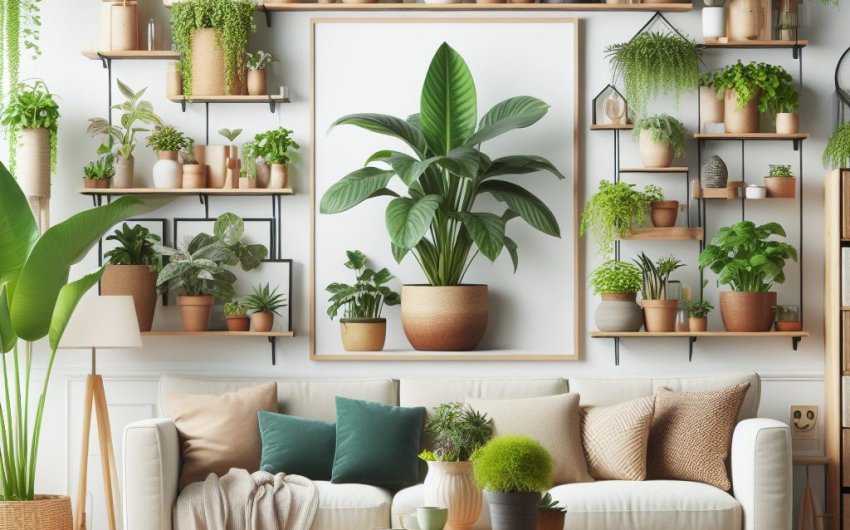
Yes, greenery can be made incredibly simple, especially when it comes to selecting indoor plants for beginners, as there are many forgiving and resilient species that thrive with minimal fuss. Starting your plant journey with these low-maintenance heroes sets you up for success, allowing you to enjoy the beauty and benefits of indoor plants without the stress of complex care routines. This guide will help you confidently bring vibrant life into your home, making indoor plants for beginners an easy and rewarding experience.
Why Are Some Indoor Plants Easier for Beginners?
Some indoor plants are inherently easier for beginners because they are exceptionally forgiving of common mistakes, adapt well to typical indoor conditions, and have clear signals for their basic needs. These resilient species minimize frustration and maximize success, making the journey of plant parenthood enjoyable rather than overwhelming. They are truly designed to make greenery made simple.
What Characteristics Define "Easy-Care" for Beginners?
These specific traits make certain indoor plants ideal companions for those just starting their green journey, reducing the learning curve and boosting confidence. They are the hallmarks of indoor plants for beginners.
- Drought Tolerance: This is arguably the most crucial factor. Easy-care plants can handle periods of dry soil without immediately wilting or dying, allowing for occasional missed waterings without fatal consequences. This flexibility is a lifesaver for busy or forgetful beginners.
- Light Adaptability: They can thrive in a range of light conditions, from low to bright indirect, without becoming overly leggy (stretched) or stressed. This makes placement in a home much less restrictive.
- Pest Resistance: Easy-care plants are generally less susceptible to common indoor plant pests, reducing the need for constant monitoring, identification, and treatment, which can be daunting for novices.
- Forgiving of Neglect: They tend to bounce back quickly from occasional lapses in care (e.g., forgetting to fertilize on time, minor temperature fluctuations).
- Clear Thirst Signals: Many easy-care plants visibly "tell" you when they need water (e.g., drooping leaves), making it simple to understand their needs without complex calculations.
- Slow Growth Rate (Often): Slower growth often means less frequent repotting and pruning, simplifying long-term care.
- Propagate Easily: Many beginner-friendly plants can be easily propagated from cuttings, offering a rewarding sense of accomplishment and a way to expand your collection for free.
By focusing on these resilient characteristics, beginners can choose indoor plants that set them up for success, transforming what might seem like a daunting task into an enjoyable and stress-free introduction to plant parenthood. They make greenery made simple.
Which Indoor Plants Are Perfect for Beginners?
To truly make greenery made simple, selecting the right indoor plants for beginners is paramount. These specific varieties are renowned for their forgiving nature, adaptability to typical home environments, and straightforward care routines, ensuring that new plant parents can confidently cultivate vibrant life without stress. These are the go-to plants for a successful start.
What Are Excellent Choices for Your First Indoor Plants?
These plants are tried-and-true champions for beginners, offering beauty and resilience with minimal fuss. They are the definition of indoor plants for beginners.
- Snake Plant (Sansevieria trifasciata):
- Why it's perfect: Often called "unkillable," the Snake Plant is legendary for its extreme drought tolerance and ability to thrive in very low to bright indirect light. Its upright, architectural leaves add a modern, sculptural touch. It also purifies the air.
- Care Tip: Water very sparingly; allow soil to dry completely between waterings (often every 2-4 weeks). Overwatering is its main enemy. A sleek, modern planter for a Snake Plant enhances its form.
- ZZ Plant (Zamioculcas zamiifolia):
- Why it's perfect: Another contender for the "unkillable" title, the ZZ Plant is incredibly drought-tolerant and excels in low light, making it ideal for dimmer spaces or forgetful waterers. Its thick, waxy, deep green leaves are lush and sophisticated.
- Care Tip: Water very infrequently; allow soil to dry completely. It stores water in its thick rhizomes.
- Pothos (Epipremnum aureum):
- Why it's perfect: This is one of the most popular and forgiving trailing plants. Pothos tolerates a wide range of light conditions (low to bright indirect), is forgiving with watering, and visibly droops when thirsty. Its heart-shaped, often variegated leaves cascade beautifully.
- Care Tip: Water when the top inch or two of soil is dry. Easily propagated from cuttings. A hanging planter for Pothos works well.
- Spider Plant (Chlorophytum comosum):
- Why it's perfect: A classic for a reason! Spider Plants are super easy to care for, adapt to various light levels, and produce charming "spiderettes" (baby plants) that dangle from long stems. Non-toxic to pets.
- Care Tip: Water when the top inch of soil is dry. They thrive on moderate watering.
- Peace Lily (Spathiphyllum species):
- Why it's perfect: Offers elegant white "flowers" (spathes) and lush green foliage. Peace Lilies are excellent air purifiers and dramatically droop when thirsty, making their watering needs very clear. They prefer medium to low indirect light.
- Care Tip: Keep soil consistently moist but not soggy. A peace lily plant in a simple pot is an easy way to add blooms.
- Cast Iron Plant (Aspidistra elatior):
- Why it's perfect: Named for its incredible resilience, the Cast Iron Plant can truly survive in very low light and endure neglect, including inconsistent watering and fluctuating temperatures. Its long, dark green, glossy leaves add a sophisticated touch.
- Care Tip: Water sparingly. It thrives on being left alone.
- Philodendron Hederaceum (Heartleaf Philodendron):
- Why it's perfect: Very similar to Pothos in its ease of care and light tolerance. Its classic heart-shaped leaves trail beautifully, bringing a lush, organic feel. It's incredibly forgiving.
- Care Tip: Water when the top inch of soil is dry.
By choosing these resilient and communicative indoor plants, beginners can confidently embark on their plant parenthood journey, enjoying beautiful greenery and cultivating a successful indoor garden without overwhelming demands, truly making greenery made simple.
What Are the Absolute Basics of Indoor Plant Care for Beginners?
For beginners diving into plant parenthood, focusing on a few absolute basics of indoor plant care is the quickest way to ensure success and build confidence. Overcomplicating things at the start can lead to frustration, but mastering these fundamental tricks will keep your plants happy and thriving. This simplified approach makes greenery made simple for everyone.
What Are the "Big Three" of Beginner Plant Care?
These three elements are the non-negotiables. Get these right, and most easy-care plants will flourish under your indoor plant care.
- Light (The Most Important Decision):
- Trick: "Know your light, know your plant."
- How-To:
- Identify Your Home's Light: Observe your home throughout the day.
- Bright, Direct: Unobstructed south-facing window. Hot.
- Bright, Indirect: Few feet back from a south window, or near east/west window. Ideal for most plants.
- Low Light: Far from windows, north-facing window. Dim but not dark.
- Match Plant to Light: Place plants according to their specific needs (check plant tag/description). Sun-lovers will stretch and get leggy in low light; low-light plants will scorch in direct sun.
- Identify Your Home's Light: Observe your home throughout the day.
- Common Beginner Mistake: Placing a plant anywhere it looks good, without considering its light needs.
- Water (The Most Common Killer):
- Trick: "Stick your finger in it!" (Don't water on a schedule.)
- How-To:
- Feel the Soil: Before watering, stick your finger 1-2 inches (2.5-5 cm) deep into the soil.
- If Dry: Water deeply until water drains from the bottom.
- If Damp: Wait a day or two and check again.
- Empty Saucers: Always discard any water collected in the saucer after 15-30 minutes. Plants hate "wet feet."
- Common Beginner Mistake: Overwatering (watering too frequently), leading to root rot. A soil moisture meter can help!
- Potting Mix & Drainage (The Foundation):
- Trick: "Good soil and holes are essential."
- How-To:
- Use Potting Mix: Always use a high-quality, well-draining potting mix for indoor plants (a general indoor potting mix is fine for most). Never use garden soil.
- Drainage Holes: Ensure every pot has drainage holes. If your decorative pot doesn't, plant in a nursery pot with holes and place it inside. Add a layer of pebbles in the bottom of the decorative pot to keep the inner pot elevated.
- Common Beginner Mistake: Using garden soil or pots without drainage holes, leading to waterlogging and root rot.
What Are Important "Next Steps" for Beginners?
Once you master the basics, these simple additions will elevate your indoor plant care.
- Humidity: Most houseplants are tropical. Grouping them or using pebble trays helps increase local humidity.
- Fertilizing (Lightly): Only fertilize during the active growing season (spring/summer), using a diluted liquid fertilizer (half strength) every 4-6 weeks. Less is more.
- Pest Patrol (Inspect Weekly): Regularly check your plants for tiny bugs. Early detection is key.
- Pruning (For Health): Snip off yellowing or dead leaves. It makes plants look better and diverts energy to healthy growth. Use small plant snips.
By focusing on these core principles, beginners can confidently grow indoor plants, quickly seeing success and truly experiencing greenery made simple through effective indoor plant care.
How Do You Spot and Fix Common Beginner Plant Problems?
For new plant parents, encountering issues with indoor plants is a normal part of the learning curve, but knowing how to spot and fix common beginner plant problems is a vital trick for successful indoor plant care. Early detection and understanding the underlying cause can often save a struggling plant, reinforcing your confidence in plant parenthood and making greenery made simple.
What Are Common Signs of Distress and Their Solutions?
Learning to "read" your plant's signals is key. Most problems can be traced back to the basic needs.
- Yellowing Leaves:
- What it looks like: Leaves (often lower, older ones first) turn yellow, sometimes turning brown and crispy if prolonged.
- Common Causes:
- Overwatering (Most Common): Roots are suffocating or rotting.
- Underwatering: Less common for overall yellowing, usually leads to wilting/crispy.
- Nutrient Deficiency: Plant lacks essential nutrients (e.g., nitrogen).
- Lack of Light: Plant isn't making enough food, sacrificing older leaves.
- Natural Aging: Older leaves naturally yellow and drop.
- Fix:
- Check Soil: First, check soil moisture with your finger or a soil moisture meter. Adjust watering frequency.
- Light: Move to a brighter spot if in too low light.
- Fertilize: If in active growing season and watering is correct, consider a diluted fertilizer.
- Prune: Remove yellowed leaves with sharp plant snips.
- Drooping or Wilting Leaves:
- What it looks like: Leaves hang limply, plant looks sad.
- Common Causes:
- Underwatering (Most Common): Soil is too dry, plant is thirsty.
- Overwatering (Root Rot): Roots are so damaged they can't take up water, mimicking thirst.
- Heat Stress: Too hot or near a heat vent.
- Transplant Shock: Recently repotted.
- Fix:
- Check Soil: If dry, water deeply. Plant should perk up within hours. If wet and wilting, it's root rot – repot immediately into fresh, dry soil after trimming mushy roots.
- Relocate: Move away from heat sources.
- Crispy/Brown Leaf Tips or Edges:
- What it looks like: Leaf margins or tips dry out and turn brown, often feeling brittle.
- Common Causes:
- Low Humidity: Common in heated homes.
- Underwatering: Not enough moisture reaching the leaf tips.
- Over-fertilization: Salt buildup in the soil.
- Chemicals in Water: Sensitivity to chlorine/fluoride in tap water (rare).
- Fix:
- Increase Humidity: Group plants, use pebble trays, or a plant humidifier.
- Adjust Watering: Water more consistently.
- Flush Soil: Water heavily until drainage runs clear to flush out excess salts.
- Use Filtered Water: If chemicals are suspected.
- Leggy, Stretched Growth (Etiolation):
- What it looks like: Stems are long and thin with widely spaced, small leaves. Plant looks sparse.
- Common Cause: Insufficient Light (Always). Plant is desperately reaching for a light source.
- Fix:
- Increase Light: Move to a brighter location.
- Prune: Cut back leggy stems to encourage bushier, denser growth (new growth will be more compact with better light).
- Pests (Small Bugs):
- What it looks like: Tiny insects (white, black, clear), sticky residue, fine webbing, distorted leaves.
- Common Causes: Often introduced on new plants, or plants are stressed.
- Fix:
- Inspect Weekly: Early detection is key.
- Quarantine: Isolate infested plant.
- Treatment: Hose off with water, use neem oil spray or insecticidal soap (follow directions), wipe with rubbing alcohol.
By becoming a detective and actively observing your plants for these common signs, you can quickly diagnose and address beginner plant problems, ensuring your journey into plant parenthood is a successful and joyful one, truly making greenery made simple through effective indoor plant care.
How Do You Choose the Right Indoor Plant Accessories?
Choosing the right indoor plant accessories goes beyond aesthetics; it's about selecting tools and items that genuinely support your plants' health and simplify your indoor plant care routine, especially for beginners. The right accessories can prevent common problems, enhance the beauty of your greenery, and make plant parenthood more enjoyable. It's a key trick for making greenery made simple.
What Are Essential Accessories for Beginners?
These are the must-have items that will set you up for success in indoor plant care, ensuring your plants thrive from day one.
- Potting Mix (Quality is Key):
- Why it's essential: This is the foundation for your plant's roots. A good mix provides drainage, aeration, and nutrients.
- Choice: A general purpose indoor potting mix is sufficient for most plants. For succulents, use a specialized cactus/succulent mix.
- Tip: Never use garden soil in pots.
- Pots with Drainage Holes (Non-Negotiable):
- Why it's essential: Prevents root rot, the number one killer.
- Choice: Opt for terracotta (dries faster) or plastic (retains moisture). If using a decorative pot without holes, always plant in a slightly smaller nursery pot with holes and place it inside.
- Tip: Add a layer of drainage pebbles at the bottom of the decorative pot to elevate the inner pot.
- Watering Can:
- Why it's essential: Allows for controlled, precise watering directly to the soil, preventing splash onto leaves.
- Choice: A small indoor watering can with a long spout is ideal for reaching tricky spots.
- Soil Moisture Meter (Your Best Friend):
- Why it's essential: Takes the guesswork out of watering, preventing both over and underwatering.
- Choice: A simple 3-in-1 soil moisture meter often also measures light and pH.
- Plant Snips/Shears:
- Why it's essential: For clean, precise cuts when pruning dead leaves, shaping plants, or taking cuttings. Prevents jagged tears that invite disease.
- Choice: A small pair of sharp plant snips for houseplants.
- Mild Liquid Fertilizer:
- Why it's essential: Provides essential nutrients depleted from potting mix over time.
- Choice: A balanced, general-purpose liquid plant food is good for most plants. Dilute to half strength.
- Tip: Only fertilize during the growing season (spring/summer).
What Are Helpful Optional Accessories?
These items can further enhance your indoor plant care and collection, especially as you grow in plant parenthood.
- Pebble Trays:
- Why it's helpful: Increases local humidity around humidity-loving plants, preventing crispy leaf tips.
- Choice: A plant pebble tray or a shallow dish with decorative pebbles.
- Plant Stand/Hanger:
- Why it's helpful: Elevates plants for better light, creates visual interest, and saves surface space.
- Choice: Macrame plant hangers or wooden plant stands.
- Mister:
- Why it's helpful: For plants that appreciate a quick humidity boost, and for cleaning leaves.
- Choice: A fine plant mister.
- Neem Oil Spray:
- Why it's helpful: An organic, natural pest repellent and insecticide for early pest control.
- Choice: A ready-to-use neem oil spray for plants.
- Light Meter:
- Why it's helpful: Provides objective readings of light intensity, taking the guesswork out of plant placement.
- Choice: A digital plant light meter or an app on your phone.
By thoughtfully equipping yourself with these indoor plant accessories, you empower your plant parenthood journey, making greenery made simple and ensuring your new plants thrive beautifully under your care.
How Do You Create a Positive Environment for Indoor Plants?
Creating a positive environment for indoor plants involves more than just providing the basics; it's about fostering conditions that mimic their natural habitats and actively contribute to their well-being. This holistic approach to indoor plant care ensures your green family thrives, reflecting your attentive plant parenthood and making greenery made simple. These crucial tricks contribute to healthy, happy plants.
What Are Key Environmental Factors and How to Optimize Them?
These factors, often overlooked, significantly impact a plant's health and resilience, preventing stress and promoting vigorous growth. A happy plant is a thriving plant.
- Temperature Consistency:
- Importance: Most indoor plants are tropical and prefer stable, warm temperatures (typically 65-80°F / 18-27°C). They resent sudden drops, extreme heat, or cold drafts.
- Optimization:
- Avoid placing plants directly next to drafty windows or doors in winter.
- Keep them away from direct blasts of air from heating or cooling vents, which can be too extreme and dry.
- Protect from cold windowsills in winter by placing a barrier or moving them slightly back.
- Humidity Management:
- Importance: Many popular houseplants require higher ambient humidity than typical homes provide, especially in dry seasons. Low humidity leads to crispy leaves and pest problems (spider mites).
- Optimization:
- Group Plants: Clustering plants together increases local humidity through collective transpiration.
- Pebble Trays: Use pebble trays filled with water underneath pots (ensure pot is not submerged).
- Humidifier: For significant impact, consider a room humidifier for plants.
- Misting: Provides temporary relief for leaves and helps keep them clean. Use a fine plant mister.
- Good Air Circulation:
- Importance: Adequate airflow prevents stagnant, humid air, which is a breeding ground for fungal diseases (e.g., powdery mildew) and can contribute to pest issues.
- Optimization:
- Don't Overcrowd: Ensure there is some space between plants, even when grouped.
- Gentle Fan: In a closed room, a small oscillating fan for plants on a low setting for a few hours a day can improve air movement without creating harsh drafts.
- Prune for Airflow: Remove dense interior growth to open up the plant.
- Cleanliness and Hygiene:
- Importance: A clean environment prevents pest and disease outbreaks.
- Optimization:
- Dust Leaves: Regularly wipe dust off leaves to ensure efficient photosynthesis.
- Remove Debris: Promptly remove any fallen leaves, dead flowers, or plant debris from pots and the surrounding area. This prevents hiding spots for pests and breeding grounds for mold.
- Clean Tools: Sanitize pruning shears or snips between plants to prevent disease spread.
- Pest Vigilance (Early Detection):
- Importance: Healthy plants are less attractive to pests, but regular checks are crucial for early intervention.
- Optimization: Inspect plants weekly (check undersides of leaves!) for any signs of pests. Catching them early is the key to preventing major infestations.
- Quarantine New Plants:
- Importance: New plants can bring unwanted guests.
- Optimization: Always isolate new plants in a separate room for 2-4 weeks before introducing them to your main collection.
By actively optimizing these environmental factors, you create a supportive and thriving atmosphere for your indoor plants. This holistic approach demonstrates true plant parenthood, ensuring your greenery made simple continues to flourish and bring joy to your home through diligent indoor plant care.