
Keep Your Garden Safe with Rotating Head Owl Bird Deterrents
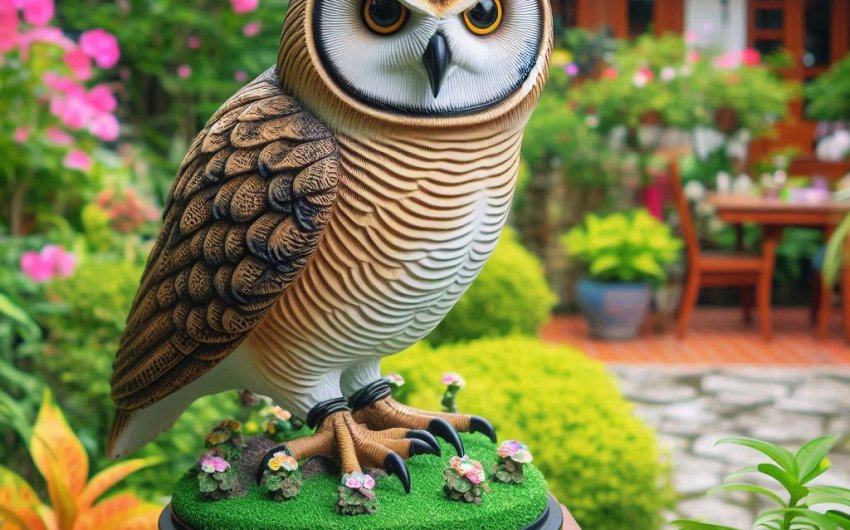
Gardens are wonderful spaces, filled with the promise of beautiful flowers, lush foliage, and bountiful harvests. However, for many gardeners, this serene picture can quickly be complicated by the presence of uninvited feathered guests. Birds, while charming to observe, can become a significant nuisance when they start pecking at ripening fruits, raiding vegetable beds, or leaving droppings on pathways and outdoor furniture. Finding an effective yet humane way to protect your garden without resorting to harsh measures is a common challenge.
This is where rotating head owl bird deterrents come into play. These clever devices tap into the natural instincts of birds, mimicking a predator to scare them away. Unlike static scarecrows that birds quickly learn to ignore, the rotating head adds a dynamic, lifelike element that makes them much more effective. They offer a simple, non-toxic, and often quite decorative solution to keep your precious plants safe.
This comprehensive guide will explore everything you need to know about using rotating head owl bird deterrents. We'll delve into how they work, what features to look for, how to place them for maximum effectiveness, and tips for keeping them working well long-term. Get ready to enjoy your garden's bounty, protected naturally and effectively!
What are rotating head owl bird deterrents?
Rotating head owl bird deterrents are a popular type of visual bird repellent designed to protect gardens, yards, and homes from nuisance birds. They are essentially realistic-looking replicas of an owl, often specifically mimicking the great horned owl, which is a natural predator of many common garden birds. What makes them particularly effective is their key feature: a head that moves, making them appear more lifelike than static bird decoys.
How are they made?
Most owl bird deterrents are made from durable, weather-resistant plastic, often molded and painted to resemble a real owl's feathers, eyes, and overall form. They are designed to withstand outdoor conditions, including sun, rain, and wind.
The "Rotating Head" feature
This is the crucial element that differentiates these deterrents from simple, static owl statues. The head typically rotates in a full 360-degree circle. There are two main mechanisms for this rotation:
- Wind-activated: Many models feature a small vane or fin on the back of the owl's head or a weighted base that allows the head to pivot freely. Even a slight breeze will cause the head to rotate and sway, creating the illusion of movement. This is the most common type and requires no batteries or power. A common model is the De-Bird Scare Owl.
- Battery-operated/Solar-powered: Some more advanced models include a small motor that causes the head to rotate intermittently or continuously. These might also incorporate sound (like owl hoots) or flashing lights for added effect. Solar-powered options can be particularly convenient as they recharge during the day.
Why an owl?
Owls are chosen for bird deterrence because they are formidable predators to many smaller birds, as well as to rodents and other small mammals that might also be garden pests. The sight of an owl, even a decoy, triggers an innate fear response in many birds.
Other features often included:
- Reflective Eyes: Many owl deterrents feature large, reflective "eyes" that catch the sunlight and create startling flashes of light, further enhancing the scare effect.
- Realistic Coloring: Detailed painting helps the owl blend in naturally while still being identifiable as a predator.
- Sturdy Base/Mounting Options: They typically come with a flat base that can be filled with sand or gravel for stability, or a stake for ground insertion, or sometimes a mount for attaching to a fence post or railing.
In essence, a rotating head owl bird deterrent is a clever, humane, and low-maintenance tool that harnesses birds' natural fear of predators, offering a dynamic visual scare to protect your garden and property.
How do rotating head owls deter birds?
The effectiveness of rotating head owl bird deterrents lies in their ability to tap into the natural instincts and fears of birds. They work through a combination of visual cues and movement, mimicking the presence of a predator.
1. Predator mimicry
- Recognizable threat: Many common garden birds (like sparrows, starlings, finches, and even pigeons) are natural prey for owls, especially the formidable great horned owl. Birds are hardwired to recognize and react to the shape, size, and general appearance of their predators.
- Innate fear: The mere presence of an owl-like figure can trigger an immediate "flight" or "avoidance" response in birds. It's a primal instinct for survival.
2. Unpredictable movement (the rotating head)
This is the key differentiator from static decoys.
- Lifelike motion: A static owl decoy might work for a day or two, but birds are intelligent and quickly learn that it's just a harmless statue. The rotating head feature combats this habituation. Even a slight breeze causes the head to turn, creating the illusion that the owl is scanning its surroundings, watching for prey.
- Heightened threat perception: This unpredictable movement makes the threat seem more real and imminent to birds. They don't just see a shape; they see a shape that appears to be actively looking around, which is a significant deterrent.
- Changing perspective: As the head turns, the bird's perspective of the owl changes, preventing them from getting too comfortable or recognizing it as a non-threat.
3. Reflective eyes
- Startle effect: Many owl deterrents incorporate large, often reflective, eyes. When sunlight catches these eyes, it creates sudden, bright flashes of light.
- Disorientation: These flashes can be disorienting and startling to birds, making them uncomfortable approaching the area.
- Mimics alert predator: The flashing light can also be interpreted by birds as a sign that the "owl" is alert and actively hunting.
4. Sound (optional)
- Some more advanced rotating head owl deterrents also emit owl hooting sounds. While sound can be an added deterrent, its effectiveness is often debated as birds can habituate to repetitive sounds more quickly than to visual cues. If present, it often relies on motion sensors or light sensors to activate, making it less predictable.
The effectiveness of rotating head owl bird deterrents lies in their dynamic nature. By combining a recognizable predator shape with lifelike, unpredictable head movement and often startling reflective eyes, they create a sustained illusion of danger that makes an area seem unsafe for birds to forage or perch, encouraging them to find a safer spot elsewhere.
What are the benefits of using rotating head owl deterrents?
Using rotating head owl bird deterrents offers a range of advantages for gardeners and homeowners seeking to protect their property from nuisance birds. These benefits extend beyond simple deterrence to include humane, aesthetic, and practical considerations.
1. Humane and Eco-Friendly Bird Control
- Non-lethal: Unlike traps or poisons, owl deterrents do not harm birds. They simply make an area feel unsafe, encouraging birds to move elsewhere. This is a crucial benefit for those who value wildlife but need to protect their property.
- No chemicals: They don't require any toxic chemicals or sprays, making them safe for your plants, pets, children, and the environment. You can use them confidently in your organic vegetable garden.
- Natural approach: They tap into birds' natural instincts rather than relying on artificial or harmful methods.
2. Effective and Adaptable
- Combats habituation: The rotating head is the key feature here. Unlike static decoys (like old scarecrows or simple plastic owls), the movement significantly reduces the chances of birds becoming accustomed to the deterrent. This means it remains effective for longer periods.
- Versatile placement: They can be placed in various locations: on stakes in garden beds, on fence posts, on patio roofs, or even in trees. This adaptability allows you to target specific problem areas.
- Multi-purpose: Can deter not only birds but also other small garden pests that might be prey for owls, such as squirrels, rabbits, or mice, although their primary design is for birds.
3. Low Maintenance and Cost-Effective
- No power needed (for wind-activated): Most popular models are wind-activated, meaning they require no batteries or electricity. Once set up, they work continuously as long as there's a breeze.
- Durable: Made from weather-resistant materials, they are designed to withstand outdoor conditions, offering long-term protection.
- One-time investment: Compared to ongoing costs of netting, chemical repellents, or frequent re-installation of other deterrents, an owl deterrent is a single purchase that provides continuous benefit.
- Protects crops: By deterring birds, they help protect your ripening fruits, vegetables, and seeds, saving you from crop loss and ensuring a more bountiful harvest.
4. Aesthetic Appeal (can be surprisingly decorative)
- Blends into the garden: While functional, many rotating head owl bird deterrents are designed to be realistic and can actually blend into your garden landscape quite nicely, even adding a touch of rustic or natural decor. They are far more attractive than widespread netting or dangling reflective strips.
- Conversation starter: Their presence can even become a quirky conversation piece in your yard.
In summary, rotating head owl bird deterrents offer a compelling combination of humane pest control, long-term effectiveness due to dynamic movement, low maintenance, and an often-underestimated aesthetic integration into your garden. They're a smart choice for anyone looking to naturally safeguard their outdoor space.
What features should you look for when buying an owl deterrent?
When choosing a rotating head owl bird deterrent, looking beyond the basic appearance can help you select a product that is most effective, durable, and suited to your needs. Here are key features to consider:
1. Head Rotation Mechanism
- Wind-activated (most common and recommended): These owls have a fin or vane that catches the wind, causing the head to spin freely (360 degrees).
- Pros: No batteries needed, truly unpredictable movement (as it depends on wind direction/speed), generally lower cost, reliable.
- Look for: A robust, smoothly swiveling head mechanism. Some models have a small spring to make the head bob slightly as well. A common choice is the Dalen Great Horned Owl.
- Battery/Solar-powered: These have a motor to rotate the head. They might also include sound or light features.
- Pros: Guaranteed movement even on calm days, can offer additional deterrents (sound/light).
- Cons: Requires batteries (ongoing cost/replacement), solar models need good sun exposure to charge, can be more expensive. The movement might be predictable if it's on a timer (e.g., rotates every 30 seconds).
- Look for: A durable motor, good battery life (if applicable), and reliable solar panel (if applicable).
2. Material and Durability
- Weather-resistant plastic: Most are made of durable, UV-resistant plastic (often polyethylene or polypropylene).
- Look for: Thick, sturdy plastic that won't crack or fade quickly in direct sunlight or extreme temperatures. Read reviews for reports of cracking or color fading over time.
- Paint quality: Check if the paint is durable and won't chip or peel easily.
- Galvanized components: If there are metal screws or other small parts, ensure they are galvanized or rust-resistant.
3. Reflective Eyes
- Prominent and shiny: Large, prominent, and highly reflective eyes are a big plus.
- Why: These catch sunlight and create startling flashes, adding to the deterrent effect. Some have a metallic or prismatic quality that enhances this.
4. Size and Realism
- Lifelike proportions: Look for an owl that is a realistic size (often 15-20 inches tall or (38 \text{ cm} \text{ to } 50 \text{ cm})). Too small, and it might not be as intimidating.
- Detail: While it doesn't need to be a museum-quality sculpture, good detailing (feather texture, distinct features) can enhance its realistic appearance.
5. Mounting Options and Stability
- Weighted base: Most come with a hollow base that you can fill with sand, gravel, or rocks for stability, especially on flat surfaces like a patio or roof. This is important to prevent it from blowing over.
- Stake: Many include a stake for easy insertion into garden soil or a lawn. Ensure the stake is sturdy and long enough to provide good stability.
- Mounting bracket/hole: Some models offer holes or brackets for screwing them onto fence posts, railings, or tree branches. This is ideal for elevated placement.
6. Sound Feature (if desired)
- If you choose a model with a sound feature, consider if it's motion-activated or timed. Test the sound quality (some can be quite repetitive and annoying to humans). Ensure it has an on/off switch.
By carefully evaluating these features, you can select a rotating head owl bird deterrent that not only looks good but also effectively protects your garden from unwanted feathered visitors for seasons to come.
Where is the best place to position your owl deterrent?
Strategic placement is absolutely critical for the maximum effectiveness of your rotating head owl bird deterrents. A poorly placed owl will quickly be ignored, while a well-positioned one can provide long-lasting protection. Think like a bird trying to find a safe meal!
1. Visibility is key
- Line of sight: Place the owl where it is clearly visible to the birds you want to deter. It should be in a direct line of sight from their typical approach routes (e.g., from nearby trees, power lines, or fences).
- Above the target area: Ideally, position the owl slightly above the area you're trying to protect (e.g., above your berry bushes, vegetable patch, or patio where birds perch). This makes it seem like a predator swooping down.
- Unobstructed view: Ensure no dense foliage, structures, or other objects block the owl's view of the target area, or block the birds' view of the owl.
2. Consider sunlight and wind exposure
- Sunlight for reflective eyes: Position the owl so that its reflective eyes catch the morning and/or afternoon sun. The flashes of light are a powerful deterrent.
- Wind for head rotation: Place the owl in an area that receives a consistent breeze. The rotating head is the primary mechanism for its effectiveness, so avoid sheltered corners or spots where air movement is minimal. If using a solar-powered owl, it needs good sun exposure to charge.
3. Location, location, location (target specific areas)
- Specific problem areas: If birds are attacking your berry bushes, place the owl directly above or very close to those bushes. If they're nesting on your patio, position it strategically on or near the patio.
- Avoid placement too far from target: A single owl placed far from the problem area will be much less effective. Birds need to perceive it as a direct threat to their immediate food source or perch.
4. Create an unstable environment (avoid fixed patterns)
- Change location regularly: This is perhaps the most important tip to prevent birds from habituating (getting used to) the owl. Move your rotating head owl bird deterrent to a new spot every few days or at least once a week. Even moving it just a few feet or changing its height can reset the "threat" perception.
- Use multiple owls (if needed): For larger gardens or areas with high bird pressure, consider using two or more owls and rotating their positions.
- Combine with other deterrents: For very stubborn birds, combine the owl with other scare tactics like reflective tape, sound deterrents (if not part of the owl), or physical barriers like bird netting as a last resort. The combination of different sensory inputs makes the area seem more dangerous.
5. Consider the "nesting" factor
- Do not place the owl where it could inadvertently attract birds to nest (e.g., in a cozy, sheltered spot that looks safe to birds, even if it has an owl). Its purpose is deterrence.
Common placement ideas:
- Garden beds: Use the included stake to place it directly in the ground near ripening crops.
- On a roof or shed: Great for deterring birds from nesting or perching on structures. Secure it to prevent it from blowing off.
- On a fence post: Provides an elevated position for good visibility.
- Near a pond: To deter ducks or other birds that might contaminate water.
- On a balcony or patio: To keep birds from roosting or making a mess.
By strategically placing and regularly moving your rotating head owl bird deterrent, you'll maintain its effectiveness and keep your garden a peaceful, protected haven.
How do you maintain and maximize the effectiveness of your owl deterrent?
While rotating head owl bird deterrents are designed to be low-maintenance, a little ongoing care and smart strategy will ensure they remain effective at keeping birds away for the long term. The biggest challenge to overcome is habituation – birds getting used to the decoy.
1. Combatting habituation (The Golden Rule)
- Frequent movement: This is the single most important maintenance tip. Birds are intelligent and quickly learn if a "threat" is static and harmless. To prevent habituation, move your owl deterrent at least every few days, ideally daily, to a new location, position, or height. Even a slight repositioning (a few feet away, facing a different direction) can be enough to make it seem like a new threat.
- Vary the pose (if possible): If your owl has articulated wings or features, change its "pose" when you move it.
- Combine with other deterrents: If bird pressure is high, combine the owl with other deterrents like shiny reflective tape, or a motion-activated sprinkler. The combination of different sensory inputs creates an environment that is constantly changing and therefore more threatening. A common product for combination is Bird Scare Tape.
- Remove during low-risk periods: If there's a period when birds aren't a threat (e.g., after harvesting fruits, or during winter when many birds migrate), remove the owl deterrent entirely. Reintroduce it when the threat of bird damage returns. This keeps its appearance "fresh" and surprising.
2. Cleaning and Durability
- Regular cleaning: Over time, dust, dirt, pollen, and bird droppings can accumulate on the owl, making it less reflective and less realistic. Periodically wipe it down with a damp cloth to keep it clean and its reflective eyes sparkling.
- Check for damage: Inspect the owl for any cracks, fading paint, or damage, especially to the head-rotating mechanism. Small cracks can be repaired with weather-resistant adhesive.
- Smooth rotation: Ensure the head rotates freely. If it gets stuck or becomes stiff, a small amount of silicone lubricant (avoid oil-based ones which attract dirt) applied to the pivot point can help.
- Winter storage (optional): While most are weather-resistant, bringing the owl indoors during harsh winter months (heavy snow, extreme cold) can prolong its lifespan and prevent unnecessary wear and tear.
3. Proper installation and stability
- Secure mounting: Always ensure your owl deterrent is securely mounted.
- If using the base, fill it with enough sand or gravel to prevent it from being blown over by strong winds.
- If using a stake, ensure it's firmly planted in the ground and won't wobble excessively.
- If mounting on a post or roof, use appropriate screws and brackets to prevent it from falling and potentially getting damaged.
4. Consider the "predator calls" (if applicable)
- If your owl has a sound feature, assess its effectiveness. Some birds habituate to repetitive sounds very quickly. If it's constantly hooting, it might become part of the background noise. Intermittent, motion-activated sounds are generally more effective. If the sound becomes ineffective or annoying, consider turning it off or removing it.
By actively maintaining your rotating head owl bird deterrents and regularly changing their location, you significantly increase their long-term effectiveness, ensuring your garden remains a safe and productive space without resorting to harmful methods. It's an ongoing, subtle game of wits with your feathered neighbors!