
Unlocking the Secrets of Garden Design: Expert Tips for a Picture-Perfect Landscape
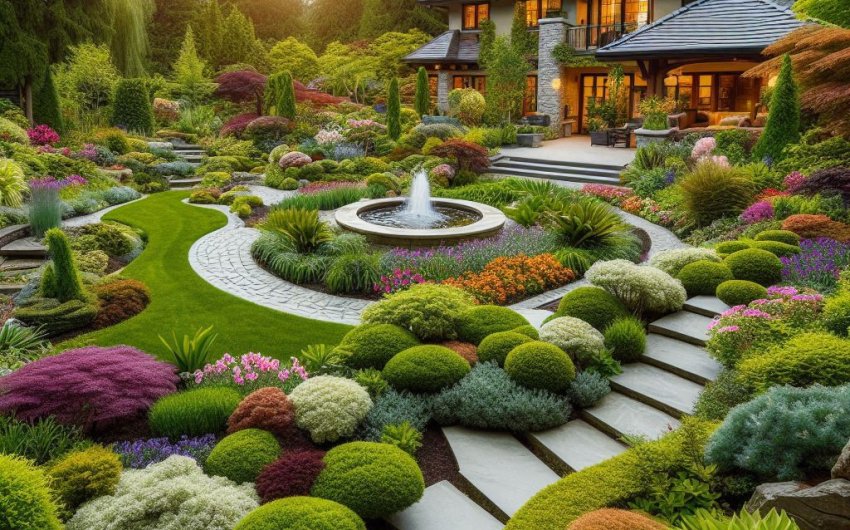
Are you eager to discover the strategies for creating a truly stunning and well-organized outdoor space? Unlocking the secrets of garden design involves more than just planting pretty flowers; it's about blending artistic vision with practical considerations to craft a landscape that is both beautiful and functional. A picture-perfect garden reflects your personal style while also thriving in its environment.
What is Garden Design and Why Does It Matter?
Garden design is the art and process of planning and creating layouts for gardens and landscapes. It's about arranging plants, hardscaping elements (like paths and patios), and other features to create an appealing and functional outdoor space. Good garden design matters because it enhances your home's beauty, creates inviting outdoor living areas, and can even increase your property value. It's about making your outdoor space a joyful extension of your home.
What Are the Fundamental Principles of Garden Design?
The fundamental principles of garden design are the guiding rules that professionals use to create balanced and beautiful landscapes. These include unity, balance, proportion, scale, emphasis, sequence, and rhythm. Understanding these principles helps you create a cohesive and visually pleasing garden, much like an artist uses principles of art to create a painting.
How Does Unity Create a Cohesive Garden?
Unity in garden design means that all the different parts of your garden work together to create a single, harmonious look. It's achieved by repeating elements like colors, textures, shapes, or materials throughout the space. When a garden has unity, it feels coherent and complete, rather than a collection of random parts. For example, using the same type of pavers for pathways and a patio helps create unity.
What is Balance in Garden Design?
Balance refers to the visual weight of elements in your garden. It can be symmetrical (mirroring elements on either side of a central axis, like two identical planters flanking a doorway) or asymmetrical (balancing different elements of varying visual weight, like a large shrub on one side balanced by a group of smaller plants on the other). Both create a sense of stability and order.
Why is Proportion Important in Garden Design?
Proportion deals with the size relationships between different elements in your garden, and between those elements and the garden as a whole, including your house. For example, a tiny fountain would look out of place next to a huge house, just as an enormous tree might overwhelm a small cottage. Good proportion ensures everything looks right together.
How Does Scale Affect Garden Design?
Scale is closely related to proportion but specifically refers to the size of garden elements in relation to the average human. Pathways should be wide enough for comfortable walking, and benches should be a comfortable height. It's about making sure your garden feels comfortable and welcoming to people using it.
What is Emphasis and Focal Points in Gardens?
Emphasis is about creating focal points—areas or objects that immediately draw the eye. This could be a striking tree, a beautiful sculpture, a colorful flower bed, or a unique water feature. A garden should have one or two strong focal points, with other elements supporting them without competing. A well-placed garden fountain can be a perfect focal point.
How Do Sequence and Rhythm Create Flow?
Sequence refers to the changes in plant size, texture, or color as you move through a garden, leading your eye from one area to another. Rhythm is the repetition of these elements or motifs, creating a sense of movement and visual interest, much like a beat in music. Together, they guide visitors through the landscape and create a dynamic experience.
How Do I Plan My Garden Space Effectively?
Effective garden planning starts with understanding your needs and your site. Begin by creating a base plan of your property, noting existing features like your house, trees, and utilities. Then, think about how you want to use the space: do you need an outdoor dining area, a play space for kids, or a quiet retreat? This thoughtful approach lays the groundwork for a successful design. You can use garden planning software or simply graph paper.
What is Site Analysis and Why Is It Necessary?
Site analysis is a thorough study of your garden area before you start designing. It involves observing and noting everything about your specific site: sunlight patterns throughout the day and year, prevailing winds, drainage issues, soil type, existing vegetation, views (both good and bad), and access points. This detailed information is crucial for making informed design decisions and choosing plants that will thrive.
How Do I Define My Garden Style?
Defining your garden style helps create a cohesive look. Do you prefer formal and symmetrical, with neatly clipped hedges and straight lines (e.g., a formal garden)? Or do you lean towards a more relaxed, natural look with curving paths and diverse plant groupings (e.g., a cottage garden or naturalistic garden)? Researching different styles through garden design books can inspire you and help clarify your preference.
What are Functional Zones in Garden Design?
Dividing your garden into functional zones helps organize the space based on how you intend to use different areas. Common zones include an entryway, active living area (for entertaining or play), private retreat, utility area (for compost or storage), and planting areas. Clearly defining these zones helps ensure your garden meets all your needs efficiently.
How Do I Choose the Right Plants for My Garden?
Choosing the right plants is critical for a beautiful and sustainable garden. It's not just about what looks good, but what will thrive in your specific conditions. Consider factors like hardiness zone, sunlight requirements, soil type, mature size, water needs, and maintenance level. Opting for native plants can also significantly reduce maintenance and support local wildlife. A good plant guide book is invaluable.
Why Are Native Plants a Good Choice?
Native plants are species that naturally grow in your local region. They are often the best choice for garden design because they are adapted to your climate, soil, and rainfall patterns. This means they generally require less water, fertilizer, and pest control, making your garden more sustainable and easier to maintain. They also provide essential habitat and food for local wildlife, supporting biodiversity.
How Do I Consider Plant Characteristics?
When choosing plants, consider their characteristics beyond just their flowers. Think about their foliage color and texture, their shape (e.g., upright, spreading, weeping), their mature height and width, and their seasonal interest (when they bloom, if they have interesting bark or berries in winter). Combining plants with varied characteristics adds depth and year-round appeal to your garden. For example, evergreen shrubs provide year-round structure.
What is the Role of Hardscaping in Garden Design?
Hardscaping refers to the non-living elements in your garden, such as patios, pathways, retaining walls, fences, and pergolas. These elements provide structure, define spaces, facilitate movement, and create outdoor living areas. They are the backbone of your garden design and should complement your home's architecture and garden style. Investing in durable outdoor patio furniture can define an outdoor living space.
How Do Pathways and Patios Define Spaces?
Pathways guide visitors through your garden and connect different areas, while patios and decks create functional outdoor rooms. The material you choose for these hardscaping elements (e.g., gravel, stepping stones, brick, concrete) should align with your garden style and practical needs, like drainage and durability. They are crucial for both aesthetics and accessibility.
Why Are Retaining Walls and Fences Important?
Retaining walls are used to manage changes in elevation, prevent erosion, and create level terraces on sloped sites. Fences and hedges provide privacy, define boundaries, and offer security. Both add structure and can be integrated artistically into the overall garden design, contributing to the sense of enclosure and intimacy. A well-built garden retaining wall kit can transform a sloped yard.
How Can I Incorporate Water Features into My Garden?
Water features add a sensory dimension to garden design, bringing calming sounds, reflective surfaces, and attracting wildlife. Options range from small bird baths and container fountains to larger ponds and waterfalls. When incorporating water, consider maintenance, safety (especially with children), and energy consumption. A simple solar-powered bird bath fountain can add charm.
What is the Importance of Garden Lighting?
Garden lighting extends the usability of your outdoor space into the evening and adds a magical ambiance. It can highlight key features, illuminate pathways for safety, and create focal points after dark. Choose from different types of lighting, such as spotlights for dramatic effects, path lights for safety, and ambient lighting for general illumination. Consider low-voltage landscape lighting kits for energy efficiency.
How Can Garden Art and Decor Enhance My Landscape?
Garden art and decor add personality, whimsy, and focal points to your landscape. This can include sculptures, gazing balls, wind chimes, decorative planters, or unique salvaged items. Choose pieces that resonate with your personal style and complement the overall design of your garden, ensuring they enhance rather than overwhelm the planting. A tasteful garden statue can add character.
What About Sustainable Garden Design Practices?
Sustainable garden design focuses on creating a garden that is environmentally friendly and requires minimal resources to maintain. Key practices include using native plants, conserving water through drip irrigation and rain gardens, building healthy soil with compost, reducing chemical use, and attracting beneficial wildlife. A sustainable garden is not only good for the planet but also often less work in the long run. Consider installing a rain barrel to collect water.
What is Xeriscaping and When is it Useful?
Xeriscaping is a specific type of sustainable garden design that focuses on water conservation, particularly in dry climates. It involves choosing drought-tolerant plants, improving soil to increase water absorption, using efficient irrigation methods (like drip systems), and applying mulch to reduce evaporation. It's an excellent approach for creating beautiful, low-water landscapes.
How Can I Design for Year-Round Interest?
Designing for year-round interest means ensuring your garden has something beautiful to offer in every season, not just when flowers are in bloom. This involves selecting plants with varied seasonal appeal, such as trees with vibrant fall foliage, shrubs with colorful berries or interesting bark in winter, and early spring bulbs. Incorporating evergreens provides structure and color during colder months. Planning for different blooming times also ensures continuous color.
What are Vertical Gardening Techniques in Design?
Vertical gardening involves growing plants upwards on walls, fences, or trellises. This technique is excellent for small gardens or urban spaces where horizontal space is limited. It adds visual interest, maximizes planting areas, and can create stunning living walls or green screens. Options include vertical garden planters, hanging baskets, and climbing plants on supports.
How Can I Use Color and Texture Effectively?
Using color and texture effectively is crucial for creating visual appeal in garden design. Color evokes emotions and directs the eye; warm colors (reds, oranges) feel energetic, while cool colors (blues, greens) feel calming. Texture (smooth leaves, rough bark, feathery grasses) adds depth and interest. Combine plants with varied colors and textures for a dynamic and engaging landscape. For vibrant color, consider a mix of annual flower seeds.
What About Accessibility in Garden Design?
Accessibility in garden design means creating a space that can be enjoyed by everyone, regardless of age or physical ability. This includes wide, level pathways for wheelchairs or strollers, raised garden beds for easier access, non-slip surfaces, and comfortable seating areas. Thoughtful accessible design ensures your garden is a welcoming place for all. A raised garden bed with legs can be very helpful.
How Do I Manage Maintenance in My Garden Design?
Managing maintenance starts at the design phase. A well-designed garden considers the time and effort you're willing to put in. Choosing low-maintenance plants, using mulch to suppress weeds, and designing efficient irrigation systems can significantly reduce ongoing work. Grouping plants with similar needs (water, sun) also simplifies care. Be realistic about your available time to ensure your beautiful garden doesn't become a burden. A garden tool set is essential for any garden.
How Can I Create a Sense of Enclosure and Privacy?
Creating a sense of enclosure and privacy transforms your garden into a secluded retreat. This can be achieved using various elements like fences, hedges, tall shrubs, arbors, or pergolas. These features define the boundaries of your outdoor rooms, block undesirable views, and provide a feeling of intimacy and security. A beautiful garden arbor can create an inviting entrance to a private space.
What is the Concept of Borrowed Landscape?
The borrowed landscape (or "shakkei" in Japanese garden design) is a technique where features outside your garden, like a distant mountain, a beautiful tree, or an attractive building, are intentionally incorporated into your garden's view. You design your garden to frame or highlight these external elements, making your own garden feel larger and more expansive. It's about blending your space with its surroundings.
How Can I Plan for Garden Evolution?
Planning for garden evolution means understanding that a garden is a living, changing entity. Plants grow, seasons change, and your needs might shift over time. Design with flexibility in mind: consider the mature size of plants, plan for future additions or removals, and be open to adapting your design as the garden matures. A garden is never truly "finished," but rather a continuous journey of growth and adaptation.
By embracing these expert tips, you are well on your way to unlocking the secrets of garden design and creating a truly picture-perfect landscape.