
How to Care for a Lawn Around Swimming Pools?
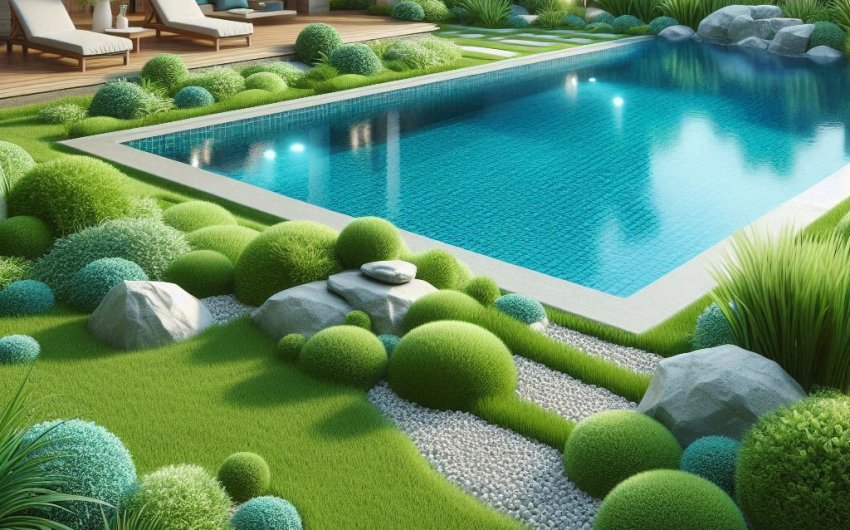
A sparkling swimming pool is the ultimate centerpiece for summer fun, creating a refreshing oasis in your backyard. But right alongside that aquatic enjoyment is often the challenge of maintaining the surrounding lawn. The area directly around a swimming pool is a unique microclimate, facing specific stressors that can quickly turn lush green grass into a struggling, discolored patch. From chlorinated splashes to heavy foot traffic and reflective heat, the needs of a lawn around a swimming pool differ significantly from the rest of your yard.
Effective lawn care in this particular zone requires a proactive approach and specialized techniques. Ignoring these unique challenges can lead to persistent browning, bare spots, and an overall unhealthy appearance that detracts from your pool's appeal. This guide will delve into the specific issues your lawn around a swimming pool might face and provide practical, actionable tips to help you maintain a vibrant, resilient, and beautiful green carpet that complements your aquatic haven. Let's dive into keeping your poolside grass perfectly pristine.
What Are the Unique Challenges for a Lawn Around Swimming Pools?
How Do Pool Chemicals Affect Grass?
The most significant challenge for a lawn around swimming pools is the presence of pool chemicals, primarily chlorine and other sanitizers.
- Chlorine Toxicity: When chlorinated water splashes onto the lawn, the chlorine acts as a powerful sanitizer designed to kill microorganisms. Unfortunately, it doesn't differentiate between harmful bacteria in the pool and beneficial microorganisms or grass cells in your lawn. High concentrations of chlorine can directly burn or kill grass blades and damage roots, leading to immediate browning or yellowing.
- pH Imbalance: Pool water often has a different pH level than what is ideal for lawn grass. While chlorine is the main culprit, repeated exposure to pool water with an imbalanced pH can gradually alter the soil pH around the lawn, making nutrients less available to the grass and leading to long-term stress and decline.
- Salt Buildup (especially with salt water pools): If you have a salt water pool, salt (sodium chloride) splashes are even more detrimental. Salt can dehydrate grass cells, drawing water out of them. Over time, salt can accumulate in the soil, preventing grass roots from absorbing water, even if moisture is present (a condition called "physiological drought"). This is particularly damaging and harder to reverse than chlorine burn.
- Algae Inhibitors: Some pool chemicals include algaecides or other inhibitors that can also be harmful to grass if splashed in concentrated amounts.
These chemical effects are the primary reason grass struggles close to a swimming pool.
What Is the Impact of Increased Foot Traffic and Activity?
The area around a swimming pool inevitably experiences significantly increased foot traffic and activity, which puts immense pressure on the lawn.
- Soil Compaction: Constant walking, running, and playing on the lawn compacts the soil. Compacted soil reduces the pore space necessary for air, water, and nutrients to penetrate the root zone. This starves grass roots of oxygen, leads to poor drainage, and hinders healthy growth.
- Physical Damage: Shoes, pool toys, and general activity can physically tear, abrade, or crush grass blades. Repeated physical damage weakens the grass, making it more susceptible to stress, disease, and pests.
- Wear and Tear: High-traffic areas will show signs of wear much faster, leading to thinning grass, bare spots, and muddy patches, especially when wet.
- Reduced Photosynthesis: Damaged or flattened grass blades have a reduced surface area for photosynthesis, inhibiting the grass's ability to produce energy for growth and recovery.
Choosing traffic-tolerant grass types and implementing strategies to alleviate compaction are key for poolside lawns.
How Does Reflected Heat and Sun Affect Grass?
The presence of a large body of water and often hard, light-colored decking materials around a swimming pool can create an intense microclimate with reflected heat and sun, which severely stresses lawn grass.
- Increased Air and Soil Temperature: The pool water itself can radiate heat, and light-colored decking (concrete, pavers) reflects intense sunlight, significantly raising both the air and soil temperatures in the immediate vicinity.
- Accelerated Evaporation: Higher temperatures lead to much faster water evaporation from both the grass blades and the soil. This means the grass dries out more quickly, even if you are watering regularly.
- Sun Scorch: Intense, reflected sunlight can literally burn grass blades, leading to browning or bleaching. This is particularly problematic for cool-season grasses that are not well-adapted to extreme heat.
- Drought Stress: The combined effect of high temperatures, rapid evaporation, and potentially shallow root systems (due to poor soil or incorrect watering) can induce severe drought stress in the grass, forcing it into dormancy or causing it to die back.
Selecting heat-tolerant grass types and providing adequate watering are crucial to mitigate these effects.
What About Drainage Issues Near Pool Decks?
Drainage issues near pool decks are a common problem that can negatively impact a surrounding lawn.
- Slope and Runoff: Pool decks are often designed with a slight slope to direct water away from the pool. However, if this slope directs water onto the adjacent lawn in a concentrated manner, it can lead to overwatering in that specific area, creating soggy spots prone to root rot or runoff carrying pool chemicals.
- Compacted Subsoil: During pool construction, heavy machinery can compact the subsoil around the pool area. This creates a barrier that prevents water from draining properly, leading to waterlogging in the lawn above.
- Pool Leaks: Undetected minor pool leaks can slowly saturate the surrounding soil, creating constantly wet conditions that are highly detrimental to lawn grass roots.
- Splashing Accumulation: While seemingly minor, continuous splashing in certain spots can lead to localized overwatering and chemical buildup.
Proper drainage design around the pool and regular aeration of the surrounding lawn are important to prevent these issues.
How to Choose the Right Grass Type for Poolside Areas?
Which Warm-Season Grasses Tolerate Pool Conditions Best?
For warm-season grasses (thriving in hot climates), several types can tolerate pool conditions reasonably well, especially their inherent drought and heat tolerance.
- Bermuda Grass: This is often the top choice for poolside lawns in warm climates.
- Pros: Extremely high heat and drought tolerance, very high traffic tolerance, aggressive spreader (recovers quickly from damage), can handle full sun.
- Cons: Can be invasive, requires frequent mowing for a pristine look, goes dormant in winter.
- Zoysia Grass: Another excellent option for its density and durability.
- Pros: Very good drought and heat tolerance, very high traffic tolerance (creates a tough, dense turf), requires less frequent mowing than Bermuda.
- Cons: Slower to establish, can be expensive to install (often by sod/plugs), also goes dormant in winter.
- St. Augustine Grass: Popular in very hot, humid regions.
- Pros: Good heat and moderate drought tolerance, good for humid conditions, can tolerate some shade.
- Cons: Coarse texture, prone to chinch bugs and some diseases, lower traffic tolerance than Bermuda or Zoysia.
These grasses are better equipped to handle the high temperatures and potential drought stress near a pool.
What Cool-Season Grasses Are Best for Poolside Lawns?
For cool-season grasses (thriving in cooler climates), the options that perform well near pools are more limited due to their lower heat and drought tolerance. However, some varieties are more resilient than others.
- Tall Fescue: This is generally the best cool-season choice for poolside lawns.
- Pros: Possesses a deeper root system than other cool-season grasses, giving it better drought tolerance. Good traffic tolerance and tolerates some shade.
- Cons: Will still likely go dormant and brown during prolonged hot, dry summers unless consistently watered.
- Perennial Ryegrass: Often used in blends.
- Pros: Quick to germinate, good for overseeding, decent traffic tolerance.
- Cons: Low drought tolerance, often needs consistent water, prone to certain diseases in humid conditions.
- Fine Fescues (e.g., Creeping Red Fescue):
- Pros: Good shade tolerance, low maintenance, fine texture.
- Cons: Low traffic tolerance, will struggle significantly in direct sun and heat (likely to go dormant quickly near a pool), less resilient to pool chemicals.
If you're in a cool-season zone and want a poolside lawn, Tall Fescue is your most resilient choice, but be prepared for potential summer dormancy or increased watering. A Tall Fescue Grass Seed Blend is widely available.
Should I Consider Salt-Tolerant Grasses for Saltwater Pools?
If you have a saltwater pool, specifically considering salt-tolerant grasses is crucial. Salt buildup in the soil is extremely damaging to most grass types.
- Salt-tolerant warm-season grasses:
- Seashore Paspalum: Considered the most salt-tolerant lawn grass available. It thrives in coastal areas and can tolerate high levels of salt from pool water. Forms a beautiful, dense, dark green turf. Often used on golf courses.
- Bermuda Grass (some varieties): While not as salt-tolerant as Paspalum, some improved varieties of Bermuda grass have moderate salt tolerance and can perform better than other grasses in areas with occasional salt splash.
- Zoysia Grass: Also has some moderate salt tolerance.
- Why salt tolerance matters: Salt damages grass by drawing water out of the plant (osmotic stress) and can also accumulate in the soil, making it toxic for root growth. A salt-tolerant grass has physiological mechanisms to cope with these conditions.
- Leaching: Even with salt-tolerant grass, it's important to periodically leach the soil around the pool deck with plain water to wash away accumulating salt.
For saltwater pools, investing in a salt-tolerant grass like Seashore Paspalum is highly recommended for long-term lawn health.
How to Manage Pool Chemical Effects on Your Lawn?
What Is the Best Way to Rinse Grass After Splashing?
Rinsing grass after splashing is the most immediate and effective way to minimize the damaging effects of pool chemicals on your lawn.
- Act quickly: The sooner you rinse, the better. Ideally, rinse the affected area within minutes or a few hours of significant splashing.
- Use plain water: Use your garden hose with a standard nozzle to thoroughly spray down the areas that received pool water splashes.
- Deep rinse: Don't just lightly mist. Water deeply enough to dilute the chlorine (or leach the salt from a saltwater pool) and push it through the root zone. Think of it as flushing the area.
- Focus on high-splash zones: Pay extra attention to areas directly adjacent to entry/exit points, diving boards, or areas where kids are actively playing.
- Consider a dedicated rinsing hose: Keep a hose accessible near the pool specifically for this purpose.
Regular and thorough rinsing is crucial for preventing chemical burn and salt buildup.
How Can I Create a Buffer Zone Around the Pool?
Creating a buffer zone around your swimming pool is an excellent preventative strategy to protect your lawn from pool chemical splashes and heavy foot traffic.
- Hardscaping: Expand your pool deck with wider pavers, concrete, or stone. This provides a larger non-grass area for people to walk, sit, and exit the pool, keeping them off the lawn. A Patio Paver Kit can help extend your existing deck.
- Mulch beds: Create a wide border of mulch (wood chips, gravel, or decorative stone) between the pool deck and the lawn. This absorbs splashes and is easy to maintain.
- Planting beds: Install planting beds with drought-tolerant, salt-tolerant (if applicable), or chemical-tolerant plants in the buffer zone. These plants can act as a living barrier. Choose plants that can withstand some splashing and don't mind extra moisture.
- Potted plants: Strategically place large potted plants (like palm trees, ornamental grasses, or resilient shrubs) in the splash zone. They intercept splashes before they reach the lawn.
- Shower area: Consider installing an outdoor shower where swimmers can quickly rinse off chlorine before stepping onto the lawn.
A well-designed buffer zone reduces the direct impact on your grass.
What About Using Pool Mats or Runners?
Using pool mats or runners is a simple, temporary solution to protect specific high-traffic or high-splash areas of your lawn around the swimming pool.
- Protects from chemicals: Mats placed at pool entry/exit points will absorb most of the chlorinated water, preventing it from splashing directly onto the grass.
- Reduces traffic impact: They provide a durable, non-slip surface for people to walk on, reducing soil compaction and physical wear and tear on the grass.
- Prevents muddy spots: In areas prone to becoming muddy when wet, mats keep feet clean and prevent grass from being completely churned up.
- Material: Choose durable, weather-resistant outdoor mats that are non-slip and can withstand pool chemicals. Look for rubber, plastic, or synthetic fiber mats.
While not a complete solution, pool mats are very effective for targeted protection in problem areas.
How to Manage Traffic and Promote Health for a Poolside Lawn?
How Does Aeration Help with Compaction?
Aeration is arguably the most important lawn care practice for a lawn around swimming pools due to the constant foot traffic and resulting soil compaction.
- Alleviates compaction: Aeration involves making small holes in the lawn (usually by pulling out small plugs of soil, called coring). This breaks up compacted soil, creating channels for air, water, and nutrients to penetrate the root zone.
- Improves drainage: By opening up the soil, aeration improves drainage, preventing water from sitting on the surface and leading to root rot or soggy conditions.
- Promotes deep roots: When air, water, and nutrients can easily reach the roots, grass plants are encouraged to develop a deeper, more extensive root system. Deep roots make the lawn more drought-tolerant and resilient to other stresses.
- Enhances nutrient uptake: Better aeration allows fertilizers and organic matter to reach the roots where they can be absorbed effectively.
Aeration should be performed at least once a year, or even twice a year for very high-traffic areas, during the lawn's active growing season (fall for cool-season grasses, late spring/early summer for warm-season grasses). You can rent a Core Aerator Machine for larger lawns.
What Is the Importance of Proper Fertilization?
Proper fertilization is vital for maintaining the health and vigor of your poolside lawn, allowing it to recover from stress and resist problems.
- Nutrient Replacement: The constant watering (from splashing and rinsing) can leach nutrients from the soil. Fertilization helps replace these lost nutrients.
- Stress Recovery: A well-nourished lawn is better equipped to recover from the stresses of pool chemicals, foot traffic, and reflected heat.
- Stronger Growth: Balanced nutrients promote strong root growth and dense turf, making the lawn more resilient.
- Soil Test: Always start with a soil test to determine your lawn's specific nutrient needs and pH. This prevents guesswork and ensures you apply the correct fertilizer.
- Balanced Fertilizer: Use a balanced fertilizer (e.g., a good lawn food with appropriate NPK ratios for your grass type). Consider products with added micronutrients.
- Timing: Fertilize during the lawn's active growing season (fall and spring for cool-season, late spring/early summer for warm-season). Avoid fertilizing during drought or extreme heat.
- Slow-Release Options: Slow-release fertilizers provide a consistent supply of nutrients, reducing the risk of burn and promoting steady growth.
Avoid over-fertilizing, as too much nitrogen can lead to lush, tender growth that is more susceptible to disease and traffic damage.
How Does Correct Mowing Benefit Poolside Grass?
Correct mowing techniques are simple yet highly effective for a lawn around a swimming pool, reducing stress and promoting health.
- Raise Your Mower Height: This is a golden rule for any stressed lawn. Mow at the highest recommended height for your grass type (typically 2.5 to 3 inches or even higher, especially during the summer).
- Benefits: Taller grass blades shade the soil, keeping it cooler and reducing water evaporation. They also allow for more photosynthesis, leading to deeper, stronger roots which are more drought-tolerant and resilient to traffic.
- Sharpen Blades Regularly: Dull mower blades tear and fray grass blades, leaving open wounds that are susceptible to disease and cause the grass to look brown at the tips. Sharp blades make clean cuts, promoting quicker healing.
- Mow Less Frequently During Stress: If the lawn is actively under drought stress or experiencing extreme heat, reduce mowing frequency. Allow the grass to grow a bit longer to conserve energy.
- Leave Clippings: Unless they are very clumpy, leave grass clippings on the lawn. They return valuable nutrients and organic matter to the soil, acting as a natural fertilizer and improving soil health.
These practices reduce stress and build resilience against the unique challenges of a poolside environment.
What About Regular Overseeding or Reseeding?
Regular overseeding or reseeding is a vital strategy for maintaining a dense, healthy lawn around swimming pools, especially in high-traffic areas.
- Repair Damage: Poolside lawns are constantly subjected to wear and tear. Overseeding helps to fill in bare spots and thin areas caused by heavy foot traffic, chemical burn, or environmental stress.
- Maintain Density: A dense lawn is more resilient. It better resists weed invasion, tolerates traffic, and recovers more quickly from damage.
- Introduce Resilient Varieties: You can use overseeding as an opportunity to introduce newer, more drought-tolerant, heat-tolerant, or traffic-tolerant grass varieties into your existing lawn, gradually improving its overall resilience.
- Timing: Overseed during the lawn's peak growing season (fall for cool-season grasses, late spring/early summer for warm-season grasses).
- Preparation: For best results, aerate the lawn before overseeding to ensure good seed-to-soil contact. Water the newly seeded area lightly and frequently until seedlings are established.
Consistent overseeding (annually or every other year) is key to keeping your poolside lawn looking full and healthy.