
What Are the Best Lawn Care Practices for Eco-Friendly and Sustainable Yards?
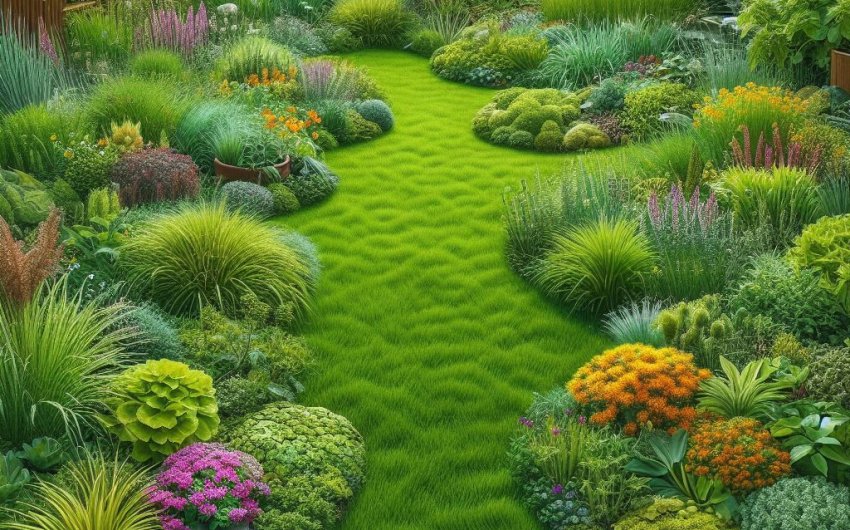
Transforming a typical lawn into an eco-friendly and sustainable yard is a rewarding journey, benefiting not just your property but also the broader environment. Moving beyond conventional lawn care practices, which often rely heavily on synthetic chemicals and excessive water, opens up a world of greener possibilities. Embracing sustainable methods means working with nature, fostering biodiversity, and reducing your environmental footprint, all while cultivating a beautiful and thriving outdoor space.
This shift isn't about neglecting your lawn; it's about adopting smarter, more harmonious approaches. It’s about creating a living ecosystem that supports local wildlife, conserves precious resources, and contributes to a healthier planet. From how you mow to what you feed your soil, every decision can lead to a more resilient and vibrant yard. Explore the essential practices that will help you cultivate a truly sustainable lawn, turning your patch of green into a haven for nature and a testament to responsible living.
Why Should You Choose Eco-Friendly Lawn Care?
Opting for eco-friendly lawn care practices offers a wide range of benefits, extending far beyond your property line. It's a conscious decision to nurture your outdoor space in a way that respects natural systems, conserves resources, and reduces harmful impacts on the environment and living beings.
What are the Environmental Benefits?
- Reduced Water Usage: Traditional lawns often require significant amounts of water, especially during dry periods. Sustainable practices focus on water-wise grass types, efficient irrigation, and improving soil health to retain moisture, leading to substantial water conservation. This is crucial in areas facing drought or water restrictions.
- Minimized Chemical Runoff: Conventional lawn care frequently uses synthetic fertilizers, pesticides, and herbicides. These chemicals can wash off your lawn with rain or irrigation and enter storm drains, eventually polluting local rivers, lakes, and even oceans. This runoff harms aquatic life, contaminates drinking water sources, and disrupts delicate ecosystems. Eco-friendly methods avoid these harmful chemicals altogether.
- Improved Soil Health: Sustainable practices prioritize nurturing the soil. Using organic fertilizers, composting, and leaving grass clippings to decompose enriches the soil with beneficial microbes and organic matter. Healthy soil is the foundation of a healthy lawn; it improves drainage, reduces compaction, and helps plants absorb nutrients more efficiently, reducing the need for synthetic inputs.
- Increased Biodiversity: A lawn treated with harsh chemicals becomes a sterile environment, pushing away beneficial insects, earthworms, and microorganisms. An eco-friendly yard encourages a diverse range of life, from pollinators like bees and butterflies attracted by native plants, to birds that feed on insects, and the vital microscopic life that makes soil fertile. This rich biodiversity creates a more resilient ecosystem.
- Reduced Air Pollution: Gas-powered lawn mowers and other equipment contribute to air pollution through emissions. Sustainable choices include using electric or manual tools, or opting for less frequent mowing, all of which cut down on harmful air pollutants.
What are the Benefits for Your Family and Pets?
- Safer Environment: Synthetic pesticides and herbicides pose health risks to humans and pets. Children and animals are particularly vulnerable because they play directly on the grass. By avoiding these chemicals, you create a safer space for everyone to enjoy without exposure to potentially harmful toxins. This is especially important for organic pet supplies focused on well-being.
- Reduced Allergens: While some native plants might cause allergies, an overall healthier ecosystem with better air quality can contribute to a more pleasant outdoor environment for allergy sufferers.
- Peace of Mind: Knowing that your yard is a healthy, chemical-free space can provide immense peace of mind. You can enjoy your outdoor oasis knowing you're contributing positively to your family's health and the environment.
Choosing eco-friendly and sustainable lawn care is a powerful way to protect our planet and create a healthier, more vibrant living space for all. It's a journey towards a more responsible and connected relationship with nature.
How Can You Water Your Lawn Sustainably?
Water is a precious resource, and efficient sustainable watering is a cornerstone of eco-friendly lawn care. Many lawns are overwatered, leading to waste and potential problems. The goal is to provide your grass with just enough water to thrive, encouraging deep roots and resilience, while conserving this vital resource.
What is Deep and Infrequent Watering?
This is the golden rule for healthy, water-efficient grass.
- Deep Watering: When you water, do so long enough for the water to penetrate several inches into the soil (about 4-6 inches for established grass). This encourages grass roots to grow deeper, making them more resilient to drought and reducing the need for frequent watering.
- Infrequent Watering: Water only when the grass shows signs of needing it, such as:
- The grass blades start to turn a dull, grayish-green.
- Footprints remain visible in the grass after walking on it (the blades don't spring back quickly).
- A screwdriver or soil probe can't easily penetrate the soil to a depth of 4-6 inches.
- Why It Works: Frequent, shallow watering encourages shallow roots, making the grass more dependent on constant irrigation and less tolerant of dry spells. Deep and infrequent watering trains the roots to grow deeper, accessing more moisture from the soil.
When is the Best Time to Water Your Lawn?
The most efficient time to water your lawn is in the early morning, typically between 4:00 AM and 8:00 AM.
- Reduces Evaporation: Cooler temperatures and less wind mean more water reaches the roots and less is lost to evaporation compared to midday watering.
- Dries Blades: Watering in the morning allows the grass blades to dry off before nightfall. This is crucial for preventing fungal diseases, which thrive in prolonged moisture.
- Avoid Evening Watering: Watering in the evening or at night leaves the grass wet for too long, creating ideal conditions for diseases like brown patch and dollar spot.
How Can You Measure Water Needs?
- Rain Gauges: Use a simple rain gauge to monitor natural rainfall. If you've received sufficient rain, you might not need to irrigate.
- Tuna Can Test: Place empty tuna cans around your lawn while running your sprinkler. Time how long it takes for about 1 inch of water to collect in the cans. This tells you how long you need to run your sprinkler to deliver approximately 1 inch of water, which is a good target for deep watering.
- Soil Moisture Meter: A soil moisture meter can give you a precise reading of moisture levels at root depth, helping you know exactly when to water.
What are Water-Saving Irrigation Methods?
- Smart Controllers: Consider an irrigation controller that connects to local weather stations or soil moisture sensors. These smart sprinkler controllers automatically adjust watering schedules based on real-time conditions, significantly reducing water waste.
- Drip Irrigation/Soaker Hoses (for garden beds): While not typically for lawns, for surrounding garden beds, drip irrigation or soaker hoses deliver water directly to the plant roots with minimal evaporation, making them highly efficient.
- Repair Leaks: Regularly check your sprinklers and hoses for leaks. Even small leaks can waste a lot of water over time.
By adopting a smart, sustainable watering strategy, you'll conserve water, promote a healthier lawn, and reduce your environmental impact, all contributing to your eco-friendly yard.
What are Sustainable Mowing Practices?
Your mowing habits have a significant impact on the health and sustainability of your lawn. Adopting sustainable mowing practices means more than just cutting the grass; it involves techniques and equipment choices that promote a healthier lawn while reducing your environmental footprint.
How High Should You Mow Your Grass?
- Mow High: For most common lawn grasses (like fescues, bluegrass, ryegrass, or even Bermuda grass), aim to keep your grass at a height of 2.5 to 3.5 inches (6-9 cm), or even higher, depending on the grass type and time of year. Never scalp your lawn by cutting it too short.
- Benefits of Mowing High:
- Deeper Roots: Taller grass blades encourage deeper root growth, making the lawn more resilient to drought and stress.
- Shades Out Weeds: Taller grass shades the soil, keeping it cooler and suppressing weed seed germination, reducing the need for herbicides.
- More Photosynthesis: More leaf surface area means more photosynthesis, leading to a stronger, healthier plant.
- Better Water Retention: Shading the soil reduces water evaporation.
How Often Should You Mow?
- The One-Third Rule: Never remove more than one-third of the grass blade at a single mowing. This means if your ideal height is 3 inches, you should mow when the grass reaches 4.5 inches.
- Frequency Varies: This means your mowing frequency will change based on how fast your grass is growing. In spring, you might mow more often (e.g., twice a week), while in summer heat or during dormancy, you might mow less frequently (e.g., once every 10-14 days or not at all).
Should You Leave Grass Clippings on the Lawn?
Yes! Leave your grass clippings on the lawn. This practice, known as "grasscycling," is one of the easiest and most impactful sustainable mowing habits.
- Natural Fertilizer: As grass clippings decompose, they release valuable nutrients (especially nitrogen) back into the soil, acting as a free, natural fertilizer. This can reduce your need for synthetic fertilizers by up to 25%.
- Adds Organic Matter: Clippings add organic matter to the soil, improving its structure, water retention, and microbial activity.
- Reduces Waste: Keeps clippings out of landfills, where they contribute to methane gas production.
- Requires Mulching Mower: Use a mulching mower for best results. These mowers are designed to cut clippings into very small pieces that quickly break down and disappear into the lawn. A mulching lawn mower is a worthwhile investment. If you don't have a mulching mower, you can still leave clippings as long as they are not clumping heavily.
What About Eco-Friendly Mowing Equipment?
- Electric Mowers: Rechargeable electric lawn mowers produce zero emissions during operation, are quieter, and require less maintenance than gas-powered mowers. Both corded electric mowers and cordless electric mowers are available.
- Manual Reel Mowers: For smaller lawns, a manual reel mower is the ultimate eco-friendly choice. It produces no emissions, no noise, and provides excellent exercise. A manual reel lawn mower gives a very clean cut and is incredibly sustainable.
- Sharp Blades: Regardless of mower type, always ensure your blades are sharp. Dull blades tear the grass, leading to ragged, brown tips that make the lawn more susceptible to disease. Sharpen blades at least once a year, more if you mow frequently.
By embracing these sustainable mowing practices, you'll contribute to a healthier environment while cultivating a more resilient and beautiful lawn, reducing your reliance on external inputs and promoting natural vitality.
How Can You Feed Your Lawn Organically?
Transitioning to organic fertilization is a fundamental step towards an eco-friendly and sustainable lawn. Unlike synthetic fertilizers that often provide a quick burst of nutrients but can harm soil life, organic methods focus on building healthy, living soil that naturally feeds your grass over time.
Why Choose Organic Fertilizers Over Synthetic?
- Feeds the Soil, Not Just the Plant: Organic fertilizers work by enhancing the soil's natural biology. They feed the beneficial microorganisms (bacteria, fungi, earthworms) in the soil, which in turn break down organic matter into a form that plants can easily absorb. This creates a self-sustaining system.
- Slow, Steady Release: Nutrients in organic fertilizers are released slowly as microbes decompose them. This provides a consistent, gentle supply of food to the grass, preventing sudden growth spurts (which can lead to thatch and disease) and reducing nutrient runoff.
- Improves Soil Structure: Organic matter (from compost, organic fertilizers, and grasscycling) improves soil structure, making it more crumbly. This leads to better drainage in clay soils and increased water retention in sandy soils.
- Reduces Leaching: Because nutrients are released slowly and are held more effectively by organic matter, they are less likely to leach (wash away) into groundwater or run off into waterways.
- Safe for Life: Organic fertilizers are non-toxic to children, pets, and beneficial wildlife like pollinators and earthworms, making your yard a safer place.
Types of Organic Lawn Fertilizers:
- Compost: The ultimate organic soil amendment. Spreading a thin layer (1/4 to 1/2 inch) of good quality compost over your lawn once or twice a year is incredibly beneficial. It adds a wide range of nutrients and billions of beneficial microbes. You can make your own with a backyard compost bin or purchase it in bulk.
- Compost Tea: A liquid extract made by steeping compost in water. It's rich in beneficial microorganisms and nutrients, which can be applied as a soil drench or foliar spray. A compost tea brewer can help you make larger batches.
- Organic Fertilizers (Bagged): Many commercial organic lawn fertilizers are available. Look for products made from natural materials like:
- Feather Meal, Blood Meal, Alfalfa Meal: Good sources of nitrogen.
- Bone Meal: A good source of phosphorus.
- Kelp Meal: Provides potassium and micronutrients.
- Milorganite (Heat-Dried Biosolids): A popular slow-release organic nitrogen fertilizer.
- Corn Gluten Meal: Can act as a natural pre-emergent herbicide (prevents weed seeds from germinating) while also providing nitrogen. Choose a bagged organic lawn fertilizer with an N-P-K ratio appropriate for lawns (often higher in Nitrogen).
How to Apply Organic Fertilizers:
- Soil Test First: Always get a soil test before applying any fertilizer. This will tell you exactly what nutrients your soil needs, preventing unnecessary applications.
- Follow Directions: Organic fertilizers often have different application rates than synthetics. Read the package instructions carefully.
- Spread Evenly: Use a broadcast spreader for even application of granular products.
- Water In (Optional for Granular): While not as crucial as with synthetics, watering in granular organic fertilizers can help them get to the soil faster, especially if conditions are dry. Compost tea should be applied directly to moist soil.
- Timing: Organic fertilizers are typically applied in spring and fall, when grass is actively growing. Some may benefit from light applications throughout the summer.
By switching to organic feeding methods, you empower your soil to become a living, breathing ecosystem, creating a resilient, naturally beautiful, and truly eco-friendly lawn without reliance on synthetic chemicals.
How Can You Control Weeds and Pests Naturally?
One of the biggest challenges in transitioning to an eco-friendly and sustainable lawn is managing weeds and pests without synthetic chemicals. The good news is that a healthy, well-maintained lawn, combined with natural strategies, is your best defense. This approach focuses on prevention and supporting beneficial organisms rather than just eradication.
Natural Weed Control Strategies:
- Mow High: This is your number one defense. Taller grass shades the soil, keeping it cooler and making it difficult for weed seeds to germinate and for young weeds to grow.
- Proper Watering: Deep and infrequent watering encourages strong grass roots, which outcompete weeds for resources.
- Healthy Soil: Rich, organically-fed soil promotes dense, vigorous grass that naturally crowds out weeds.
- Overseeding: Regularly overseed your lawn with desirable grass seeds (especially in fall). A dense lawn leaves no room for weeds to establish. A good quality grass seed for overseeding helps fill in bare spots.
- Hand Pulling: For individual weeds, especially broadleaf weeds like dandelions and plantain, hand pulling is effective. Do it when the soil is moist (after rain or watering) as they pull out more easily. Use a weeding tool for lawns to get the taproot.
- Corn Gluten Meal: This natural product acts as a pre-emergent herbicide, preventing weed seeds from germinating while also adding nitrogen to your lawn. Apply it in early spring before weed seeds sprout. Note: It will also prevent new grass seed from germinating, so don't use it if you plan to overseed. A bag of corn gluten meal can be found at garden stores.
- Spot Treatment with Organic Herbicides: For stubborn broadleaf weeds, some natural herbicides made from ingredients like acetic acid (strong vinegar solution) or fatty acids can be used for spot treatment. These are non-selective, meaning they will kill anything they touch, including grass, so use with caution.
- Embrace Some Weeds: For a truly eco-friendly approach, consider tolerating a few "weeds" like clover or dandelions. Clover is a nitrogen-fixer, enriching the soil, and dandelions provide early season food for pollinators.
Natural Pest Control Strategies:
- Healthy Lawn is Resilient: A strong, well-cared-for lawn is less attractive to pests and can recover more quickly from any minor damage.
- Identify the Pest: Don't automatically assume pest problems. First, identify the specific pest causing damage. Sometimes, a problem might be related to watering or nutrient deficiency.
- Beneficial Insects: Encourage beneficial insects in your yard. Ladybugs, lacewings, and predatory wasps feed on common lawn pests. Avoid broad-spectrum pesticides that kill both good and bad bugs.
- Nematodes: For common lawn pests like grubs, beneficial nematodes are a natural and effective solution. These are microscopic worms that attack and kill grubs without harming other organisms. You can purchase beneficial nematodes for lawns and apply them to your lawn.
- Biological Controls: Some specific pest problems can be addressed with targeted biological controls that use natural enemies of the pest.
- Physical Barriers: For specific problems like moles, physical barriers or traps might be necessary, though prevention through healthy soil that attracts fewer grubs is better.
- Spot Treatment with Organic Pesticides (as a last resort): If a pest problem is severe, look for organic pesticides made from ingredients like neem oil or insecticidal soap. These generally have low toxicity to humans and pets but can still affect beneficial insects, so use them sparingly and target specific areas. A neem oil spray for lawns is a good option.
By prioritizing prevention, fostering a healthy ecosystem, and using targeted natural solutions, you can effectively manage weeds and pests, maintaining a beautiful and thriving eco-friendly lawn without harmful chemicals.
How Can You Improve Your Soil Health for a Sustainable Lawn?
Healthy soil is the bedrock of any thriving garden, and nowhere is this truer than in an eco-friendly and sustainable lawn. Focusing on soil health reduces your reliance on external inputs, makes your grass more resilient, and creates a vibrant ecosystem beneath your feet.
Why is Soil Health So Important for Lawns?
- Nutrient Cycling: Healthy soil is teeming with a diverse community of microorganisms (bacteria, fungi, protozoa, nematodes) and macro-organisms (earthworms, insects). These organisms break down organic matter, convert nutrients into plant-usable forms, and make those nutrients available to your grass roots. Without them, your grass can't properly absorb the food it needs.
- Water Management: Well-structured soil with good organic matter content acts like a sponge. It absorbs and retains water more efficiently, reducing runoff and making your lawn more drought-tolerant. It also improves drainage in heavy clay soils, preventing waterlogging.
- Aeration: Good soil structure, often helped by earthworms tunneling through, creates air pockets that allow oxygen to reach grass roots and help beneficial microbes thrive.
- Disease Suppression: A diverse and robust soil microbiome can outcompete and suppress harmful soil-borne pathogens, making your lawn naturally more resistant to diseases.
- Root Development: Loose, healthy soil allows grass roots to grow deep and strong, anchoring the plant and helping it access more water and nutrients.
Key Practices for Improving Soil Health:
Soil Testing: Start with a soil test (see earlier section). This tells you your soil's current condition, including its pH, nutrient levels, and organic matter content. It's the roadmap for your soil improvement plan. You might need a professional soil testing kit.
Add Organic Matter: This is the single most important thing you can do for soil health.
- Grasscycling: As mentioned, leaving grass clippings on the lawn provides a constant, slow input of organic matter and nutrients.
- Compost Topdressing: Spread a thin layer (1/4 to 1/2 inch) of high-quality compost over your lawn once or twice a year, ideally in spring or fall. You can lightly rake it in, or simply let it settle. Compost enriches the soil, adds microbes, and improves structure.
- Leaf Mulching: Instead of bagging fallen leaves, chop them up with your mower and leave them on the lawn. They are a fantastic source of organic matter. If you have a lot of leaves, compost some and leave a thin layer on the lawn.
- Organic Fertilizers: These also add organic matter and feed the soil microbes, fostering a healthier soil ecosystem.
Aeration: Regularly aerate your lawn, especially if you have compacted soil or heavy foot traffic.
- Core Aeration: This method removes small plugs of soil, creating channels for air, water, and nutrients to penetrate deeper into the root zone. It also helps relieve compaction and encourages deeper root growth. You can rent a core aerator machine.
- Timing: Aerate in spring or fall when the grass is actively growing and can quickly recover and fill in the holes.
Overseeding: After aeration, overseeding is a great practice. Spreading new grass seed helps fill in thin areas, increases turf density, and introduces new, potentially more resilient grass varieties. A dense lawn naturally outcompetes weeds and better resists pests and diseases.
Adjusting pH: If your soil test indicates a pH outside the ideal range for grass (typically 6.0-7.0), amend it gradually.
- Too Acidic (low pH): Add lime (dolomitic or calcitic) to raise the pH.
- Too Alkaline (high pH): Add sulfur to lower the pH. Follow soil test recommendations precisely for application rates.
Avoid Compaction: Minimize heavy foot traffic or equipment on wet soil. Compaction reduces airflow and water penetration, stressing grass roots.
By consistently applying these soil health improvement practices, you'll cultivate a vibrant, resilient, and truly sustainable lawn that thrives with minimal external intervention, becoming a testament to natural vitality.