
How to Manage a Lawn with Invasive Plant Species?
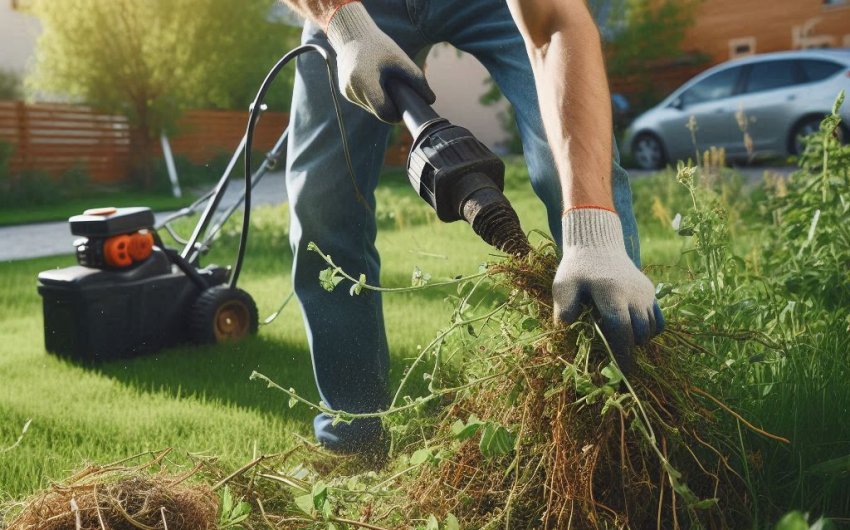
A lush, green lawn is often the pride of a homeowner, but maintaining that perfect carpet of grass can be a challenge, especially when unwanted guests arrive. Invasive plant species are aggressive growers that can quickly take over your lawn, outcompeting your desired grass for water, nutrients, and sunlight. They can turn a uniform green space into a patchy, unruly mess. Dealing with these invaders requires a clear understanding of what you're up against and a strategic approach to reclaim your turf. This guide will help you identify common culprits and arm you with effective methods to manage and remove them, restoring your lawn to its former glory.
What Exactly Are Invasive Plant Species in a Lawn?
When we talk about invasive plant species in a lawn, we're not just talking about any weed. While all invasive plants are weeds in a lawn setting, not all weeds are invasive. So, what sets an invasive plant apart?
What Makes a Plant "Invasive"?
An invasive plant is a non-native species that grows aggressively and spreads quickly, causing harm to the environment, economy, or human health. In the context of a lawn, these are plants that are not part of your desired grass blend and aggressively outcompete your turfgrass.
They often have several characteristics that make them particularly problematic:
- Rapid Growth: They grow very quickly, often faster than your grass.
- Aggressive Spreading: They spread through various means, like prolific seed production, underground rhizomes (creeping stems), or stolons (above-ground creeping stems).
- Outcompeting Natives: They are better at getting water, nutrients, and sunlight than your grass, essentially starving it out.
- Hard to Control: Their aggressive nature makes them difficult to remove once established.
- Lack of Natural Enemies: Since they are not native, they often don't have natural pests or diseases in their new environment to keep their growth in check.
Common Invasive Lawn Invaders
You've probably seen many of these common culprits in your own yard.
Crabgrass (Digitaria spp.)
Crabgrass is one of the most common and notorious invasive grasses. It's an annual weed, meaning it completes its life cycle in one growing season, but it produces a huge number of seeds that ensure it comes back year after year. It grows in unsightly clumps, often lighter green than your lawn grass, and spreads rapidly in hot weather. It's known for its broad, flat blades and finger-like seed heads.
Dandelion (Taraxacum officinale)
Everyone knows the dandelion. While some consider it a charming wildflower, it's definitely an invasive broadleaf weed in a lawn. It's a perennial, meaning it comes back year after year from its deep taproot. Dandelions are easily identified by their bright yellow flowers that turn into fluffy white seed heads, which spread seeds widely with the wind.
Clover (Trifolium spp.)
Clover, particularly White Clover (Trifolium repens), is another common lawn invader. It's a perennial broadleaf weed that forms dense patches with its distinctive three-lobed leaves and small white or pinkish-white flowers. Clover can actually fix nitrogen in the soil, which can benefit other plants, but its spreading habit often makes it unwanted in a uniform lawn.
Creeping Charlie (Glechoma hederacea)
Also known as Ground Ivy, Creeping Charlie is a highly aggressive perennial broadleaf weed. It has round, scalloped leaves and small purple flowers. What makes it particularly invasive are its long stolons (creeping stems that root at nodes), which allow it to spread quickly and form dense mats, especially in shady, moist areas. It has a minty smell when crushed.
Quackgrass (Elymus repens)
Quackgrass is a very aggressive perennial grassy weed. It looks similar to desired turfgrass but grows much taller and coarser. Its secret weapon is a vast network of sharp, white rhizomes (underground stems) that allow it to spread rapidly and make it incredibly difficult to remove by hand. Even a small piece of rhizome left behind can sprout a new plant.
Nutsedge (Cyperus esculentus - Yellow Nutsedge; Cyperus rotundus - Purple Nutsedge)
Nutsedge is often mistaken for a grass, but it's actually a sedge. Sedges have triangular stems (grasses have round or flat stems). It's a perennial that spreads rapidly by rhizomes and tubers (small nut-like growths on the roots), making it very persistent. Nutsedge grows much faster than turfgrass, especially in wet or poorly drained areas, quickly forming tall, light-green clumps.
Broadleaf Plantain (Plantago major)
Broadleaf Plantain is a very common perennial broadleaf weed with broad, oval-shaped leaves that grow in a rosette close to the ground. It has fibrous roots and a distinctive tall, slender flower stalk that produces many seeds. It thrives in compacted soil and can tolerate heavy foot traffic.
Creeping Bentgrass (Agrostis stolonifera)
Often used on golf courses for putting greens, Creeping Bentgrass can be a nightmare in a home lawn. It's a perennial grass that spreads aggressively by stolons, forming dense, light-green patches that have a distinct fine texture. It can quickly take over, creating an uneven lawn surface.
Why Are Invasive Plants So Hard to Control?
Understanding why these plants are so difficult to get rid of is the first step in effective management. Their survival strategies are impressive, albeit frustrating for lawn owners.
Aggressive Reproduction
Invasive plants are masters of reproduction.
Seed Production
Many invasive weeds produce an incredible number of seeds. A single dandelion, for instance, can produce thousands of seeds that are easily carried by the wind. Crabgrass also produces massive amounts of seeds that can remain viable in the soil for many years, waiting for the right conditions to sprout. This large seed bank in the soil means that even if you kill the existing plants, new ones can pop up from dormant seeds.
Vegetative Spreading
Beyond seeds, many invasive plants use vegetative spreading methods.
- Rhizomes: These are underground stems that spread horizontally, sending up new shoots and roots along the way. Quackgrass and Nutsedge are prime examples. Pulling the top part of the plant often leaves pieces of rhizome behind, each capable of growing a new plant.
- Stolons: Similar to rhizomes, but these are above-ground stems that creep along the soil surface, rooting at nodes and forming new plants. Creeping Charlie and Creeping Bentgrass spread this way.
- Tubers: Nutsedge is particularly tricky because it produces small, nut-like tubers on its roots. Each tuber can sprout a new plant, and the plant can produce hundreds of these tubers, making it very persistent.
Resilience and Adaptability
Invasive plants are often incredibly tough.
Deep Root Systems
Plants like dandelions and broadleaf plantain have deep taproots that allow them to access water and nutrients deeper in the soil than shallower-rooted lawn grasses. This also makes them very hard to pull out completely.
Tolerance to Poor Conditions
Many invasive plants thrive in conditions that stress turfgrass. For example, nutsedge prefers wet, poorly drained soil, while broadleaf plantain tolerates compacted soil and heavy foot traffic. Crabgrass loves hot, dry conditions where many lawn grasses struggle. This adaptability gives them an edge.
Lack of Natural Predators
Since these plants are non-native, they often don't have natural pests, diseases, or herbivores in your local ecosystem that would typically keep their populations in check in their native habitats. This allows them to grow unchecked.
What Are Your Management Options?
Dealing with invasive plants in your lawn can be tackled with various methods, ranging from hands-on to more systematic approaches. Often, the best strategy is a combination of these.
Manual Removal (Hand-Pulling)
Hand-pulling is the most organic and immediate way to remove individual invasive plants.
When to Use It
This method is best for small infestations or when you see just a few weeds popping up. It's also ideal for plants with shallow root systems or for larger, easily identifiable weeds like dandelions, especially when the soil is moist after rain or watering.
How to Do It Effectively
- Timing: Pull weeds when the soil is moist. This makes it easier to remove the entire root system.
- Tools: For weeds with taproots (like dandelions), use a weeding fork or dandelion weeder to get as much of the root out as possible. For creeping weeds like Creeping Charlie, try to follow the stolons and remove as much as you can.
- Dispose Properly: Don't leave pulled weeds on the lawn, as some can re-root or drop seeds. Dispose of them in the trash or in a hot compost pile that can break down seeds. Avoid putting weeds that have gone to seed into your regular compost if your pile doesn't reach high temperatures.
Limitations
Hand-pulling is very labor-intensive for large areas. For weeds with rhizomes or tubers (like Quackgrass or Nutsedge), pulling often breaks off pieces, leading to more plants.
Cultural Practices (Healthy Lawn Management)
A strong, healthy lawn is your best defense against invasive species. Healthy turfgrass is dense and vigorous, making it harder for unwanted plants to get a foothold.
Proper Mowing
- Mow High: Set your mower blades to a higher setting, usually 3 inches or more for most cool-season grasses. Taller grass shades the soil, which helps suppress weed seed germination and keeps the soil cooler, discouraging weeds that prefer hot, bare soil.
- Mow Regularly: Regular mowing prevents many weeds from going to seed, especially annuals like crabgrass.
- Sharp Blades: Use sharp mower blades for a clean cut. Dull blades tear the grass, making it more susceptible to disease and stress.
Proper Watering
- Deep and Infrequent: Water your lawn deeply but infrequently. This encourages your grass to grow deep roots, making it more resilient to drought and better able to compete for water. Shallow, frequent watering encourages shallow-rooted weeds.
- Early Morning: Water in the early morning to allow the grass blades to dry before nightfall, reducing the risk of fungal diseases.
Proper Fertilization
- Feed Your Lawn, Not the Weeds: Fertilize your lawn appropriately for its grass type and soil needs. A well-fed lawn is dense and healthy, crowding out weeds. A soil test can help determine what nutrients your lawn needs. Use a lawn fertilizer that promotes grass growth.
- Organic Options: Natural fertilizers like compost or slow-release granular products feed the soil and promote strong grass growth without over-stimulating weeds.
Overseeding
Overseeding involves spreading new grass seed over an existing lawn.
- Fill in Bare Spots: If you have thin or bare patches, these are prime targets for weeds. Overseeding fills in these areas with desirable grass, leaving less room for invasives to establish.
- Timing: For cool-season grasses, fall is the best time to overseed. For warm-season grasses, late spring/early summer is ideal. Use a grass seed spreader for even coverage.
Aeration and Dethatching
- Aeration: Aeration involves making small holes in the soil to relieve compaction. This improves air, water, and nutrient penetration to the grass roots, making the lawn healthier and more competitive. It also discourages weeds that thrive in compacted soil, like broadleaf plantain. You can rent an aerator for this.
- Dethatching: Thatch is a layer of dead grass and organic matter that accumulates between the soil surface and the green grass blades. A thick thatch layer (over ½ inch) can prevent water and nutrients from reaching the roots, making the lawn weaker and creating an ideal environment for some weeds. Dethatching removes this layer, often done with a dethatcher machine.
Herbicides (Chemical or Organic)
Sometimes, cultural practices and hand-pulling aren't enough, especially for large infestations. Herbicides can be a useful tool, but they should be used carefully and responsibly.
Pre-Emergent Herbicides
Pre-emergent herbicides prevent weed seeds from sprouting. They form a barrier in the soil that stops germination.
- When to Use It: This is primarily used for annual weeds like crabgrass. You apply it in early spring before the soil temperatures consistently reach a certain level (around 55-60°F or 13-16°C) when crabgrass seeds begin to germinate.
- How to Use It: Granular pre-emergents are applied with a spreader and then watered in. Liquid forms are sprayed.
- Limitations: They won't kill existing weeds. Also, if you apply a pre-emergent, you cannot overseed your lawn for several months, as it will also prevent your grass seed from sprouting.
- Organic Option: Corn gluten meal is a natural pre-emergent that also provides nitrogen. It's a corn gluten meal fertilizer that works by releasing peptides that inhibit root formation in germinating seeds.
Post-Emergent Herbicides
Post-emergent herbicides kill weeds that have already sprouted and are actively growing.
- Selective Herbicides: These are designed to kill specific types of weeds without harming your desired lawn grass. For example, a broadleaf weed killer will kill dandelions and clover but leave your turfgrass alone. Look for products designed for your specific grass type and target weeds. Many come as a lawn weed killer spray or granular formulas.
- Non-Selective Herbicides: These kill almost any plant they touch, including your lawn grass. Glyphosate-based products are common non-selective herbicides. They are useful for spot-treating individual stubborn weeds, preparing an area for new grass (killing everything before reseeding), or clearing edges. Use them very carefully to avoid spraying your grass.
- When to Use It: Apply when weeds are actively growing and temperatures are moderate (usually 60-85°F or 15-30°C). Avoid application on very hot days or when rain is expected soon.
- How to Use It: Follow all label instructions carefully regarding dilution, application rate, and safety precautions. Wear appropriate protective gear, like garden gloves and eye protection.
- Organic Post-Emergent Options: Some natural options exist, though they are usually non-selective or less powerful.
- Horticultural Vinegar (Acetic Acid): A stronger concentration of vinegar (usually 10-20% acetic acid, much higher than kitchen vinegar) can burn and kill young weeds. It's non-selective, so be careful. Use a horticultural vinegar spray.
- Iron-based Products: Some newer organic weed killers use iron (FeHEDTA) to selectively kill broadleaf weeds like dandelions and clover without harming turfgrass. The iron causes a rapid uptake of the mineral, leading to cell damage in broadleaf weeds. Look for iron-based weed killer products.
Solarization
Solarization is a method that uses the sun's heat to kill weeds and their seeds.
When to Use It
This is best for killing large, heavily infested areas before reseeding or establishing a new lawn. It requires a period of hot, sunny weather.
How to Do It
- Mow the area very short and water it thoroughly.
- Cover the infested area with a clear plastic tarp (usually 4-6 mil thick). Secure the edges tightly with rocks, soil, or bricks to trap the heat.
- Leave the plastic in place for 4-8 weeks during the hottest, sunniest part of the year. The sun's rays heat the soil beneath the plastic to temperatures that kill weeds, seeds, and even some pathogens.
- Remove the plastic and prepare the area for new grass seed.
Limitations
Takes time, can be unsightly, and is only effective during hot, sunny weather.
Developing a Long-Term Management Plan
Dealing with invasive plants isn't a one-time fix. It requires a sustained effort and a strategic approach.
Identification is First
Before you do anything, correctly identify the invasive plants in your lawn. Different weeds respond to different treatments. Knowing if you have an annual or perennial, a grassy weed or a broadleaf weed, and how it spreads will guide your choices.
Assess the Infestation Level
- Minor Infestation: If you have just a few scattered weeds, manual removal and improving cultural practices might be enough.
- Moderate Infestation: For larger patches, you might need targeted spot treatments with herbicides combined with cultural improvements.
- Severe Infestation: If invasive plants have taken over a significant portion of your lawn, you might need to consider more drastic measures like renovation (killing the entire lawn and reseeding) or solarization for severely impacted areas.
Create a Calendar
Develop a lawn care calendar specific to your grass type and the invasive plants you're battling. This will help you know when to apply pre-emergents, when to fertilize, when to overseed, and when to conduct other maintenance tasks.
Consistency is Key
Weed control is an ongoing battle. Be consistent with your mowing, watering, and fertilization. A healthy, dense lawn is the best long-term defense against invasive species. Don't give up after one treatment!
Monitor and Adapt
Regularly monitor your lawn for new weed growth. Catching new invaders early makes them much easier to control. If a particular method isn't working, be prepared to adapt your strategy.
Prevent Future Invasions
- Clean Equipment: If you borrow or rent lawn equipment, clean it thoroughly before using it on your lawn to avoid introducing weed seeds.
- Check New Soil/Mulch: Inspect any new soil, topdressing, or mulch you bring into your yard for weed seeds or plant parts.
- Maintain Landscape Beds: Keep nearby landscape beds weed-free, as these can be a source of new weed seeds for your lawn.
- Edging: Install physical barriers or maintain a clean edge between your lawn and garden beds to prevent creeping weeds from invading.
- Address Underlying Issues: If a specific weed keeps appearing, consider what underlying soil or environmental issue might be favoring it. For example, persistent Nutsedge often points to overly wet areas. Fixing drainage issues might be a long-term solution.
Managing a lawn with invasive plant species can be a frustrating but conquerable challenge. By understanding your invaders, choosing the right tools and techniques, and committing to consistent lawn care, you can reclaim your green space and enjoy a healthier, more beautiful lawn. Remember, patience and persistence are your greatest allies in this ongoing effort.