
What Light Conditions Do Calathea Plants Prefer?
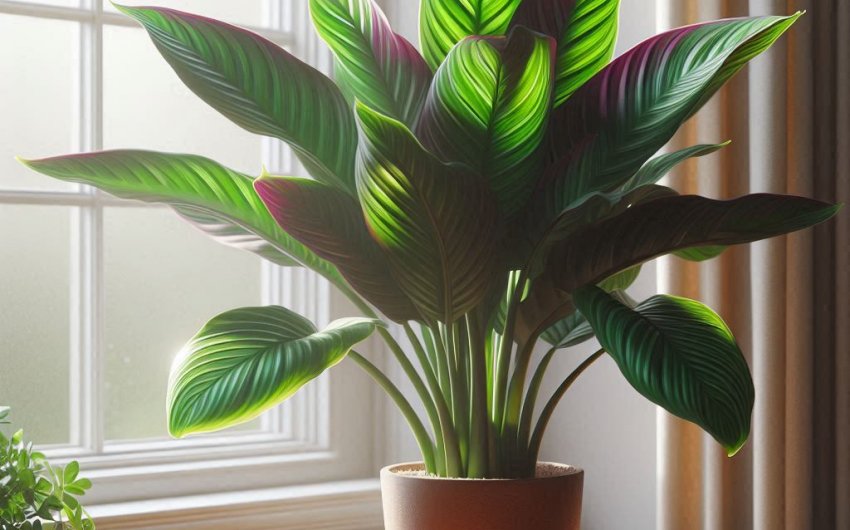
Calathea plants are truly stunning, aren't they? With their incredibly vibrant patterns, bold stripes, and unique ability to move their leaves throughout the day (a phenomenon called "nyctinasty" – they "pray" by folding their leaves up at night and lowering them in the morning), it's no wonder they're a favorite among houseplant lovers. They bring a touch of the exotic, a splash of living art, into any home. But for all their beauty, Calatheas also have a bit of a reputation. Many plant parents find them a little tricky, often labeled as "divas" or "fussy" plants.
The truth is, Calatheas aren't that difficult once you understand their basic needs. And out of all their preferences, light conditions are perhaps the most critical factor to get right. Give a Calathea too much sun, and its beautiful leaves can scorch and fade. Give it too little, and its vibrant patterns might dull, and growth will slow. Finding that sweet spot with light is like unlocking the secret to a happy, thriving Calathea. Let's dive deep into understanding what kind of light makes these "prayer plants" truly flourish and how you can provide it in your home.
Where Do Calathea Plants Naturally Grow?
To understand what a Calathea prefers in your home, it helps to know where they come from in the wild. Calathea plants are native to the tropical rainforests of South and Central America, particularly in countries like Brazil, Colombia, and Peru. This natural habitat gives us huge clues about their ideal living conditions.
What Is the Natural Habitat of Calathea?
Imagine a lush, dense rainforest. That's the natural home of the Calathea. These plants grow on the forest floor, under the towering canopy of much larger trees.
- Understory Plants: This means they are "understory" plants. They are not exposed to direct, scorching sunlight. Instead, they receive filtered sunlight or dappled light. The tall trees above act like a giant natural diffuser, softening the sun's rays before they reach the Calathea's leaves.
- High Humidity: Rainforests are incredibly humid places. The air is always thick with moisture, and the plants are constantly surrounded by dampness from rain and evaporation. This explains why Calatheas thrive in high humidity in our homes.
- Warm and Consistent Temperatures: Rainforests have stable, warm temperatures year-round, with very little fluctuation. They don't experience cold snaps or frosts.
- Rich, Well-Draining Soil: The forest floor is covered with decaying organic matter, creating a rich, loose, and well-draining soil that's constantly moist but not soggy.
Understanding this natural environment is key to keeping your Calathea happy. When we bring them into our homes, our goal is to mimic these conditions as closely as possible, especially when it comes to light, humidity, and warmth.
How Does Their Natural Habitat Influence Their Light Needs?
The Calathea's rainforest origins directly dictate its preference for specific light conditions in your home.
- Sensitivity to Direct Sun: Because they naturally grow on the forest floor, Calatheas have not evolved to handle direct sunlight. Their leaves are delicate and can easily scorch or get sunburnt if exposed to harsh, unfiltered sun. Think of their beautiful, often thin leaves – they just aren't built to withstand intense sun exposure.
- Preference for Bright, Indirect Light: The "dappled" or "filtered" light of the rainforest translates directly to a need for bright, indirect light in your home. This means they need a good amount of light to photosynthesize (make food), but that light should never be hitting their leaves directly.
- Fading Patterns: The vibrant patterns and colors on Calathea leaves are also influenced by light. Too much direct sun can cause these patterns to fade or bleach out, losing their characteristic vibrancy. Not enough light, and the patterns might appear duller.
- Leaf Movement (Nyctinasty): The "prayer plant" movement is a fascinating adaptation related to light. In their natural habitat, folding their leaves up at night helps reduce water loss and possibly deters nighttime predators. During the day, they unfurl to capture as much of the filtered light as possible. This daily movement is a clear sign that light levels affect their behavior. If your Calathea isn't "praying" as actively, it might be a subtle hint about its light conditions.
So, when you think about where to place your Calathea, always remember its rainforest roots: lots of diffused light, never direct sun, and high humidity. Get the light right, and you're well on your way to a thriving Calathea.
What Type of Light Is Best for Calathea Plants?
When it comes to Calatheas, understanding the nuances of "indirect light" is critical. It's not just about avoiding direct sun; it's about finding that sweet spot where they get enough brightness without being overwhelmed.
Do Calatheas Like Bright Indirect Light?
Yes, absolutely! Bright, indirect light is the gold standard for Calathea plants. This is the optimal light condition where they will truly flourish, display their most vibrant colors, and exhibit their characteristic "prayer plant" movement.
- What it means: Bright, indirect light means the plant is in a very well-lit area, but the sunlight itself never directly touches the leaves. The light is diffused, softened, or bounced off other surfaces.
- How to achieve it:
- Near a North-Facing Window: In the Northern Hemisphere, a north-facing window typically provides consistent, bright indirect light throughout the day. It gets very little to no direct sun.
- Set Back from an East-Facing Window: An east-facing window gets gentle morning sun. Placing your Calathea a few feet away from an east-facing window will usually give it lovely, indirect light for the rest of the day.
- Filtered Light from South or West-Facing Windows: South and west-facing windows provide the strongest, most intense light. You can place a Calathea near these windows, but you must provide a filter. This could be sheer curtains, blinds, or even placing the plant behind another, taller plant that blocks the direct rays.
- Under a Skylight or Light Tube: If you have a room with a skylight or a light tube, a spot underneath it often provides excellent diffused bright light.
- Bright Room, Away from Windows: In a very bright room, you might find a good spot a few feet away from any window where the light is strong but clearly indirect.
When your Calathea is receiving bright, indirect light, you'll notice its colors are vibrant, new leaves are consistently emerging, and it actively moves its leaves throughout the day. This is the condition that mimics its rainforest understory home most accurately.
Can Calatheas Tolerate Low Light Conditions?
While Calatheas definitely prefer bright, indirect light, they can tolerate low light conditions to a certain extent. However, "tolerate" doesn't mean "thrive."
- What happens in low light:
- Dull Colors: The most noticeable effect of insufficient light is that the beautiful, intricate patterns and vibrant colors on their leaves will begin to fade or appear duller. The plant might lose some of its visual appeal.
- Leggy Growth: The plant might become "leggy," meaning the stems stretch out with leaves spaced farther apart, as it tries to "reach" for more light.
- Slowed Growth: Overall growth will significantly slow down. You'll see fewer new leaves emerging, and they might be smaller than usual.
- Reduced "Prayer" Movement: The classic leaf movement might become less pronounced or even stop entirely.
- Considerations:
- "Low light" for a Calathea is still brighter than "low light" for some truly low-light tolerant plants (like a ZZ plant or snake plant). It means a spot where you can easily read a book during the day without artificial light.
- If your Calathea is in low light, you'll also need to adjust your watering. Plants in lower light use less water, so overwatering becomes an even bigger risk.
- It's generally not recommended to keep a Calathea in very low light for extended periods if you want it to look its best and stay healthy.
If you find your Calathea is stuck in a low-light spot, consider supplementing with a grow light (more on this later) to provide the necessary brightness. It's always better to provide more light than less, as long as it's indirect.
Can Calatheas Tolerate Direct Sun?
No, absolutely not! Calatheas cannot tolerate direct sun – it is one of the quickest ways to damage and stress your plant. Remember their rainforest origins: they are understory plants, accustomed to dappled, filtered light.
What happens with direct sun:
- Scorched or Burnt Leaves: The most immediate and obvious sign of too much direct sun is leaf scorching or sunburn. You'll see brown, crispy patches (often starting as white or faded spots) appearing on the leaves. These burnt areas will not recover.
- Fading Colors: Even if the leaves don't immediately burn, prolonged exposure to direct sun will cause the vibrant patterns and colors to fade, bleach out, or look washed out. The plant loses its aesthetic appeal.
- Curling Leaves: As a defense mechanism, Calathea leaves might curl or roll up tightly when exposed to too much direct light. This is their way of trying to protect their delicate surfaces from the intense sun.
- Stressed Plant: Overall, the plant will become very stressed, leading to stunted growth, increased vulnerability to pests, and eventually, decline.
Types of direct sun to avoid:
- Hot afternoon sun: This is the most damaging. Avoid placing your Calathea in direct afternoon sun from a west-facing window, especially during summer months.
- Direct morning sun: While less intense than afternoon sun, even direct morning sun from an east-facing window can be too much for some Calathea varieties, especially if it hits the leaves for extended periods. It's usually safer to set the plant back a few feet from an east window.
- Direct sun from south-facing windows: Southern exposure is the strongest throughout the day. A Calathea placed directly in front of an unfiltered south window will almost certainly get burnt.
Always err on the side of caution with Calatheas and direct sunlight. It's far easier to recover from slightly too little light than from severe sunburn. Filters, strategic placement, and careful observation are your best tools.
How Do I Provide the Right Light for My Calathea?
Now that you understand what kind of light Calatheas prefer (and what they definitely don't!), let's talk about practical ways to give your plant exactly what it needs in your home.
How to Choose the Best Window for Your Calathea
The direction your windows face is the first and most important consideration for placing your Calathea.
- North-Facing Window (Northern Hemisphere):
- Ideal Choice: This is often the safest and best window for a Calathea. North-facing windows provide consistent, bright, indirect light throughout the day, with very little to no direct sun.
- Placement: You can usually place your Calathea right on the windowsill or very close to a north-facing window without worry.
- East-Facing Window:
- Good Option with Caution: East-facing windows get gentle morning sun. This can be perfect for Calatheas if the direct sun only lasts for an hour or two and isn't too intense.
- Placement: Consider placing your Calathea a few feet back from an east-facing window, especially if the morning sun in your area is particularly strong or if your plant shows any signs of stress. Observing your plant is key here.
- South-Facing Window:
- Use with Caution and Filtration: South-facing windows receive the strongest and most prolonged direct sunlight throughout the day.
- Placement: Never place a Calathea directly on a south-facing windowsill without heavy filtration. You'll need sheer curtains, blinds, or to place the plant several feet back from the window, out of the direct sun's path. Ensure there's no direct sun touching the leaves at any point in the day.
- West-Facing Window:
- Most Challenging, Use with Heavy Filtration: West-facing windows receive intense, hot afternoon sun. This is the most problematic light for Calatheas.
- Placement: Similar to a south-facing window, you absolutely need sheer curtains or blinds to filter the light. Placing the plant well back into the room, where it only receives ambient, indirect light, is often the safest bet. You might even consider this window unsuitable for Calatheas unless you can guarantee no direct sun exposure.
Always remember that light intensity changes with the seasons and even the time of day. What's perfect in winter might be too much in summer. Observe your plant regularly!
Using Sheer Curtains or Blinds for Filtered Light
Even if you don't have ideal north or east-facing windows, you can still create the perfect light conditions for your Calathea by using simple window treatments.
- Sheer Curtains: These are your best friend for south or west-facing windows. A lightweight, white or light-colored sheer curtain will effectively diffuse harsh direct sunlight, transforming it into the soft, indirect light that Calatheas love. They still allow plenty of brightness to enter the room.
- Blinds: Adjustable blinds (vertical or horizontal) also work well. You can angle the slats to block direct sun while still allowing ambient light to fill the room. This gives you excellent control over the light intensity throughout the day.
- Window Films: You can also apply specialized window films for plants that diffuse light or block UV rays, providing a more permanent solution for problematic windows.
- Strategize Placement: Combine filtration with placement. Even with sheer curtains, a plant directly on a south-facing windowsill might still get too much intense light. Place it a little further back into the room to ensure the light is truly indirect.
These simple solutions are inexpensive and very effective at protecting your Calathea from harmful direct sun while ensuring it still gets the brightness it needs.
Using Grow Lights for Calathea Plants
If your home doesn't offer naturally bright, indirect light, or if you want to give your Calathea a boost, especially during darker winter months, grow lights are an excellent solution. They allow you to provide the perfect light spectrum and intensity regardless of your natural light conditions.
- Why use grow lights?
- Supplement Low Natural Light: If your home is generally dim, a grow light can provide the necessary intensity for your Calathea to thrive.
- Year-Round Consistency: Ensures your plant gets consistent light, even on cloudy days or during short winter days.
- Boost Growth and Color: Adequate grow light exposure can encourage bushier growth and maintain vibrant leaf patterns.
- Place Plants Anywhere: You're not restricted to only window spots; you can place your Calathea in an otherwise dim corner and provide all its light needs with a grow light.
- Types of Grow Lights for Calatheas:
- LED Grow Lights: These are the most energy-efficient, long-lasting, and popular choice for houseplants. Look for full-spectrum LEDs.
- Fluorescent Grow Lights (e.g., T5 or T8 bulbs): Also good for Calatheas. They produce diffuse light and aren't overly intense.
- Key Considerations for Grow Lights:
- Full Spectrum: Choose a "full spectrum" LED grow light. This means it mimics natural sunlight and provides all the necessary wavelengths for plant growth.
- Intensity: Calatheas prefer medium light intensity. Avoid very powerful grow lights designed for high-light plants unless you can adjust the intensity or place them far away.
- Distance: This is crucial! Most grow light instructions will provide recommended distances. For Calatheas, you'll typically want the light source to be 12-24 inches away from the top of the plant's leaves. If the light is too close, it can still cause scorching, even if it's indirect in nature. Observe your plant; if the leaves look bleached or stressed, move the light further away.
- Duration: Most Calatheas benefit from 10-14 hours of grow light exposure per day. Using an outlet timer for grow lights ensures consistency.
- Heat: Ensure your chosen grow light doesn't produce too much heat. LEDs generally produce very little heat, which is another reason they're ideal for Calatheas.
By strategically using a grow light, you can easily create optimal light conditions for your Calathea, allowing it to thrive and display its stunning beauty even in less-than-ideal natural light environments.
How Do I Read My Calathea's Light Signals?
Your Calathea is an excellent communicator. It will tell you if it's happy with its light conditions – or if it's getting too much or too little. Learning to read these signals is key to keeping your plant thriving.
Signs of Too Much Light on Calathea
When your Calathea is getting too much light, especially direct sun, it will show clear signs of distress. Catching these early can save your plant from severe damage.
- Scorched or Burnt Patches on Leaves: This is the most obvious sign. You'll see crisp, brown, or black patches on the leaves, especially on the parts directly exposed to the sun. These patches feel dry and brittle.
- Faded or Bleached Leaf Colors/Patterns: The vibrant greens, reds, pinks, and whites on the leaves will look dull, washed out, or even bleached to a pale yellow or white. The distinct patterns might become less noticeable. This happens before outright burning.
- Leaf Curling or Rolling: The leaves might curl inwards or roll up lengthwise. This is a defense mechanism the plant uses to reduce the surface area exposed to intense light, trying to protect itself.
- Crispy Edges/Tips (combined with other signs): While crispy edges can also be a sign of low humidity, if they appear along with faded colors or scorched spots, it strongly indicates too much light is drying out the leaf tissue.
- Stunted Growth: Overall growth might slow down or stop completely as the plant is stressed from light intensity.
- Loss of "Prayer" Movement: The leaves might remain mostly flat or even slightly droopy, losing their characteristic daily movement.
What to do: If you see any of these signs, move your Calathea immediately to a spot with less intense, more indirect light. If it was near a window, move it further back or add sheer curtains/blinds. If under a grow light, move the light further away or reduce its intensity/duration.
Signs of Too Little Light on Calathea
While not as immediately damaging as too much sun, insufficient light will also cause your Calathea to decline over time.
- Dull or Fading Leaf Colors/Patterns: Similar to too much light, but the fade will be more generalized, and the colors won't look "bleached" but rather just less vibrant and rich. The contrast between colors might lessen.
- Leggy Growth: The stems will stretch out, and the leaves will be spaced farther apart along the stem. The plant is literally "reaching" for more light. This results in a sparse, less attractive plant.
- Slowed or Stagnant Growth: Your plant won't produce many new leaves, or the new leaves will be noticeably smaller than previous ones.
- Reduced "Prayer" Movement: The leaves might not fold up as much at night or lower themselves fully during the day. They might stay in a more static position.
- Yellowing of Lower Leaves (without other issues): While yellowing can be due to many things (especially overwatering), if it's just the older, lower leaves turning yellow and falling off, and no signs of rot, it can be the plant sacrificing older growth due to lack of energy from insufficient light.
What to do: If your Calathea is showing signs of too little light, move it to a brighter spot with more ambient, indirect light. This could mean closer to an appropriate window, or supplementing with a full-spectrum LED grow light. Remember to adjust your watering, as plants in lower light use less water.
What Does a Happy Calathea Look Like?
A happy Calathea is truly a sight to behold, and it will clearly tell you it's thriving in its light conditions.
- Vibrant, Rich Leaf Colors and Patterns: The colors on the leaves will be bold, clear, and true to the variety. The patterns will stand out distinctly.
- Bushy, Compact Growth: The plant will grow compactly with leaves relatively close together, indicating it's getting enough light without stretching.
- Consistent New Growth: You'll see a steady emergence of new leaves, unfurling beautifully from the center of the plant. These new leaves will be a good size, comparable to mature leaves.
- Active "Prayer" Movement (Nyctinasty): The leaves will noticeably fold upwards at night and lower during the day. This is a very strong indicator of a happy Calathea that's responding well to its light cycles.
- Overall Healthy Appearance: The leaves will be firm (not droopy or limp, unless it's thirsty), free from brown spots or yellowing (unless it's an old leaf naturally dying), and generally robust.
By understanding what to look for and listening to your Calathea's silent language, you can fine-tune its light conditions and ensure it flourishes, bringing its unique beauty to your home for years to come. Remember, providing optimal light is one of the biggest steps toward becoming a successful Calathea parent!