
How to Choose Lightweight Aluminum Furniture for Easy Garden Setup?
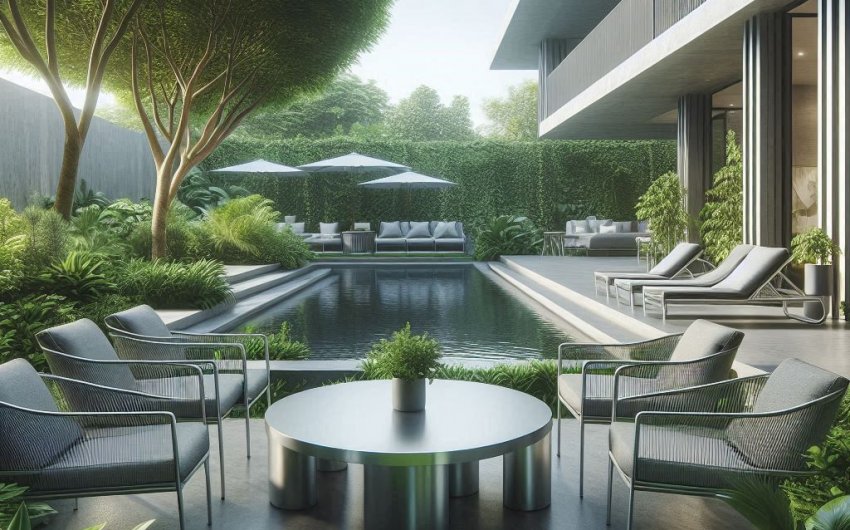
Creating a flexible and effortlessly changeable outdoor living space often begins with the right furniture choices. When aiming for an easy garden setup that allows for frequent rearrangements or seasonal storage, lightweight aluminum furniture emerges as an exceptional solution. Its inherent portability, combined with remarkable durability, makes it an ideal material for anyone seeking convenience without sacrificing style. This guide will walk you through the essential considerations for selecting aluminum pieces that perfectly balance practicality, aesthetic appeal, and long-lasting performance for your patio or garden.
Why Choose Aluminum Furniture for Your Garden?
Aluminum furniture has rapidly gained popularity as a top choice for outdoor spaces, and for good reason. Its unique properties address many common frustrations associated with other outdoor furniture materials.
What Makes Aluminum a Preferred Material?
Understanding aluminum's inherent characteristics highlights its suitability for various outdoor settings.
How Is Aluminum Lightweight?
Easy to move and rearrange: The most significant advantage of aluminum furniture is its lightweight nature. This makes it incredibly easy to move and rearrange your garden layout as often as you like, without straining your back. Whether you want to chase the sun, create different seating zones for entertaining, or simply tidy up for mowing, aluminum's portability is unmatched. A lightweight patio chair can be effortlessly moved.
Ideal for seasonal storage: When the outdoor season ends, lightweight aluminum furniture is a breeze to handle for seasonal storage. You can easily carry it into a garage, shed, or basement, protecting it from harsh winter weather, which significantly extends its lifespan. Many aluminum pieces are also stackable or foldable for compact storage.
No heavy lifting required: For individuals who struggle with heavy lifting, or for frequent furniture rearrangement, aluminum offers a welcome alternative to bulkier materials like wrought iron or solid wood.
Advertisement
How Is Aluminum Rust-Resistant?
Natural resistance to rust/corrosion: Unlike iron or steel, aluminum naturally resists rust and corrosion. This is because when aluminum is exposed to air, it forms a thin, protective layer of aluminum oxide on its surface. This layer prevents further oxidation and damage, even in wet environments. This makes it ideal for humid climates or areas near saltwater.
Great for humid climates/coastal areas: Its inherent rust resistance makes aluminum furniture particularly well-suited for humid climates and coastal areas, where salt spray and high moisture levels would quickly degrade other metals. You won't have to worry about unsightly rust stains on your patio.
Low maintenance: The rust-resistant property of aluminum means less maintenance for you. You won't need to constantly monitor for rust spots, sand them down, prime, or repaint.
What Are Aluminum's Other Durability Features?
Strong and sturdy: Despite being lightweight, aluminum is surprisingly strong and sturdy. Modern aluminum furniture often features hollow, yet robust, frames that provide excellent support and stability.
Weather-resistant: High-quality aluminum furniture is generally very weather-resistant. It can withstand rain, sun (UV rays), and temperature fluctuations without warping, cracking, or becoming brittle.
Long lifespan: With minimal care, aluminum furniture can have a very long lifespan, often lasting for decades, making it a sustainable choice that reduces waste over time.
What Are the Aesthetic and Design Advantages?
Aluminum furniture offers a versatile aesthetic that can complement a variety of garden styles.
Modern and sleek appearance: Aluminum often has a modern and sleek appearance, characterized by clean lines and minimalist designs. This makes it a popular choice for contemporary outdoor spaces.
Versatile finishes (powder-coated, brushed, polished): While naturally silver-gray, aluminum furniture can be finished in a variety of ways to suit any decor:
- Powder-coated: This is the most common finish. A dry powder is electrostatically applied and then cured under heat, creating a durable, chip-resistant, and colorful finish in almost any hue (black, white, bronze, etc.). A powder-coated aluminum patio set offers great durability.
- Brushed or polished: Some aluminum pieces are left with a natural brushed or polished metallic look for a contemporary industrial feel.
Blends with various garden styles: Its clean lines and adaptable finishes allow aluminum furniture to blend seamlessly with various garden styles, from ultra-modern minimalist patios to more traditional gardens where it can offer a subtle contrast. It can be paired with teak, wicker, or cushions for added warmth.
How Do I Select the Right Lightweight Aluminum Furniture?
Choosing the best lightweight aluminum furniture involves more than just picking a style. Quality construction and smart features will ensure longevity and ease of use.
What Construction Quality Should I Look For?
Not all aluminum furniture is created equal. Quality construction is paramount for durability.
What Are Key Indicators of Quality Aluminum?
Powder-coated finish: Prioritize powder-coated aluminum. This finish adds a protective layer that is much more durable, chip-resistant, and fade-resistant than standard liquid paint. It's key for preventing minor scratches that could expose the raw metal, even though aluminum doesn't rust like steel.
Welded vs. bolted frames:
- Fully welded frames: These are generally considered the highest quality. Welded joints are stronger, more stable, and less likely to loosen over time. They offer superior durability and often provide a sleeker look.
- Bolted or assembled frames: While more affordable, bolted frames can loosen over time and may require periodic tightening. If choosing bolted, ensure the hardware is high-quality (stainless steel) and the connections are robust.
Gauge/thickness of aluminum: Though lightweight, good quality aluminum furniture will have a decent gauge or thickness to its tubing. Thinner, flimsy tubing can dent or bend easily. While you won't always see specifications, a quick "feel test" for sturdiness can help.
Hardware materials (stainless steel): If there are any nuts, bolts, or screws, ensure they are made of stainless steel. Other metals can rust and stain your furniture or patio surface.
How Do I Inspect Joints and Finishes?
Smooth, consistent welds: On welded frames, look for smooth, consistent welds with no visible gaps or rough spots. Poor welds can indicate weak points.
Even, chip-free powder coat: Examine the powder-coated finish carefully. It should be even, smooth, and free of chips, bubbles, or scratches. Any imperfections can lead to premature wear.
Stability test: Gently try to wiggle or rock the furniture to test its stability. It should feel solid and not wobble.
What Functionality and Features Are Important?
Beyond basic design, certain features enhance the ease of use and versatility.
Stackable chairs: For easy storage and quick cleanup, stackable chairs are invaluable. They minimize the footprint when not in use. A set of stackable patio chairs is practical for entertaining.
Folding tables/chairs: Similar to stackable, folding tables and chairs are perfect for maximizing space in smaller gardens. They can be quickly set up for use and folded away for storage. A folding outdoor table is a versatile option.
Adjustable components (chairs, umbrellas): Look for chairs with adjustable recline or tables with adjustable heights for added comfort and versatility. If choosing an umbrella, ensure it has a robust tilt mechanism and easy opening/closing.
Removable/washable cushions: For easy maintenance and extended lifespan, choose furniture with removable cushions that have washable covers. This allows for easy cleaning and indoor storage of cushions when not in use.
What About Style and Aesthetics?
Lightweight aluminum furniture doesn't mean sacrificing design.
Complementing garden style: Choose a style that complements your garden's aesthetic. Aluminum furniture ranges from sleek modern and minimalist to more traditional looks with intricate castings.
Color schemes: Consider the color scheme of your existing outdoor decor or garden plants. Black, white, gray, and bronze are common and versatile powder coat colors for aluminum.
Combining with other materials: Aluminum often pairs beautifully with other materials.
- Wood accents: Aluminum frames with teak or acacia wood accents can add warmth and natural appeal.
- Woven elements: Aluminum frames are often used as the base for synthetic wicker or rattan furniture, combining the lightweight frame with a textured, classic look.
- Sling fabrics: Aluminum chairs with sling fabrics (mesh-like material) offer a modern, quick-drying seating solution. A sling patio chair is comfortable without cushions.
How Do I Set Up My Garden with Lightweight Aluminum Furniture?
The inherent lightness of aluminum makes arrangement and reorganization a breeze, offering unparalleled flexibility in your garden setup.
How Do I Plan My Layout for Easy Setup?
Leverage aluminum's portability to design a flexible and inviting outdoor space.
What Are Flexible Seating Arrangements?
Create zones: Even in a small garden, you can create different zones with lightweight aluminum furniture. A small bistro set for morning coffee, and a couple of lightweight armchairs that can be moved to a sunny spot for reading.
Dynamic layouts: Embrace the idea of dynamic layouts. Don't feel locked into one arrangement. Aluminum allows you to easily change your setup for entertaining, relaxation, or simply to follow the shade.
Consider traffic flow: Always ensure there's ample room for traffic flow around your furniture. Lightweight pieces can be easily shifted if they accidentally block a pathway.
How Do I Maximize Space?
Vertical integration: Combine your lightweight furniture with vertical gardening solutions. Place stacked planters or wall-mounted herb gardens around your seating area to maximize greenery without cluttering the ground.
Small footprint pieces: Select furniture with a small footprint. Bistro sets, slender chairs, and compact side tables are ideal for squeezing into tight spots. A small balcony table is invaluable.
Utilize corners: Don't forget corners! A small corner bench or a compact chair can turn an unused nook into a cozy seating area.
How Do I Integrate Furniture with the Garden?
Blending your furniture seamlessly with your plants and landscape design enhances the overall aesthetic.
Softening with plants: Use plants to soften the lines of metal furniture. Place potted plants next to chair legs, or let cascading plants trail over the edges of planters near your seating area.
Natural color palette: Choose aluminum furniture with powder-coated finishes in natural, earthy tones (e.g., forest green, charcoal gray, bronze, white). These colors blend harmoniously with garden greens and browns, creating a cohesive look.
Strategic shading: Position furniture where it can benefit from natural shade from trees or pergolas during the hottest parts of the day. This makes the seating area more comfortable and protects the furniture from constant UV exposure.
Adding textiles: Incorporate outdoor cushions, throw pillows, and rugs to add comfort, color, and texture. These can be easily changed seasonally to refresh the look. Choose cushions with fade-resistant fabrics like outdoor Sunbrella fabric cushions for longevity.
How Do I Maintain Lightweight Aluminum Furniture?
While aluminum is low maintenance, a few simple steps will keep it looking pristine for years.
What Is the Basic Cleaning Routine?
Regular cleaning prevents grime buildup and keeps your furniture looking fresh.
Wipe down regularly: Wipe down your aluminum furniture regularly (e.g., weekly or bi-weekly) with a soft cloth to remove dust, pollen, and light debris.
Mild soap and water for deeper clean: For a more thorough cleaning, wash the furniture with a solution of mild soap (like dish soap) and warm water. Use a soft sponge or cloth to wipe down all surfaces.
Rinse thoroughly and dry: Rinse the furniture thoroughly with clean water to remove all soap residue. Allow it to air dry completely or wipe it down with a soft, dry cloth to prevent water spots.
Avoid harsh chemicals: Never use abrasive cleaners, scouring pads, or harsh chemicals (like bleach or strong degreasers) on powder-coated aluminum. These can scratch the finish or damage the coating.
How Do I Protect During Off-Season?
Proper winterization is crucial for maximizing lifespan.
Clean and dry thoroughly: Before storing your aluminum furniture for the off-season, give it a thorough cleaning and ensure it is completely dry. Any trapped moisture can cause issues.
Store indoors (preferred): The best protection is indoor storage in a garage, shed, or basement. Aluminum's lightweight nature makes this easy.
Use high-quality covers (if outdoors): If indoor storage isn't possible, use high-quality, waterproof, and breathable furniture covers that fit properly and can be secured against wind. This will protect against snow, ice, and freezing rain.
Store cushions indoors: Always bring cushions and fabric elements indoors for winter storage in a dry, well-ventilated area to prevent mold, mildew, and pest damage.
What About Minor Repairs and Longevity Tips?
Even durable materials benefit from a little preventative care.
Check fasteners periodically: While aluminum frames are often welded, some pieces may have bolted connections. Periodically check all nuts, bolts, and fasteners to ensure they are tight. Use stainless steel hardware if replacing.
Touch up scratches: While a powder coat is durable, deep scratches can occur. You can typically find touch-up paint kits or pens in matching colors from the furniture manufacturer. Address scratches promptly to maintain the finish.
Use furniture glides: If your furniture doesn't come with them, add furniture glides or caps to the bottom of the legs. This protects the furniture from direct contact with abrasive surfaces (like concrete), prevents scratching your patio, and keeps the bottom of the legs dry.
Consider non-slip mats: If you find very lightweight aluminum furniture moves too easily in strong winds, consider placing non-slip rubber mats under the feet for added stability.
Selecting lightweight aluminum furniture for your garden simplifies the setup process, offering unparalleled ease in moving and rearranging your outdoor space. By prioritizing quality construction with durable powder-coated finishes, choosing versatile designs with stackable or folding features, and adhering to simple cleaning and off-season storage routines, you're investing in more than just furniture. You're ensuring a flexible, long-lasting, and effortlessly adaptable outdoor living area that perfectly suits your dynamic lifestyle and enjoys years of comfort and style.