
Solar-Powered Furniture: The Future of Eco-Friendly Garden Seating
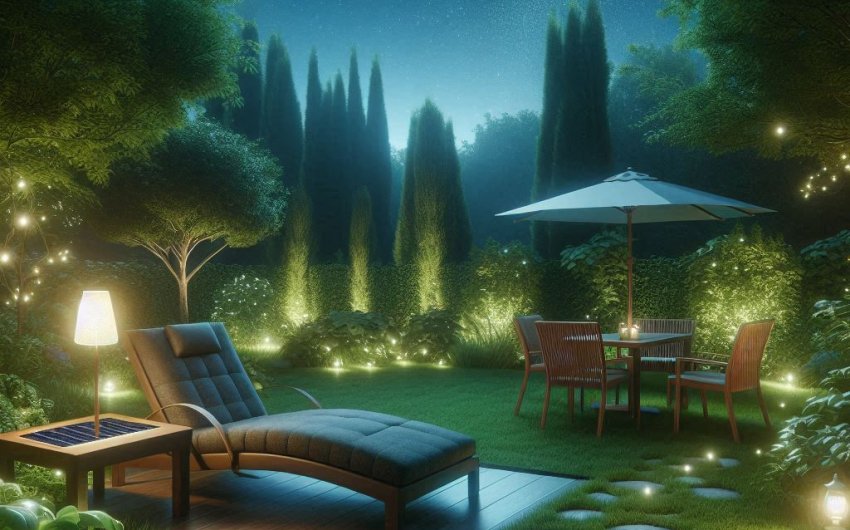
Embracing solar-powered furniture represents an innovative leap towards sustainable outdoor living, seamlessly blending functionality with environmental consciousness. This cutting-edge category of outdoor furnishings harnesses the sun's energy to provide light, charge devices, and even offer heating or cooling, transforming your garden or patio into a truly self-sufficient oasis. As technology advances, these intelligent pieces are rapidly becoming the cornerstone of eco-friendly garden seating, promising convenience and a reduced carbon footprint for contemporary outdoor spaces.
What is Solar-Powered Furniture?
Solar-powered furniture integrates photovoltaic technology directly into its design, allowing it to capture sunlight and convert it into usable electricity. This stored energy then powers various integrated features, eliminating the need for external power outlets or disposable batteries. It represents a significant step towards creating off-grid, self-sustaining outdoor environments, blending innovative technology with practical utility.
How Does Solar Furniture Work?
At its core, solar-powered furniture operates on the principle of the photovoltaic effect.
- Solar Panels: Small, discreet solar panels (often made of monocrystalline or polycrystalline silicon, similar to larger rooftop solar panels but scaled down) are built into the surface or structure of the furniture. These panels absorb sunlight.
- Energy Conversion: When sunlight hits the solar panels, it excites electrons within the silicon material, generating a direct current (DC) electricity.
- Battery Storage: This DC electricity is then fed into a rechargeable battery, typically a lithium-ion battery due to its efficiency and longevity. The battery stores the collected energy for later use, ensuring the furniture's features can operate even when the sun isn't shining.
- Powering Features: When needed, the stored energy is drawn from the battery to power integrated functionalities such as LED lighting, USB charging ports, cooling fans, or even small heating elements. A built-in controller manages the charging and discharging processes to protect the battery and ensure efficient operation.
What Makes it Eco-Friendly?
The primary eco-friendly aspect of solar-powered furniture is its reliance on a renewable energy source—the sun.
- Reduced Carbon Footprint: By using solar energy, these pieces eliminate the need for electricity from the grid, which often comes from fossil fuel power plants, thereby reducing greenhouse gas emissions. They also diminish the reliance on disposable batteries, which contribute to landfill waste.
- Energy Independence: They operate autonomously, requiring no external wiring or plugs, which simplifies installation and reduces energy consumption.
- Sustainable Materials: Many manufacturers of solar-powered furniture also commit to using sustainable and recycled materials in the construction of the furniture itself, such as recycled plastics, reclaimed wood, or durable composites, further enhancing their environmental credentials. This holistic approach makes them truly eco-friendly garden seating options.
What Are the Benefits of Solar-Powered Furniture?
Beyond its environmental advantages, solar-powered furniture offers a host of practical benefits that enhance convenience, functionality, and the overall enjoyment of your outdoor spaces. Its integrated features add value and sophistication to any garden or patio.
Convenience and Functionality
The built-in features of solar-powered furniture provide unparalleled ease of use.
- Cord-Free Operation: The most obvious benefit is the absence of cumbersome cords and the need for outdoor outlets. This offers unparalleled flexibility in placement; you can arrange your furniture anywhere in your garden without worrying about power access. This makes it perfect for open lawns, patios far from the house, or even temporary event setups.
- Integrated Lighting: Many pieces feature built-in LED lighting, which automatically illuminates at dusk, providing ambient light for evening gatherings without the need for separate solar garden lights. This integrated lighting is often subtle and enhances the aesthetics of the furniture itself.
- Device Charging: USB charging ports are a common and highly valued feature, allowing you to charge smartphones, tablets, or other small electronic devices while relaxing outdoors. This is a game-changer for staying connected without interrupting your outdoor leisure.
- Heating and Cooling Options: Some advanced models incorporate subtle heating elements for chilly evenings or small fans for hot days, extending the comfortable use of your outdoor space across different seasons and weather conditions.
Durability and Low Maintenance
Designed for outdoor use, solar-powered furniture is built to withstand the elements while requiring minimal upkeep.
- Weather-Resistant Materials: Manufacturers typically use high-quality, weather-resistant materials such as treated woods, powder-coated aluminum, UV-stabilized plastics (like polyethylene wicker), or durable composites. These materials resist fading, rust, and degradation from sun, rain, and temperature fluctuations.
- Enclosed Components: The solar panels, batteries, and electronics are usually well-sealed and protected from moisture and dust, ensuring longevity.
- Minimal Upkeep: Beyond occasional cleaning to remove dirt or debris from the solar panels (to ensure optimal charging), these pieces require little maintenance compared to traditional furniture that might need cushions stored or covers applied frequently. Their self-sustaining nature further reduces the need for human intervention.
Aesthetic Appeal and Modern Design
Solar-powered furniture is not just about technology; it's also about elevating outdoor aesthetics.
- Sleek Integration: The solar panels and electronic components are often seamlessly integrated into the furniture's design, creating a clean, modern, and uncluttered look. They don't look like clunky gadgets but rather sophisticated pieces of furniture.
- Variety of Styles: As the market grows, so does the range of designs. You can find solar-powered furniture in various styles, from minimalist and contemporary to more traditional or rustic, allowing it to blend with any outdoor decor theme.
- Enhanced Ambiance: The integrated lighting creates a warm and inviting atmosphere, eliminating the need for external wires and separate light fixtures, which contributes to a more polished and tranquil outdoor setting.
What Types of Solar-Powered Furniture Are Available?
The market for solar-powered furniture is expanding rapidly, offering a diverse range of products to suit various outdoor needs and aesthetic preferences. From individual pieces to comprehensive outdoor living sets, you can find a solar-powered solution for almost any seating or accent requirement.
Solar-Powered Seating Options
Seating is one of the most popular categories for solar-powered furniture, offering comfortable places to relax with added functionality.
- Benches: A common application, solar benches often feature integrated LED lighting along the underside or armrests, providing ambient illumination. Some advanced models may include discreet charging ports or even small cooling fans. These are ideal for patios, gardens, or public spaces. Look for solar benches with LED lights.
- Chairs and Loungers: Individual solar chairs or loungers can offer personal charging stations or built-in reading lights. Imagine relaxing on a solar-powered lounge chair by the pool, charging your e-reader without needing an extension cord.
- Sectionals and Sofas: For larger outdoor living areas, modular solar-powered sectionals can provide extensive seating with integrated lighting and charging capabilities across multiple pieces, creating a truly connected outdoor lounge.
Solar-Powered Tables and Accent Pieces
Beyond seating, solar technology is being cleverly incorporated into other outdoor furnishings to enhance utility.
- Coffee Tables and Side Tables: These are perfect candidates for solar integration. A solar coffee table might have a built-in light panel on its underside or along its edges for gentle illumination, along with hidden USB ports. Solar side tables often function as smaller charging hubs for individual seating areas. Many solar accent tables with charging ports are available.
- Planters with Integrated Lighting: While not seating, solar-powered planters are an excellent example of functional decor. They feature built-in solar panels that power internal LED lights, illuminating your plants at night and adding a warm glow to your patio.
- Outdoor Bars and Serving Carts: Some higher-end pieces might include integrated solar panels to power subtle lighting for entertaining or even small, battery-operated coolers or beverage dispensers, making outdoor gatherings even more convenient.
Specialized Solar-Powered Furniture
Innovation is pushing the boundaries of what solar-powered furniture can offer.
- Smart Furniture: The newest generation of solar-powered furniture is incorporating smart technology. This can include motion sensors for lighting, ambient light sensors that automatically turn lights on at dusk, or even Bluetooth connectivity to monitor battery levels via a smartphone app. Some might even have built-in speakers.
- Heated/Cooled Furniture: Although less common and typically higher-end, some prototypes and premium models feature subtle heating elements in seats or small cooling fans to enhance comfort in various temperatures, powered by the integrated solar energy.
- Umbrellas with Solar Chargers: While not strictly "furniture," many outdoor umbrellas now come with integrated solar panels on top, powering LED lights on the underside of the canopy and even USB charging ports on the pole. This allows you to stay cool and charged under the shade. Consider a solar umbrella with LED lights and charging.
How Do You Choose the Right Solar-Powered Furniture?
Selecting the ideal solar-powered furniture involves considering several factors to ensure it meets your needs, complements your outdoor space, and provides reliable performance. From the quality of its components to its overall design, a thoughtful approach will lead to a satisfying purchase.
Consider Solar Panel Efficiency and Battery Capacity
These are the core components that dictate the furniture's performance.
- Panel Type and Size: Look for monocrystalline solar panels if efficiency in smaller sizes is a priority, as they convert more sunlight into electricity per square inch. Polycrystalline panels are also common and effective. Larger panel surfaces generally mean faster and more consistent charging.
- Battery Type and Capacity (mAh/Wh): A lithium-ion battery is preferred for its durability, charge cycles, and ability to hold a charge longer. The battery's capacity, often measured in milliampere-hours (mAh) or watt-hours (Wh), determines how long the integrated features (like lights or charging ports) can operate on a full charge. Higher capacity means longer runtime. If you plan to use charging ports frequently, prioritize a higher battery capacity.
Assess Durability and Weather Resistance
Since this furniture lives outdoors, its ability to withstand the elements is crucial.
- Frame Material: Look for frames made from materials like powder-coated aluminum (rust-resistant), stainless steel, or durable, weather-treated wood (like teak or cedar). All-weather wicker made from HDPE (high-density polyethylene) is also highly durable.
- UV Resistance: Ensure any plastic or fabric components are UV-stabilized to prevent fading, cracking, or degradation from prolonged sun exposure.
- Waterproof/Weatherproof Rating: Check if the electronic components (solar panels, battery housing, charging ports) have an IP (Ingress Protection) rating, indicating their resistance to dust and water. An IPX4 rating or higher is generally good for outdoor furniture, meaning it can withstand splashes.
Evaluate Functionality and Features
Determine which integrated features are most important for your outdoor lifestyle.
- Lighting: Consider the brightness (lumens), color temperature (warm vs. cool white), and duration of the integrated LED lights. Do they have automatic dusk-to-dawn sensors?
- Charging Ports: How many USB ports are available? What type (USB-A, USB-C)? Is the charging speed adequate for your devices?
- Additional Features: Are there any other features that appeal to you, such as built-in speakers, cooling fans, or motion sensors? Weigh their utility against the overall cost.
Consider Design and Aesthetics
Solar-powered furniture should not only be functional but also enhance your outdoor space.
- Style Match: Choose a design that complements your existing outdoor decor and the overall aesthetic of your home and garden. Whether you prefer modern, traditional, rustic, or minimalist, there are options available.
- Comfort: If it's a seating piece, ensure it's comfortable. Check cushion materials, depth, and overall ergonomics. Many come with weather-resistant cushions, but some may need to be stored indoors during inclement weather.
Read Reviews and Check Warranty
Information from other buyers and the manufacturer's guarantee are valuable indicators of product quality.
- Customer Reviews: Look for reviews that specifically mention the performance of the solar features (charging speed, light duration), durability, and customer service.
- Warranty: A good warranty on both the furniture structure and the solar/battery components provides peace of mind. Understand what is covered and for how long.
How Do You Care for Solar-Powered Furniture?
Maintaining your solar-powered furniture is generally straightforward, but a few specific care practices will ensure optimal performance and extend its lifespan. By following these guidelines, you can keep your eco-friendly garden seating in top condition year after year.
Regular Cleaning and Inspection
Keeping your furniture clean and regularly checking its components are essential for its longevity and efficiency.
- Clean Solar Panels: The most crucial aspect of maintenance is keeping the solar panels clean. Dust, dirt, pollen, bird droppings, and debris can accumulate on the panel surface, reducing its ability to absorb sunlight and thus decreasing charging efficiency. Wipe the panels regularly with a soft, damp cloth and mild soap (if necessary). Avoid abrasive cleaners or brushes that could scratch the surface. A simple microfiber cleaning cloth is often sufficient.
- Clean Furniture Frame: Clean the frame and surfaces of the furniture according to the manufacturer's recommendations for its specific material (e.g., wipe down powder-coated aluminum, clean wicker with mild soap and water).
- Inspect Connections: Periodically check any visible wires, connections, or charging ports for corrosion, damage, or loose fittings. Ensure they are clean and dry.
Optimal Placement for Charging
The location of your solar-powered furniture directly impacts its ability to charge efficiently.
- Full Sunlight Exposure: Place the furniture in an area that receives ample direct sunlight throughout the day, especially where the solar panels are located. Avoid shaded areas from trees, buildings, or other structures, as even partial shading can significantly reduce charging output.
- Panel Orientation: If possible, orient the furniture so that the solar panels are facing south (in the Northern Hemisphere) or north (in the Southern Hemisphere) to maximize sun exposure. This might not always be practical with integrated designs, but consider it during initial placement.
Battery Care
Proper battery care is vital for the long-term performance of the integrated features.
- Avoid Deep Discharge: While built-in controllers typically prevent this, try to ensure the battery doesn't completely drain repeatedly, as deep discharges can reduce battery life over time. Allow the furniture to fully charge during sunny days.
- Winter Storage (If Applicable): In colder climates, if the furniture is not designed to withstand freezing temperatures or won't receive enough sunlight for charging, it's best to store it indoors in a cool, dry place during winter. Ensure the battery is fully charged before storing it to maintain its health.
- Battery Replacement: Like all rechargeable batteries, the integrated battery will eventually degrade. Most solar-powered furniture is designed for the battery to be replaceable, allowing you to extend the life of the furniture itself. Consult the manufacturer's instructions for battery type and replacement procedures.
Protection from Extreme Weather
While designed for outdoor use, some protection can extend the life of your furniture, especially in harsh conditions.
- Furniture Covers: During prolonged periods of heavy rain, snow, or extreme heat/cold, covering your solar-powered furniture with a weather-resistant outdoor furniture cover can offer an extra layer of protection for both the frame and the solar components.
- Securing Against Wind: Ensure benches or heavier pieces are stable. Lighter pieces might need to be secured or moved indoors during high winds to prevent damage.
By understanding the technology behind solar-powered furniture and prioritizing its care, you can enjoy the many benefits of this innovative and truly eco-friendly garden seating solution for years to come.