
What Are the Best Strategies for Maintaining a Lawn in a High-Traffic Pet Area?
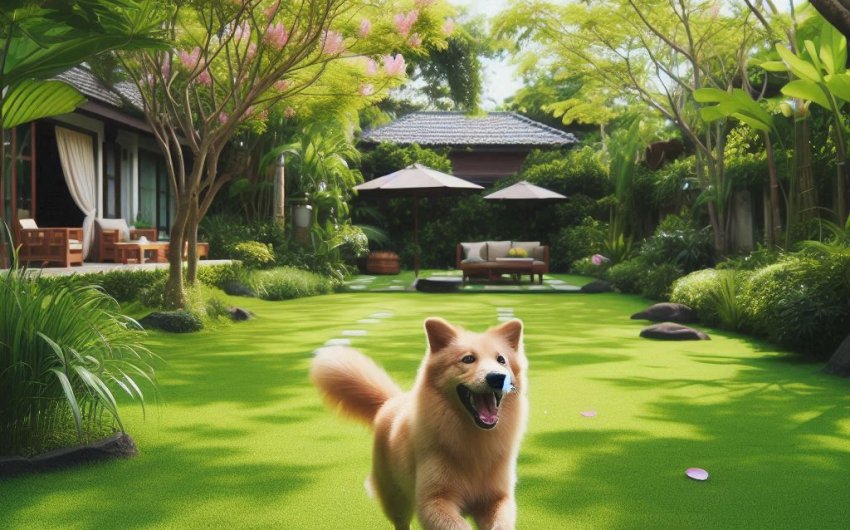
Having a lush, green lawn and a happy, active pet is a dream for many homeowners. However, these two joys can sometimes be at odds! A high-traffic pet area can quickly turn a beautiful lawn into a patch of brown spots, worn-out paths, and muddy messes. The constant running, digging, and especially the potty breaks from our furry friends can take a serious toll on even the toughest grass.
But don't despair! It is absolutely possible to have a thriving lawn even with active dogs. It just requires some strategic planning, smart choices, and consistent effort. This guide will walk you through the best strategies for maintaining a lawn in a high-traffic pet area, helping you create an outdoor space that both you and your four-legged companion can enjoy.
Why Do Pets Damage Lawns?
Understanding the "why" behind the damage helps in finding the right solutions.
How Does Pet Urine Harm Grass?
This is perhaps the most common and frustrating problem for dog owners.
- High Nitrogen Concentration: Dog urine is very high in nitrogen. While nitrogen is a vital nutrient for lawn growth, too much of a good thing can be destructive. Think of it like over-fertilizing a small spot; the excess nitrogen essentially "burns" the grass, leading to brown, dead patches.
- Salt Content: Dog urine also contains salts, which can draw moisture out of the grass blades and roots, further contributing to dehydration and browning.
- The "Halo" Effect: You often see a brown spot with a ring of very dark green grass around it. The brown center is where the grass was "burned" by concentrated nitrogen. The dark green ring is where the urine was diluted enough to act as a fertilizer, causing a growth spurt.
- Female Dogs vs. Male Dogs: Female dogs tend to squat and release their entire bladder in one spot, leading to more concentrated damage. Male dogs often lift their leg and spray smaller amounts over a wider area, which can result in less severe, but more widespread, damage.
How Does Physical Activity Impact the Lawn?
Beyond urine, the sheer athleticism of dogs can take a toll.
- Compaction: Constant running, playing fetch, or repetitive pacing along fences can compact the soil. Compacted soil makes it hard for grass roots to grow and for water and nutrients to penetrate, leading to thin, struggling grass.
- Erosion and Wear: High-traffic pathways, especially near gates or frequently used routes, get worn down, turning into bare earth or mud, especially after rain. Grass blades are simply rubbed away by constant friction.
- Digging: Some dogs are natural diggers, whether it's for boredom, to bury treasures, or to chase underground critters. This creates unsightly holes and can quickly destroy sections of your lawn.
- Mud and Tracking: Bare, worn spots quickly turn to mud in wet weather, which then gets tracked into your house, creating another headache for pet owners.
What Are the Best Grass Types for Pet Areas?
Choosing the right kind of grass is a foundational step for a pet-friendly lawn.
Tough Grasses for High Traffic
Look for grasses known for their durability and ability to recover.
- Tall Fescue: This is often considered one of the best grass types for dogs. It's very durable, tolerates shade, and has a deep root system that makes it more resistant to drought and urine spots. It also germinates relatively quickly, allowing for easier patch repair. You can find Tall Fescue grass seed.
- Ryegrass (Perennial): Perennial Ryegrass is known for its fast germination and establishment, making it great for quick repairs of bare spots. It's also fairly tough, though less drought-tolerant than Tall Fescue. It's often included in high-traffic lawn mixes.
- Kentucky Bluegrass: While beautiful and soft, Kentucky Bluegrass is less durable under constant pet traffic and can be prone to urine spots. However, it has an amazing ability to spread via rhizomes (underground stems), allowing it to repair itself effectively once damage occurs. Often found in lawn seed mixes.
- Bermuda Grass (Warm Season): For warmer climates, Bermuda grass is an excellent choice. It's incredibly durable, recovers quickly from damage (thanks to its aggressive spreading habit), and tolerates heavy use and drought well. It does go dormant and turn brown in winter.
- Zoysia Grass (Warm Season): Another good warm-season option, Zoysia forms a dense, tough turf that can stand up to heavy pet traffic. It's also drought-tolerant but can be slow to establish.
Consider Grass Mixes
Often, a blend of grasses performs best.
- Synergy: Many seed companies offer "traffic blend" or "pet-friendly" lawn mixes. These usually combine the strengths of different grass types, like the quick establishment of Ryegrass with the durability of Tall Fescue and the self-repairing ability of Kentucky Bluegrass.
- Local Climate: Always choose a grass type or mix that is well-suited to your local climate and growing conditions (sun vs. shade, typical rainfall).
What Are the Best Lawn Care Practices for Pet Areas?
Beyond choosing the right grass, specific lawn care routines can make a huge difference.
Watering Strategies
Proper watering can dilute urine and support strong grass.
- Dilute Immediately: If you see your dog urinate on a specific spot, immediately water that area thoroughly with a hose or a watering can. This helps dilute the high concentration of nitrogen and salts, reducing or preventing the "burn" spot.
- Deep and Infrequent Watering: Encourage deep root growth by watering your lawn deeply (about 1 inch per week, including rain) but less frequently. Deep roots make grass more resilient to stress, including urine.
- Early Morning Watering: Water early in the morning. This allows the grass blades to dry off during the day, reducing the risk of fungal diseases, which can weaken grass and make it more susceptible to other stresses. A good garden hose is essential.
Fertilization and Soil Health
Healthy soil means healthier, tougher grass.
- Balanced Fertilization: Fertilize your lawn regularly, but in moderation, using a balanced lawn fertilizer. Avoid over-fertilizing with nitrogen, as this can add to the nitrogen load from urine. A slow-release nitrogen fertilizer is often a good choice.
- Soil Aeration: Regular aeration is crucial for high-traffic pet areas to combat soil compaction. Use a lawn aerator (either spike or core aerator) at least once a year, or twice in very high-traffic zones. This improves water penetration, nutrient absorption, and air circulation to the roots.
- Topdressing with Compost: After aerating, apply a thin layer (1/4 to 1/2 inch) of organic compost to your lawn. Compost improves soil structure, adds beneficial microbes, and helps buffer the soil against urine damage. This also helps with lawn leveling.
- Maintain Soil pH: Test your soil pH every few years using a soil testing kit. Grass thrives in a specific pH range (usually slightly acidic to neutral). Correcting the pH with lime or sulfur can significantly improve grass health.
Mowing and Overseeding
Keep your grass at an optimal height and help it recover.
- Mow Higher: Set your mower blades higher (usually 3-4 inches). Taller grass blades create more surface area for photosynthesis, leading to stronger, deeper roots. It also helps shade the soil, reducing moisture evaporation.
- Frequent Overseeding: In high-traffic pet areas, regular overseeding is key for patching bare spots and thickening the lawn. Do this 2-3 times a year, especially in spring and fall. Use a grass seed blend suitable for pet areas and lightly rake it into the soil after spreading. A lawn spreader can make this easy.
- Patching Bare Spots: For individual urine spots or worn patches, rough up the soil, spread fresh grass seed, cover lightly with topsoil or compost, and water daily until the new grass is established. Consider using a patch and repair grass seed product.
What Are Some Pet-Specific Strategies?
Working with your dog's habits can significantly reduce lawn damage.
Dog Training and Management
Educating your dog can save your grass.
- Designated Potty Area: The most effective strategy is to train your dog to use a specific designated potty area that is not your main lawn. This area can be mulched, graveled, or covered with artificial turf. Reward your dog generously when they use this spot.
- Leash Training for Potty: For stubborn cases, take your dog on a leash to the designated potty area every time until they associate it with going to the bathroom.
- Walks for Potty Breaks: If possible, take your dog for regular walks outside your yard for most of their potty breaks, especially the larger ones. This significantly reduces the amount of urine and waste on your lawn.
- Hydration and Diet: Ensure your dog is well-hydrated, as more dilute urine causes less damage. Discuss with your vet if certain dietary supplements (like Yucca Schidigera or DL-Methionine, often found in dog rock supplements) could help, but always consult a professional before changing your pet's diet.
Creating Durable Pathways
Protect high-traffic zones from wear.
- Hardscaped Paths: For areas where your dog consistently runs (e.g., along a fence line, to a gate), install hardscaped pathways using pavers, gravel, stepping stones, or mulch. This prevents grass from being worn down to bare earth.
- Designated Play Area: If your dog has a favorite spot for zoomies or digging, consider dedicating that area for play and reinforcing it with a more durable surface like wood chips or even artificial turf.
Using Pet-Friendly Barriers
Sometimes you need to guide your dog away from sensitive areas.
- Temporary Fencing: For newly seeded or very sensitive areas, use temporary fencing or garden stakes with twine to keep your dog away until the grass is well-established. A temporary dog fence can be very useful.
- Planting Deterrents (Caution): Some plants are unappealing to dogs, but research carefully to ensure they are not toxic. It's generally safer to use physical barriers or training.
What Are Alternative Ground Cover Options?
If maintaining grass is too much, consider alternatives for high-traffic areas.
1. Artificial Turf
A popular and very durable option.
- Pros: Looks like grass, extremely durable, no urine spots, no mud, very low maintenance (no mowing, watering, fertilizing). Easy to clean (hose down).
- Cons: Can get hot in direct sunlight, initial cost is higher than seed, doesn't provide the same ecosystem benefits as real grass. Some brands are better for drainage and pet odor than others. Look for pet-friendly artificial turf.
2. Gravel or Pea Gravel
Good for potty areas or pathways.
- Pros: Excellent drainage, durable, relatively inexpensive, prevents mud.
- Cons: Can get hot, some dogs don't like the feel, can track indoors, may need weeding, not comfortable for lounging.
3. Mulch
Best for pathways or designated areas, not a whole yard.
- Pros: Prevents mud, relatively inexpensive, attractive.
- Cons: Needs replenishment, can be messy (tracked indoors), some dogs might eat it (choose non-toxic options like cedar or cypress). Avoid cocoa mulch, which is toxic to dogs.
4. Hardscaping (Patios, Pavers)
For very high-traffic zones.
- Pros: Extremely durable, no maintenance, creates functional outdoor rooms.
- Cons: High initial cost, can get hot, not green or soft.
Maintaining a beautiful lawn in a high-traffic pet area is definitely achievable with the right strategies. By choosing durable grass types, implementing smart watering and fertilization practices, and most importantly, working with your dog's habits through training and designated areas, you can create a harmonious outdoor space. It's about finding the right balance between a happy pet and a healthy lawn, so both can thrive and enjoy your backyard oasis!