
How to Care for a Lawn with Limited Access to Water Sources?
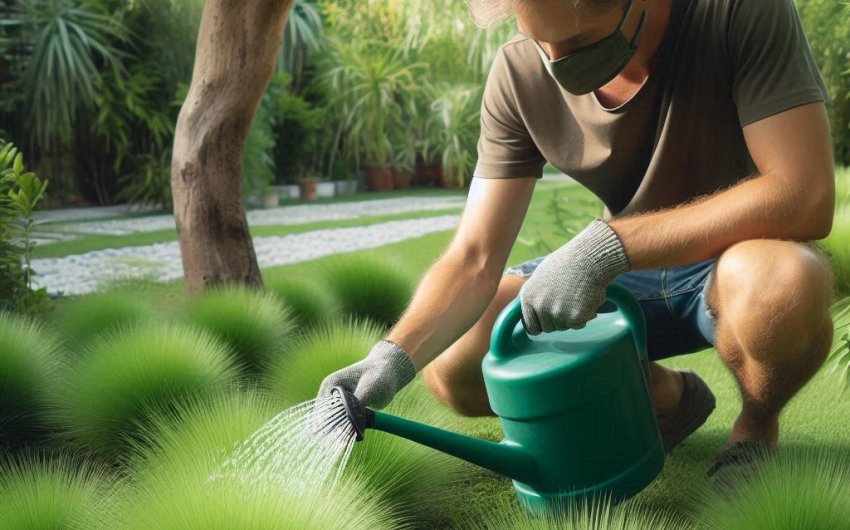
Why is water access a major challenge for lawn care?
Imagine trying to keep your lawn green and healthy, but you don't have an easy way to water it. Maybe you live in a rural area without city water, or you have well water with low pressure. Perhaps you're under strict watering restrictions due to a drought. This lack of easy water access can be a huge challenge for lawn care.
Without enough water, grass quickly turns brown, becomes brittle, and can even die. A thirsty lawn isn't just an eyesore; it's also less resilient to pests and diseases. Trying to lug buckets of water or connect long, low-pressure hoses across a big yard can be exhausting and inefficient.
Limited water access means you can't just turn on a sprinkler whenever your lawn looks dry. You have to be smart, strategic, and resourceful with every drop. It forces you to rethink traditional lawn care practices and find ways to make your lawn survive, and even thrive, on less water. It's about working with nature, not against it, to maintain your outdoor space.
What are the best drought-tolerant grass varieties for low-water lawns?
When you have limited access to water sources, choosing the right grass varieties is the first and most important step for a successful lawn. Some grasses are naturally much better at handling dry conditions and surviving on less water. These are called drought-tolerant grasses.
Here are some of the best drought-tolerant grass varieties for a low-water lawn:
Warm-Season Grasses (Best for Hot Climates, Southern U.S.)
These grasses thrive in hot weather and can go dormant (turn brown) during cold winters, but they bounce back in spring. They are generally more drought tolerant than cool-season grasses.
- Bermudagrass:
- Pros: Extremely drought tolerant once established. It will go dormant in prolonged drought but recovers quickly with water. Tolerates heat and heavy traffic well.
- Cons: Can be aggressive and invasive. Goes brown in winter. Needs full sun.
- Zoysiagrass:
- Pros: Very drought tolerant and low maintenance once established. Forms a dense, tough turf that chokes out weeds.
- Cons: Spreads slowly. Goes dormant in winter.
- Buffalograss:
- Pros: An excellent choice for very low-water lawns, especially in native regions of the Central U.S. It needs very little water and can go dormant quickly in drought but recovers. It's truly low maintenance and low growing.
- Cons: Can be thin, not as lush as other grasses. Needs full sun.
- St. Augustinegrass:
- Pros: Good drought tolerance for a warm-season grass, especially in humid, warm climates (like Florida). Tolerates some shade.
- Cons: Can be susceptible to chinch bugs.
Cool-Season Grasses (Best for Cooler Climates, Northern U.S.)
These grasses grow best in spring and fall and can stay green in mild winters. While generally less drought tolerant than warm-season grasses, some varieties are better than others.
- Tall Fescue:
- Pros: Known for its deep root system, which helps it access water deeper in the soil, making it more drought tolerant than other cool-season grasses like Kentucky bluegrass. It stays green longer in summer heat.
- Cons: Can be clumpy.
- Fine Fescues (e.g., Creeping Red Fescue, Chewings Fescue, Hard Fescue, Sheep Fescue):
- Pros: Very low maintenance, low growing, and significantly more drought tolerant than other cool-season fescues. They can go dormant during prolonged drought and recover well. Many are also shade tolerant. Often found in low-water lawn mixes.
- Cons: Can have a finer texture that some prefer less for a traditional look.
When choosing, consider your climate zone (warm vs. cool season) and local conditions like soil type and sun exposure. Investing in a drought-tolerant grass variety is the foundation for a resilient lawn with limited water access.
How does amending your soil improve water retention and root health?
When you have limited access to water sources, the quality of your soil becomes incredibly important. Amending your soil means adding materials to it to improve its structure and function. This helps your lawn hold onto water better and encourages deeper, healthier roots, making your grass more resilient to drought.
Here’s how amending your soil works and why it’s so beneficial for low-water lawns:
Improves Water Retention (Especially for Sandy Soil):
- Problem with Sandy Soil: Sandy soils have large particles. Water drains through them very quickly, taking nutrients with it. Plants don't have enough time to absorb moisture.
- Solution: Organic Matter: Adding organic matter (like compost, well-rotted manure, or peat moss) acts like a sponge. It dramatically increases the soil's ability to hold onto water, making it available to grass roots for longer periods.
- Example: If your water sources are limited and your lawn is sandy, adding a layer of compost will help it retain more moisture. You can find organic compost for lawns at garden centers.
Enhances Drainage and Aeration (Especially for Clay Soil):
- Problem with Clay Soil: Clay soils have very small, tightly packed particles. They can become compacted, holding too much water and not enough air. This leads to soggy conditions that suffocate grass roots and cause root rot. While this sounds like it holds water well, it holds too much in a way that harms roots.
- Solution: Organic Matter: Adding organic matter (like compost) helps to break up heavy clay. It creates larger spaces in the soil, improving drainage and allowing air to reach the roots. This prevents waterlogging.
Promotes Deeper Root Growth:
- Why Deep Roots Matter: Grass with shallow roots is highly dependent on frequent surface watering. When the top few inches of soil dry out, these roots can't reach any deeper moisture. Grass with deep roots can tap into water reserves further down in the soil, making it much more drought tolerant.
- How Amendments Help: Organic matter creates a loose, nutrient-rich soil structure that roots can easily penetrate and grow through. When roots encounter compacted or poor soil, they often stay shallow. Healthy, aerated soil encourages roots to grow down, seeking moisture and nutrients.
Increases Nutrient Availability:
- Organic matter slowly breaks down, releasing essential nutrients that feed your grass naturally over time. This contributes to overall grass health and vigor, making it more resilient.
How to Amend Your Soil:
- Topdressing: Spread a thin layer (1/4 to 1/2 inch) of good quality compost over your existing lawn in spring or fall. You can then rake it in lightly or simply let it settle naturally.
- Aeration (before topdressing): For compacted lawns, aeration before topdressing can help the compost penetrate deeper into the soil.
By investing time in amending your soil with organic matter, you build a healthier, more robust foundation for your lawn. This greatly improves its ability to manage periods of limited water access, ensuring it stays greener and stronger for longer.
What smart watering techniques can save water for your lawn?
When you have limited access to water sources, every drop counts. This means you need to be very smart about how and when you water your lawn. Forget daily, shallow sprinklings. Effective watering techniques focus on efficiency and meeting the grass's actual needs.
Here are the best smart watering techniques to save water:
Water Deeply and Infrequently:
- Goal: Encourage grass roots to grow deep.
- How: When you water, provide enough water to soak the soil 4 to 6 inches deep. This encourages roots to grow down, seeking that deep moisture.
- Frequency: Do this less often. Instead of daily, water every 3-5 days, or even less, depending on grass type and weather.
- Why it works: Shallow, frequent watering keeps roots near the surface, making the grass weak and totally dependent on you. Deep, infrequent watering trains roots to be long and drought tolerant.
Water in the Early Morning:
- Best Time: The ideal time to water is between 4 AM and 8 AM.
- Why it works:
- Reduces Evaporation: The air is cooler, and there's less wind, so less water is lost to evaporation compared to midday watering.
- Prevents Fungal Disease: The grass blades have time to dry out before nightfall, which prevents fungal diseases like brown patch or powdery mildew that thrive in damp conditions overnight.
Use Efficient Watering Tools:
- Avoid Oscillating Sprinklers: These often waste a lot of water on sidewalks, driveways, or by evaporating in the air.
- Targeted Watering:
- Soaker Hoses: For specific areas or along garden beds, soaker hoses deliver water directly to the soil slowly, minimizing evaporation and runoff.
- Drip Irrigation: For larger landscaped areas within the lawn, drip irrigation is highly efficient, delivering water precisely to plant roots.
- Smart Sprinkler Systems: If you have an existing sprinkler system, consider upgrading to a smart controller that uses local weather data or soil moisture sensors to water only when needed.
Monitor Soil Moisture:
- Don't Guess: Use a soil moisture meter or the "screwdriver test" (push a screwdriver into the soil; if it goes in easily, it's moist; if it's hard, it's dry). Water only when the grass truly needs it.
- Look for Signs: Learn to recognize when your grass is thirsty (e.g., leaves curl, color dulls, footprints remain for a while).
Address Runoff:
- If water pools or runs off before soaking in, your soil might be compacted. Try aerating your lawn or breaking up watering into shorter cycles (e.g., water for 10 minutes, wait an hour, water again).
By adopting these smart watering techniques, you can significantly reduce your lawn's water consumption, making your limited water access go much further and keeping your grass healthier.
How can raising your mower height save water for your lawn?
This might sound simple, but one of the easiest and most effective ways to make your lawn more drought tolerant when you have limited access to water sources is to simply raise your mower height. It's a quick adjustment that brings a surprising number of benefits.
Here's why raising your mower height is so good for saving water and building a resilient lawn:
Promotes Deeper Roots:
- The Connection: The height of your grass blades is directly linked to the depth of its roots. Taller blades support deeper roots.
- Why it Works: When grass is cut very short, it's forced to put its energy into regrowing its blades quickly. This often means sacrificing root growth. Taller grass means the plant can invest more energy downwards, developing a deeper, more extensive root system.
- Drought Resilience: Deep roots are crucial for drought tolerance. They can reach moisture that's stored further down in the soil, which is unavailable to shallow-rooted grass when the topsoil dries out.
Shades the Soil:
- Reduced Evaporation: Taller grass blades create a denser canopy that shades the soil surface. This shade acts like a natural mulch.
- Moisture Retention: By keeping the soil cooler and out of direct sun, less water evaporates from the soil, meaning it stays moist for longer. This directly reduces how often you need to water your lawn.
Insulates the Soil:
- Temperature Regulation: The taller grass helps to regulate soil temperature. It keeps the soil cooler in hot weather and can even offer some insulation in cooler weather, promoting healthier root activity.
Deters Weeds:
- Natural Competition: Taller, denser grass makes it harder for weed seeds to germinate and for new weeds to establish. They're starved of sunlight. This reduces the need for herbicides, which is a good practice for lawn health overall.
Overall Health and Vigor:
- A grass plant with deeper roots and a healthy amount of blade surface is stronger, more vigorous, and better able to withstand stress from heat, pests, and disease. It's simply a more resilient lawn.
Practical Tip:
- Set your mower blade to the highest setting for your grass type, typically 3 to 4 inches (7.5 to 10 cm) or even higher. Avoid the temptation to "scalp" your lawn for a super short look.
- This simple change to your lawn care routine, when combined with drought-tolerant grass varieties and smart watering techniques, will significantly contribute to a water-efficient and healthy lawn despite limited access to water sources.
How can managing thatch and aerating your lawn help save water?
Managing thatch and aerating your lawn are often overlooked but incredibly important steps in lawn care, especially when you have limited access to water sources. These practices directly improve how your soil handles water, making your grass more efficient and drought tolerant.
Thatch Management:
- What is Thatch? Thatch is a layer of dead and living organic matter (stems, roots, clippings) that builds up between the green blades of your grass and the soil surface. A small amount (less than 1/2 inch) is healthy, but too much becomes a problem.
- How Excessive Thatch Harms Your Lawn's Water Use:
- Water Repellent: A thick layer of thatch can become water repellent. When you try to water, the water might just sit on top or run off, rather than soaking down to the roots. It's like a sponge that refuses to absorb water.
- Shallow Roots: It creates an unhealthy environment for grass roots, forcing them to grow shallowly within the thatch layer itself, instead of down into the soil. This makes the grass highly susceptible to drying out.
- Pest and Disease Haven: Thick thatch provides a perfect hiding place for pests and fungal diseases, further weakening your lawn.
- Solution: Dethatching (Power Raking):
- Use a power rake or a specialized dethatching rake (a heavy-duty rake with sharp tines) to pull out the excess thatch. Do this in spring or early fall when your grass is actively growing and can recover.
Aeration:
- What is Aeration? Aeration (specifically core aeration) involves removing small plugs of soil from your lawn. These are like little holes that go deep into the ground.
- How Aeration Helps Your Lawn Save Water:
- Improves Water Penetration: The holes created by aeration act as channels for water (and air and nutrients) to reach deeper into the soil, directly to the grass roots. This prevents water runoff and ensures your lawn gets a deep, effective drink when you water.
- Reduces Compaction: Over time, foot traffic, mowing, and even rain can compact your soil, especially clay soils. Compaction squishes soil particles together, reducing the space for air and water. Aeration breaks up this compaction.
- Encourages Deeper Roots: By opening up the soil, aeration makes it easier for grass roots to grow deeper, allowing them to access more stored moisture and making the grass more drought tolerant.
- Enhances Nutrient Uptake: Better airflow and water penetration also mean nutrients can move more freely in the soil, making them more available to your grass.
- When to Aerate:
- Warm-Season Grasses: Late spring to early summer.
- Cool-Season Grasses: Late summer to early fall.
- You can rent an aerator or hire a lawn care service.
By actively managing thatch and regularly aerating your lawn, you optimize your soil's ability to absorb and hold water effectively. These practices build a healthier, more resilient root system, ultimately reducing your lawn's reliance on frequent watering and making your limited water access more manageable. You can also find lawn aerators for purchase or rent to help.
How can collecting rainwater and gray water supplement your lawn care?
When you face limited access to water sources for your lawn, thinking outside the tap becomes essential. Collecting rainwater and using gray water are excellent ways to supplement your watering efforts, providing free and often high-quality water for your grass.
Rainwater Harvesting:
- What it is: Rainwater harvesting involves collecting rainwater that falls on your roof and storing it for later use.
- How it helps your lawn:
- Free Water: Rainwater is completely free! It reduces your reliance on city water or well water, saving you money and conserving municipal resources.
- High Quality: Rainwater is naturally soft and free of chlorine, salts, and other chemicals often found in tap water. This is excellent for your lawn and plants.
- Drought Buffer: A rain barrel or larger storage system can provide a crucial buffer during dry spells, allowing you to water your lawn when other sources are restricted.
- Methods:
- Rain Barrels: The simplest method. Connect a rain barrel to a downspout from your gutters. They typically hold 50-100 gallons. A single good rain can fill several barrels.
- Larger Cisterns: For more significant water access, you can install larger underground or above-ground cisterns to collect thousands of gallons.
- Tips: Ensure barrels have screens to keep out debris and mosquitoes.
Gray Water Systems:
- What it is: Gray water is gently used water from sinks, showers, bathtubs, and washing machines (excluding toilet water or water from dishwashers/kitchen sinks which are "black water").
- How it helps your lawn:
- Reuses Water: It recycles water that would otherwise go down the drain, directly supplementing your outdoor water needs.
- Reduces Water Bill: Lowers your overall household water consumption.
- Local Regulations: Crucially, check your local laws and regulations regarding gray water use. Some areas have strict rules due to health and environmental concerns.
- Methods for Lawn Use:
- Simple Diversion: For basic systems, a temporary pipe might divert bath or laundry water directly onto your lawn.
- Laundry-to-Landscape (L2L): A common DIY-friendly system that diverts washing machine rinse water directly to the landscape without a pump, often using mulch basins.
- Dedicated Systems: More complex systems collect, filter, and distribute gray water for irrigation.
- Important Considerations:
- Soap Choice: Use biodegradable, non-toxic soaps and detergents (e.g., "gray water safe" products). Avoid those with boron, chlorine bleach, or harsh chemicals that can harm plants or soil.
- Direct Application: Gray water should generally be applied directly to the soil (under the grass canopy) and not sprayed onto leaves, especially on edible plants.
By thoughtfully implementing rainwater harvesting and exploring safe gray water systems, you can significantly enhance your lawn's water access, reducing reliance on traditional sources and building a truly sustainable and drought-tolerant lawn.
How does managing lawn pests and diseases save water?
It might not seem obvious, but effectively managing lawn pests and diseases can indirectly lead to significant water savings, especially when you have limited access to water sources. Healthy grass is simply more resilient and less thirsty.
Here’s the connection:
Stressed Plants are Thirstier:
- Vulnerability: When a lawn is suffering from a pest infestation or a disease, it's under stress. Its ability to absorb and utilize water and nutrients is compromised.
- Increased Water Demand: A stressed or weakened plant often needs more water to try and recover, even if that water isn't effectively helping it. It can't process water efficiently.
- Cycle of Decline: If not treated, a diseased or pest-ridden patch of grass will often thin out or die completely, leaving bare spots. These bare spots dry out even faster, leading to higher temperatures in the soil and greater water evaporation from the surrounding healthy grass.
Damaged Roots Impair Water Uptake:
- Pests like Grubs: Soil-dwelling pests like grubs (larvae of beetles) feed on grass roots. When roots are damaged, the grass can't absorb water properly, even if water is available. This looks like drought stress (wilting, browning) even after watering, causing you to apply more water unnecessarily.
- Diseases like Root Rot: While sometimes caused by overwatering, root diseases also hinder a plant's ability to take up water. The roots become dysfunctional.
- Solution: Controlling these root-damaging pests and diseases directly improves the grass's ability to take up water from the soil efficiently, reducing the need for excessive watering.
Preventing Bare Spots and Patchiness:
- Exposed Soil: Pests and diseases can create large dead patches in your lawn. Bare soil loses moisture through evaporation much faster than a thick, healthy grass canopy.
- Weed Invasion: These bare spots are also prime targets for weeds, which often have different (and sometimes deeper or more aggressive) watering needs, potentially competing with your remaining grass.
- Maintaining Density: By keeping your lawn dense and healthy, you ensure the soil is consistently shaded, which helps retain moisture and reduces overall water loss from the lawn surface.
Strategies for Managing Pests and Diseases (Naturally, to Conserve Water):
- Proper Plant Care (Prevention First!): This is your best defense. Healthy soil, appropriate grass varieties, correct mowing height, and smart watering techniques make your lawn naturally more resistant to most pests and diseases. Strong grass fights off problems better.
- Early Detection: Regularly inspect your lawn for early signs of problems. The sooner you identify a pest or disease, the easier it is to treat with targeted, often natural remedies, before it spreads and causes significant damage.
- Integrated Pest Management (IPM): Focus on cultural practices (like good watering and mowing), biological controls (encouraging beneficial insects), and mechanical controls (like hand-pulling weeds) before resorting to chemicals.
- Targeted Treatment: If you must treat, use targeted natural remedies (like Neem oil for certain pests, or specific natural fungicides for diseases) to avoid harming beneficial soil microbes or healthy parts of your lawn.
By keeping your lawn robust and healthy through proactive pest and disease management, you reduce its vulnerability, enhance its water uptake efficiency, and minimize the need for supplemental watering, a critical strategy when you have limited access to water sources.
How can replacing lawn areas with drought-tolerant landscaping save water?
When faced with limited access to water sources and a desire to conserve water, one of the most impactful strategies for your backyard is to reduce the size of your lawn and replace portions of it with drought-tolerant landscaping. This approach, often called xeriscaping, drastically cuts down on your outdoor water consumption.
Here’s how transforming lawn areas benefits water conservation:
Reduced Water Needs:
- Lawn Thirst: Traditional turfgrasses (especially Kentucky bluegrass and perennial ryegrass) are inherently thirsty. They require consistent and often significant amounts of water to stay green, particularly in dry climates or during summer.
- Drought-Tolerant Plants: Drought-tolerant landscaping utilizes plants that are naturally adapted to dry conditions. These plants have evolved mechanisms (like deep roots, waxy leaves, or succulent tissues) to survive and thrive on very little supplemental water once established. This means they can often get by on natural rainfall alone.
- Significant Savings: By replacing thirsty lawn with these plants, your overall landscape water demand can drop by 50% or more.
Less Maintenance:
- Reduced Mowing: No grass, no mowing! This saves time, labor, and fuel.
- Fewer Chemicals: Drought-tolerant plants are often hardier and less susceptible to pests and diseases, reducing the need for chemical pesticides and fertilizers.
- Less Weeding: Properly designed drought-tolerant landscapes with mulch layers can significantly suppress weeds.
Improved Soil Health:
- Mulch: Drought-tolerant landscaping heavily relies on mulch (bark chips, gravel, decomposed granite). Mulch acts as a protective blanket for the soil. It reduces water evaporation, keeps soil temperatures more stable, and suppresses weeds.
- Organic Matter: Over time, decomposing mulch (if organic) adds organic matter to the soil, improving its water-holding capacity and overall health.
Aesthetic Diversity and Habitat:
- Beyond Green: While a green lawn has its appeal, drought-tolerant landscaping offers incredible aesthetic diversity. You can create vibrant, textured, and colorful designs using native plants, ornamental grasses, succulents, and wildflowers.
- Pollinator-Friendly: Many drought-tolerant plants are also native plants that provide essential food and habitat for local pollinators (bees, butterflies) and other wildlife. This turns your backyard into a mini-ecosystem.
How to Implement:
- Start Small: Begin by converting a small, underperforming, or hard-to-water section of your lawn.
- Sheet Mulching: A great way to kill grass and build soil. Layer cardboard, compost, and mulch over existing lawn.
- Choose Native Plants: Research drought-tolerant native plants for your specific region. They are best adapted to your climate and often require minimal water once established.
- Hydrozoning: Group plants with similar water needs together. Put drought-tolerant plants in drier zones, and reserve the minimal water for areas that truly need it.
By strategically replacing portions of your lawn with drought-tolerant landscaping, you not only drastically reduce your water consumption but also create a more beautiful, sustainable, and ecologically rich backyard, making limited water access a manageable part of your lawn care strategy.