
What Are the Best Grass Varieties for a Pollinator-Friendly Lawn?
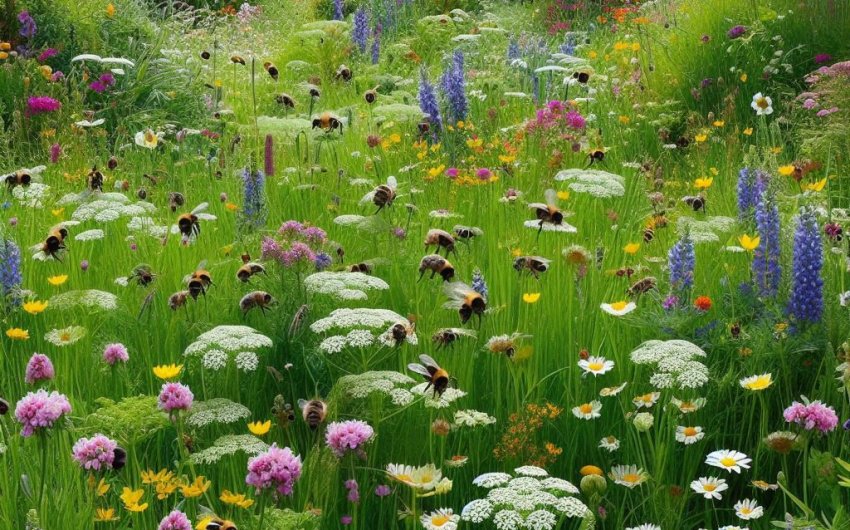
Why are pollinators important and why do they need our help?
Imagine a world without fruits, vegetables, or beautiful flowers. That's a world without pollinators. These tiny helpers, like bees, butterflies, hummingbirds, and even some bats, are vital to our planet. They move pollen from one flower to another. This simple act allows plants to make seeds, fruits, and more plants. Without them, a huge portion of our food and plant life would disappear.
About one-third of the food we eat depends on pollinators. This includes apples, almonds, blueberries, coffee, and so many more. They also help wild plants reproduce, which keeps our ecosystems healthy and diverse.
Sadly, pollinators are in trouble. Their numbers are shrinking fast. Why?
- Habitat Loss: We're building over the natural areas where they live and find food.
- Pesticides: Chemicals we use in our yards and farms can harm or kill them.
- Disease and Climate Change: These also play a role.
So, when we talk about creating a pollinator-friendly lawn, it's not just a nice idea. It's a way we can all help these important creatures survive. Every little bit of habitat we create, even in our own yards, makes a difference. It's about giving them food, shelter, and a safe place to thrive.
What is a "pollinator-friendly lawn" and why should you want one?
A "traditional" lawn is often just one type of grass, kept short and perfectly green. While neat, it's like a desert for pollinators. There's no food, no shelter, and often harmful chemicals are used.
A pollinator-friendly lawn is very different. It's a lawn that supports bees, butterflies, and other pollinators. It does this by:
- Including Diverse Plants: Instead of just grass, it has a mix of low-growing flowers. These flowers provide nectar and pollen, which are food for pollinators.
- Reducing or Eliminating Pesticides: No harmful chemicals mean a safe place for these important insects.
- Allowing for Natural Growth: Sometimes, it means letting your lawn grow a little taller, or accepting certain "weeds" like clover, which are actually great for pollinators.
Why would you want one?
- Help the Environment: You become a part of the solution for saving pollinators. This directly helps our food supply and ecosystem health.
- More Beautiful Yard: A pollinator-friendly lawn often has small flowers mixed in with the grass. This creates a vibrant, natural look that is often more interesting than a plain green carpet. Imagine seeing butterflies fluttering over your lawn!
- Less Maintenance: Often, these types of lawns need less mowing, less watering, and fewer chemicals. This saves you time, money, and effort.
- Educational: It's a great way to teach children about nature and the importance of ecological balance.
It's a shift from the idea of a "perfect" grass lawn to a living, breathing ecosystem right outside your door. It's functional beauty that benefits everyone.
Why is it important to rethink traditional lawn grass?
Traditional lawn grass often means a monoculture. A monoculture is when you grow only one type of plant in a large area. Think of a huge field of just corn. For lawns, this usually means just one type of turfgrass.
Here's why we need to rethink this for pollinators:
- No Food for Pollinators: Most common lawn grasses (like Kentucky bluegrass or tall fescue) are wind-pollinated. This means their pollen travels by wind, not by insects. They don't produce nectar or the right kind of pollen that bees and butterflies can use for food. So, a pure grass lawn is a food desert for them.
- Habitat Destruction: A neatly mowed, single-species lawn removes any other plants that might flower. It also often lacks the diverse plant structures that provide shelter for nesting bees or caterpillar development.
- High Maintenance: To keep a traditional lawn "perfect," people often use a lot of water, fertilizers, and especially pesticides. These chemicals can be very harmful to pollinators, either directly killing them or weakening them. The frequent mowing also uses fuel and creates noise pollution.
- Resource Intensive: Maintaining that perfect green carpet uses a lot of resources. Water use for lawns can be very high, especially in dry areas. Fertilizers can run off into water sources, causing pollution.
Rethinking traditional lawn grass means moving towards a more diverse, lower-maintenance, and eco-friendly approach. It's about turning our yards into productive habitats instead of sterile green spaces. This doesn't mean you have to get rid of all your grass. It means thinking about mixing in other beneficial plants or choosing different grass varieties that work better with pollinators.
What are the best low-growing grass varieties for a pollinator-friendly lawn?
When creating a pollinator-friendly lawn, the goal isn't always to get rid of all grass. Instead, it's about choosing the right kind of grass and mixing it with pollinator-friendly plants. For a greener, yet inviting space for pollinators, certain low-growing grass varieties work best. These types of grass usually need less mowing, are more drought-tolerant, and allow other small flowering plants to thrive amongst them.
Here are some of the best choices:
Fine Fescues (Creeping Red Fescue, Chewings Fescue, Hard Fescue, Sheep Fescue)
Fine fescues are probably the top choice for a pollinator-friendly lawn.
- Low Maintenance: They are famous for being low-growing. This means less mowing! Less mowing means more opportunities for any small flowers in your lawn to bloom.
- Drought Tolerant: Many fine fescues are quite drought tolerant once established. This reduces the need for constant watering.
- Tolerate Shade: They also do well in partial shade, which can be a plus for many yards.
- Allow Other Plants to Grow: Their fine texture and less aggressive growth allow other low-growing plants like clover, self-heal, or creeping thyme to establish and bloom amongst the grass. These flowers are vital food sources for bees and other pollinators.
- Good for Mixing: They mix well with each other and with various other pollinator-friendly seeds. You can find Fine Fescue seed mixes specifically designed for eco-lawns.
Microclover or Mini Clover (Trifolium repens 'Pirouette' or 'Microclover')
While not technically a grass, microclover is often used with grass in a pollinator-friendly lawn.
- Nitrogen Fixer: Clover pulls nitrogen from the air and puts it into the soil. This acts like a natural fertilizer for your lawn, reducing the need for chemical fertilizers.
- Pollinator Food: When allowed to flower, its tiny white or pink blossoms are a huge hit with bees, especially honeybees and bumblebees.
- Drought Tolerant: It's very drought tolerant and stays green even when grass might brown.
- Low Growing: Microclover varieties are specifically bred to be smaller than traditional clover. They grow shorter, blend well with grass, and don't take over.
- No Mowing for Flowers: If you want it to flower for pollinators, you'll need to mow less often. Even with some mowing, it can still produce flowers. You can buy Microclover seeds to add to your existing grass.
Buffalograss (Bouteloua dactyloides)
Buffalograss is a great native option for certain regions of North America, especially dry areas.
- Extremely Drought Tolerant: Once established, it needs very little water. It's a true water-saver.
- Low Growing: It typically grows only 4-8 inches tall, so it needs very infrequent mowing (maybe once a month or less).
- Native Grass: Being a native grass means it's adapted to the local climate and can support local wildlife better.
- Can Support Pollinators: While it's wind-pollinated, its open growth habit can allow small native wildflowers to establish and thrive, which in turn attract pollinators. It also provides nesting sites for ground-nesting bees if left undisturbed.
- Best in Sun: It needs full sun to thrive.
When choosing grass varieties for a pollinator-friendly lawn, the key is to look for types that are low-maintenance, drought tolerant, and have a less dense growth habit, allowing for the inclusion of beneficial flowering plants.
What are the best flowering plants to mix into your pollinator-friendly lawn?
The real magic of a pollinator-friendly lawn happens when you mix in small, low-growing flowering plants with your chosen grass varieties. These plants are the food source for bees and butterflies. The goal is to choose plants that can handle occasional mowing (or benefit from less mowing) and spread well within the grass.
Here are some of the best choices:
Clover (Trifolium species - especially Dutch White Clover or Microclover)
- Why it's great: Clover is probably the most popular choice. It's a fantastic pollinator plant because its flowers are packed with nectar and pollen, which bees adore. It also fixes nitrogen in the soil, acting as a natural fertilizer. It's drought tolerant and stays green.
- Appearance: Small white (or sometimes pinkish) flowers.
- Mowing Tolerance: It can handle some mowing, but the more you mow, the fewer flowers you'll get. Best to allow it to bloom regularly.
- Where to find: Easily available as clover seeds for lawns.
Self-Heal (Prunella vulgaris)
- Why it's great: A fantastic native perennial in many regions. It forms a low mat and produces charming purple-blue flowers. It's an excellent nectar source for various bees and other small pollinators.
- Appearance: Small, upright purple flower spikes.
- Mowing Tolerance: Tolerates occasional mowing, especially if set higher. It regrows and re-flowers quickly.
- Where to find: Often included in pollinator-friendly lawn mixes or found as Self-Heal seeds.
Creeping Thyme (Thymus serpyllum)
- Why it's great: A low-growing, fragrant groundcover that produces tiny, lovely flowers that are very attractive to small bees and other pollinators. It's also drought tolerant and can handle foot traffic.
- Appearance: Low, spreading mat with small pink, purple, or white flowers.
- Mowing Tolerance: Can be mowed if the mower is set high, but thrives with infrequent mowing.
- Where to find: Often available as creeping thyme seeds or small plants.
White Clover (Trifolium repens)
- Why it's great: Similar to microclover but slightly larger. Very widely available, fixes nitrogen, and its flowers are a major food source for bees.
- Appearance: Classic three-leaf clover with small white flowers.
- Mowing Tolerance: Can be mowed, but flowers best when mowing is less frequent.
Low-Growing Sedum (various groundcover types)
- Why it's great: Extremely drought tolerant succulents that produce clusters of tiny flowers, often in late summer or fall, which can be a vital food source when other flowers are scarce.
- Appearance: Fleshy leaves, low mats, small star-shaped flowers in various colors.
- Mowing Tolerance: Best in areas that are not mowed, or mowed very infrequently and high.
- Where to find: Usually purchased as sedum plants.
When choosing plants, consider your climate zone, sun exposure, and soil type. Aim for a mix of plants that flower at different times of the year to provide a continuous food source for pollinators from spring to fall.
How do you convert a traditional lawn into a pollinator-friendly one?
Converting your traditional grass lawn into a pollinator-friendly lawn is a rewarding project. It doesn't have to happen overnight. You can do it in steps.
Step 1: Reduce Mowing Frequency and Height
- Mow Less Often: The simplest step! Instead of mowing every week, try every two weeks. Or even every three weeks. This gives any existing clover or other low-growing flowers a chance to bloom.
- Raise Mower Blades: Set your mower blades as high as they can go (usually 3-4 inches). Taller grass shades out weeds, promotes deeper roots, and protects any new pollinator plants you introduce. It also allows flowers to bloom.
- "No Mow May": Consider participating in initiatives like "No Mow May" to allow early spring flowers to provide vital food for emerging bees.
Step 2: Reduce or Eliminate Chemicals
- Stop Pesticides: This is crucial. If you want pollinators in your lawn, you must stop using pesticides, herbicides (weed killers), and fungicides. These chemicals kill or harm the very insects you want to attract.
- Reduce Fertilizers: If you introduce nitrogen-fixing plants like clover, you'll need less (or no) synthetic fertilizer. Excessive fertilizer can also promote grass growth over wildflowers.
- Natural Alternatives: For weed control, try manual weeding or spot-treating with natural alternatives if absolutely necessary. For pests, encourage natural predators.
Step 3: Introduce Pollinator-Friendly Plants
- Overseeding with Clover: This is an easy first step. In spring or fall, simply sprinkle microclover or white clover seeds over your existing lawn. Water them in. The clover will germinate and grow among your grass, providing food and natural fertilizer. You can find clover seeds for lawn specifically.
- Mixing with Fine Fescues: If you want to change your grass type, you can overseed with fine fescue seed mixes that are designed for low-input lawns.
- Adding Wildflower Plugs/Seeds: For a more diverse look, you can add small plugs or seeds of low-growing wildflowers like self-heal, creeping thyme, or even native violets. You might need to loosen small patches of soil first.
- Focus on Local Natives: Research native plants that are low-growing and beneficial for pollinators in your specific region. They will be best adapted to your climate.
Step 4: Manage Expectations and Observe
- It's a Process: Your lawn won't transform overnight. It takes time for new seeds to establish and for the ecosystem to adapt.
- Embrace Diversity: A pollinator-friendly lawn looks different from a traditional one. It might have different shades of green, scattered flowers, and varying heights. Embrace this natural look!
- Watch for Pollinators: Enjoy seeing the bees and butterflies visit your yard. This is a sign your efforts are working!
By taking these steps, you can gradually turn your conventional lawn into a vibrant, living space that supports pollinators and enhances your environment.
What are the benefits of a low-maintenance lawn for homeowners?
A pollinator-friendly lawn often goes hand-in-hand with a low-maintenance lawn. This isn't just good for the environment; it offers huge benefits for homeowners too.
- Less Mowing: Many pollinator-friendly grasses like fine fescues and buffalograss are low-growing. This means you don't have to mow as often. Mowing less saves you time, energy, and wear-and-tear on your mower. It also means less fuel consumed (or electricity for electric mowers).
- Reduced Watering: Many recommended grass varieties and companion plants for pollinator-friendly lawns are chosen for their drought tolerance. Once established, they need far less water than thirsty traditional turfgrasses. This can lead to significant savings on your water bill, especially in dry climates or during summer.
- Fewer Chemicals (Fertilizers & Pesticides):
- No Pesticides: A pollinator-friendly lawn means no harmful pesticides. This is healthier for your family, pets, and the environment, and it saves you money on expensive chemical treatments.
- Less Fertilizer: Plants like clover naturally put nitrogen back into the soil, acting as a natural fertilizer. This reduces or eliminates the need for chemical fertilizers, saving you money and preventing nutrient runoff into local waterways.
- Less Weeding (Long-Term): While initial conversion might involve some weeding, a diverse, healthy lawn ecosystem can be more resilient to traditional "weeds" over time. A denser, taller mix of beneficial plants can outcompete unwanted weeds.
- Healthier Soil: Reduced chemical use and the presence of diverse plant roots and natural microbial activity lead to healthier soil. Healthy soil is more resilient and requires less intervention.
- Cost Savings: All these factors—less mowing, less watering, fewer chemicals—add up to significant cost savings over the year.
- More Time to Enjoy: Instead of spending hours maintaining a "perfect" lawn, you'll have more time to relax in your backyard, observe the pollinators, or engage in other hobbies.
- Environmental Contribution: Knowing your lawn is actively supporting pollinators and reducing environmental impact brings a sense of satisfaction and contribution.
A low-maintenance lawn reduces the chores and expenses associated with a traditional lawn, giving you a beautiful, thriving outdoor space with less effort.
What is a "no-mow" or "low-mow" lawn mix?
A "no-mow" or "low-mow" lawn mix is a special blend of grass varieties and sometimes other low-growing plants designed to require very infrequent mowing, or even no mowing at all. It's a key part of creating a pollinator-friendly lawn.
Here's what these mixes typically contain and why they work:
Common Components:
- Fine Fescues: These are almost always the main ingredient. As mentioned before, creeping red fescue, Chewings fescue, hard fescue, and sheep fescue are chosen because they are inherently low-growing and don't need to be cut often. They also tend to be drought tolerant and thrive in various soil conditions.
- Microclover (or Dwarf White Clover): Often included for its nitrogen-fixing ability (natural fertilizer) and its small, frequent blooms that are excellent for bees and other pollinators. The "micro" varieties stay shorter and blend well.
- Other Low-Growing Wildflowers: Sometimes, specific mixes might include other very low-growing native wildflowers that can tolerate infrequent mowing, like self-heal, creeping thyme, or various sedums. These add to the pollinator habitat.
How they achieve "no-mow" or "low-mow":
- Slow Growth Rate: The selected grass varieties simply grow much slower and don't reach tall heights quickly, unlike typical turfgrasses.
- Fine Texture: The fine blades of fescues often create a soft, flowing look even when left uncut. They tend to flop over and create a gentle, natural appearance rather than looking shaggy.
- Drought Tolerance: Since they need less water, they also tend to grow slower during dry periods, further reducing the need for mowing.
- Biodiversity: By including flowering plants, the goal is to have a diverse lawn that supports insects, which often means accepting a less uniform look than a traditional monoculture.
Benefits of a "no-mow" or "low-mow" lawn mix:
- Huge Time Savings: Spend far less time on lawn care.
- Reduced Costs: Less mowing means less fuel, less mower maintenance. Less watering, fewer fertilizers, and no pesticides mean significant savings.
- Environmental Benefits: Greatly reduced carbon emissions from mowing, less water use, no chemical runoff.
- Pollinator Habitat: Creates vital food and shelter for bees, butterflies, and other beneficial insects.
- Natural Aesthetic: Develops a soft, flowing, natural look that can be very beautiful and unique.
When buying, look for "no-mow," "eco-lawn," or "freedom lawn" seed mixes. You can often find no-mow lawn seed mix specifically labeled for pollinator-friendly lawns. These mixes are designed to deliver on their promise of less work and more wildlife.
What are common mistakes to avoid when creating a pollinator-friendly lawn?
Creating a pollinator-friendly lawn is rewarding, but it's easy to make mistakes that can hinder your progress. Knowing what to avoid will save you time and effort.
- Mistake 1: Not stopping pesticide use.
- Why it's bad: This is the biggest error. Even if you plant pollinator-friendly flowers, if you're still spraying pesticides (insecticides, herbicides, fungicides), you're harming or killing the very creatures you're trying to attract. Herbicides kill the "weeds" (like clover) that are valuable pollinator food.
- Solution: Commit to going chemical-free. Embrace a few dandelions or clover patches as part of your new lawn ecosystem.
- Mistake 2: Mowing too frequently or too short.
- Why it's bad: If you keep mowing your lawn super short every week, any low-growing flowers you've introduced won't have a chance to bloom. No flowers means no food for pollinators.
- Solution: Raise your mower blade height (to 3-4 inches or higher). Reduce mowing frequency. Consider sectioning off a "no-mow" zone.
- Mistake 3: Expecting an instant, perfect traditional lawn look.
- Why it's bad: A pollinator-friendly lawn isn't a traditional green carpet. It will have different textures, heights, and scattered flowers. If you expect pristine uniformity, you'll be disappointed.
- Solution: Adjust your mindset. Embrace the natural, slightly wilder beauty. Focus on the benefits for wildlife and your reduced workload.
- Mistake 4: Not choosing the right plants for your climate.
- Why it's bad: Planting species that aren't suited to your local climate (sun, shade, soil, rainfall) will lead to unhealthy plants that struggle, require more work, and won't effectively support pollinators.
- Solution: Research grass varieties and pollinator plants that are native or well-adapted to your specific region and yard conditions.
- Mistake 5: Not providing a continuous food source.
- Why it's bad: If all your pollinator plants flower at the same time (e.g., just in spring), pollinators will have a feast for a few weeks then nothing. They need food all season long.
- Solution: Choose a mix of plants that have staggered blooming times, from early spring to late fall, to provide a continuous nectar and pollen supply.
- Mistake 6: Not being patient.
- Why it's bad: Transforming a lawn takes time. New seeds need to establish, and the soil ecosystem needs to adjust. You won't see a buzzing haven overnight.
- Solution: Be patient. Keep up with the reduced mowing and chemical-free approach. Observe the gradual changes and enjoy the process.
By avoiding these common pitfalls, you'll be well on your way to successfully creating a beautiful and thriving pollinator-friendly lawn that truly makes a difference.
What are the long-term environmental benefits of a pollinator-friendly lawn?
Creating a pollinator-friendly lawn is an investment that yields significant long-term environmental benefits, extending far beyond your own property line.
- Biodiversity Enhancement: By integrating various grass varieties and flowering plants, you create a more diverse habitat. This supports a wider range of insects, beneficial microbes in the soil, and even small animals. Increased biodiversity makes ecosystems more resilient and healthier.
- Pest Control (Natural): When you attract beneficial insects (like ladybugs, lacewings, and parasitic wasps), you create a natural pest control system. These insects prey on garden pests, reducing or eliminating the need for chemical pesticides on your lawn and surrounding plants.
- Improved Soil Health:
- No Chemicals: Eliminating pesticides and reducing synthetic fertilizers means healthier soil microbes, fungi, and worms can thrive. These organisms are vital for nutrient cycling and soil structure.
- Nitrogen Fixation: Plants like clover naturally fix nitrogen from the air into the soil. This enriches the soil over time, making it more fertile naturally.
- Less Compaction: Infrequent mowing can lead to less soil compaction, allowing for better air and water penetration.
- Water Conservation: Choosing drought-tolerant grass varieties and plants significantly reduces your outdoor water usage. This is crucial for conserving precious water resources, especially in regions prone to drought.
- Reduced Runoff and Water Pollution: Less chemical fertilizer means less excess nitrogen and phosphorus running off into storm drains and local waterways. These nutrients cause harmful algal blooms that deplete oxygen and kill aquatic life. Pesticide runoff is also eliminated, protecting water quality.
- Reduced Carbon Emissions: Less frequent mowing means less fuel burned by lawnmowers, directly reducing carbon emissions that contribute to climate change.
- Climate Resilience: Diverse lawns with deeper root systems (from taller grass and wildflowers) are more resilient to extreme weather events like droughts and heavy rains. They help manage stormwater better than compacted, shallow-rooted monoculture lawns.
- Educational Impact: Your pollinator-friendly lawn can serve as an educational example for neighbors and your community, inspiring others to adopt similar sustainable practices and contributing to a larger network of healthy habitats.
In essence, a pollinator-friendly lawn moves beyond simply being a green space to becoming a living, breathing part of the local ecosystem. It contributes to healthier air, cleaner water, and thriving wildlife, leaving a positive legacy for the environment.