
How to Maintain a Lawn with Varying Soil Types Across the Yard?
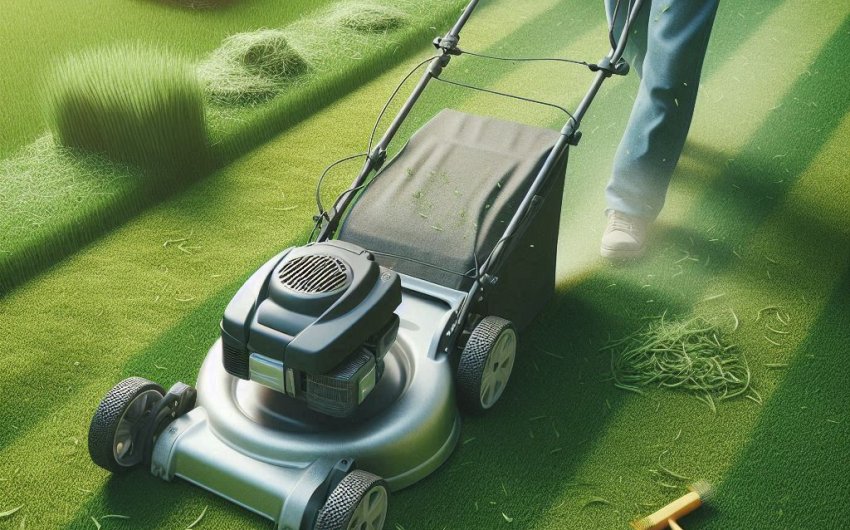
Maintaining a lawn with varying soil types can be a challenging task, but with the right approach, you can achieve a lush, green lawn despite the inconsistencies in your yard. Different soil types affect everything from water retention and drainage to nutrient availability and grass health. The key to success is understanding your soil composition and adjusting your lawn care practices accordingly.
In this guide, we'll explore how to maintain a lawn with varying soil types, from sandy areas to clay-heavy patches, and everything in between. We'll also cover best practices for watering, fertilizing, and managing different soil structures to ensure consistent growth across your yard.
1. Identifying Soil Types in Your Yard
The first step in maintaining a lawn with varying soil types is identifying the different kinds of soil present in your yard. The three main types of soil are clay, sandy, and loamy, with each type having unique properties that impact how well your grass grows.
1.1 Clay Soil
Clay soil is composed of very fine particles that are tightly packed together. This type of soil tends to retain water and nutrients well but drains poorly, leading to waterlogged conditions and compacted soil.
- Water Retention: High
- Drainage: Poor
- Nutrient Retention: High
- Texture: Sticky and dense when wet, hard when dry
Use soil aerators to break up compacted clay soil and improve drainage.
1.2 Sandy Soil
Sandy soil consists of large, coarse particles, giving it a gritty texture. While it drains well and is less likely to become compacted, sandy soil struggles to retain moisture and nutrients, which can make it harder for grass to thrive.
- Water Retention: Low
- Drainage: Excellent
- Nutrient Retention: Low
- Texture: Gritty and loose
Find organic compost to improve nutrient retention in sandy soil.
1.3 Loamy Soil
Loamy soil is the ideal type for most lawns. It contains a balanced mixture of sand, silt, and clay, providing good drainage while still retaining nutrients and moisture. Loamy soil supports robust root growth and creates a healthy environment for grass.
- Water Retention: Moderate
- Drainage: Good
- Nutrient Retention: High
- Texture: Soft and crumbly
Purchase soil testing kits to identify the soil types in your lawn and adjust care practices accordingly.
1.4 Mixed Soil Types
In some yards, you may have a mixture of soil types, with one section being sandy and another predominantly clay-based. Understanding the distribution of these soils across your yard is critical to determining the best lawn care strategy.
2. Adjusting Watering Techniques Based on Soil Type
The amount and frequency of watering required will vary depending on the soil type in each part of your yard. Clay soils retain moisture longer, while sandy soils dry out quickly. To ensure your lawn receives the right amount of water, it's important to adjust your watering techniques accordingly.
2.1 Watering Clay Soil
Clay soil tends to hold water for longer periods, so watering should be done less frequently but for longer durations. This allows water to penetrate deeper into the soil without oversaturating the surface. Overwatering clay soil can lead to root rot and poor grass growth.
- Water deeply but infrequently to promote deep root growth.
- Ensure proper drainage by avoiding excessive watering, especially after rainfall.
Use automatic watering systems to regulate water application in clay-heavy areas of your lawn.
2.2 Watering Sandy Soil
Because sandy soil drains quickly, it requires more frequent but shorter watering sessions. This ensures that the grass roots have a constant supply of moisture without losing too much to drainage. Installing a drip irrigation system can help provide consistent moisture without oversaturating the soil.
- Water more frequently but for shorter periods.
- Consider adding mulch to help retain moisture in sandy areas.
Find drip irrigation kits to provide consistent moisture to sandy soil without water waste.
2.3 Watering Loamy Soil
Loamy soil offers the best water retention and drainage balance, allowing for more flexible watering schedules. Watering once or twice a week is usually sufficient, depending on weather conditions and grass type. Focus on deep watering to encourage strong root systems.
- Water once or twice a week, depending on weather conditions.
- Adjust watering based on seasonal changes and rainfall.
Purchase lawn sprinklers to evenly distribute water across loamy areas of your lawn.
3. Fertilizing for Different Soil Types
Fertilizing a lawn with varying soil types can be tricky, as each soil type has different nutrient retention capabilities. Understanding how much fertilizer to apply and which nutrients are lacking in each area of your yard will help you maintain a healthy, consistent lawn.
3.1 Fertilizing Clay Soil
Clay soil retains nutrients well, so it requires less frequent fertilization. However, compacted clay can limit root access to these nutrients. Incorporating organic material and aerating the soil regularly will help improve nutrient availability.
- Use a balanced fertilizer to prevent nutrient buildup in clay-heavy areas.
- Apply fertilizer sparingly and consider using organic matter to improve soil structure.
Use organic lawn fertilizers to nourish clay soils while improving drainage and aeration.
3.2 Fertilizing Sandy Soil
Sandy soil struggles to retain nutrients, which means it requires more frequent applications of fertilizer. Using slow-release fertilizers can help ensure that nutrients are available to the grass over a longer period. Additionally, incorporating organic matter can enhance sandy soil's nutrient-holding capacity.
- Apply fertilizer more frequently, especially during the growing season.
- Use slow-release fertilizers to prevent nutrient leaching.
Get slow-release fertilizers to provide consistent nutrition to your sandy soil lawn.
3.3 Fertilizing Loamy Soil
Since loamy soil is rich in nutrients and has good nutrient retention, it requires less frequent fertilization than sandy soil. A seasonal application of balanced fertilizer is usually sufficient to keep loamy soil healthy. However, it's essential to monitor the nutrient levels in your lawn to avoid over-fertilizing.
- Fertilize once or twice a year, depending on your grass type.
- Consider using a balanced fertilizer to maintain soil health.
Purchase lawn soil test kits to check nutrient levels in loamy areas and ensure proper fertilization.
4. Managing Compaction in Clay and Loamy Soil
Soil compaction is a common issue in clay soils and, to a lesser extent, in loamy soils. Compaction restricts air and water movement in the soil, limiting grass root development and reducing the effectiveness of fertilizers and water. To manage compaction, regular aeration is crucial.
4.1 Aerating Clay Soil
Aerating clay soil helps break up the dense soil structure, improving water infiltration, nutrient absorption, and root growth. This process also reduces surface runoff and helps prevent water from pooling on the soil surface after rain or irrigation.
- Aerate the lawn at least once a year to prevent compaction.
- Combine aeration with organic matter such as compost or sand to improve drainage.
Use manual aerators to aerate small areas with compacted clay soil.
4.2 Aerating Loamy Soil
Although loamy soil is less prone to compaction, it can still benefit from occasional aeration to enhance soil structure and maintain optimal air and water flow. Aerate loamy soil every 2 to 3 years, depending on how much foot traffic your lawn receives.
- Aerate less frequently than clay soils, but still regularly.
- Focus on high-traffic areas where soil compaction is more likely.
Find plug aerators to relieve compaction in larger lawns with loamy soil.
5. Amending Sandy and Clay Soils for Grass Growth
In some cases, your lawn may need more extensive soil amendments to improve the structure and nutrient content of clay or sandy soil. Adding organic material is a long-term solution to creating a more balanced soil that promotes healthy grass growth.
5.1 Amending Clay Soil
To improve clay soil, incorporate organic materials such as compost, shredded leaves, or peat moss. These amendments help break up the dense soil structure, improve drainage, and allow roots to access water and nutrients more easily.
- Add organic matter to improve soil texture and increase porosity.
- Apply sand or gypsum to further break up clay particles.
Get compost spreaders to evenly distribute compost across clay soil areas.
5.2 Amending Sandy Soil
For sandy soil, adding organic matter such as compost or manure can significantly improve water retention and nutrient-holding capacity. This will provide your grass with the moisture and nutrients it needs to thrive.
- Incorporate organic matter to improve water and nutrient retention.
- Consider adding topsoil or loam to create a more balanced soil structure.
Purchase organic soil amendments to enrich sandy soil with essential nutrients.
6. Choosing the Right Grass Type for Varying Soil Conditions
Selecting the right grass type is crucial for lawns with varying soil types. Some grasses perform better in well-drained sandy soils, while others thrive in the moisture-rich environment of clay soil. Understanding your yard’s soil composition will help you choose the best grass for each section of your lawn.
6.1 Best Grasses for Clay Soil
Grass species that perform well in clay soil are those that can tolerate moisture and compacted conditions. Tall fescue and Kentucky bluegrass are excellent choices for areas with clay soil, as they have deep root systems and can handle occasional waterlogging.
- Tall fescue: A deep-rooted, drought-tolerant grass that grows well in clay soils.
- Kentucky bluegrass: Known for its ability to thrive in both sun and shade, making it suitable for clay-heavy areas.
Find tall fescue grass seed to establish a durable lawn in clay soil.
6.2 Best Grasses for Sandy Soil
For sandy soils, choose grass species that can tolerate dry conditions and don’t require constant moisture. Bermuda grass and Zoysia grass are ideal for sandy soils because of their drought tolerance and ability to thrive in fast-draining environments.
- Bermuda grass: A drought-resistant grass that can tolerate high temperatures and sandy soils.
- Zoysia grass: Known for its slow growth and tolerance to both heat and drought, making it ideal for sandy areas.
Get Bermuda grass seed for a resilient lawn that performs well in sandy soil.
6.3 Best Grasses for Loamy Soil
Loamy soil is the best type for most grasses, as it provides a balanced mix of water retention and drainage. Ryegrass and tall fescue are both excellent choices for loamy soil, offering strong root development and adaptability to various conditions.
- Ryegrass: A fast-growing, hardy grass that thrives in loamy soils.
- Tall fescue: A versatile grass that performs well in loam and can tolerate drought conditions.
Purchase ryegrass seed to grow a quick-establishing lawn in loamy areas.
7. Creating a Lawn Care Routine for Mixed Soil Types
When managing a lawn with varying soil types, it's essential to tailor your lawn care routine to meet the needs of each soil type. This includes adjusting watering schedules, fertilization, and aeration based on the specific conditions of different sections of your yard.
For larger properties, understanding how to balance soil types across your land is key. If you're managing a large area like a farm, check out our guide on planning a 10-acre farm layout to learn how to optimize the use of different soil zones for healthy grass growth.