
Go Green: Organic Lawn Care Methods Unveiled
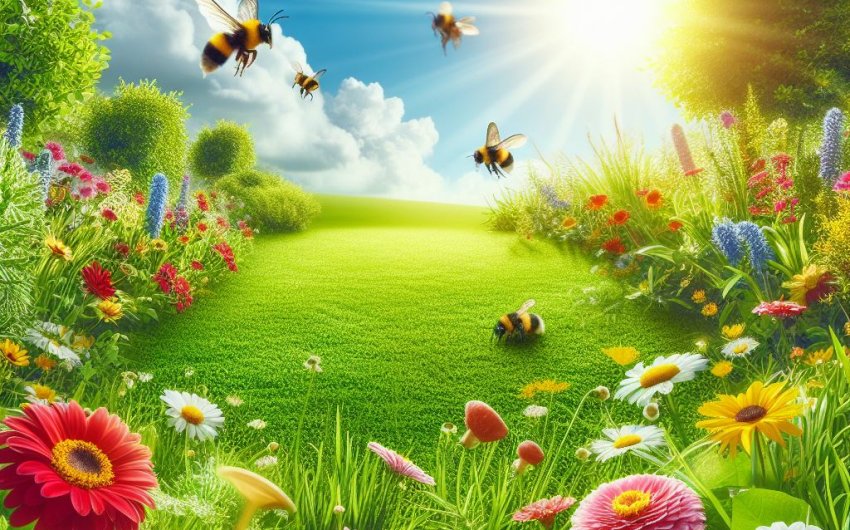
Organic lawn care methods rely on natural biological processes and chemical-free treatments to foster a resilient, self-sustaining yard. By focusing on soil life, biodiversity, and preventative maintenance, you can maintain a vibrant green space that is safe for the environment, children, and pets.
Why Should You Switch to Organic Lawn Care?
Switching to natural methods stops the cycle of chemical dependency and builds a truly healthy ecosystem. Traditional chemicals often kill the beneficial microbes and earthworms that your grass needs to thrive naturally.
By choosing an organic approach, you reduce toxic runoff into local water supplies and create a lawn that is naturally more resistant to drought and pests. It also saves money over time as the soil becomes better at feeding the grass without expensive synthetic inputs.
- Improved Safety: No "keep off the grass" signs needed for your pets or kids.
- Drought Resistance: Organic soil holds onto moisture much more effectively.
- Enhanced Soil Structure: Natural matter prevents the ground from becoming hard and compacted.
- Wildlife Friendly: Supports bees, butterflies, and helpful garden insects.
How Do You Transition a Chemical-Dependent Lawn?
Moving away from synthetic products requires a "detox" period where you focus on restoring the microbial balance of the earth. During the first year, your grass may go through an adjustment phase as it learns to find nutrients through its own root system again.
The key is to replace quick-fix fertilizers with slow-release organic alternatives. Using a compost tea brewer can help speed up this process by injecting billions of helpful bacteria directly into the turf.
- Stop all synthetic herbicide and pesticide applications immediately.
- Aerate the soil to break up chemical residues and allow oxygen in.
- Apply a thin layer of high-quality compost to the entire surface.
- Overseed with native grass varieties to thicken the lawn.
What Are the Best Natural Fertilizers for Your Grass?
Organic fertilizers are made from once-living organisms or minerals that break down slowly over time. This slow release provides a steady "diet" for your grass rather than a sudden, stressful growth spurt.
| Fertilizer Source | Nutrient Focus | Best Use Case |
|---|---|---|
| Alfalfa Meal | Nitrogen/Growth | Spring green-up |
| Bone Meal | Phosphorus | New seed/Root strength |
| KelpHelp | Trace Minerals | Stress recovery |
| Corn Gluten | Nitrogen/Prevention | Weed control & feeding |
A balanced organic lawn food ensures your soil receives a mix of macronutrients and micronutrients without the risk of salt buildup.
Why Is Soil Testing Essential for Organic Success?
You cannot fix what you do not understand, and a soil test provides a "blueprint" of your yard's health. In organic systems, we adjust the soil pH to ensure nutrients are chemically available to the plant.
If your soil is too acidic (low pH), the grass cannot absorb nutrients, no matter how much fertilizer you add. You can use a digital soil tester to get instant readings on moisture, light, and pH levels throughout your property.
- pH 6.5 to 7.0: The "sweet spot" for most lawn grasses.
- Nitrogen (N): For green, leafy growth.
- Phosphorus (P): For strong root systems.
- Potassium (K): For overall plant "toughness" and disease resistance.
How Does Mowing Height Impact Lawn Health?
One of the most effective organic lawn care methods is simply changing how you mow. Most homeowners cut their grass far too short, which stresses the plant and allows weeds to take over.
Keep your grass at a height of 3.5 to 4 inches. Taller grass has deeper roots and provides shade to the soil, which prevents weed seeds from getting the sunlight they need to sprout. It also keeps the soil cooler, reducing the need for constant watering.
- Use a mulching lawn mower to return clippings to the soil.
- Sharp blades are a must; dull blades tear the grass and invite fungus.
- Never mow when the grass is wet, as this can spread disease.
Can You Control Weeds Naturally and Effectively?
In an organic lawn, a few "weeds" like clover are actually beneficial because they fix nitrogen in the soil. However, if you want to keep them to a minimum, the best defense is a thick, healthy turf that leaves no room for invaders.
For persistent weeds, manual removal is the most eco-friendly choice. Using a stand-up weed puller allows you to remove the entire root of a dandelion without using a single drop of poison.
Natural Weed Killers
- Corn Gluten Meal: Prevents seeds from taking root if applied in early spring.
- Vinegar Sprays: High-strength horticultural vinegar can kill weeds in sidewalk cracks.
- Boiling Water: A zero-cost way to kill weeds in driveways.
How Should You Water an Organic Lawn?
Organic lawns prefer a "feast or famine" watering schedule. This means watering deeply and infrequently to encourage the roots to grow far down into the earth in search of moisture.
Daily light sprinkling is harmful because it keeps the roots near the surface, where they can easily fry in the summer sun. A smart hose timer can help you automate deep watering sessions, ideally in the early morning before the sun gets too hot.
- Aim for 1 inch of water per week.
- Water between 4:00 AM and 8:00 AM.
- Check the soil moisture by pushing a screwdriver into the ground; it should slide in easily to 6 inches.
What Is the Role of Aeration and Dethatching?
Over time, soil can become packed down, and a layer of dead grass called "thatch" can build up. This blocks water and air from reaching the roots, suffocating your lawn.
Core aeration removes small plugs of soil, allowing the earth to "breathe" again. Following up with a lawn scarifier helps remove excess thatch without damaging the healthy grass blades.
- Aerate in the fall or spring when the grass is actively growing.
- Leave the soil plugs on the lawn; they contain helpful microbes and will break down.
- This is the perfect time to spread compost and new seed.
Is Clover Actually Good for Your Lawn?
Decades ago, clover was included in every lawn seed mix because it is a natural fertilizer. It pulls nitrogen out of the air and puts it into the soil for the grass to use.
Clover stays green in the heat of summer when grass turns brown, and it produces tiny flowers that feed local bees. If you want a low-maintenance yard, adding some microclover seed to your mix can drastically reduce your need for extra fertilizer.
How Do You Manage Lawn Pests Without Pesticides?
In a balanced organic system, "pest" insects are usually kept in check by "beneficial" insects like ladybugs, spiders, and birds. Chemical pesticides are counterproductive because they kill the predators first, leading to even bigger pest outbreaks later.
To handle grubs or beetles, you can use biological controls like Milky Spore or Beneficial Nematodes. These are living organisms that you apply to your lawn to target specific pests without harming anything else.
- Nematodes: Microscopic worms that hunt down grubs in the soil.
- Neem Oil: A natural tree oil that repels many chewing insects.
- Bird Houses: Attracting insect-eating birds like swallows or bluebirds is great pest control.
Applying beneficial nematodes during a rainy day ensures they can swim into the soil and start protecting your root system immediately.
Why Is Diversity Better Than a Monoculture?
A lawn that consists of only one type of grass is very fragile. If a disease or pest targets that specific grass, the entire lawn could die. Organic lawn care methods promote a mix of different grass types and even some non-grass plants.
Mixing species like Kentucky Bluegrass, Ryegrass, and Fescue creates a "strength in numbers" effect. Some grasses handle shade better, while others handle heat. By using a handheld seed spreader, you can easily add variety to your turf every autumn.
How Can You Make Your Own Organic Mulch and Compost?
The best fertilizer for your lawn might be sitting in your kitchen or your gutters. Composting turns waste into "black gold" that can revitalize even the poorest soil.
- Kitchen Scraps: Coffee grounds, eggshells, and vegetable peelings.
- Yard Waste: Fallen leaves and grass clippings.
- Cardboard: Shredded brown boxes add much-needed carbon.
If you don't have room for a large pile, a dual-chamber compost tumbler makes it easy to create fresh fertilizer in a small space with no smell and no mess.
What Are the Long-Term Benefits of Going Green?
After a few years of organic care, your lawn will require less work and less money. The soil becomes a self-sustaining engine that recycles nutrients and stores water efficiently.
You will notice more life in your yard—from earthworms improving the soil to birds visiting your trees. Most importantly, you gain the peace of mind that comes with knowing your beautiful landscape isn't harming the planet or your family's health.
Mastering organic lawn care methods is a journey of observing and working with nature. By feeding the soil and choosing the right plants for your climate, you can enjoy a thick, green lawn that stays healthy for generations. Every step toward a more natural yard is a win for your home and the environment.