
Effective Organic Lawn Care: Sustainable Practices for Healthy Grass
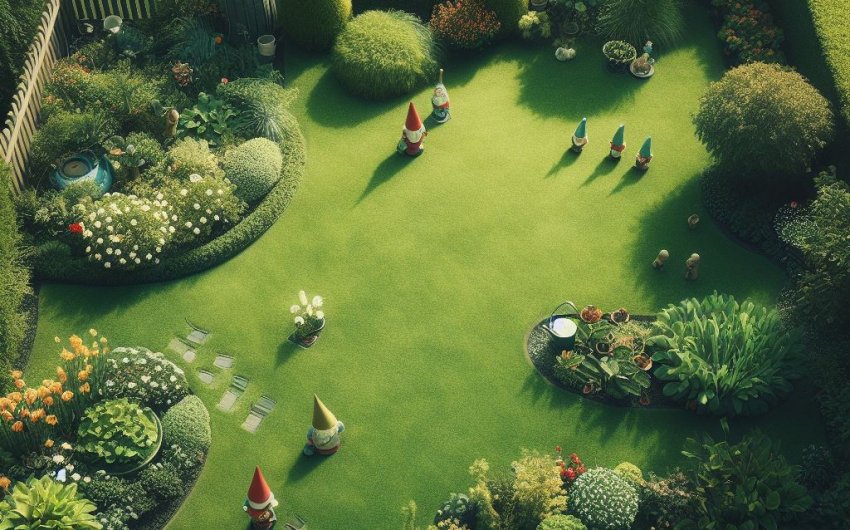
Effective organic lawn care involves nurturing the entire lawn ecosystem, from the soil microbes to the grass blades, through sustainable practices that avoid synthetic chemicals. The core principle is to build a naturally resilient turf that can outcompete weeds, resist pests, and maintain vibrant health. This guide will help you transition to an eco-friendly lawn.
Why Should I Choose Organic Lawn Care for My Grass?
You should choose organic lawn care for your grass because it fosters a healthier, more resilient lawn ecosystem while protecting your family, pets, and the environment from harmful synthetic chemicals. It's a sustainable approach that works with nature to build long-term turf vitality.
- Safer for Family and Pets:
- No Harmful Chemicals: Organic lawn care eliminates exposure to synthetic pesticides and fertilizers, which can contain neurotoxins, carcinogens, and endocrine disruptors. This is especially important for children and pets who frequently play on the lawn.
- Reduced Risk: Prevents the tracking of potentially harmful chemicals indoors.
- Healthier Soil Ecosystem:
- Thriving Microbes: Synthetic chemicals can kill beneficial soil microbes, fungi, and earthworms that are vital for nutrient cycling and soil structure. Organic practices encourage a diverse and active soil food web, leading to naturally fertile soil.
- Improved Structure: Organic matter (like compost) improves soil drainage, aeration, and water retention, creating a robust environment for grass roots.
- Stronger, More Resilient Grass:
- Deep Roots: Organic feeding promotes deeper, more extensive root systems, making the grass more drought-tolerant and less susceptible to stress, pests, and diseases.
- Natural Defenses: Healthy soil and strong roots enable the grass to develop its own natural defenses.
- Reduced Water Usage:
- Improved Soil: Organically rich soil holds water more efficiently, reducing the need for frequent irrigation.
- Drought Tolerance: Healthy, deep-rooted grass is inherently more drought-tolerant.
- Less Pollution:
- No Chemical Runoff: Organic fertilizers do not contribute to chemical runoff that can pollute local waterways, harming aquatic life and causing algae blooms.
- Reduced Carbon Footprint: Many organic practices involve less energy-intensive production and transportation.
- Sustainable and Long-Term Solution:
- Building, Not Fixing: Organic care focuses on building long-term soil and lawn health, rather than offering quick chemical fixes that often create dependency.
- Balanced Ecosystem: Encourages beneficial insects and wildlife, creating a more balanced and thriving backyard ecosystem.
- Weed and Pest Management:
- A dense, healthy, organically maintained lawn naturally outcompetes weeds and better resists pests.
Transitioning to organic lawn care is an investment in the long-term health and safety of your outdoor living space and the broader environment.
What are the Core Principles of Organic Lawn Care?
The core principles of organic lawn care are centered around nurturing the natural ecosystem of your lawn, focusing on soil health, biodiversity, and preventative measures rather than reactive chemical interventions. These foundational practices create a self-sustaining and resilient turf.
- Feed the Soil, Not Just the Grass:
- Soil is the Foundation: The most fundamental principle. Organic lawn care views the soil as a living ecosystem teeming with microbes, fungi, and invertebrates that are essential for nutrient cycling.
- Organic Matter: Focus on adding rich organic compost, compost tea, and other natural amendments to build up healthy, vibrant soil.
- Natural Fertilizers: Use slow-release organic fertilizers (e.g., compost, aged manure, seaweed meal, corn gluten meal) that feed the soil microbes, which in turn feed the grass.
- Mow High and Mow Often:
- Tall Grass: Maintain a higher mowing height (3-4 inches for most grasses). Taller grass shades the soil, suppressing weed germination, promoting deeper roots, and creating a more resilient turf.
- "Grasscycling": Leave grass clippings on the lawn. They quickly decompose, returning valuable nutrients (especially nitrogen) and organic matter to the soil.
- Sharp Blades: Use sharp mower blades for a clean cut, which reduces stress on the grass.
- Water Deeply and Infrequently:
- Encourage Deep Roots: Provide thorough, deep waterings that penetrate several inches into the soil. This encourages grass roots to grow deep, making the lawn more drought-tolerant and less dependent on surface moisture.
- Avoid Shallow Watering: Shallow, frequent watering encourages weak, shallow roots and can promote weed germination.
- Monitor Moisture: Use a soil moisture meter to water only when needed.
- Aerate and Overseed Regularly:
- Relieve Compaction: Aeration (removing small plugs of soil) relieves compaction, allowing air, water, and nutrients to reach grass roots. This is crucial for healthy root growth.
- Increase Density: Overseeding (spreading new grass seed over existing turf) fills in thin spots and increases lawn density, naturally crowding out weeds.
- Optimal Timing: Best done together in the fall for cool-season grasses, or late spring for warm-season grasses.
- Manage Pests and Weeds Naturally:
- Prevention First: A dense, healthy, organically fed lawn is naturally more resistant to pests and weeds.
- Manual Removal: Hand-pull weeds when they are small.
- Beneficial Insects: Encourage beneficial insects that prey on pests.
- Targeted Organic Treatments: Use non-toxic solutions like horticultural vinegar for weeds or neem oil for pests only when necessary.
- Embrace Diversity: A truly organic lawn might tolerate some clover, which is beneficial for soil nitrogen.
These core principles create a synergistic effect, where each practice reinforces the others, leading to a vibrant, naturally beautiful, and resilient lawn that requires minimal intervention over time.
How Can I Build Healthy Soil for My Organic Lawn?
You can build healthy soil for your organic lawn by consistently adding organic matter, balancing its pH, and fostering a thriving microbial community. Healthy soil is the bedrock of organic lawn care, directly translating to strong, resilient grass that can resist pests and diseases naturally.
- Regularly Apply Organic Compost:
- "Black Gold": Compost is arguably the single best amendment for lawn soil. It adds a rich array of organic matter, essential nutrients, and beneficial microorganisms. You can find organic compost for lawn top dressing.
- How to Apply: Top-dress your lawn with a thin layer (1/4 to 1/2 inch) of screened, finished compost once or twice a year, ideally in fall and/or spring. Rake it in gently to allow it to settle into the turf.
- Benefits: Improves soil structure (drainage in clay, water retention in sand), adds slow-release nutrients, fosters microbial life, and helps suppress weeds.
- Perform Soil Tests and Adjust pH:
- Know Your Soil: Conduct a soil test kit for lawn and garden every 2-3 years. This reveals your soil's pH and nutrient profile.
- pH Balance: Most turfgrasses prefer a slightly acidic to neutral pH (6.0-7.0). If your test shows an imbalance:
- Raise pH: Apply lime (calcium carbonate or dolomitic lime) to acidic soil.
- Lower pH: Apply elemental sulfur to alkaline soil.
- Organic pH Amendments: Both lime and sulfur are natural soil amendments.
- Aerate to Improve Structure:
- Relieve Compaction: Use a core aerator to remove small plugs of soil, especially in compacted areas. This allows air, water, and nutrients to penetrate deeper, encouraging robust root growth and microbial activity.
- Timing: Aerate in fall for cool-season grasses, late spring for warm-season grasses.
- "Grasscycling" (Leave Clippings):
- Free Fertilizer: Always leave grass clippings on your lawn when you mow. As they decompose, they return valuable nitrogen (N) and organic matter to the soil.
- Benefits: Reduces the need for supplemental fertilizer by up to 25% and improves soil health over time.
- Caution: Ensure clippings are short and evenly distributed, not thick clumps that can smother grass.
- Use Organic Fertilizers:
- Feed Microbes: Choose organic granular fertilizers (e.g., corn gluten meal, alfalfa meal, seaweed meal, feather meal) that feed the soil microbes, which then make nutrients available to the grass.
- Slow Release: Organic options provide a slow, steady release of nutrients, promoting balanced growth rather than sudden surges. You can find many brands of organic lawn fertilizer granular.
- Encourage Earthworms:
- Earthworms are natural aerators and decomposers. Healthy, organic soil with plenty of organic matter will naturally attract earthworms.
- Consider Microbial Inoculants:
- For lawns in need of a boost, consider applying beneficial microbial inoculants (e.g., mycorrhizal fungi, beneficial bacteria) to enhance nutrient cycling and root health.
By consistently implementing these strategies, you'll transform your lawn's soil into a vibrant, fertile foundation that naturally supports healthy, thriving grass.
What Are Sustainable Mowing Practices for an Organic Lawn?
Sustainable mowing practices for an organic lawn prioritize grass health, weed suppression, and soil enrichment, focusing on height, frequency, and blade maintenance. These methods work in harmony with nature to build a resilient turf that naturally outcompetes weeds and requires fewer inputs.
- Mow High:
- Recommended Height: Set your mower deck to the highest recommended height for your grass type, typically 3-4 inches. Taller grass blades offer several benefits:
- Shades Out Weeds: Creates shade on the soil surface, blocking sunlight that weed seeds need to germinate. This is a powerful natural weed control method.
- Promotes Deep Roots: Encourages grass roots to grow deeper and stronger, making the lawn more drought-tolerant and resilient to stress.
- Increased Photosynthesis: More leaf surface allows for greater photosynthesis, leading to a healthier plant.
- Recommended Height: Set your mower deck to the highest recommended height for your grass type, typically 3-4 inches. Taller grass blades offer several benefits:
- Mow Frequently (Remove No More Than One-Third):
- "One-Third Rule": Never remove more than one-third of the grass blade height in a single mowing. This means you might need to mow more frequently (e.g., once or twice a week during peak growth seasons).
- Benefits: This minimizes stress on the grass, keeps the lawn consistently tidy, and prevents weeds from going to seed.
- Avoid Scalping: Mowing too short (scalping) weakens grass, stresses roots, and opens up the lawn to weed invasion and disease.
- "Grasscycle" (Leave Clippings):
- Natural Fertilizer: Always leave grass clippings on your lawn. Use a mulching mower or a regular mower that disperses clippings evenly.
- Benefits: Clippings decompose quickly, returning valuable nitrogen, other nutrients, and organic matter to the soil. This can reduce your need for supplemental fertilizer by up to 25%. They also act as a light mulch, helping to retain moisture.
- Caution: Ensure clippings are short and evenly distributed. Avoid leaving large clumps, which can smother grass and promote fungal growth.
- Use Sharp Mower Blades:
- Clean Cut: Sharpen your mower blades every 25 hours of use or at least once per season. Sharp mower blades make a clean cut, which heals quickly.
- Benefits: Dull blades tear the grass, creating ragged edges that lose more moisture and make the lawn susceptible to disease, pests, and stress.
- Vary Mowing Patterns:
- Reduce Compaction: Mow in different directions each time you cut the grass. This helps prevent soil compaction from repetitive wheel patterns and encourages grass blades to grow more upright.
By integrating these sustainable mowing practices, you contribute significantly to the health, density, and natural resilience of your organic lawn, minimizing weed pressure and your reliance on external inputs.
What Are Water-Wise Strategies for an Organic Lawn?
Water-wise strategies for an organic lawn focus on maximizing water efficiency, promoting deep root growth, and reducing overall consumption while maintaining turf health. These methods are crucial for sustainability, especially in areas prone to drought or with water restrictions.
- Water Deeply and Infrequently:
- Encourage Deep Roots: This is the most important strategy. When you water, provide enough water to penetrate 4-6 inches into the soil. This encourages grass roots to grow deep, making the lawn more resilient to dry spells.
- Allow to Dry: Let the top 1-2 inches of soil dry out between waterings. This signals to the roots to search deeper for moisture.
- Benefits: Deep roots can access stored moisture, making the lawn more drought-tolerant and less reliant on frequent surface watering.
- Water Early in the Morning:
- Minimize Evaporation: Water between 4 AM and 9 AM. This is when temperatures are cooler and winds are typically calmer, significantly reducing water loss due to evaporation.
- Prevent Disease: Watering in the morning allows grass blades to dry completely before nightfall, reducing the risk of fungal diseases that thrive in damp conditions.
- Use a Soil Moisture Meter:
- Water Only When Needed: Invest in a soil moisture meter. This tool allows you to check the moisture level directly at the root zone, ensuring you water only when the grass actually needs it, preventing both overwatering and underwatering.
- Install Efficient Irrigation Systems:
- Smart Controllers: Consider a smart sprinkler controller that uses local weather data (rainfall, temperature, humidity) to automatically adjust your watering schedule, preventing unnecessary watering.
- Targeted Sprinklers: Use efficient sprinkler heads that deliver water evenly and avoid watering sidewalks, driveways, or other non-lawn areas.
- Drip/Soaker Hoses: While less common for entire lawns, these are excellent for adjacent garden beds, keeping water localized and reducing overall landscape water use. You can find soaker hoses for garden.
- Apply Mulch (Grasscycling and Beds):
- Grasscycling: Leaving short grass clippings on your lawn (mulch mowing) helps retain surface soil moisture.
- Garden Beds: A thick layer of organic mulch in adjacent garden beds drastically reduces evaporation from the soil surface, lessening the overall water demands of your landscape.
- Allow for Dormancy (When Appropriate):
- During severe summer droughts, allowing your lawn to go dormant (turn brown) is a healthy, water-wise strategy. Dormant grass is not dead; it conserves energy and will green up again when sufficient moisture returns. Avoid over-watering to try to keep it green during severe drought.
- Address Drainage Issues:
- Ensure proper drainage in your lawn. Poor drainage leads to waterlogging, root rot, and wasted water. Consider aeration or amending soil to improve drainage.
By implementing these water-wise strategies, you can significantly reduce your lawn's water footprint, enhance its drought tolerance, and maintain its health using sustainable organic lawn care principles.
How Can I Control Weeds Organically in My Lawn?
You can control weeds organically in your lawn by focusing on creating a dense, healthy turf that naturally outcompetes unwanted plants, combined with proactive manual removal and targeted non-chemical treatments. The strategy is to starve weeds of light and nutrients while empowering your grass.
- Maintain a Dense, Healthy Lawn:
- Mow High: Keep grass at 3-4 inches to shade the soil and prevent weed seeds from germinating.
- Proper Watering: Water deeply and infrequently to promote strong grass roots, outcompeting shallow-rooted weeds.
- Fertilize Organically: Feed the soil with compost and organic fertilizers to support vigorous grass growth.
- Aeration & Overseeding: Regularly aerate to relieve compaction (which many weeds love) and overseed to increase turf density, crowding out weeds. You can find lawn overseeding grass seed.
- Manual Removal:
- Hand-Pulling: The most effective method for individual weeds. Pull weeds when they are young, small, and before they go to seed. Water the lawn first to make pulling easier, especially for taprooted weeds like dandelions. Use a dandelion weeding tool for efficiency.
- Digging: For stubborn weeds, use a weeding fork or knife to remove the entire root system.
- Targeted Organic Treatments (Spot Treatment):
- Horticultural Vinegar: For broadleaf weeds, apply horticultural-grade vinegar (20% acetic acid or higher) directly to the weed. It acts as a desiccant, burning the foliage. Be very careful to avoid contact with desired grass, as it will also burn it. A pump sprayer for weeds with a precise nozzle is key.
- Boiling Water: Carefully pour boiling water directly onto isolated weeds. It kills on contact but will also kill surrounding grass, so use for weeds in cracks or bare spots.
- Corn Gluten Meal (Pre-Emergent): Apply corn gluten meal pre-emergent in early spring (for crabgrass) or late summer/early fall (for cool-season broadleaf weeds). It acts as a natural pre-emergent, inhibiting seed germination, and also provides a nitrogen boost.
- Iron-Based Herbicides: Some organic weed killers utilize chelated iron, which selectively targets broadleaf weeds (causing them to turn black and die) while leaving grass unharmed.
- Smothering/Solarization:
- For large, heavily weeded areas, cover the area with black plastic, old carpet, or several layers of cardboard to block light and suppress weeds. Solarization (clear plastic in summer heat) can also work.
- Address Bare Spots Promptly:
- Bare patches in your lawn are an open invitation for weeds. Rake, amend soil, and reseed bare areas as quickly as possible to establish grass before weeds can move in.
- Embrace "Weeds" that Aren't Problematic:
- Some gardeners choose to tolerate or even encourage certain plants like clover, which can improve soil nitrogen and provide a green ground cover.
Controlling weeds organically is a continuous process of maintaining a healthy, dense lawn. With consistent effort and smart strategies, you can significantly reduce weed populations without relying on synthetic chemicals.
How Can I Manage Pests and Diseases Organically in My Lawn?
You can manage pests and diseases organically in your lawn by fostering a resilient turf through cultural practices, encouraging beneficial insects, and using targeted natural treatments. The goal is to create a balanced ecosystem where your lawn's natural defenses and beneficial organisms keep problems in check.
Organic Pest Management:
- Promote a Healthy Lawn:
- A dense, well-fed, and properly watered lawn is the best defense against pests. Healthy grass is less appealing to many insects and can recover more quickly from any damage.
- Identify Pests Accurately:
- Before acting, identify the specific pest. This helps you choose the right organic solution.
- Encourage Beneficial Insects:
- Biodiversity: Plant diverse flowering plants in adjacent garden beds to attract beneficial insects like ladybugs, lacewings, and predatory mites that prey on common lawn pests (e.g., chinch bugs, grubs). You can find beneficial insect attracting seeds.
- Avoid Pesticides: Do not use broad-spectrum synthetic pesticides, as they kill beneficial insects along with pests.
- Biological Controls:
- Beneficial Nematodes: For grub control (larvae of Japanese beetles, chafer beetles, etc.), apply beneficial nematodes (Heterorhabditis bacteriophora or Steinernema glaseri) to your lawn in late summer/early fall. These microscopic worms parasitize and kill grubs. You can buy beneficial nematodes for grub control.
- Milky Spore: For Japanese beetle grubs specifically, apply milky spore disease (Paenibacillus popilliae). This is a naturally occurring bacterium that infects and kills grubs, providing long-term control.
- Cultural Practices for Pests:
- Aeration: Reduces thatch and compaction, improving soil health that can deter some pests.
- Correct Mowing: Avoiding scalping reduces stress.
- Proper Watering: Prevents drought stress that can attract chinch bugs.
- Manual Removal: For larger pests like armyworms or cutworms (if visible), hand-picking can be an option.
- Organic Insecticidal Sprays (Targeted):
- Neem Oil: Can disrupt the feeding and growth of some lawn pests.
- Insecticidal Soap: Can kill soft-bodied pests on contact. Use sparingly and avoid broad application on lawns.
Organic Disease Management:
- Focus on Prevention through Cultural Practices:
- Good Drainage: Ensure your lawn has excellent drainage. Waterlogged soil promotes fungal diseases like brown patch and Pythium blight. Aerate to improve drainage.
- Proper Watering: Water deeply and infrequently in the early morning. Avoid evening watering, which leaves grass blades wet overnight and encourages fungal growth. Use a smart sprinkler controller.
- Mow High: Taller grass is generally more resilient to disease.
- Sharp Blades: Dull mower blades tear grass, creating entry points for disease pathogens.
- Balanced Fertilization: Avoid excessive nitrogen, which can create lush, tender growth susceptible to diseases. Use slow-release organic fertilizers.
- Soil Health: A healthy soil microbiome can suppress disease-causing pathogens.
- Choose Disease-Resistant Grass Varieties:
- When overseeding or establishing a new lawn, select grass varieties specifically bred for resistance to common local lawn diseases.
- Sanitation:
- Remove Thatch: Excessive thatch (a layer of dead organic matter between grass blades and soil) can harbor fungal spores. Dethatch your lawn annually or biennially. You can use a dethatcher lawn rake.
- Clear Debris: Remove fallen leaves and plant debris from the lawn, as these can harbor pathogens.
- Organic Fungicides (Rarely Needed for Lawns):
- For persistent issues, some organic fungicides like copper or sulfur-based sprays are available, but they are typically for specific diseases on ornamental plants or vegetables, not broad lawn applications. A healthy organic lawn rarely needs these.
By integrating these robust organic pest and disease management strategies, your lawn will develop a natural immunity, minimizing problems and reducing your reliance on potentially harmful chemical interventions.
By diligently adopting effective organic lawn care practices, you empower your lawn to flourish naturally, resisting weeds and pests while becoming a safer, more sustainable environment for your family and local wildlife. The journey to a truly green lawn starts with nourishing the soil and embracing nature's own methods for health and vitality.