
Combatting Common Lawn Pests: From Grubs to Weevils
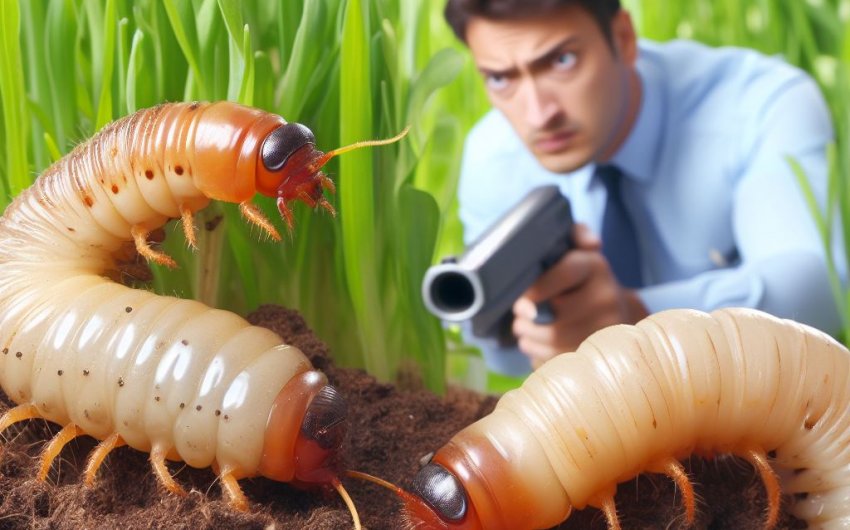
Combatting common lawn pests like grubs and weevils requires accurate identification and targeted treatment strategies to protect your turf from significant damage. From microscopic nuisances to visible invaders, understanding the life cycle of these pests is key to effective and sustainable management. This guide will equip you with the knowledge to diagnose and control various lawn pests.
How Can I Identify if My Lawn Has a Pest Problem?
You can identify if your lawn has a pest problem by closely observing unusual changes in your grass's appearance, growth patterns, and overall health. Often, the damage caused by lawn pests mimics other issues like drought or nutrient deficiency, so careful inspection is crucial. Early detection can prevent widespread damage.
- Irregular Brown Patches:
- One of the most common signs. Unlike drought-related browning (which is often uniform), pest damage often appears as irregularly shaped brown patches that may expand over time.
- These patches might not respond to watering.
- Wilting or Discolored Grass Blades:
- Grass blades may appear to wilt or have unusual discoloration (yellowing, purplish tint) even with adequate watering. This indicates roots are being damaged or sap is being sucked out.
- Loose or Easily Pulled Turf:
- If you can easily pull back patches of turf, almost like a carpet, it often indicates significant root damage, commonly caused by grubs or billbug larvae.
- Increased Animal Activity:
- An increase in foraging animals like skunks, raccoons, possums, or birds digging and pecking at your lawn is a strong indicator of an underlying grub or insect problem, as these animals are seeking out the pests as food.
- Presence of Insects:
- Carefully inspect the grass at different times of day. Part the grass blades and look for insects near the soil surface (e.g., chinch bugs, armyworms, sod webworms) or dig a small section of turf to look for grubs beneath.
- Thinning or Sparse Grass:
- Your lawn may look thin, patchy, or simply not as dense as usual, even after proper care.
- Small Mounds of Soil:
- Tiny mounds of soil or grass clippings can sometimes be a sign of certain burrowing pests or even ants.
- Excessive Thatch:
- While not a direct sign of pests, excessive thatch can create a perfect breeding ground for many lawn insects.
If you observe any of these symptoms, take the time to investigate further. Digging a small section of turf (about 1 square foot, 4-6 inches deep) can often reveal the presence of grubs or other soil-dwelling pests.
What Are Common Lawn Pests That Damage Grass?
Common lawn pests that damage grass range from underground root-eaters to surface-feeding insects, each leaving distinctive signs of destruction. Understanding these pervasive invaders is key to protecting your turf from significant health declines and aesthetic issues.
How Can I Identify and Combat Grubs?
You can identify grubs as C-shaped, creamy-white larvae with six legs and a distinct brown head, typically found curled up in the soil beneath damaged grass. They are the immature stage of various beetles (like Japanese beetles, May/June beetles, European chafers) and cause damage by feeding on grass roots.
- Damage Signs: Irregular brown patches that lift up easily (like carpet), often accompanied by increased activity from birds, skunks, or raccoons digging in the lawn. Damage is most visible in late summer/early fall or mid-spring.
- Life Cycle: Beetles lay eggs in summer. Grubs hatch in late summer/early fall and feed on roots. They overwinter, resume feeding in spring, then pupate and emerge as adult beetles.
- Combat Strategies:
- Healthy Lawn: A dense, healthy lawn can tolerate a few grubs without showing damage.
- Beneficial Nematodes: Apply beneficial nematodes for grub control (Heterorhabditis bacteriophora is effective) in late summer/early fall when grubs are small and actively feeding.
- Milky Spore Disease: For Japanese beetle grubs, apply milky spore disease (Paenibacillus popilliae). This is a slow-acting but long-lasting biological control.
- Biological Insecticides: Products containing Bacillus thuringiensis galleriae (Btg) can be effective against certain grubs.
- Dethatch and Aerate: Reduces thatch where beetles lay eggs and improves soil health.
How Can I Identify and Combat Chinch Bugs?
You can identify chinch bugs as tiny (about 1/8 to 1/5 inch long), black insects with distinctive white "X" shaped markings on their wings, often found at the base of grass blades in hot, sunny areas. They cause damage by sucking sap from grass, injecting a toxin that disrupts water movement.
- Damage Signs: Irregular, spreading yellow patches that quickly turn brown, often starting in hot, sunny, dry areas. Damage is similar to drought stress but doesn't improve with watering. Pulling the grass often reveals healthy roots below the damaged crown.
- Life Cycle: Adults overwinter in thatch, emerge in spring to lay eggs. Nymphs (red with a white band) hatch and feed actively in hot, dry summer weather. Multiple generations can occur.
- Combat Strategies:
- Reduce Thatch: Thatch is a primary habitat. Dethatch your lawn if thatch exceeds 1/2 inch. You can use a dethatcher lawn rake.
- Proper Watering: Ensure consistent, deep watering to prevent drought stress, as chinch bugs thrive in dry grass.
- Insecticidal Soap: For small, localized infestations, apply insecticidal soap directly to the affected areas.
- Beneficial Insects: Encourage or release big-eyed bugs and minute pirate bugs, which prey on chinch bugs.
- Tolerant Grass Varieties: Some grass varieties (e.g., certain fescues, perennial ryegrasses) are more tolerant or resistant.
How Can I Identify and Combat Sod Webworms?
You can identify sod webworms by the presence of small, silken tunnels or webs near the soil surface, often mixed with grass clippings and green fecal pellets. The larvae (grayish-green caterpillars, 3/4 to 1 inch long) feed on grass blades at night, causing damage in hot, dry conditions.
- Damage Signs: Patches of grass appear chewed, ragged, or brown. Damage often looks like drought stress. Moths (small, buff-colored, with a snout-like projection) fly up in a zig-zag pattern when disturbed.
- Life Cycle: Moths lay eggs in summer. Larvae hatch and feed through summer and early fall, then overwinter. Multiple generations are common.
- Combat Strategies:
- Mow High: Keep grass longer (3-4 inches) to make feeding more difficult and encourage stronger grass.
- Proper Watering: Ensure adequate watering to prevent drought stress, as stressed lawns are more susceptible.
- Beneficial Nematodes: Apply beneficial nematodes for sod webworms (Steinernema carpocapsae) to the lawn in the evening when larvae are active.
- Bacillus thuringiensis (Bt): Products containing Bt kurstaki can be effective against young sod webworms. Apply in the evening.
- Biological Insecticides: Consider pyrethrins or neem oil for severe infestations, used carefully to avoid beneficials.
How Can I Identify and Combat Armyworms?
You can identify armyworms as striped, brownish-green caterpillars (1 to 1.5 inches long) that move in "armies," consuming large areas of grass very quickly. They often feed at night or on cloudy days, leaving ragged or chewed grass blades.
- Damage Signs: Rapid defoliation, chewed grass blades (often starting from the tips), and the sudden appearance of large numbers of caterpillars. Often found in late summer/early fall.
- Life Cycle: Moths lay eggs on grass blades. Larvae hatch and feed for 2-3 weeks, then pupate. Multiple generations are possible.
- Combat Strategies:
- Monitor Closely: Inspect your lawn regularly, especially after periods of wet weather.
- Hand-Picking: For small outbreaks, hand-pick caterpillars from the grass.
- Beneficial Nematodes: Apply beneficial nematodes for armyworms (Steinernema carpocapsae) in the evening.
- Bacillus thuringiensis (Bt): Products containing Bt kurstaki are very effective against young armyworms. Apply in the evening.
- Encourage Birds: Birds are natural predators of armyworms.
How Can I Identify and Combat Billbugs?
You can identify billbugs as adult beetles that are typically 1/4 to 1/2 inch long, with a distinct snout (bill) and a black or reddish-brown body. The larvae are C-shaped, legless, white grubs with a brown head, which feed inside grass stems and then on roots.
- Damage Signs: Initial damage appears as irregular yellowing patches that turn brown, mimicking drought stress. Later, grass blades might easily pull out of the turf, breaking off at the crown where larvae bore inside. Sawdust-like frass (excrement) can be found near the base of damaged grass.
- Life Cycle: Adults overwinter, emerge in spring, and lay eggs inside grass stems. Larvae hatch, bore inside stems, then move to feed on roots through summer.
- Combat Strategies:
- Resistant Grass Varieties: Plant resistant varieties of Kentucky bluegrass, fescues, or perennial ryegrass.
- Beneficial Nematodes: Apply beneficial nematodes for billbugs (Steinernema carpocapsae or Heterorhabditis bacteriophora) in mid-summer when larvae are actively feeding in the soil.
- Proper Watering: Keep your lawn well-watered to reduce stress and help tolerate damage.
- Dethatch and Aerate: Reduces thatch where adult billbugs overwinter and lay eggs.
What are the Best Cultural Practices for Lawn Pest Prevention?
The best cultural practices for lawn pest prevention focus on building a strong, healthy turf that is naturally resilient to infestations and can recover quickly from damage. A vigorous lawn is your first and best defense against common lawn pests.
- Proper Mowing Height:
- Mow High: Maintain your grass at its highest recommended height (typically 3-4 inches). Taller grass shades the soil, keeping it cooler and moister, which is less appealing to many pests like chinch bugs.
- Stronger Grass: It also promotes deeper root growth, making the grass more robust and better able to tolerate minor pest feeding.
- Don't Scalp: Avoid cutting more than one-third of the blade height in a single mowing, as scalping stresses the grass and makes it more vulnerable.
- Correct Watering:
- Deep and Infrequent: Water deeply and thoroughly to encourage a deep, extensive root system. Deep roots provide resilience against drought stress, which can attract certain pests.
- Early Morning: Water in the early morning to minimize evaporation and allow grass blades to dry before night, reducing fungal diseases which can weaken grass and make it susceptible to pests.
- Avoid Overwatering: Excessive water can lead to shallow roots and root rot, creating stressed conditions that pests exploit. Use a soil moisture meter for lawn to ensure accurate watering.
- Optimal Fertilization:
- Soil Test: Perform a soil test kit for lawn health to determine your lawn's specific nutrient needs.
- Balanced Nutrients: Use an appropriate organic granular fertilizer that provides balanced nutrients based on your grass type and season. Avoid excessive nitrogen, which can lead to lush, tender growth that attracts sap-sucking pests and makes grass more susceptible to disease. You can find organic granular lawn fertilizer.
- Aeration and Dethatching:
- Aeration: Relieves soil compaction, allowing roots to grow deeper and improving the flow of air, water, and nutrients. Compacted soil is often favored by certain pests. Use a core aerator lawn tool.
- Dethatching: Remove excessive thatch (a layer of dead organic matter that builds up above the soil). Thick thatch provides an ideal habitat for many lawn pests (like chinch bugs, sod webworms) and can prevent water and nutrients from reaching roots. Dethatch annually or biennially if thatch is over 1/2 inch thick.
- Overseeding:
- Regularly overseed your lawn, especially in the fall, to maintain a dense turf. Thick grass naturally crowds out weeds and makes it harder for pests to find entry points or lay eggs. You can find lawn overseeding grass seed mix.
- Choose Pest-Resistant Grass Varieties:
- If you're establishing a new lawn or overseeding, select grass varieties known to have resistance to common pests in your region.
- Clean Up Debris:
- Remove fallen leaves, grass clippings, and other organic debris that can provide hiding spots for pests.
By consistently applying these cultural practices, you create an environment that is naturally less appealing to lawn pests and fosters a robust, healthy turf.
How Can I Encourage Beneficial Insects to Control Lawn Pests?
You can encourage beneficial insects to control lawn pests by creating a welcoming, pesticide-free habitat that provides them with food, water, and shelter. These natural predators and parasites are your garden's best allies in maintaining a balanced ecosystem and reducing pest populations.
- Eliminate Synthetic Pesticides:
- Crucial Step: This is the most important action. Broad-spectrum synthetic pesticides kill beneficial insects indiscriminately, often doing more harm than good in the long run. Even "organic" pesticides should be used judiciously.
- Plant Diverse Flowers in Adjacent Beds:
- Food Source: Many adult beneficial insects (e.g., ladybugs, lacewings, hoverflies, parasitic wasps) feed on nectar and pollen. Plant a variety of small, open-faced flowers, especially those from the carrot family (dill, fennel, cilantro), daisy family (marigolds, cosmos), and mint family (oregano, thyme) in garden beds adjacent to your lawn. You can find beneficial insect attracting seeds.
- Continuous Bloom: Ensure a continuous succession of blooms from early spring to late fall.
- Provide Water Sources:
- Install a shallow water source, like a bee bath (a shallow dish with pebbles or marbles), where beneficial insects can safely drink without drowning.
- Offer Shelter and Nesting Sites:
- Undisturbed Areas: Leave small areas of your garden slightly "untidy" – a patch of leaf litter, a small brush pile, or undisturbed soil can provide critical overwintering sites for beneficials.
- Hollow Stems: Leave hollow plant stalks standing over winter for cavity-nesting bees and wasps.
- Bee Hotels: Consider installing a bee hotel for solitary bees in a sunny, protected spot.
- Tolerate Some Pests:
- A small population of pests is necessary to provide a food source for beneficial insects to become established and reproduce. Don't aim for complete pest eradication; aim for balance.
- Minimize Thatch:
- While thatch can harbor some pests, excessive thatch can also make it harder for ground-dwelling beneficials like ground beetles to move around.
- Mow High:
- A taller lawn provides more cover and habitat for ground-dwelling beneficial insects.
- Introduce Beneficial Insects (Augmentative Release):
- For specific pest problems, you can purchase and release beneficial insects like ladybugs or lacewings. Release them in the evening to encourage them to stay.
By fostering a biodiverse and welcoming environment, you empower nature's own pest control squad to thrive in your lawn, significantly reducing the impact of pests and enhancing overall turf health.
What are Effective Organic Insecticides for Lawn Pests?
Effective organic insecticides for lawn pests offer targeted solutions that minimize harm to beneficial insects and the environment, unlike broad-spectrum synthetic chemicals. These options should be used judiciously and as part of an integrated pest management plan, focusing on problem areas rather than widespread application.
- Beneficial Nematodes:
- Description: These are microscopic, naturally occurring roundworms that parasitize and kill various soil-dwelling insect larvae, including grubs, sod webworms, cutworms, and billbug larvae. Different species target different pests (e.g., Heterorhabditis bacteriophora for grubs, Steinernema carpocapsae for surface feeders).
- How it Works: They enter the pest's body, release bacteria that multiply and kill the host, then reproduce within the dead host.
- Application: Applied to the lawn as a beneficial nematode spray in the evening or on a cloudy day, when soil is moist and temperatures are appropriate for the specific nematode species. Requires constant moisture for a few days after application.
- Benefits: Highly effective, non-toxic to humans, pets, and plants; environmentally safe, specific to insect pests.
- Timing: Crucial to apply when target pest larvae are small and actively feeding.
- Milky Spore Disease:
- Description: A natural bacterium (Paenibacillus popilliae) that specifically targets and kills Japanese beetle grubs.
- How it Works: Grubs ingest the spores, which multiply in their bloodstream, causing a fatal disease that turns their bodies milky white.
- Application: Applied as a milky spore powder for grubs to the lawn.
- Benefits: Very long-lasting (can persist for 10-20 years), highly specific to Japanese beetle grubs, safe for other organisms.
- Caution: Slow to establish and show widespread effects (can take a few years). Only effective against Japanese beetle grubs, not other species.
- Insecticidal Soap:
- Description: Made from potassium salts of fatty acids, this organic insecticide kills soft-bodied insects by dissolving their protective outer layer.
- How it Works: A contact killer, it requires direct application to the pest.
- Application: For localized lawn pest outbreaks (e.g., chinch bugs), mix according to label directions and spray directly on affected areas.
- Benefits: Low toxicity to humans and pets, degrades quickly.
- Caution: Can potentially damage grass if applied in strong concentrations or during hot, sunny conditions. Test a small area first.
- Neem Oil:
- Description: Extracted from the neem tree, neem oil acts as an antifeedant, growth disruptor, and repellent for various insects. You can find organic neem oil concentrate for lawn.
- How it Works: Disrupts the hormonal balance of insects, interfering with feeding and reproduction.
- Application: Mixed with water and sprayed on affected lawn areas. Best applied in the evening.
- Benefits: Biodegradable, generally low impact on beneficial insects once dry.
- Caution: Can be harmful to beneficials on direct contact.
- Pyrethrins (Natural Pyrethrum):
- Description: Derived from chrysanthemum flowers, pyrethrins offer a quick "knockdown" effect on many insects by disrupting their nervous system.
- How it Works: A broad-spectrum contact insecticide.
- Application: Follow label directions. Short residual effect.
- Benefits: Rapid action, quickly degrades in sunlight.
- Caution: Can kill beneficial insects on contact. Use as a last resort among organic options for severe, localized outbreaks.
Always read and strictly follow the product label instructions for any organic insecticide. Proper timing, application, and safety precautions are essential for effective and responsible pest management.
When Should I Consider Professional Pest Control for My Lawn?
You should consider professional pest control for your lawn when all your diligent cultural practices and organic treatment efforts haven't resolved a severe or persistent pest infestation. Professional help is especially advisable for widespread damage, deeply entrenched problems, or when you're unsure about the specific pest or treatment.
- Widespread or Severe Damage:
- If more than 20-30% of your lawn is showing significant damage from pests, or if the damage is rapidly spreading despite your best efforts, a professional can assess the scope and provide a more potent solution.
- Persistent or Recurring Infestations:
- If you've identified a pest and applied appropriate organic treatments multiple times, but the problem keeps coming back year after year, it might indicate a larger, more entrenched issue that requires professional intervention.
- Difficulty Identifying the Pest:
- Sometimes, distinguishing between pests or even differentiating pest damage from disease or environmental stress can be challenging. A professional lawn care technician can accurately identify the culprit.
- Unknown Pest Life Cycle:
- Effective pest control (especially with biological agents) often depends on precise timing related to the pest's life cycle. Professionals have the expertise to time applications correctly.
- Underlying Soil/Environmental Issues:
- A persistent pest problem might be a symptom of deeper soil issues (e.g., poor drainage, severe compaction, extreme pH) that are making your lawn vulnerable. Professionals can diagnose and recommend comprehensive solutions.
- Safety Concerns:
- If the pest poses a direct threat to your family or pets (e.g., stinging insects nesting in the lawn) and you're uncomfortable dealing with it, a professional can handle it safely.
- Desire for Immediate Results (with Caution):
- While organic methods prioritize long-term health, sometimes homeowners desire a faster resolution for severe damage. Professionals may use stronger, non-organic treatments that provide quicker results, though it's important to discuss their methods and potential environmental impact.
- Time and Resource Constraints:
- If you simply don't have the time, equipment, or knowledge to tackle a complex lawn pest problem yourself, hiring a professional can be a practical solution.
- For Property Value/Selling Home:
- If you're preparing to sell your home and need a pristine lawn quickly, or if a professional assessment is required, pest control experts can provide reports and effective treatment.
When considering professional help, seek out companies that emphasize Integrated Pest Management (IPM) and offer organic or low-impact solutions. Discuss their approach, products used, and what steps they take to protect beneficial insects and the environment. Choosing a reputable and knowledgeable service can be a worthwhile investment in your lawn's long-term health.
By understanding how to effectively combat common lawn pests like grubs and weevils, you empower yourself to protect your turf from significant damage. Through vigilant observation, diligent cultural practices, and targeted organic treatments, you can maintain a resilient, vibrant lawn that thrives. Remember, a healthy lawn is your best defense against pests, ensuring your outdoor space remains beautiful and enjoyable year-round.