
The Science Behind Lawn Aeration: Why, When, and How?
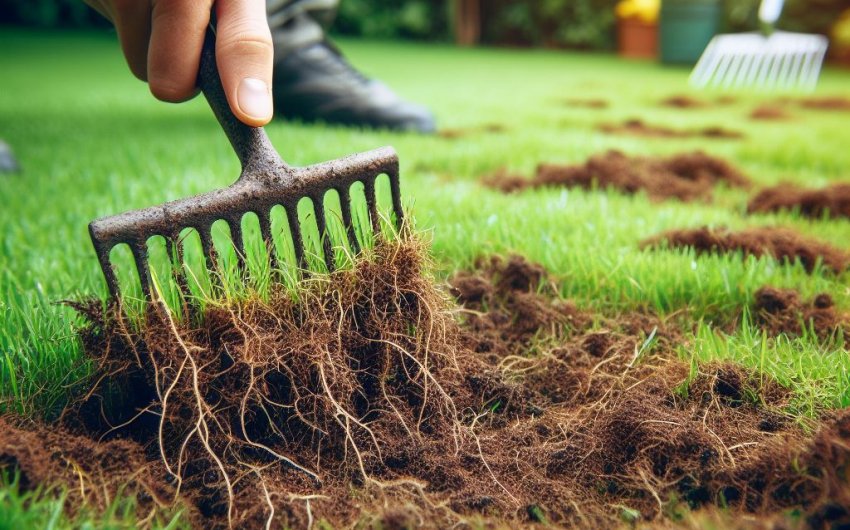
The science behind lawn aeration involves improving soil structure by creating small holes, allowing essential elements to reach grass roots, which is crucial for a healthy, vibrant lawn. Understanding why, when, and how to aerate transforms a struggling turf into a resilient one. This guide delves into the mechanisms of aeration and provides practical steps for implementation.
Why is Lawn Aeration So Important for a Healthy Turf?
Lawn aeration is so important for a healthy turf because it alleviates soil compaction, allowing vital elements like air, water, and nutrients to penetrate the root zone more effectively. Without adequate aeration, grass roots struggle to grow, leading to a thin, weak, and disease-prone lawn. It's like giving your lawn a much-needed breath of fresh air.
- Alleviates Soil Compaction:
- Compaction Defined: Over time, foot traffic, heavy lawn equipment, and even rain can compact the soil. This squeezes soil particles together, reducing the spaces (pore spaces) where air and water reside.
- Impact: Compacted soil chokes grass roots by depriving them of oxygen, restricts their growth, and makes it difficult for water and nutrients to penetrate.
- Aeration Solution: Aeration physically breaks up these compacted layers, creating channels that loosen the soil.
- Improves Air Circulation to Roots:
- Root Respiration: Like all living things, grass roots need oxygen to respire and absorb nutrients efficiently. Compacted soil significantly reduces oxygen availability.
- Benefits of Aeration: By creating holes, aeration allows fresh air to reach the roots, promoting vigorous growth and better nutrient uptake.
- Enhances Water Penetration and Drainage:
- Water Runoff: On compacted lawns, water often pools on the surface or runs off, leading to wasteful irrigation and insufficient moisture reaching the roots.
- Benefits of Aeration: The holes created by aeration act as funnels, allowing water to penetrate deep into the soil. This reduces runoff, improves drainage, and ensures roots get the hydration they need.
- Facilitates Nutrient Absorption:
- Nutrient Delivery: Fertilizers and soil amendments (like compost) can't benefit the grass if they can't reach the root zone.
- Benefits of Aeration: Aeration provides direct pathways for nutrients to move downwards, ensuring they are available for root uptake.
- Encourages Stronger Root Growth:
- Root Expansion: With improved access to air, water, and nutrients, grass roots can grow deeper and spread more widely.
- Benefits of Aeration: A deep, extensive root system makes the grass more drought-tolerant, more resilient to heat stress, and better able to recover from damage.
- Reduces Thatch Buildup:
- Thatch Defined: Thatch is a layer of dead and living organic matter (stems, roots, clippings) that accumulates between the grass blades and the soil surface. A thin layer (less than 1/2 inch) is beneficial, but excessive thatch (over 1/2 inch) can become a problem.
- Problems with Thatch: Thick thatch can harbor pests and diseases, repel water, and prevent air from reaching the soil.
- Benefits of Aeration: Core aeration helps break down thatch by bringing soil microbes (which decompose thatch) to the surface and by creating channels for air and water that aid decomposition.
- Improves Seed-to-Soil Contact (for Overseeding):
- When overseeding after aeration, the holes provide perfect little pockets for new grass seeds to fall into, ensuring excellent seed-to-soil contact, which is critical for successful germination. You can find lawn overseeding grass seed.
In essence, lawn aeration revitalizes the soil environment, addressing the fundamental needs of grass roots and transforming a struggling lawn into a vibrant, resilient turf.
What is Soil Compaction and Why is it Harmful to My Lawn?
Soil compaction occurs when soil particles are pressed together, reducing the pore spaces between them, and it is incredibly harmful to your lawn because it chokes grass roots and creates an inhospitable environment for growth. This physical hardening of the soil is one of the most common causes of lawn decline.
- How Compaction Happens:
- Foot Traffic: Regular walking, playing, or running on the lawn.
- Heavy Equipment: Mowers, tractors, or construction vehicles.
- Rainfall: The impact of raindrops can break down soil aggregates and consolidate surface particles.
- Clay Soil: Soils with a high clay content are more prone to compaction due to their small particle size.
- Improper Tillage: In garden beds, improper tilling can also lead to compaction.
- Why Compaction is Harmful:
- Restricts Root Growth:
- Grass roots need loose, open soil to penetrate and spread. Compacted soil is physically too hard for roots to grow deeply or widely, leading to shallow, weak root systems.
- Reduces Air (Oxygen) to Roots:
- Compacted soil means fewer air pockets. Roots require oxygen for respiration, the process that provides energy for growth and nutrient uptake. Lack of oxygen can lead to root death and overall plant decline.
- Hinders Water Penetration:
- Water struggles to infiltrate compacted soil. Instead, it often pools on the surface or runs off, meaning less water reaches the root zone. This results in inefficient watering and drought stress, even if you are watering regularly.
- Limits Nutrient Absorption:
- Nutrients, whether from fertilizer or organic matter, cannot easily move through compacted soil to reach the roots. This leads to nutrient deficiencies and poor grass health.
- Increases Thatch Buildup:
- Compacted soil slows down the activity of earthworms and beneficial microbes that help decompose thatch. This leads to excessive thatch buildup, which further exacerbates air and water penetration problems.
- Promotes Weeds and Pests:
- Weak, stressed grass in compacted soil is more susceptible to weed invasion (many weeds, like dandelions and plantain, thrive in compacted soil) and insect pests.
- Increased Runoff and Erosion:
- When water can't penetrate compacted soil, it runs off, carrying away topsoil and nutrients, contributing to erosion and water pollution.
- Restricts Root Growth:
In summary, soil compaction creates a suffocating environment for grass roots, fundamentally undermining the health and vigor of your lawn. Lawn aeration is the most effective way to reverse this detrimental process.
What's the Difference Between Core Aeration and Spike Aeration?
Understanding the difference between core aeration and spike aeration is crucial, as they use distinct methods to create holes in the lawn, with core aeration being significantly more effective for relieving soil compaction. Choosing the right method depends on your lawn's specific needs.
Core Aeration (Plug Aeration):
- How it Works: A core aerator machine uses hollow tines to physically extract small plugs (cores) of soil and thatch from the lawn. These plugs are left on the surface to decompose. You can rent a core aerator lawn machine or hire a service.
- Benefits:
- Alleviates Compaction Effectively: By removing soil, it creates new space for roots, air, and water, providing genuine relief from compaction.
- Reduces Thatch: The removed cores help break down thatch by bringing soil microorganisms (that decompose thatch) to the surface.
- Improves Root Growth: Directly opens up pathways for deeper, stronger root development.
- Enhances Overseeding Success: The holes are ideal pockets for new grass seeds to settle into, ensuring excellent seed-to-soil contact.
- Drawbacks:
- More aggressive and creates a temporarily messier lawn with soil plugs.
- Equipment is heavier and more expensive to rent or buy than spike aerators.
- Recommended For: Lawns with moderate to severe compaction, excessive thatch, or those in need of overseeding. It is the preferred and most effective method for most lawns.
Spike Aeration:
- How it Works: A spike aerator uses solid tines (like spikes) to punch holes into the soil, similar to using a garden fork or specialized aerator shoes. You can use a manual spike aerator tool.
- Benefits:
- Simple and less physically demanding than core aeration.
- Less expensive equipment (or just a garden fork).
- Drawbacks:
- Does NOT Alleviate Compaction: Instead of removing soil, spike aeration pushes soil particles aside, which can actually increase compaction around the holes. It simply shifts the problem, rather than solving it.
- Does not effectively reduce thatch.
- Offers limited, temporary improvement in water and air penetration.
- Recommended For: Very light, surface-level aeration needs, or in areas where a core aerator cannot be used. It is generally not recommended for significant compaction problems.
Summary Comparison:
| Feature | Core Aeration (Plug Aeration) | Spike Aeration |
|---|---|---|
| Method | Removes plugs/cores of soil | Pushes spikes into the soil |
| Compaction Relief | Highly Effective | Not Effective; can worsen compaction |
| Thatch Reduction | Helps break down thatch | No significant effect |
| Root Growth | Promotes deep, strong roots | Limited impact |
| Overseeding Success | Excellent (seeds fall into holes) | Limited benefit |
| Effort/Cost | More effort/rental cost, temporarily messier | Less effort/cost, less mess |
| Recommendation | Preferred for most lawns with compaction | Best for very minor, temporary surface issues |
For genuine soil compaction and long-term lawn health, core aeration is the superior method.
When is the Best Time to Aerate My Lawn?
The best time to aerate your lawn is during its peak growing season, when the grass can most quickly recover from the process and fill in any disturbed areas. The exact timing depends on whether you have cool-season or warm-season grass.
Aerating Cool-Season Grasses:
- Best Time: Fall (Late Summer to Early Fall)
- Why: This is the ideal time because cool-season grasses (like Kentucky Bluegrass, Tall Fescue, Perennial Ryegrass) are actively growing in the fall.
- Recovery: They can rapidly recover from the stress of aeration.
- Weed Control: Many weed seeds (especially crabgrass) have already germinated and died or are not yet germinating, reducing weed competition.
- Overseeding Advantage: Fall is also the best time for overseeding cool-season grasses, and aeration provides the perfect seed-to-soil contact.
- Why: This is the ideal time because cool-season grasses (like Kentucky Bluegrass, Tall Fescue, Perennial Ryegrass) are actively growing in the fall.
- Second Best Time: Early Spring
- Why: If you can't do it in the fall, early spring (before summer heat sets in) is another option.
- Caution: Aerating in spring can bring up dormant weed seeds (like crabgrass) that might then germinate. If you plan to apply a pre-emergent herbicide, aeration might disrupt its barrier, so check product labels carefully.
- Avoid: Do NOT aerate cool-season grasses in the summer heat, as they are stressed or semi-dormant, and aeration will further weaken them.
Aerating Warm-Season Grasses:
- Best Time: Late Spring to Early Summer
- Why: This is the ideal time for warm-season grasses (like Bermudagrass, Zoysiagrass, St. Augustinegrass, Centipedegrass) because they are actively growing and thriving in warm temperatures.
- Recovery: They will quickly recover from aeration.
- Weed Control: Many summer annual weeds have already germinated, reducing competition for newly seeded grass (if overseeding warm-season types).
- Why: This is the ideal time for warm-season grasses (like Bermudagrass, Zoysiagrass, St. Augustinegrass, Centipedegrass) because they are actively growing and thriving in warm temperatures.
- Avoid: Do NOT aerate warm-season grasses in the fall or winter when they are going dormant or are fully dormant, as they will not recover, and it could lead to winterkill.
General Guidelines, Regardless of Grass Type:
- Soil Moisture: Aerate when the soil is moist but not soggy. This allows the aerator tines to penetrate deeply and cleanly without getting stuck or tearing the turf. Water the lawn thoroughly a day or two before if the soil is dry. You can use a soil moisture meter for aeration.
- Grass Health: Only aerate a healthy, actively growing lawn. Do not aerate a lawn that is stressed from drought, disease, or insect infestation. Address those issues first.
- Frequency: Most lawns benefit from aeration annually or every other year, especially if they receive heavy traffic or have clay soil.
Choosing the optimal time ensures that your lawn recovers quickly and fully benefits from the aeration process, leading to stronger, healthier turf.
How Do I Aerate My Lawn: Step-by-Step Guide?
Aerating your lawn is a straightforward process, but preparing correctly and following the right steps will ensure maximum effectiveness and prevent damage. This step-by-step guide focuses on using a core aerator, the most beneficial method for relieving compaction.
Step 1: Prepare Your Lawn
- Water the Lawn (1-2 Days Before):
- Thoroughly water your lawn one to two days before you plan to aerate. The soil should be moist but not soggy. This allows the aerator tines to penetrate deeply and cleanly without getting clogged or causing excessive tearing.
- Mow the Lawn:
- Mow your lawn to its normal height a day or two before aeration. Shorter grass makes it easier for the aerator to penetrate and for the soil plugs to decompose later.
- Mark Obstacles:
- Mark any sprinkler heads, buried utility lines, shallow irrigation lines, or invisible dog fences with flags. Hitting these with an aerator can cause significant damage. You can find garden marking flags.
Step 2: Choose and Operate Your Aerator
- Choose Your Aerator Type:
- Gas-Powered Core Aerator (Recommended for most lawns): These can be rented from home improvement stores or equipment rental centers. They are the most efficient for larger lawns.
- Manual Core Aerator: A manual core aerator tool (step-on plug aerator) is suitable for smaller lawns or spot-treating compacted areas.
- Spike Aerator (Use with caution): If using a spike aerator, understand its limitations as it doesn't relieve compaction effectively.
- Read Aerator Instructions:
- If renting a machine, read the operator's manual carefully for safety instructions and operating procedures.
- Aerating Pattern:
- Standard Coverage: Make a single pass over your entire lawn. This is usually sufficient for maintenance.
- Heavily Compacted Areas: For areas with high traffic, clay soil, or severe compaction, make two passes in perpendicular directions (e.g., once north-south, then once east-west).
- Overlap: Overlap each pass slightly to ensure even coverage.
- Keep Moving:
- Keep the aerator moving at a consistent pace. Do not stop with the tines engaged, as this can tear up the turf.
- Focus on Problem Areas:
- Spend extra time (making more passes) on areas that get heavy foot traffic, are prone to puddling, or are obviously struggling.
Step 3: Post-Aeration Care
- Leave the Cores (Plugs) on the Lawn:
- Crucial Step: Do NOT remove the soil plugs. Let them dry on the surface for a day or two, then break them up with a lawnmower, rake, or by simply walking on them.
- Benefits: These plugs contain valuable soil and microbes that help decompose thatch and enrich the soil as they break down.
- Overseed (Highly Recommended):
- Aeration creates the perfect environment for new grass seed. Spread your chosen lawn overseeding grass seed immediately after aeration. The holes provide excellent seed-to-soil contact, maximizing germination.
- Apply Topdressing (Optional but Beneficial):
- After overseeding, apply a thin layer (1/4 inch) of organic compost topdressing to further improve seed-to-soil contact, retain moisture, and add nutrients.
- Fertilize:
- Apply a starter fertilizer (high in phosphorus) if overseeding, or your regular seasonal fertilizer if not overseeding.
- Water Immediately and Consistently:
- Crucial: Water your lawn thoroughly immediately after aeration, overseeding, and fertilizing. Continue to water lightly and frequently for the next 2-3 weeks (especially if overseeding) to keep the disturbed soil and new seeds moist. Use a smart sprinkler controller for efficient watering.
By diligently following these steps, you'll perform effective lawn aeration, transforming your turf into a healthier, more vibrant, and resilient green space.
What Are the Benefits of Overseeding After Aeration?
The benefits of overseeding after aeration are synergistic, as aeration creates the ideal conditions for new grass seeds to germinate and establish successfully. This combination is a powerful strategy for thickening a thin lawn, improving its density, and enhancing overall health and resilience.
- Maximized Seed-to-Soil Contact:
- Aeration's Role: The holes (plugs) created by core aeration are perfect little pockets for grass seeds to fall into. This ensures the seeds are surrounded by soil, which is absolutely critical for them to absorb consistent moisture and germinate.
- Problem Solved: When seeds are just broadcast on the surface, many don't get good contact, leading to poor germination.
- Improved Germination Rates:
- Because of the excellent seed-to-soil contact and the improved environment (air, water, nutrients) in the aeration holes, new grass seeds germinate much more effectively and reliably.
- Enhanced Nutrient and Water Uptake for New Seedlings:
- The loosened soil and aeration holes allow water and starter fertilizer to penetrate directly to where the new grass seedlings' roots will develop, giving them a strong start.
- Increased Lawn Density:
- Crowds Out Weeds: Overseeding fills in bare spots and existing thin areas, making your lawn much denser. A thick, dense lawn is the best natural defense against weeds, as it shades out weed seeds and competes aggressively for light, water, and nutrients.
- Aesthetics: A denser lawn looks fuller, greener, and more lush.
- Improved Appearance and Color:
- Overseeding allows you to introduce newer, often improved grass cultivars that may have better color, texture, or disease resistance, rejuvenating the overall appearance of your lawn.
- Enhanced Disease and Pest Resistance:
- A dense, healthy lawn is inherently more resistant to diseases and less appealing to many lawn pests.
- Introducing new varieties through overseeding can also improve the genetic diversity of your turf, increasing its overall resilience.
- Faster Recovery from Damage:
- If your lawn has suffered from drought, disease, or pest damage, overseeding after aeration helps it recover more quickly by encouraging new growth.
Timing: For cool-season grasses, the best time to aerate and overseed is in the fall. For warm-season grasses, it's in late spring/early summer. Always follow up with diligent, light, and frequent watering to keep the new seeds moist until they establish. You can find lawn overseeding tools to help.
The combination of aeration and overseeding is a powerful synergy that transforms weak, patchy lawns into vibrant, healthy, and resilient turf.
How Can I Maintain My Lawn's Aeration and Soil Health Long-Term?
Maintaining your lawn's aeration and soil health long-term is an ongoing commitment to good cultural practices, ensuring your turf remains vigorous and resilient year after year. It's about preventing compaction and nurturing the soil as a living ecosystem.
- Regular Aeration (Preventative):
- Frequency: Aerate your lawn annually or every other year, depending on your soil type (clay soils may need more frequent aeration) and traffic levels. Don't wait until compaction is severe.
- Core Aeration: Continue to use core aeration for genuine compaction relief.
- Timing: Stick to the optimal timing for your grass type (fall for cool-season, late spring/early summer for warm-season).
- Topdressing with Organic Compost:
- Annually/Biennially: Apply a thin layer (1/4 to 1/2 inch) of screened, finished organic compost topdressing over your lawn. This gradually adds organic matter, improves soil structure, feeds microbes, and enhances aeration over time.
- Combine with Aeration/Overseeding: Topdressing is especially effective after aeration and overseeding, as it fills the holes and benefits new grass growth.
- "Grasscycling" (Leave Clippings):
- Consistent Practice: Continuously leave short grass clippings on your lawn when you mow. These decompose, returning nitrogen and valuable organic matter, contributing to long-term soil health and a vibrant lawn.
- Mow High: This ensures clippings are short and break down quickly.
- Proper Mowing Height:
- Consistent Height: Maintain a consistently high mowing height (3-4 inches). Taller grass promotes deeper root growth and helps protect the soil from compaction by cushioning foot traffic.
- Deep, Infrequent Watering:
- Encourage Deep Roots: Continue to water deeply and infrequently to train grass roots to grow far down, making them more drought-tolerant and less susceptible to surface compaction.
- Balanced Organic Fertilization:
- Soil Test: Continue regular soil testing to guide your organic fertilization schedule.
- Feed the Soil: Use organic fertilizers that nurture the soil ecosystem, promoting microbial activity that improves soil structure and nutrient availability.
- Manage Traffic:
- Vary Pathways: If possible, vary your walking paths across the lawn to distribute foot traffic and prevent concentrated compaction in certain areas.
- Hardscaping: Consider adding stepping stones or paths in high-traffic areas to reduce pressure on the lawn.
- Address Thatch:
- If thatch begins to exceed 1/2 inch, plan for a dethatching session (often done in conjunction with aeration) to ensure air and water can reach the soil.
- Encourage Earthworms:
- A healthy, organically rich soil with consistent moisture will naturally attract earthworms, which are excellent natural aerators, constantly tunneling and improving soil structure.
By adopting these holistic and consistent practices, you proactively prevent soil compaction and cultivate a thriving, resilient lawn ecosystem, benefiting from the profound science behind lawn aeration and long-term soil health.
The science behind lawn aeration clearly demonstrates its critical role in alleviating soil compaction, a pervasive issue that chokes grass roots and undermines turf health. By understanding why, when, and how to aerate, you empower your lawn to access vital air, water, and nutrients, fostering robust root growth and a dense, resilient turf. Integrating this practice with overseeding and ongoing soil care is the most effective path to a truly vibrant and sustainable green space.