
Optimizing Water Usage: Smart Irrigation Techniques for Lawns
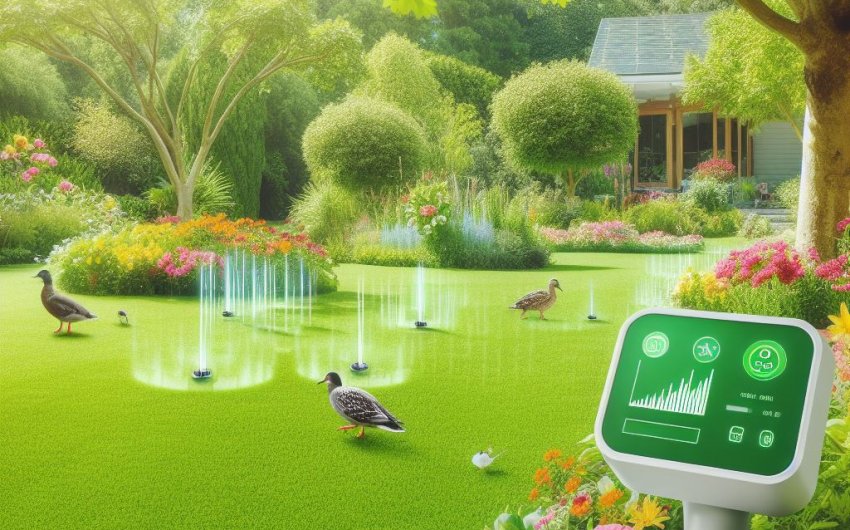
Optimizing water usage through smart irrigation techniques for lawns is essential for maintaining a healthy, vibrant turf while conserving a precious resource. Gone are the days of mindlessly watering on a fixed schedule; modern approaches leverage technology and horticultural knowledge to ensure your lawn receives precisely the right amount of water at the optimal time. This guide will help you transform your watering habits into efficient, sustainable practices.
Why is Optimizing Water Usage for My Lawn So Important?
Optimizing water usage for your lawn is so important because it directly impacts both environmental sustainability and your wallet, while also promoting a healthier, more resilient turf. Inefficient watering is a significant source of water waste and can actually harm your lawn in the long run.
- Environmental Conservation:
- Resource Depletion: Freshwater is a finite resource. Landscape irrigation accounts for a substantial portion of residential water use, sometimes up to 50%. Optimizing usage directly contributes to conserving this vital resource.
- Reduced Runoff: Efficient watering minimizes runoff, preventing excess water (and potentially fertilizers/pesticides) from entering storm drains, rivers, and lakes, thus reducing water pollution.
- Cost Savings:
- Lower Water Bills: Using less water directly translates to significantly lower monthly water bills, making smart irrigation a wise financial investment.
- Reduced Fertilization Needs: Healthy, deep-rooted grass (promoted by smart watering) often requires less frequent fertilization, leading to further savings.
- Healthier, More Resilient Lawn:
- Deeper Roots: Deep, infrequent watering encourages grass roots to grow deeper, making the lawn more drought-tolerant and less susceptible to stress.
- Disease Prevention: Overwatering, especially in the evening, creates humid conditions that promote fungal diseases. Smart watering reduces this risk.
- Weed Suppression: A dense, healthy lawn (a result of proper watering) naturally crowds out weeds by competing for light and nutrients.
- Avoid Compaction: Excessive shallow watering can contribute to soil compaction over time.
- Compliance with Water Restrictions:
- In many regions, water restrictions are becoming increasingly common due to drought. Optimized watering helps you comply with these regulations and avoid penalties.
- Sustainability:
- Embracing smart irrigation is a key component of sustainable landscaping, contributing to a more eco-friendly home and community.
By prioritizing optimizing water usage through smart irrigation techniques, you're not just watering your lawn; you're investing in its long-term health, protecting the environment, and saving money.
What are the Fundamental Principles of Efficient Lawn Watering?
The fundamental principles of efficient lawn watering revolve around giving your grass the right amount of water, at the right time, and in the right way, to encourage deep root growth and minimize waste. These core practices are the foundation for any smart irrigation strategy.
- Water Deeply and Infrequently:
- Encourage Deep Roots: This is the most crucial principle. Instead of light, frequent sprinkles, water your lawn thoroughly enough for the moisture to penetrate 4-6 inches into the soil. This encourages grass roots to grow deep, making the lawn more resilient to drought and requiring less frequent watering.
- Allow Drying: Let the top 1-2 inches of soil dry out between waterings. This promotes oxygen exchange in the root zone and signals to the roots to reach deeper for moisture.
- How Much? A general rule of thumb is to apply about 1 inch of water per week, either from rain or irrigation. You can use a rain gauge for lawn watering to track this.
- Water Early in the Morning:
- Minimize Evaporation: The ideal time to water is between 4 AM and 9 AM. Temperatures are cooler, winds are calmer, and the sun is not yet intense, which significantly reduces water loss due to evaporation.
- Prevent Disease: Watering in the morning allows grass blades to dry completely before nightfall, which is crucial for preventing fungal diseases that thrive in prolonged dampness.
- Avoid Mid-Day: Watering in the middle of the day leads to excessive evaporation and can sometimes scorch leaves.
- Avoid Evening: Watering in the evening leaves foliage wet overnight, creating a prime environment for disease.
- Water Only When the Lawn Needs It:
- Observe Your Grass: Look for visual cues that your lawn needs water:
- Grass blades turn a dull, bluish-gray color.
- Footprints remain on the lawn after walking, rather than springing back.
- Leaves of certain grasses (like Bermudagrass) may fold up.
- Use a Soil Moisture Meter: This is the most accurate way. A soil moisture meter for lawn care can tell you exactly how much moisture is at root level, preventing guesswork.
- Skip After Rain: If your lawn has received sufficient rainfall, skip your scheduled irrigation cycle.
- Observe Your Grass: Look for visual cues that your lawn needs water:
- Ensure Uniform Coverage:
- Sprinkler Performance: Check your sprinkler system to ensure it's delivering water evenly across the entire lawn without over-saturating some areas and missing others.
- Adjust/Repair: Adjust sprinkler heads as needed, and repair any broken or clogged heads.
- Avoid Runoff: If water starts to run off before reaching the desired depth, break up your watering into shorter cycles (e.g., 15 minutes, wait an hour, then another 15 minutes) to allow water to soak in.
- Target Water to the Lawn Only:
- Direct sprinkler heads to water only the lawn. Avoid spraying sidewalks, driveways, or streets, which is wasteful and can lead to runoff pollution.
By adhering to these fundamental principles, you can develop a highly effective and efficient watering routine that keeps your lawn healthy while conserving water.
What is a Smart Irrigation Controller and How Does it Work?
A smart irrigation controller is an advanced sprinkler timer that automatically adjusts your lawn's watering schedule based on real-time weather conditions, soil moisture levels, and plant needs, significantly optimizing water usage. It moves beyond fixed schedules to provide precise, demand-driven irrigation.
- How it Works (Key Technologies):
- Weather-Based Controllers (ET Controllers):
- Function: These controllers use local weather data (Evapotranspiration or ET rates, rainfall, temperature, humidity, wind) to calculate how much water your lawn has lost to evaporation and transpiration, and how much rain has fallen.
- Data Source: They get this data either through a direct connection to a nearby weather station or by accessing online weather services via Wi-Fi.
- Adjustment: Based on these calculations, the controller automatically adjusts the watering duration and frequency for each zone. For example, it will skip watering if it rained, or increase duration during a heatwave.
- Soil Moisture Sensor Controllers:
- Function: These controllers are connected to soil moisture sensors buried in the lawn. The sensors continuously measure the actual moisture content of the soil at the root zone.
- Trigger: The controller will only initiate a watering cycle when the soil moisture drops below a pre-set threshold. It will skip watering if the soil is already adequately moist.
- Accuracy: This provides very precise, on-demand watering based on the lawn's direct needs. You can find smart irrigation controllers with soil sensors.
- Weather-Based Controllers (ET Controllers):
- Additional Smart Features:
- Wi-Fi Connectivity: Many smart controllers connect to your home Wi-Fi, allowing you to manage and monitor your system remotely via a smartphone app.
- Seasonal Adjustment: Automatically adjusts watering schedules throughout the year as seasons change.
- Zone Management: Allows you to customize watering for different zones based on plant type, sun exposure, and sprinkler type.
- Flow Sensors: Some advanced systems can detect leaks or breaks in the irrigation system by monitoring water flow.
- Integration: Can integrate with other smart home systems.
- Benefits:
- Significant Water Savings: Often reduces water consumption by 30-50% compared to traditional timers.
- Healthier Lawn: Prevents overwatering (leading to root rot/disease) and underwatering (leading to drought stress), promoting deeper, stronger roots.
- Convenience: Automates watering decisions, reducing manual adjustments.
- Compliance: Helps adhere to local water restrictions.
- Cost-Effective: Pays for itself over time through reduced water bills.
A smart irrigation controller takes the guesswork out of lawn watering, transforming it into an intelligent, responsive system that benefits both your lawn and the environment. You can find many brands of smart sprinkler controllers Wi-Fi.
How Do I Install and Set Up a Smart Irrigation Controller?
Installing and setting up a smart irrigation controller is a relatively straightforward DIY project for most homeowners, especially when replacing an existing conventional controller. The process involves basic electrical and wiring steps, followed by programming the device to your specific lawn and climate.
Step-by-Step Installation:
- Safety First: Turn Off Power:
- Locate the breaker for your existing sprinkler system (or your main electrical panel) and turn off the power to the controller.
- Take a photo of your existing wiring before disconnecting anything.
- Remove Old Controller:
- Carefully disconnect the wires from your old controller. These typically include:
- Common Wire (C): Usually a white wire, connects to all valves.
- Zone Wires (1, 2, 3...): Connects to individual sprinkler valves for each zone.
- Master Valve (M, if applicable): Controls a main valve for the entire system.
- Sensor Wires (if applicable): For rain sensors, etc.
- Power Wires (AC IN): For the transformer.
- Carefully disconnect the wires from your old controller. These typically include:
- Mount New Smart Controller:
- Follow the manufacturer's instructions to securely mount the new smart sprinkler controller to the wall.
- Ensure it's in a safe location, ideally protected from direct weather if it's not rated for outdoor use, and away from direct sunlight.
- Wire the New Controller:
- Using your photo as a guide, connect the common wire, zone wires, master valve wire, and any sensor wires to the corresponding terminals on your new smart controller.
- Connect the power transformer according to instructions.
- Restore Power and Test:
- Turn the power back on at the breaker.
- The controller should power up.
Step-by-Step Setup and Programming (Via App):
- Download the App:
- Download the manufacturer's dedicated smartphone app (e.g., Rachio, Hunter Hydrawise, Rain Bird).
- Connect to Wi-Fi:
- Follow the in-app instructions to connect your smart controller to your home Wi-Fi network. This allows it to access weather data and remote control.
- Create Zones and Customize Settings:
- Name Zones: Name each watering zone in your app (e.g., "Front Lawn Sun," "Back Lawn Shade," "Side Garden").
- Define Zone Properties (Crucial for Smart Features): For each zone, you'll input critical information:
- Plant Type: (e.g., Cool-Season Grass, Warm-Season Grass, Shrubs, Flowers)
- Soil Type: (e.g., Clay, Loam, Sand)
- Sun Exposure: (e.g., Full Sun, Partial Shade, Shade)
- Slope: (e.g., Flat, Slight, Moderate)
- Sprinkler Head Type: (e.g., Rotor, Spray, Drip) - This determines the "precipitation rate."
- Location: Confirms your geographical coordinates for hyper-local weather data.
- Set Up Schedules:
- Smart/Flex Schedule: Select the "smart" or "flex" scheduling option that leverages weather data and zone properties. The controller will then generate an optimized watering schedule.
- Watering Window: Set preferred watering days/times (e.g., mornings only) and any restrictions (e.g., local water restrictions).
- Test Run:
- Perform a test run of each zone through the app to ensure all sprinklers are working correctly and the coverage is even. Adjust sprinkler heads as needed.
- Monitor and Fine-Tune:
- Over the first few weeks, monitor your lawn and plants closely. The controller's algorithm will learn, but you might need to make small adjustments based on your observations. Look for signs of overwatering (fungal growth) or underwatering (wilting).
- Your soil moisture meter can still be a valuable tool for verification.
With proper installation and meticulous setup, your smart irrigation controller will begin its work of optimizing water usage for a thriving lawn.
How Do I Perform a Sprinkler System Audit for Efficiency?
You perform a sprinkler system audit for efficiency by systematically checking each component of your irrigation system to ensure it's functioning optimally, delivering water uniformly, and minimizing waste. This audit helps identify problems that lead to overwatering, underwatering, and high water bills.
Step 1: Visual Inspection (Walk-Through)
- Run Each Zone: Turn on each irrigation zone individually.
- Check for Leaks: Look for obvious leaks from pipes, valves, or sprinkler heads.
- Inspect Heads:
- Are all sprinkler heads functioning? (Not stuck, broken, or clogged).
- Are they spraying uniformly? (No misting from high pressure, no geysers from broken heads).
- Are they aimed correctly? (Not watering sidewalks, driveways, or structures).
- Are they the correct height? (Not blocked by grass or too high).
- Check for Dry/Wet Spots: Note any areas that are consistently too wet (puddling) or too dry. This indicates uneven coverage.
Step 2: Catch Can Test (Distribution Uniformity)
- Gather Cans: Collect 5-10 identical, straight-sided containers (like tuna cans or pet food cans).
- Placement: Place them evenly throughout one watering zone, covering the area from the sprinkler head to the edge of its spray pattern.
- Run Zone: Run the zone for a specific, measurable time (e.g., 10-20 minutes).
- Measure Water: After the cycle, measure the amount of water collected in each can using a ruler.
- Calculate:
- Average: Calculate the average depth of water in all cans. This tells you your precipitation rate.
- Uniformity: Look at the differences. If some cans have significantly more or less water than the average, your system has poor distribution uniformity. This indicates your sprinkler heads are not covering the area evenly.
- Repeat: Repeat this test for every irrigation zone.
Step 3: Identify Problems and Solutions
Based on your visual inspection and catch can test, identify specific problems:
| Problem | Solution |
|---|---|
| Leaking Pipes/Valves | Repair or replace immediately. |
| Broken/Clogged Sprinkler Heads | Clean or replace faulty heads. |
| Incorrectly Aimed Heads | Adjust the spray pattern and arc of heads to target only the lawn. |
| Misting Heads (High Pressure) | Install a pressure regulator at the zone valve or replace heads with low-pressure models. |
| Uneven Coverage (Catch Can Test) | |
| - Dry spots | Add more heads, adjust spacing, use different nozzle types. |
| - Wet spots/Runoff | Reduce watering duration; consider cyclic watering (run, pause, run again to allow infiltration). |
| Grass blocking heads | Adjust head height, trim grass around heads. |
| No Rain Sensor Function | Check wiring, test sensor, or replace rain sensor for sprinkler. |
Step 4: Adjust Watering Schedule
- Using your calculated precipitation rates and observations from the audit, adjust your smart irrigation controller (or even a conventional one) to deliver the precise amount of water needed for each zone, based on your soil type and plant needs. This ensures you're applying only what's necessary, preventing waste.
Performing a regular sprinkler system audit (at least annually) is a crucial step in optimizing water usage and maintaining the efficiency of your lawn irrigation.
How Can Soil Amendments and Mulch Improve Water Retention?
Soil amendments and mulch can significantly improve water retention in your lawn and garden beds by enhancing the soil's ability to absorb and hold moisture, while reducing evaporation from the surface. These practices are fundamental to efficient water usage.
How Soil Amendments Improve Water Retention:
- Organic Matter (Compost):
- Mechanism: Adding organic compost is the most effective way to improve water retention in almost any soil type. Organic matter acts like a sponge, holding many times its weight in water.
- Benefits:
- Sandy Soil: Fills the large pore spaces in sandy soil, preventing water from draining too quickly.
- Clay Soil: Aggregates clay particles, improving overall soil structure, which ironically increases drainage while also increasing water-holding capacity (by creating more internal surface area).
- Application: Top-dress lawns with 1/4 to 1/2 inch of compost annually. For garden beds, incorporate several inches into the top 6-12 inches of soil.
- Wetting Agents/Surfactants:
- Mechanism: These are often found in liquid lawn products. They reduce the surface tension of water, allowing it to penetrate hydrophobic (water-repelling) soil more easily. This is particularly useful for compacted soil or turf with heavy thatch.
- Benefits: Improves initial water infiltration, preventing runoff. You can find lawn wetting agent surfactant.
- Application: Follow product directions, typically applied as a liquid spray.
- Biochar:
- Mechanism: A charcoal-like substance created by burning organic matter in a low-oxygen environment. It has a highly porous structure.
- Benefits: Improves soil structure, water retention, and nutrient retention for long periods.
- Application: Incorporate into soil at planting or use as a topdressing.
How Mulch Improves Water Retention:
- Evaporation Barrier:
- Mechanism: A layer of mulch (organic or inorganic) on the soil surface acts as a physical barrier, blocking direct sunlight and wind from the soil. This dramatically reduces water evaporation.
- Benefits: Keeps the soil consistently cooler and moister, significantly reducing the frequency of watering needed.
- Weed Suppression:
- Mechanism: Mulch blocks light, suppressing weed germination. Weeds compete with desired plants for water, so suppressing them directly conserves water.
- Temperature Moderation:
- Mechanism: Insulates the soil, keeping it cooler in summer (reducing evaporation) and warmer in winter (protecting roots).
- Organic Matter Contribution (Organic Mulch):
- Mechanism: Organic mulch (wood chips, shredded leaves, straw, compost) breaks down over time, adding beneficial organic matter to the soil below, further enhancing its water-holding capacity.
- Application (Garden Beds):
- Apply a 2-4 inch layer of mulch around plants and over garden beds. Keep it a few inches away from plant stems and tree trunks.
- Application (Lawns - "Grasscycling"):
- Leaving short grass clippings on your lawn ("grasscycling") acts as a light mulch, helping to retain surface soil moisture and adding organic matter.
By combining the power of soil amendments (especially compost) and strategic mulching, you create a soil environment that is naturally more efficient at storing and delivering water to your lawn and garden plants, leading to healthier growth with less irrigation.
What Are Practical Tips for Drought-Proofing My Lawn?
Drought-proofing your lawn involves a series of practical tips focused on enhancing grass resilience, optimizing water use, and choosing appropriate grass types, ensuring your turf can better withstand and recover from prolonged dry spells. It's about proactive preparation, not reactive emergency watering.
- Choose Drought-Tolerant Grass Varieties:
- Right Plant, Right Place: If you live in a drought-prone area, select grass types naturally adapted to dry conditions.
- Warm-Season: Bermudagrass, Zoysiagrass, Bahiagrass are excellent.
- Cool-Season: Tall Fescue and some Fine Fescues are the best cool-season options. You can find drought tolerant grass seed mix.
- Right Plant, Right Place: If you live in a drought-prone area, select grass types naturally adapted to dry conditions.
- Deep, Infrequent Watering:
- Root Development: Train your lawn's roots to grow deep by watering thoroughly (4-6 inches deep) but less often. This allows roots to access deeper soil moisture during dry periods.
- Observe Visual Cues: Only water when you see signs of drought stress (dull color, footprints). Don't water just because it's Tuesday.
- Mow High:
- Shade and Moisture: Maintain your grass at its highest recommended height (3-4 inches). Taller blades shade the soil, keeping it cooler and significantly reducing water evaporation.
- Stronger Roots: Mowing high also promotes a deeper root system.
- Aerate Annually/Biennially:
- Alleviate Compaction: Regular core aeration relieves soil compaction, allowing water to penetrate deeper into the root zone instead of running off. It also promotes deeper roots.
- Overseed with Drought-Tolerant Varieties:
- If your existing lawn is thin, overseed with drought-tolerant grass varieties to increase overall turf density and resilience. Best done after aeration.
- Build Healthy Soil with Organic Matter:
- Compost is Key: Incorporate organic compost into your soil or top-dress regularly. Soil rich in organic matter acts like a sponge, dramatically improving water retention.
- "Grasscycling" (Leave Clippings):
- Leave short grass clippings on your lawn. They act as a light mulch, reducing surface evaporation and returning valuable organic matter to the soil, boosting its water-holding capacity.
- Avoid Fertilizing During Drought:
- Do not apply fertilizer to a drought-stressed lawn. This will only add more stress. Wait until conditions improve.
- Allow for Dormancy (When Severe):
- If a severe, prolonged drought hits, sometimes the most water-wise strategy is to allow your lawn to go dormant (turn brown). Dormant grass is not dead; it conserves energy and will green up again when moisture returns. A very light watering (e.g., 1/4 inch every 2-3 weeks) can help dormant grass survive extreme conditions.
- Install a Smart Irrigation System:
- As discussed, a smart sprinkler controller that adjusts based on weather and soil moisture is an invaluable tool for drought-proofing.
By implementing these practical tips, you can transform your lawn into a more drought-resilient landscape, reducing its water demands and ensuring its health even during dry periods.
By truly optimizing water usage through smart irrigation techniques for lawns, you gain a powerful tool for environmental stewardship and efficient garden management. From the precision of smart controllers to the foundational benefits of healthy soil and drought-tolerant grasses, every step contributes to a vibrant, resilient turf that thrives with less water. Embracing these techniques ensures your lawn is not just green, but also sustainable and prepared for any weather conditions.