
Cultivating Guava Trees in Non-Tropical Climates: A Comprehensive Guide
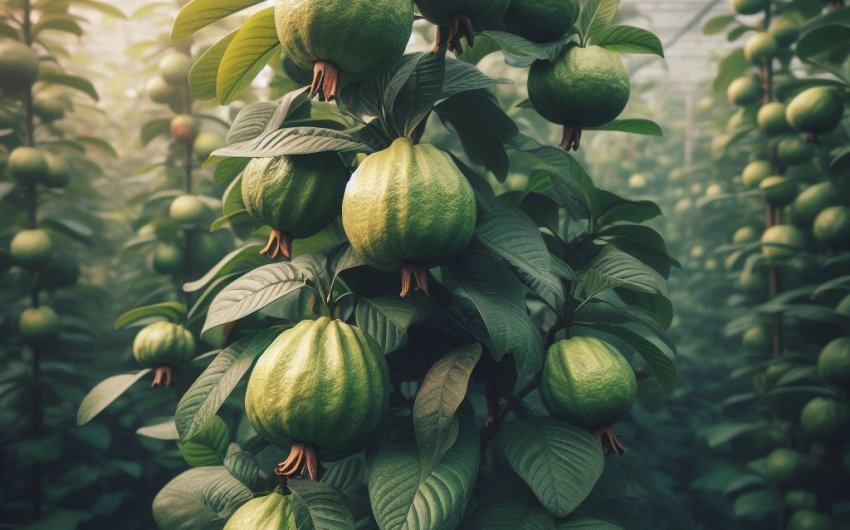
Yes, you can absolutely succeed in cultivating guava trees in non-tropical climates, though it requires specific strategies and protective measures to mimic their preferred warm, humid environment. While challenging, growing guava outside its native range is achievable with careful selection of varieties, container cultivation, and winter protection. This comprehensive guide will show you how to enjoy homegrown guavas even in cooler zones.
What Climate Conditions Do Guava Trees Normally Need?
Guava trees (Psidium guajava) are native to tropical and subtropical regions of Central and South America, meaning they thrive in very specific climate conditions. Understanding these ideal requirements is the first step to successful cultivation in non-tropical climates, as your goal will be to replicate these as much as possible.
- Warm Temperatures:
- Frost-Sensitive: Guava trees are highly frost-sensitive. Even a light frost can damage young plants, and hard freezes (temperatures consistently below 30°F / -1°C) can kill mature trees, especially younger ones.
- Optimal Growing Range: They prefer consistently warm temperatures, ideally between 75-85°F (24-29°C), for vigorous growth, flowering, and fruit production.
- Minimum for Fruit Set: Consistent temperatures above 60°F (15°C) are generally needed for flowering and fruit development.
- High Humidity:
- Guavas originate from humid environments and prefer moderate to high humidity for optimal health and fruit quality. Dry air can lead to leaf drop and stressed plants.
- Plenty of Sunlight:
- They are sun-loving plants, requiring full sun (at least 6-8 hours of direct sunlight per day) to produce abundant flowers and sweet, flavorful fruit.
- Consistent Moisture (but well-drained):
- Guava trees need consistent moisture, especially during flowering and fruiting. They do not tolerate prolonged drought well.
- However, they are also highly susceptible to root rot in waterlogged or poorly draining soil. A soil moisture meter is essential for monitoring.
- Specific Soil:
- While adaptable, they prefer a well-draining, slightly acidic to neutral soil (pH 5.0-7.0) rich in organic matter.
- Lack of Strong Winds:
- Young trees can be susceptible to wind damage. Shelter from strong winds is beneficial.
These ideal conditions are why guava trees naturally flourish in USDA Hardiness Zones 9-11 (and sometimes 8b with significant protection). Cultivating guava trees in non-tropical climates requires mitigating deviations from these optimal conditions, primarily by providing winter protection and managing moisture carefully.
What Guava Varieties are Most Cold-Tolerant for Non-Tropical Climates?
When cultivating guava trees in non-tropical climates, choosing the most cold-tolerant guava varieties is crucial for increasing your chances of success. While no guava is truly "cold hardy" in freezing temperatures, some cultivars can withstand slightly cooler conditions or recover more readily from minor frost.
Here are some guava varieties known for their relatively better cold tolerance:
- Pineapple Guava (Feijoa sellowiana or Acca sellowiana):
- Note: This is technically not a true guava (Psidium guajava) but is often called "Pineapple Guava" due to its similar fruit flavor. It is the most cold-tolerant "guava" you can grow.
- Cold Hardiness: Hardy to USDA Zone 8 (down to 10-15°F / -12 to -9°C).
- Fruit: Distinctive, sweet-tart fruit with a gritty texture, often used in jams, jellies, or eaten fresh.
- Growth: Evergreen shrub or small tree, excellent ornamental value with attractive flowers.
- Benefit: Can be grown directly in the ground in many non-tropical climates.
- *Mexican Cream Guava (Psidium guajava 'Mexican Cream'):*
- Cold Hardiness: Often cited as one of the most cold-tolerant true guava varieties, capable of surviving brief dips to around 20-25°F (-7 to -4°C) once mature and established, though it will likely experience leaf damage or dieback.
- Fruit: Medium-sized, round fruit with creamy white, very sweet, aromatic flesh. Fewer seeds than other varieties.
- Growth: Vigorous grower.
- *Red Malaysian Guava (Psidium guajava 'Red Malaysian'):*
- Cold Hardiness: Similar to Mexican Cream, it can withstand brief freezes around 20-25°F (-7 to -4°C) when mature.
- Fruit: Distinctive red skin and pinkish-red flesh, sweet and aromatic.
- Growth: Also attractive for its reddish new foliage.
- Lemon Guava / Strawberry Guava (Psidium littorale or Psidium cattleianum):
- Note: Another distinct species, not Psidium guajava.
- Cold Hardiness: More cold-tolerant than common guavas, generally hardy to USDA Zone 9 (down to 20°F / -7°C).
- Fruit: Smaller fruits with a distinct lemon-like (yellow variety) or strawberry-like (red variety) flavor. Often used for juice or jam.
- Growth: Smaller shrub or tree, less vigorous than common guava. Can become invasive in some warm climates.
- *Peruvian White Guava (Psidium guajava 'Peruvian White'):*
- Cold Hardiness: Similar to Mexican Cream, with decent tolerance for brief colder spells.
- Fruit: Large, round fruit with white flesh, known for its sweetness and relatively few seeds.
While these varieties offer the best chance for cultivating guava trees in non-tropical climates, even they will require significant winter protection (especially when young) if temperatures regularly drop below freezing. Container growing is often the most practical solution for true guavas in colder zones.
How Can I Grow Guava Trees in Pots or Containers in Cooler Zones?
You can successfully grow guava trees in pots or containers in cooler zones by bringing them indoors or providing robust protection during cold weather, allowing you to enjoy fresh fruit where they wouldn't survive in the ground. Container cultivation is the most practical method for cultivating guava trees in non-tropical climates.
Container Requirements:
- Pot Size:
- Start Small, Pot Up: Begin with a 5-gallon pot for a young plant. As the guava grows, gradually pot it up into larger containers.
- Mature Size: For a mature, fruit-producing tree, aim for a pot at least 15-25 gallons (20-30 inches in diameter). Guavas are vigorous growers and need ample root space.
- Material: Choose plastic, fabric grow bags (fabric grow bag 25 gallon), or glazed ceramic pots. Terracotta can dry out too quickly.
- Drainage: Ensure the container has excellent drainage holes.
- Potting Mix:
- Use a high-quality, well-draining potting mix specifically formulated for containers. A blend designed for citrus or fruit trees, or a mix of peat moss, perlite, and a bit of compost works well.
- Avoid Garden Soil: Never use heavy garden soil in pots, as it compacts and leads to poor drainage and root rot.
- Watering:
- Consistent Moisture: Guavas in containers need more frequent watering than in the ground. Keep the potting mix consistently moist but never soggy.
- Check Daily: Check soil moisture daily, especially during hot, sunny weather. Water thoroughly until it drains from the bottom. A soil moisture meter for potted plants is highly recommended.
- Avoid Overwatering: Root rot is a major risk in containers.
- Fertilization:
- Regular Feeding: Container plants deplete nutrients faster. Fertilize regularly during the growing season (spring through summer) with a balanced, slow-release fruit tree fertilizer or a liquid fertilizer (e.g., 8-8-8 or 6-2-4) every 4-6 weeks. You can find organic fruit tree fertilizer spikes.
- Micronutrients: Ensure the fertilizer includes micronutrients like iron, zinc, and manganese.
- Reduce in Winter: Reduce or cease fertilization during fall and winter dormancy.
- Pruning and Shaping:
- Size Management: Prune to maintain a manageable size and shape suitable for container growing. Prune after harvest to encourage new growth.
- Air Circulation: Prune to improve air circulation within the canopy, reducing disease risk.
- Sunlight:
- Place the container in a location that receives full sun (at least 6-8 hours daily) during the growing season.
- Winter Protection (Crucial for Cooler Zones):
- Bring Indoors: Before the first frost, move the entire potted guava tree indoors to a sunny window, greenhouse, or sunroom.
- Light/Dormancy: Provide as much light as possible indoors. If light is limited, the tree may shed leaves and go semi-dormant. Reduce watering significantly but don't let the soil dry out completely. Stop fertilizing.
- Temperature: Maintain indoor temperatures above 50°F (10°C).
- Move Outdoors: Gradually acclimate the tree back outdoors in spring after all danger of frost has passed.
By diligently managing container size, soil, watering, and especially providing adequate winter protection, you can enjoy the delicious rewards of cultivating guava trees in non-tropical climates.
What are the Ideal Soil and Nutrient Needs for Container Guavas?
The ideal soil and nutrient needs for container guavas are critical for their health and fruit production, as the confined space of a pot requires a carefully balanced medium and consistent feeding. Guavas are heavy feeders, especially in containers, and sensitive to poor drainage.
Ideal Potting Mix for Guava Trees:
- Well-Draining is Paramount: Guavas absolutely cannot tolerate "wet feet" or waterlogged soil, which leads to rapid root rot. The potting mix must drain freely and quickly.
- Slightly Acidic to Neutral pH: They prefer a soil pH between 5.0 and 7.0. Most good quality commercial potting mixes fall within this range.
- Rich in Organic Matter (but not too heavy): A mix that is loose, airy, and rich in organic matter will provide good aeration and moisture retention without becoming dense.
- Recommended Mix Composition:
- Base: A high-quality, peat-based or coco coir-based potting mix for fruit trees.
- Drainage Boosters: Amend with 20-30% perlite or coarse sand to significantly improve drainage and aeration.
- Compost: A small amount (10-20%) of well-rotted organic compost can add slow-release nutrients and microbial activity.
- Avoid Garden Soil: Never use garden soil in containers; it compacts too much.
Nutrient Needs for Container Guavas:
Guava trees are relatively heavy feeders, especially when actively growing and fruiting in a container where nutrients leach out faster.
- Macronutrients (N-P-K):
- Nitrogen (N): Essential for lush green foliage and overall growth.
- Phosphorus (P): Crucial for strong root development, flowering, and fruit set.
- Potassium (K): Important for overall plant health, disease resistance, and fruit quality.
- Fertilizer Ratio: Use a balanced fertilizer (e.g., 8-8-8, 6-2-4) during the main growing season (spring to summer). A fruit tree fertilizer granular is often a good choice.
- Micronutrients:
- Guavas are particularly susceptible to iron, zinc, and manganese deficiencies, especially in alkaline soils. Ensure your chosen fertilizer includes these micronutrients.
- Signs of deficiency: Yellowing leaves with green veins (iron chlorosis).
- Fertilization Schedule:
- Growing Season (Spring to Summer): Fertilize regularly, typically every 4-6 weeks for liquid fertilizers, or as per label directions for slow-release granular/spikes.
- Reduced/No Fertilization (Fall/Winter): Reduce or cease fertilizing as temperatures drop and the tree prepares for dormancy.
- Application:
- Always water thoroughly before and after fertilizing to prevent root burn.
- Follow label instructions precisely for dilution rates (for liquid) or application amounts (for granular).
By providing a well-draining, slightly acidic potting mix and consistent, balanced fertilization, you meet the demanding soil and nutrient needs of container guavas, ensuring healthy growth and abundant fruit even when cultivating guava trees in non-tropical climates.
How Do I Prune and Shape Container Guava Trees?
You prune and shape container guava trees to manage their size, encourage bushier growth, improve air circulation, and promote fruit production, which is crucial for cultivating guava trees in non-tropical climates where space and winter protection are considerations. Regular pruning helps maintain a healthy and productive plant.
Why Prune Guava Trees?
- Size Management: Keeps the tree compact and manageable for container growing and moving indoors.
- Improved Air Circulation: Reduces disease risk by allowing air to flow through the canopy.
- Enhanced Fruit Production: Encourages the development of lateral branches where fruit is typically borne.
- Stronger Structure: Develops a robust framework that can support the weight of fruit.
- Aesthetics: Maintains an attractive shape.
When to Prune:
- After Harvest: The best time to prune is immediately after the main fruiting season has ended. This allows the tree to recover and produce new growth that will bear fruit in the next cycle.
- Light Pruning Anytime: You can perform light pruning (removing dead/diseased branches, water sprouts) at any time.
- Avoid Late Fall/Winter Pruning (in cold climates): Avoid heavy pruning before bringing plants indoors for winter in cooler zones, as new growth stimulated by pruning would be tender and susceptible to cold damage.
How to Prune Container Guava Trees:
- Sanitize Tools: Always use clean, sharp pruning shears or loppers, sterilized with rubbing alcohol or a 10% bleach solution between plants (and often between cuts on the same tree if you suspect disease).
- Establish a Strong Framework (Young Trees):
- Central Leader vs. Open Vase: Decide on your desired shape. A central leader is suitable for a single main trunk. An open vase shape (3-4 main scaffold branches) is often preferred for fruit production, improving light penetration.
- Remove Lower Branches: Gradually remove lower branches to create a clear trunk, promoting an upright structure.
- Encourage Lateral Branching:
- Tip Pruning: To encourage bushiness and more fruiting wood, tip prune young, actively growing shoots by pinching or cutting off the terminal bud (the very tip of the branch). This forces the plant to produce side shoots.
- Heading Back: Cut branches back to an outward-facing bud or side branch. This stimulates new growth in that direction.
- Remove Unwanted Growth:
- Water Sprouts: Remove fast-growing, vertical shoots that emerge from the main branches or trunk. They are typically unproductive.
- Suckers: Cut off any shoots emerging from the soil line or below the graft union.
- Crossing or Rubbing Branches: Remove branches that cross each other or rub, as this can create wounds and entry points for disease.
- Dead, Diseased, or Damaged Wood: Always remove these promptly.
- Maintain Size and Shape:
- Throughout the growing season, perform light pruning to maintain the desired size and shape. Aim to keep the tree small enough to be moved indoors easily.
- Thinning Fruit (Optional):
- If your tree sets a very heavy crop of fruit, you may consider thinning some of the smaller fruits. This directs the plant's energy into developing larger, higher-quality remaining fruits, rather than many small ones.
By consistently applying these pruning and shaping techniques, your container guava tree will remain healthy, productive, and a manageable size for successful cultivating guava trees in non-tropical climates.
How Can I Provide Winter Protection for Guava Trees in Cooler Zones?
Providing winter protection for guava trees in cooler zones is the single most critical factor for their survival when cultivating guava trees in non-tropical climates. Guavas are extremely frost-sensitive, so insulating them from freezing temperatures is paramount, especially for in-ground plants.
For Container-Grown Guava Trees:
- Bring Indoors (Most Effective):
- Timing: Before the first hard frost is predicted (typically when nighttime temperatures consistently drop below 40-45°F / 4-7°C), move your potted guava tree indoors.
- Location: Place it in the brightest possible spot: a sunny south-facing window, a heated greenhouse, or a sunroom.
- Dormancy/Care Indoors:
- Light: Provide as much natural or supplemental light as possible.
- Watering: Significantly reduce watering. Allow the top few inches of soil to dry out completely between waterings. Guavas may shed some leaves in response to lower light and humidity indoors, entering a semi-dormant state.
- Fertilization: Cease all fertilization during winter dormancy.
- Temperature: Maintain indoor temperatures above 50°F (10°C).
- Move Outdoors: Gradually acclimate the tree back outdoors in spring after all danger of frost has passed.
- Move to Sheltered Spot (for very mild winter zones - USDA 9b/10a):
- If your winter is typically mild with only very brief, light frosts, you might move the potted tree to a very sheltered location like against a warm, south-facing wall, under an eave, or inside an unheated garage (if temperatures stay above freezing). Wrap the pot in burlap or bubble wrap for extra root insulation.
For In-Ground Guava Trees (USDA Zone 8b/9a with caution):
This is much more challenging for true guavas than for pineapple guavas.
- Deep Watering Before Frost:
- Water the tree deeply and thoroughly before the first expected freeze. Moist soil retains heat better than dry soil.
- Thick Mulch Layer:
- Apply a thick layer (6-12 inches) of organic winter mulch (wood chips, straw, shredded leaves) around the base of the tree, extending out beyond the drip line. This insulates the roots from freezing temperatures.
- Protective Coverings/Structures:
- Tree Wraps: Wrap the trunk and lower branches with burlap tree wrap or specialized tree blankets.
- Temporary Shelters: For younger, smaller trees, construct a temporary cage around the tree using stakes and chicken wire. Fill the cage with straw or shredded leaves for insulation.
- Burlap/Tarp Drape: Drape several layers of burlap or a frost blanket over the entire tree, ensuring it reaches the ground to trap warmth. Secure it to prevent wind from blowing it off.
- Christmas Lights: For added warmth, string old-fashioned (incandescent, not LED) Christmas lights throughout the canopy. Their heat can provide a few crucial degrees of protection.
- Anti-Transpirant Spray (Optional):
- Some gardeners use an anti-transpirant spray on evergreen foliage to reduce moisture loss during cold, dry, windy winter conditions, though results can vary.
- Remove Protection:
- Remove heavy coverings and straw insulation gradually in spring after the danger of severe frost has passed to prevent overheating or fungal issues.
While challenging, meticulous winter protection is essential for successfully cultivating guava trees in non-tropical climates, allowing you to reap the rewards of their delicious fruit.
How Can I Address Common Pests and Diseases in Guava Trees Organically?
You can address common pests and diseases in guava trees organically by prioritizing prevention through good cultural practices, encouraging natural predators, and using targeted organic sprays only when necessary. A healthy guava tree is inherently more resistant to problems.
Organic Pest Management for Guava:
- Common Pests: Fruit flies (major pest), aphids, mealybugs, scale insects, whiteflies, thrips.
- Prevention & Cultural Control:
- Sanitation: Promptly pick up and dispose of any fallen or overripe fruit. This reduces breeding sites for fruit flies and other pests.
- Pruning: Maintain good air circulation through proper pruning. This reduces hiding spots for pests and makes the tree less appealing.
- Water & Nutrient Management: Healthy, well-watered, and properly fertilized trees are more resistant to pest attacks.
- Inspect Regularly: Regularly check your tree for early signs of pests, especially on new growth and leaf undersides.
- Physical Barriers:
- Fruit Bagging: This is the most effective organic method for controlling fruit flies. Once fruits are pea-sized, individually bag them using paper fruit protection bags or nylon stockings. This creates a physical barrier.
- Sticky Traps: Use yellow or blue sticky traps to monitor and catch flying pests like whiteflies and thrips.
- Biological Control:
- Encourage Beneficial Insects: Plant diverse flowering plants nearby to attract ladybugs, lacewings, parasitic wasps, and minute pirate bugs, which prey on aphids, mealybugs, whiteflies, and thrips. You can find beneficial insect attracting seeds.
- Organic Sprays (Targeted):
- Neem Oil: Apply neem oil concentrate as directed for aphids, mealybugs, whiteflies, thrips, and scale crawlers. It acts as an antifeedant and growth disruptor. Apply in the evening to protect pollinators.
- Insecticidal Soap: Effective against soft-bodied pests like aphids, mealybugs, and whiteflies on contact. Spray thoroughly, ensuring direct contact with the pests.
Organic Disease Management for Guava:
- Common Diseases: Anthracnose (major issue), algal leaf spot, various root rots (from overwatering).
- Prevention & Cultural Control (Most Important):
- Good Air Circulation: Maintain open tree canopy through proper pruning. This reduces humidity around foliage, which favors fungal diseases.
- Water Management: Water at the base of the tree in the morning, allowing foliage to dry. Avoid overhead watering, especially in humid conditions. Ensure excellent soil drainage.
- Sanitation: Remove and dispose of (do not compost) any diseased leaves, twigs, or fruits. Sterilize pruning tools between cuts.
- Resistant Varieties: Choose disease-resistant guava varieties if available.
- Organic Fungicides (Preventative/Early Stage):
- Copper-Based Fungicides: For anthracnose and other fungal/bacterial leaf spot issues, apply organic copper fungicide spray as a preventative, especially during wet, humid periods. Follow label instructions carefully.
- Neem Oil: Can have some fungicidal properties for certain diseases.
By diligently applying these organic pest and disease management strategies, you can ensure your guava trees remain healthy and productive, even when cultivating guava trees in non-tropical climates. It's all about proactive care and fostering a balanced ecosystem.