
Pruning Guava Trees for Compact Growth: A Step-By-Step Tutorial
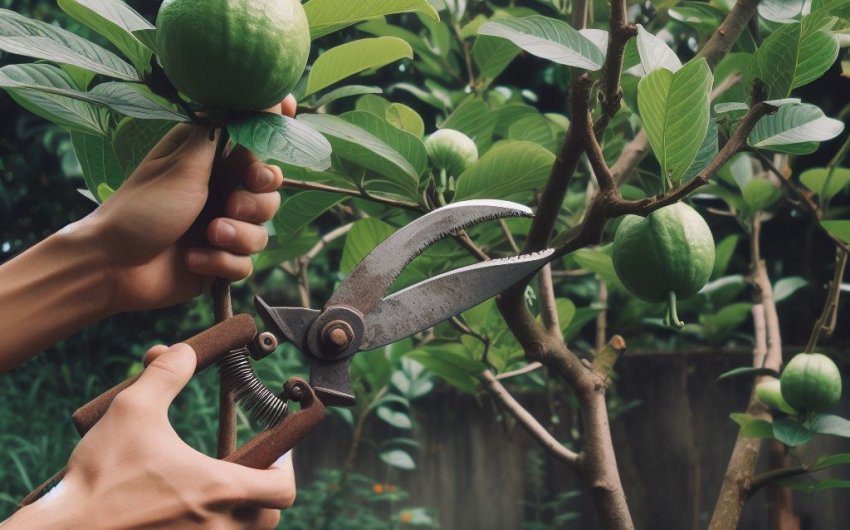
You can achieve compact growth in your guava trees through consistent and strategic pruning, which is essential for managing size, enhancing fruit production, and maintaining plant health, especially in container gardening or cooler climates. This step-by-step tutorial will guide you through the techniques for shaping your guava for optimal performance and manageability.
Why is Pruning Important for Guava Trees?
Pruning is important for guava trees because it directly impacts their health, productivity, and manageability, especially when aiming for compact growth. Without proper pruning, guava trees can become overgrown, less fruitful, and more susceptible to disease. It's a fundamental practice for successful guava cultivation.
- Manages Size and Shape:
- Compact Growth: Guava trees are naturally vigorous growers. Pruning helps to control their overall size, which is critical for container-grown plants, smaller gardens, or when bringing trees indoors for winter protection.
- Desired Form: It allows you to shape the tree into a manageable form (e.g., single-trunk, multi-stemmed shrub, or espalier) for aesthetic appeal and ease of harvesting.
- Enhances Fruit Production:
- Fruiting on New Wood: Guavas typically produce fruit on new growth. Pruning stimulates the tree to produce more new lateral branches, leading to a greater number of flowering and fruiting sites.
- Improved Light Penetration: Opening up the canopy through pruning allows more sunlight to reach inner branches and developing fruit, which is essential for fruit ripening and sugar development.
- Improves Air Circulation:
- Disease Prevention: A dense, overcrowded canopy creates a humid, stagnant environment ideal for fungal and bacterial diseases. Pruning to improve air circulation reduces the risk of these common guava ailments.
- Promotes Tree Health and Vigor:
- Removes Unproductive Wood: Pruning removes dead, diseased, or damaged branches, suckers (shoots from the rootstock), and water sprouts (fast-growing, vertical shoots), directing the tree's energy into healthy, productive growth.
- Stronger Structure: Proper structural pruning builds a sturdy framework capable of supporting heavy fruit loads, preventing branch breakage.
- Facilitates Harvesting:
- Keeping the tree at a manageable size makes it easier and safer to reach and harvest fruit.
In essence, pruning guava trees is not just about aesthetics; it's a vital horticultural practice that ensures a healthier, more productive, and easier-to-manage tree, especially when aiming for compact growth.
What Tools Do I Need for Pruning Guava Trees?
Having the right tools for pruning guava trees is essential for making clean, precise cuts that promote healthy regrowth and prevent disease. Using sharp, clean tools is paramount for both the tree's well-being and your safety.
Here are the essential pruning tools you'll need:
- Hand Pruners (Bypass Shears):
- Purpose: For small branches, twigs, and green shoots up to 3/4 inch thick. These are your most-used tool.
- Type: Bypass pruners (blades overlap like scissors) are preferred over anvil pruners (blade cuts against a flat surface) for guava, as they make clean, sharp cuts that heal quickly, minimizing damage.
- Recommendation: Invest in a good quality pair of bypass pruning shears that fit comfortably in your hand.
- Loppers:
- Purpose: For thicker branches, typically 3/4 inch to 1.5 inches in diameter, that are too large for hand pruners but too small for a saw.
- Type: Bypass loppers with long handles provide leverage for cutting larger branches.
- Pruning Saw:
- Purpose: For branches thicker than 1.5 inches in diameter.
- Type: A hand-held pruning saw with a curved, aggressive blade is effective for clean cuts. Never use a dull saw, as it will tear bark.
- Rubbing Alcohol or Bleach Solution:
- Purpose: For sterilizing your pruning tools. This is crucial for preventing the spread of diseases from one cut to another, or from one tree to another.
- How to Use: Wipe down or dip blades in rubbing alcohol or a 10% bleach solution (1 part bleach to 9 parts water) before you start pruning, and then between each cut when removing diseased wood or moving to a different plant.
- Garden Gloves:
- Purpose: To protect your hands from thorns (some guava varieties have them), sap, and blisters.
- Type: Durable gardening gloves are recommended.
- Safety Glasses (Optional but Recommended):
- Especially when pruning overhead branches, safety glasses protect your eyes from falling debris.
Before you begin pruning guava trees for compact growth, ensure all your tools are clean, sharp, and readily accessible. This preparation will make the task safer, more efficient, and healthier for your tree.
When is the Best Time to Prune Guava Trees for Compact Growth?
The best time to prune guava trees for compact growth is primarily after they have finished their main fruiting cycle, usually in late winter or early spring in tropical climates, or immediately after a summer harvest in temperate zones. Strategic timing ensures you maximize fruit production while shaping the tree effectively.
- Why Timing is Crucial:
- Fruit Production on New Wood: Guavas produce fruit on new growth. Pruning stimulates this new growth. Pruning at the right time allows the new shoots to mature and set fruit for the next season.
- Avoid Fruit Loss: Pruning during flowering or active fruiting will remove potential or developing fruit, reducing your harvest.
- Cold Hardiness (in non-tropical climates): Avoiding heavy pruning in late fall or early winter in cooler zones is vital. New, tender growth stimulated by late pruning would not have time to harden off before frost, making it very susceptible to cold damage.
- Optimal Pruning Windows:
- After Main Harvest (Late Winter/Early Spring in Tropical Climates):
- In perpetually warm climates (USDA Zones 10-11), guavas can fruit almost year-round. Prune them heavily after their most abundant harvest, or just before their most active growth flush in early spring. This allows the new growth to mature throughout the warm season and produce fruit.
- Immediately After Summer Harvest (in Cooler, Non-Tropical Climates):
- For container-grown or protected guavas in zones 8-9, they often produce a summer crop. Prune them immediately after you've harvested the last fruit of this season. This gives the tree sufficient time to produce new fruiting wood that can then develop and mature before you bring it indoors or prepare for winter.
- Light Maintenance Pruning (Anytime):
- You can remove dead, diseased, or damaged branches, as well as any suckers or water sprouts, at any time of year without significantly impacting the tree's health or fruit production. This type of pruning is more about hygiene.
- After Main Harvest (Late Winter/Early Spring in Tropical Climates):
Summary Table for Pruning Guava Trees:
| Climate Zone / Goal | Best Pruning Time | Reason |
|---|---|---|
| Tropical (Zone 10-11) | Late Winter / Early Spring (after main harvest) | Stimulates new fruiting wood for the coming season. |
| Non-Tropical (Zone 8-9, Container) | Immediately After Summer Harvest | Allows new fruiting wood to mature before winter dormancy/indoor move; manages size. |
| Any Zone (Maintenance) | Anytime | Remove dead, diseased, damaged wood, suckers, water sprouts (hygiene). |
| Avoid Heavy Pruning | Late Fall / Early Winter | New tender growth will be damaged by cold. |
By timing your pruning correctly, you'll effectively manage the size of your guava trees while ensuring a bountiful harvest, a key element in achieving compact growth.
Step-by-Step Pruning for a Young Guava Tree (First 1-3 Years)
Pruning for a young guava tree during its first 1-3 years is primarily focused on establishing a strong, open framework for future growth and fruit production, rather than just compact growth. This initial shaping sets the tree up for long-term health and manageability, especially when aiming for a smaller, more productive specimen.
Step 1: Initial Pruning at Planting (or Soon After)
- Remove Lower Branches and Suckers:
- Upon planting (or once the tree is established for a few weeks), identify the main trunk.
- Remove any branches or shoots (suckers) that are growing from the soil line or from the trunk below about 18-24 inches from the ground. Use sharp, sterilized hand pruners. This encourages the tree to develop a stronger trunk and directs energy upward.
- Select Main Scaffold Branches (for an Open Vase Shape):
- Choose 3-4 healthy, well-spaced branches that are growing outwards at different angles around the trunk, between 18-36 inches from the ground. These will become your main scaffold branches.
- Remove any other branches that are competing with these or growing inwards.
- Ensure the selected scaffold branches are not directly opposite each other, which can lead to weak crotches.
Step 2: Heading Back for Bushiness (Year 1-2)
- Reduce Height of Main Trunk/Branches:
- Once the tree has reached about 3-4 feet in height, or once the main scaffold branches are 2-3 feet long, head back the main trunk or the tips of the scaffold branches. Cut them back by about 1/3 to 1/2 of their length, cutting just above an outward-facing bud or side branch.
- Why: This action stimulates the growth of new lateral (side) branches, making the tree bushier and increasing potential fruiting sites. It's crucial for compact growth.
- Remove Competing Growth:
- Throughout the first year, continue to remove any vigorous shoots that grow straight up (water sprouts) or grow inwards towards the center of the tree.
- Also, remove any branches that cross or rub against each other.
Step 3: Maintaining the Open Center (Year 2-3)
- Continue Heading Back:
- As the tree continues to grow, perform annual (or semi-annual, depending on growth rate) heading back on the tips of branches to encourage more lateral growth and maintain overall size. Aim to keep the tree at a manageable height (e.g., 6-8 feet for an in-ground tree, or a size you can move if containerized).
- Thin Out Interior Growth:
- Remove any weak, thin, or unproductive branches growing towards the center of the tree. This helps maintain an open center, which improves light penetration and air circulation throughout the canopy.
- Monitor for Suckers and Water Sprouts:
- Vigorously remove any suckers from the base or water sprouts from the main branches as soon as you see them. They sap energy from productive growth.
- Remove Diseased/Damaged Branches:
- Always prune out any branches that show signs of disease or pest damage. Cut well into healthy wood and sterilize your tools.
By consistently following these steps, you will establish a robust, well-structured young guava tree that is productive, healthy, and perfectly shaped for compact growth, whether in a container or a smaller garden space.
Step-by-Step Pruning for a Mature Guava Tree (Ongoing Maintenance)
Pruning a mature guava tree is an ongoing process focused on maintaining its desired size and shape for compact growth, maximizing fruit production, and ensuring overall health. This involves annual or semi-annual maintenance to remove unproductive wood and stimulate new fruiting branches.
Step 1: Annual Renewal Pruning (After Harvest)
- Remove Dead, Diseased, or Damaged Wood:
- Start by systematically removing any branches that are clearly dead, showing signs of disease, or have been physically damaged. Cut these back to healthy wood or to the main trunk. Remember to sterilize your pruning shears between cuts, especially if disease is present.
- Eliminate Suckers and Water Sprouts:
- Vigorously remove any suckers growing from the base of the trunk or roots, and any fast-growing, vertical water sprouts emerging from the main branches. These divert energy from fruit production. Cut them flush with their point of origin.
- Thin Out Interior Growth (Maintain Open Canopy):
- Improve Air Circulation and Light: Look for branches that are growing inwards, crossing, or rubbing against other branches. Remove the weaker or less productive of these.
- Why: An open canopy allows for better light penetration, crucial for fruit ripening, and improves air circulation, which reduces the risk of fungal diseases.
- Reduce Overall Size (Heading Back for Compact Growth):
- Cut Back Branches: Head back the tips of the main branches and lateral branches by 1/4 to 1/3 of their length. Cut just above an outward-facing bud or a healthy side shoot.
- Why: This encourages new lateral growth, which is where guava fruit is borne. It also helps maintain the tree at a manageable height and spread, essential for compact growth in containers or small spaces.
- Don't Over-Prune: Avoid removing more than 25-30% of the canopy in a single pruning session, as this can stress the tree.
Step 2: Light Maintenance During the Growing Season (Optional)
- Pinch Back New Shoots:
- After your main pruning, you may see a flush of new growth. For particularly vigorous shoots that are growing too long or too upright, you can pinch back their tips to encourage more side branching. This is a continuous effort to maintain compact growth.
- Remove Overabundant Fruit (Fruit Thinning):
- If your tree sets an extremely heavy crop of fruit, it might struggle to mature them all, resulting in smaller, less flavorful guavas. Consider thinning the fruit by removing some of the smaller or less healthy developing fruits. This directs the tree's energy into the remaining fruit, leading to larger, higher-quality guavas.
- Address Minor Issues:
- Remove any newly diseased leaves or small branches as they appear to prevent spread.
Step 3: Monitor and Adjust
- Observe Tree's Response: Pay attention to how your guava tree responds to pruning. Is it producing good new growth and fruit? Is it staying compact?
- Adjust Next Season: Use your observations to adjust your pruning strategy in subsequent seasons. Each tree is unique.
- Fertilize: After significant pruning, ensure adequate fertilization (especially in spring/summer) to support new growth and fruit development.
By consistently applying these techniques, you can effectively prune your guava trees for compact growth, ensuring a healthy, productive, and beautiful addition to your garden, whether in containers or a limited space.
What are Common Pruning Mistakes to Avoid with Guava Trees?
To ensure the health and productivity of your guava trees, especially when aiming for compact growth, it's crucial to avoid several common pruning mistakes. These errors can lead to reduced fruit yield, increased disease susceptibility, or even long-term damage to the tree.
- Pruning at the Wrong Time:
- Mistake: Heavy pruning in late fall or early winter (in cooler zones) or during flowering/active fruiting.
- Result:
- Cold Damage: Late-season pruning stimulates tender new growth that will be killed by frost, depleting the tree's energy reserves and potentially causing winter dieback.
- Reduced Harvest: Pruning during flowering or fruiting removes potential or developing fruit, significantly reducing your yield.
- Solution: Prune immediately after the main harvest is complete.
- Using Dull or Dirty Tools:
- Mistake: Making cuts with dull or unsterilized pruning shears, loppers, or saws.
- Result: Ragged cuts that heal slowly, making the tree more vulnerable to disease and pests. Dirty tools can directly transmit pathogens between cuts or trees.
- Solution: Always use sharp, clean pruning shears and sterilize them with rubbing alcohol or a bleach solution before starting and frequently during pruning.
- Removing Too Much at Once (Over-Pruning):
- Mistake: Cutting off more than 25-30% of the tree's canopy in a single pruning session.
- Result: Severe stress on the tree, reduced vigor, potential sun scald on exposed bark, and sometimes a flush of excessive water sprouts. It can also temporarily halt fruit production.
- Solution: Prune gradually and thoughtfully. Spread heavy pruning over multiple seasons if a drastic size reduction is needed.
- Leaving Stubs or Making Flush Cuts:
- Mistake:
- Stubs: Leaving a short piece of branch (a stub) when cutting.
- Flush Cuts: Cutting a branch flush with the trunk, removing the branch collar.
- Result:
- Stubs: Stubs don't heal properly and can become entry points for pests and diseases.
- Flush Cuts: Removing the branch collar (the swollen area where the branch meets the trunk) prevents the tree from naturally compartmentalizing the wound, leading to slower healing and greater vulnerability.
- Solution: Always make cuts just outside the branch collar for larger branches. For smaller branches/shoots, cut just above an outward-facing bud.
- Mistake:
- Neglecting to Remove Suckers and Water Sprouts:
- Mistake: Allowing suckers (from the rootstock/base) and water sprouts (vigorous upright shoots) to grow unchecked.
- Result: These unproductive shoots sap energy from the main tree, reduce fruit production, and make the tree unruly.
- Solution: Remove them promptly and completely as soon as they appear.
- Pruning for Size Without Considering Shape/Airflow:
- Mistake: Randomly shearing the outside of the canopy without opening up the interior.
- Result: A dense outer shell that blocks light from inner branches and creates humid conditions conducive to disease.
- Solution: Focus on thinning interior growth, removing crossing branches, and heading back to outward-facing buds to create an open, airy structure.
- Not Understanding Guava's Fruiting Habits:
- Mistake: Pruning older, unproductive wood if you don't realize guava fruits on new growth.
- Result: Removing valuable fruiting wood.
- Solution: Always aim to encourage new lateral branching, as this is where your fruit will appear.
By consciously avoiding these common pruning mistakes, you will ensure your guava trees remain healthy, productive, and successfully maintain their desired compact growth for many years.
How Do I Maintain the Compact Shape of My Guava Tree?
You maintain the compact shape of your guava tree through consistent, light, and targeted pruning throughout the growing season, supplementing your main annual pruning session. This continuous effort encourages branching and controls overall size, preventing the tree from becoming leggy or overgrown.
- Frequent Pinching and Tip Pruning:
- Mechanism: This is your most effective tool for maintaining compact growth. When new shoots emerge and reach your desired length, simply pinch or snip off the terminal bud (the very tip) of the branch.
- Result: This removes the apical dominance, forcing the plant to produce two or more lateral (side) branches just below the cut. This creates a denser, bushier canopy.
- Timing: Perform pinching regularly throughout the active growing season whenever you see new growth extending too far.
- Remove Water Sprouts and Suckers Immediately:
- Vigilance: These vigorous, unproductive shoots can quickly ruin the compact shape and divert energy. Remove them as soon as they appear, cutting them flush with their point of origin.
- Light Thinning Cuts:
- Maintain Openness: Periodically make light thinning cuts within the canopy to remove any branches that are crossing, rubbing, or growing inwards. This improves air circulation and ensures light reaches all parts of the tree, supporting a healthy, compact form.
- Annual Maintenance Pruning (as previously detailed):
- Don't skip your main annual pruning session after harvest. This is where you establish the overall framework and significant size reduction. The smaller maintenance tasks reinforce this.
- Consider Plant Support (for Container Guavas):
- For container-grown guavas, a sturdy plant stake or small trellis can help support the compact shape and prevent branches from flopping under the weight of fruit.
- Balanced Fertilization:
- Avoid excessive nitrogen, which can promote rapid, leggy growth that is harder to keep compact. Use a balanced fertilizer during the growing season.
- Right Variety Choice:
- Remember that starting with naturally smaller or slower-growing guava varieties (like some of the less vigorous Psidium guajava cultivars, or even Strawberry Guava if suitable for your climate) will inherently make maintaining a compact shape easier.
By consistently applying these techniques, you can effectively maintain the desired compact shape of your guava tree, ensuring it remains productive, healthy, and manageable within its designated space. This attention to detail is what truly helps when cultivating guava trees in non-tropical climates or small gardens.