
The Joy of Homegrown Guavas: Nurturing Guava Trees in Your Home Garden
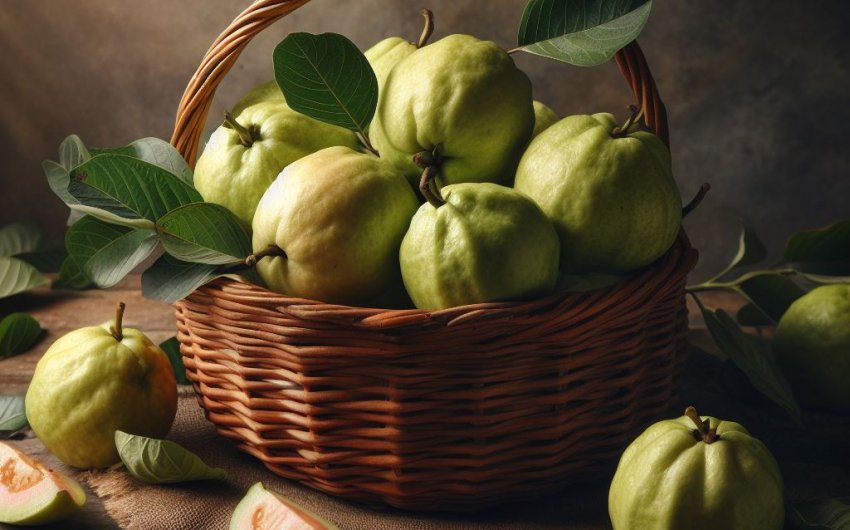
You can experience the joy of homegrown guavas by successfully nurturing guava trees in your home garden, a rewarding endeavor that yields delicious, aromatic fruit right from your backyard. While guavas are tropical, with proper care and attention to their specific needs, even gardeners in subtropical or warm temperate regions can enjoy a bountiful harvest. This comprehensive guide provides everything you need to know to grow thriving guava trees.
What Climate Conditions Do Guava Trees Need to Thrive?
Guava trees (Psidium guajava) need specific climate conditions to thrive, reflecting their origins in tropical and subtropical regions. Providing these ideal environmental factors is the foundation for successful nurturing guava trees in your home garden and achieving abundant fruit.
- Warm Temperatures:
- Frost-Sensitive: Guavas are highly frost-sensitive. Young trees are easily damaged by temperatures below 30°F (-1°C), and even mature trees can be severely impacted or killed by hard freezes (prolonged temperatures below 28°F / -2°C).
- Optimal Growth Range: They prefer consistently warm temperatures, ideally between 75-85°F (24-29°C), for vigorous vegetative growth, flowering, and fruit development.
- Minimum for Fruiting: Consistent warmth above 60°F (15°C) is generally required for reliable fruit set.
- High Sunlight Exposure:
- Guava trees are sun-loving and require full sun (a minimum of 6-8 hours of direct sunlight per day) to maximize flowering and produce sweet, high-quality fruit. Inadequate sunlight can lead to sparse fruiting and reduced vigor.
- Consistent Moisture (but Excellent Drainage):
- They need consistent moisture, especially during their active growth, flowering, and fruiting phases. Prolonged drought stress can cause fruit drop and reduced yield.
- However, excellent drainage is critical. Guava trees are highly susceptible to root rot if planted in waterlogged or poorly draining soil.
- Moderate to High Humidity:
- Originating from humid regions, guavas prefer a moderate to high level of atmospheric humidity for optimal leaf health and fruit development. Very dry air can sometimes cause leaf crisping.
- Shelter from Strong Winds:
- While somewhat resilient, strong, persistent winds can damage young trees, strip flowers and developing fruit, and increase water stress. Shelter from high winds is beneficial.
- Preferred USDA Hardiness Zones:
- Guava trees thrive best in USDA Plant Hardiness Zones 9-11. In Zone 9 (especially 9a), they will require significant winter protection.
Understanding these climate conditions is the first step toward creating an optimal environment for homegrown guavas, even if you need to use specific strategies to compensate for non-tropical climates.
What Soil Conditions Do Guava Trees Prefer?
Guava trees prefer well-draining, slightly acidic to neutral soil that is rich in organic matter, providing the perfect foundation for healthy root development and nutrient uptake. While somewhat adaptable, optimizing their soil conditions is key to successfully nurturing guava trees in your home garden.
- Excellent Drainage (Non-Negotiable):
- Root Rot Risk: Guava trees are highly sensitive to waterlogging. Their roots will quickly succumb to rot in heavy, poorly draining soils that stay soggy.
- Solution: The soil must allow water to drain freely. If you have heavy clay soil, significant amendment is necessary.
- Soil pH:
- They generally thrive in a soil pH range of 5.0 to 7.0, which is slightly acidic to neutral.
- Soil Test: It's always best to perform a soil test kit for garden to determine your current pH and nutrient levels.
- Adjustments: If your soil is too alkaline, you might amend with elemental sulfur. If it's too acidic, use lime.
- Rich in Organic Matter:
- Benefits: Soil rich in organic compost or well-rotted manure improves overall soil structure, enhances drainage in clay, boosts water retention in sandy soils, and provides a steady supply of nutrients for microbial activity.
- Loamy Texture (Ideal):
- A loamy soil (a balanced mix of sand, silt, and clay) offers the best combination of good drainage, aeration, and nutrient/moisture retention.
- Preparation for Planting (In-Ground):
- Dig a Wide Hole: Dig a planting hole that is two to three times wider than the root ball of your guava tree, but no deeper than the root ball.
- Amend Heavy Clay: If you have heavy clay, amend the entire planting area (not just the hole) with generous amounts of organic matter to improve drainage. You can create a slightly raised planting mound.
- Backfill: Use the original soil mixed with a good quantity of compost to backfill the hole.
- Preparation for Planting (Container):
- Use a high-quality, well-draining potting mix for fruit trees, ideally one that's slightly acidic. Amend with perlite for extra drainage if needed.
By ensuring these soil conditions, you provide the optimal environment for your guava trees to develop strong roots and thrive, laying the groundwork for abundant homegrown guavas.
How Do I Plant a Guava Tree for Best Results?
You plant a guava tree for best results by choosing the right location, preparing the soil meticulously, and ensuring correct planting depth, which minimizes transplant shock and establishes a strong foundation for long-term health and productivity. Proper planting is crucial for nurturing guava trees in your home garden.
Step-by-Step Planting Guide:
- Choose the Right Location:
- Full Sun: Select a spot that receives at least 6-8 hours of direct sunlight per day. Guavas are sun-lovers.
- Good Drainage: The location must have excellent soil drainage. Avoid low spots where water collects.
- Shelter: Choose a spot sheltered from strong winds, especially for young trees.
- Space: Ensure adequate space for the mature size of the guava tree (they can grow 10-20 feet tall and wide if unpruned) or for moving a container-grown tree.
- Prepare the Soil:
- Soil Test: Conduct a soil test kit for garden to check pH and nutrient levels. Adjust pH if necessary to the preferred 5.0-7.0 range.
- Amend if Needed: If you have heavy clay or very sandy soil, amend the entire planting area (not just the hole) with generous amounts of organic compost or other organic matter to improve drainage and structure.
- Dig the Planting Hole:
- Dig a hole that is two to three times wider than the guava tree's root ball, but only as deep as the root ball. The goal is to provide ample loose soil for roots to spread laterally, but not to bury the tree too deeply.
- For heavy clay, consider planting slightly higher than grade, creating a slight mound, to further improve drainage.
- Prepare the Guava Tree:
- Remove from Container: Carefully remove the guava tree from its nursery pot. If it's pot-bound, gently tease apart any circling roots with your fingers or make a few vertical cuts down the root ball with a sharp knife to encourage outward growth.
- Plant the Tree:
- Place the guava tree in the center of the hole.
- Ensure the root collar (where the trunk flares out just above the roots) is level with or slightly above the surrounding soil grade. Planting too deep is a common mistake and can lead to root rot.
- Backfill the hole with the amended soil, gently firming it around the roots to remove large air pockets.
- Create a Watering Basin:
- Form a small berm or circular ridge of soil around the edge of the planting hole to create a watering basin. This helps hold water over the root ball, ensuring it soaks in rather than running off.
- Water Thoroughly:
- Immediately after planting, water the tree deeply and thoroughly. This settles the soil around the roots and provides crucial initial hydration.
- Mulch (Optional but Recommended):
- Apply a 2-4 inch layer of organic mulch (wood chips, straw, shredded leaves) around the base of the tree. Keep the mulch a few inches away from the trunk to prevent moisture buildup and rot. Mulch conserves moisture, suppresses weeds, and moderates soil temperature.
- Stake (Optional, for Windy Areas/Tall Trees):
- If your area is very windy or the tree is tall and unstable, you may need to provide temporary staking for the first 6-12 months. Use flexible tree tie straps to allow for some movement.
By meticulously following these steps, your guava tree will have the best possible start, allowing it to flourish and produce delicious homegrown guavas for years to come.
How Do I Properly Water Guava Trees?
You properly water guava trees by providing consistent moisture, especially during dry spells and fruiting, while always ensuring excellent drainage to prevent root rot. Monitoring soil moisture and adapting to weather conditions are key for nurturing guava trees in your home garden.
- Consistency is Key:
- Guava trees need consistent moisture to thrive, particularly when they are young, actively growing, flowering, and developing fruit. Inconsistent watering can lead to fruit drop and overall plant stress.
- Deep Watering:
- When you water, water deeply and thoroughly enough to moisten the entire root zone. This encourages roots to grow deeper, making the tree more resilient to short dry spells.
- How Much: Aim for about 1 inch of water per week, either from rain or irrigation, during the active growing season.
- Allow Soil to Dry Slightly (Critical for Drainage):
- While consistent moisture is needed, it's equally important to allow the top few inches of soil to dry out slightly between waterings. Guavas hate constantly soggy soil, which leads to root rot.
- Check Soil Moisture: Use a soil moisture meter for fruit trees or stick your finger 2-3 inches into the soil. If it feels dry, it's time to water.
- Water at the Base of the Tree:
- Direct water to the soil around the base of the tree, beneath the canopy. Avoid overhead watering, which can promote fungal diseases on foliage, especially in humid climates. A soaker hose or drip irrigation is ideal.
- Timing of Watering:
- Water in the early morning to minimize evaporation and allow any splashed foliage to dry during the day.
- Container Guavas Need More Frequent Watering:
- Container-grown guava trees will dry out much faster than in-ground trees and will likely require more frequent watering, sometimes daily during hot, sunny weather. Always check soil moisture before watering.
- Mulch to Conserve Moisture:
- Apply a 2-4 inch layer of organic mulch around the base of the tree (keeping it a few inches from the trunk). Mulch significantly reduces water evaporation, keeps the soil cooler, and suppresses weeds, thereby reducing watering frequency.
- Adjust for Weather:
- Reduce watering during rainy periods, and increase it during hot, dry, or windy conditions. Your weather station for home can help you monitor rainfall.
- Winter Watering (for Indoors):
- If bringing container guavas indoors for winter, significantly reduce watering as the tree goes semi-dormant. Allow the soil to dry out more thoroughly between waterings.
By adhering to these practices, you ensure your guava trees receive optimal hydration, preventing stress and supporting robust growth and delicious homegrown guavas.
How Do I Fertilize Guava Trees for Optimal Fruit Production?
You fertilize guava trees for optimal fruit production by providing a balanced supply of essential nutrients during their active growth and fruiting cycles, while avoiding over-fertilization, especially with nitrogen. Understanding their specific needs for macronutrients and micronutrients is key to successfully nurturing guava trees in your home garden.
- Perform a Soil Test:
- Before any significant fertilization, perform a soil test kit for fruit trees every 1-3 years. This tells you exactly what nutrients your soil is deficient in and helps determine the correct fertilizer ratio and application amount.
- Fertilizer Ratio (N-P-K):
- Young Trees (First Year): Use a balanced fertilizer (e.g., 8-8-8 or 6-2-4) to promote overall growth. Apply lightly every 4-6 weeks during the growing season.
- Mature, Fruiting Trees: As the tree matures and begins to fruit, you'll generally want a fertilizer with a slightly higher phosphorus (P) and potassium (K) content relative to nitrogen (N), or a balanced fruit tree formula. Phosphorus aids in flowering and fruiting, while potassium contributes to overall plant health and fruit quality. (e.g., 6-2-4 or specific fruit tree fertilizer granular).
- Micronutrients:
- Guavas are particularly susceptible to deficiencies in iron, zinc, and manganese, especially in alkaline soils. Ensure your chosen fertilizer contains these micronutrients, or supplement with specific foliar sprays if deficiencies are noted (yellowing leaves with green veins is a common sign of iron deficiency).
- Fertilization Schedule:
- In-Ground Trees:
- Spring (New Growth): Begin fertilizing in early spring as new growth emerges and temperatures rise.
- Summer (Active Fruiting): Continue light, regular feeding through the summer during active fruiting.
- Fall/Winter: Reduce or cease fertilization as the tree prepares for dormancy or cooler weather.
- Container Trees:
- Container trees deplete nutrients faster and may need more frequent feeding. Use a liquid fertilizer every 4-6 weeks during the growing season or a slow-release granular product. Stop fertilizing when brought indoors for winter.
- In-Ground Trees:
- Application Method:
- Read the Label: Always follow the specific application rates and instructions on your chosen fertilizer product. Over-fertilization can burn roots.
- Granular: Sprinkle granular fertilizer evenly around the drip line of the tree (not right against the trunk). Gently rake it in, and water thoroughly immediately after application to prevent burn and wash nutrients into the soil.
- Liquid: Dilute liquid fertilizers according to instructions and apply with a garden pump sprayer or watering can.
- Compost for Natural Feeding:
- Regularly top-dress with organic compost. Compost provides a slow, steady release of nutrients and improves soil health, reducing the reliance on synthetic fertilizers.
By implementing these comprehensive fertilization strategies, you'll provide your guava trees with the precise nourishment they need for vigorous growth and abundant, delicious homegrown guavas.
How Do I Prune Guava Trees for Health and Productivity?
You prune guava trees for health and productivity by removing unproductive wood, shaping the canopy for optimal light and air circulation, and stimulating new growth that will bear fruit. Regular pruning is a cornerstone of nurturing guava trees in your home garden.
- Why Pruning is Essential:
- Fruit Production on New Wood: Guavas produce flowers and fruit on new growth. Pruning encourages the development of more new lateral branches, leading to a greater potential harvest.
- Size Control: Keeps the tree at a manageable size, especially for harvesting or container growing.
- Improved Air Circulation: An open canopy allows air to flow through, reducing humidity and the risk of fungal and bacterial diseases.
- Enhanced Light Penetration: More sunlight reaches inner branches and developing fruit, which is vital for fruit quality and ripening.
- Strong Structure: Develops a robust framework to support heavy fruit loads.
- Removes Unwanted Growth: Eliminates dead, diseased, or unproductive branches.
- When to Prune:
- The best time for major pruning is immediately after the main harvest is complete. This allows the tree to recover and produce new fruiting wood for the next cycle.
- Avoid heavy pruning in late fall or early winter in cooler zones, as new tender growth will be frost-sensitive.
- Light maintenance pruning (dead wood, suckers) can be done anytime.
- Tools:
- Use clean, sharp pruning shears for small branches, loppers for thicker branches, and a pruning saw for large limbs. Sterilize tools between cuts.
- Pruning Techniques:
- Establish Primary Structure (Young Trees):
- Single Trunk vs. Multi-Stemmed: Decide if you want a central leader or an open vase shape (3-4 main scaffold branches).
- Remove Low Growth: Prune off suckers from the base and branches below 18-24 inches from the ground to create a clear trunk.
- Head Back: Cut back the main trunk or scaffold branches by about 1/3 to 1/2 to encourage lateral branching.
- Annual Maintenance Pruning (Mature Trees):
- Remove Dead, Diseased, Damaged (The 3 D's): Always prune these first, cutting back to healthy wood.
- Eliminate Suckers & Water Sprouts: Remove any growth from the base or vertical, unproductive shoots from main branches.
- Thin Out Interior: Remove crossing, rubbing, or inward-growing branches to open up the canopy.
- Head Back for Fruit Production: Cut back the tips of lateral branches by 1/4 to 1/3 to stimulate new growth, which will bear fruit. Always cut above an outward-facing bud or side shoot.
- Maintain Size: Prune to keep the tree at a manageable height for harvesting and winter protection (if applicable).
- Establish Primary Structure (Young Trees):
- Fruit Thinning (Optional):
- If your tree sets an extremely heavy crop, consider thinning some of the smaller fruits. This allows the tree to put more energy into the remaining fruit, resulting in larger, higher-quality guavas.
By consistently applying these pruning techniques, you'll ensure your guava trees remain healthy, vigorous, and consistently produce abundant, delicious homegrown guavas.
How Can I Protect Guava Trees from Pests and Diseases Organically?
You can protect guava trees from pests and diseases organically by implementing a proactive strategy focused on cultural practices, promoting natural enemies, and using targeted organic treatments when necessary. A healthy, resilient tree is your best defense against problems, leading to robust homegrown guavas.
Organic Pest Management:
- Common Pests: Fruit flies (major pest), aphids, mealybugs, scale insects, whiteflies, thrips.
- Prevention & Cultural Control:
- Sanitation: Promptly remove and discard any fallen or overripe guava fruit. This is crucial for fruit fly control, as they lay eggs in rotting fruit.
- Pruning: Maintain good air circulation within the canopy through proper pruning. This reduces hiding spots for pests and creates a less favorable environment.
- Water & Nutrient Management: Keep your trees healthy. Stressed plants are more susceptible to pest attacks.
- Inspect Regularly: Frequently check your tree, especially new growth and leaf undersides, for early signs of pest infestations.
- Physical Barriers (Crucial for Fruit Flies):
- Fruit Bagging: This is the most effective organic method for protecting developing guavas from fruit flies. Once fruits are pea-sized, individually bag them using paper fruit protection bags or nylon stockings.
- Sticky Traps: Place yellow or blue sticky traps in the tree to monitor and catch flying pests like whiteflies and thrips.
- Biological Control:
- Encourage Beneficial Insects: Plant diverse flowering plants nearby (e.g., dill, marigolds, cosmos) to attract natural predators like ladybugs, lacewings, minute pirate bugs, and parasitic wasps, which prey on aphids, mealybugs, whiteflies, and thrips. You can find beneficial insect attracting seeds.
- Organic Sprays (Targeted & Timed):
- Neem Oil: For aphids, mealybugs, whiteflies, thrips, and scale crawlers, apply a neem oil concentrate according to label directions. It acts as an antifeedant and growth disruptor. Apply in the evening to avoid harming pollinators.
- Insecticidal Soap: Effective against soft-bodied pests on contact. Spray thoroughly, ensuring direct coverage.
Organic Disease Management:
- Common Diseases: Anthracnose (major issue), algal leaf spot, various root rots (from overwatering).
- Prevention & Cultural Control (Most Important):
- Good Air Circulation: Maintain an open tree canopy through proper pruning. This reduces humidity around foliage, inhibiting fungal diseases.
- Water Management: Water at the base of the tree in the morning, allowing foliage to dry naturally. Avoid overhead watering. Ensure excellent soil drainage to prevent root rots. Use a soil moisture meter.
- Sanitation: Remove and discard (do not compost) any diseased leaves, twigs, or fruits. Sterilize pruning tools thoroughly between cuts.
- Resistant Varieties: Choose disease-resistant guava varieties if available.
- Organic Fungicides (Preventative/Early Stage):
- Copper-Based Fungicides: For anthracnose and other fungal/bacterial leaf spot issues, apply an organic copper fungicide spray as a preventative, especially during wet, humid periods. Follow label instructions carefully.
- Neem Oil: Can have some fungicidal properties for certain diseases.
By implementing these proactive and reactive organic pest and disease management strategies, you'll effectively protect your guava trees, ensuring they remain healthy and produce a consistent bounty of delicious homegrown guavas in your garden.
Experiencing the joy of homegrown guavas is a truly rewarding endeavor for any gardener, and it's entirely achievable by diligently nurturing guava trees in your home garden. By understanding their specific needs for climate, soil, water, nutrients, and strategic pruning, you can cultivate vibrant, healthy trees that reliably yield delicious fruit. This comprehensive approach, including organic pest and disease management, ensures a bountiful harvest and lasting enjoyment from your tropical addition.