
What Are the Common Pests That Affect Parlor Palms?
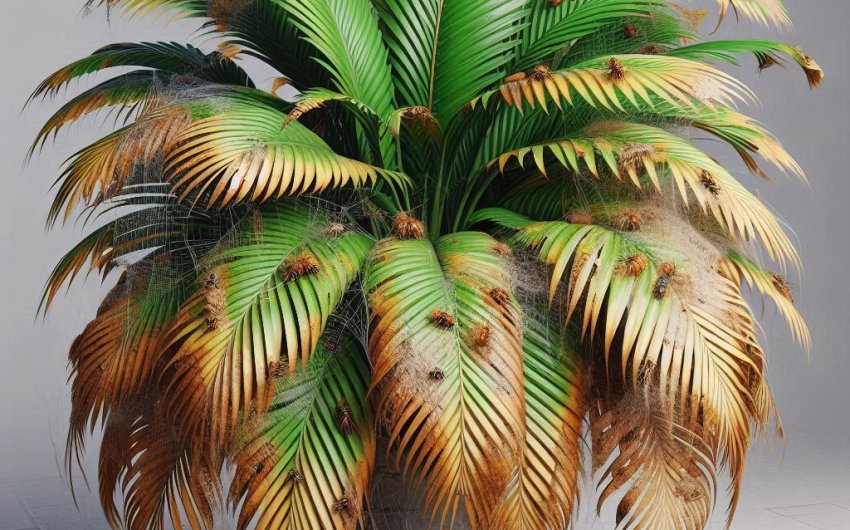
The parlor palm (Chamaedorea elegans) is a favorite houseplant for a reason. It's beautiful, fairly easy to care for, and adds a touch of tropical elegance to any room. But even tough plants like the parlor palm can fall victim to tiny invaders. Knowing what pests to look for and how to deal with them is key to keeping your parlor palm healthy and thriving. Don't let these little bugs ruin your beautiful plant!
What Are the Most Common Pests on Parlor Palms?
When it comes to parlor palms, a few pests seem to love them more than others. These are usually sap-sucking insects, which means they feed by piercing the plant's leaves and stems and drinking the plant's juices. This weakens the plant and can cause visible damage.
How Do You Identify Spider Mites on Parlor Palms?
Spider mites are tiny, tiny pests – so small that you often can't see them with your bare eye until their numbers grow. They are actually a type of arachnid, like spiders, not insects. They come in various colors, including red, green, or yellow.
Signs of Spider Mite Infestation:
- Stippling: The first sign is usually tiny, pin-prick size yellow or white dots on the leaves. This is called stippling, and it happens where the mites have sucked out the plant's chlorophyll (the green stuff).
- Webbing: As the infestation gets worse, you'll start to see fine, delicate webbing on the leaves, especially between the fronds (palm leaves) and stems. This is why they are called "spider" mites. This webbing often looks like dust or fine cobwebs.
- Overall Dullness: The palm may start to look dull, less vibrant, and its fronds might turn yellow or brown, and then eventually drop off.
- Tiny Moving Specks: If you look very closely (a magnifying glass helps!), you might see tiny moving specks on the undersides of the leaves or in the webbing.
Where to look: Spider mites love dry, dusty conditions. They are most often found on the undersides of leaves, especially near the veins, or in the crooks of the fronds.
What Does Scale Look Like on Parlor Palms?
Scale insects are masters of disguise. They look like small, oval, or round bumps on the stems and leaves, often brown, black, or even white. They can be soft-bodied or have a hard, protective shell over them. Because they don't move much, many people mistake them for part of the plant itself or a disease.
Signs of Scale Infestation:
- Raised Bumps: The most obvious sign is the presence of raised, waxy, or crusty bumps on the stems and undersides of the fronds.
- Sticky Residue (Honeydew): Scale insects, like aphids, excrete a sticky, sugary substance called honeydew. You might find this on the leaves, floor, or furniture around the plant. It can attract ants.
- Sooty Mold: Honeydew can also lead to the growth of a black, powdery fungus called sooty mold. This mold doesn't directly harm the plant but blocks sunlight, hindering photosynthesis.
- Yellowing Leaves and Stunted Growth: As scale sucks sap, your parlor palm will weaken, leading to yellowing leaves, wilting, and overall stunted growth.
Where to look: They are often found along the central rib of the fronds or clustered on the stems, especially where the fronds meet the main stem.
How Do You Identify Mealybugs on Parlor Palms?
Mealybugs are soft-bodied insects that look like tiny pieces of cotton or white fuzz. They are covered in a white, waxy, powdery coating, which helps protect them. They tend to cluster in protected areas of the plant.
Signs of Mealybug Infestation:
- Cottony Masses: The clearest sign is small, white, fuzzy or cotton-like masses on the stems, in leaf axils (where the leaf meets the stem), or on the undersides of fronds.
- Sticky Residue (Honeydew): Like scale, mealybugs excrete honeydew, leading to sticky leaves and the possible growth of sooty mold.
- Yellowing and Dropping Leaves: Infested fronds will turn yellow, wilt, and eventually drop off due to sap loss.
- Stunted Growth: Overall plant growth will be slowed.
Where to look: Mealybugs love to hide in tight spaces, such as where new fronds emerge, along the central stem, or in the crevices of the fronds. Their waxy coating makes them somewhat resistant to sprays.
What are Thrips and Their Damage?
Thrips are tiny, slender insects, usually black or brown, with fringed wings (though hard to see without a magnifying glass). They are active and move quickly when disturbed.
Signs of Thrips Infestation:
- Silvery or Brown Streaks: Thrips feed by scraping the plant surface and sucking the oozing sap. This causes silvery or brownish streaks, blotches, or stippling on the leaves. The damage often looks like irregular lines.
- Distorted New Growth: New fronds may emerge twisted, stunted, or otherwise deformed.
- Tiny Black Dots (Feces): You might see tiny black specks on the leaves, which are their waste products.
- Flower Damage: If your parlor palm ever flowers (rare indoors but possible), thrips can cause streaks or distortion on the blooms.
Where to look: Thrips can be found on both the upper and lower surfaces of leaves. They are quick movers, so they might jump or fly away if you disturb the plant.
Are Fungus Gnats Harmful to Parlor Palms?
Fungus gnats are small, black, mosquito-like flies that typically fly around the base of your parlor palm or crawl on the soil surface. While the adult gnats are mostly just annoying, it's their larvae that can cause problems.
Signs of Fungus Gnat Infestation:
- Adult Flies: Seeing tiny black flies flying around your plant, especially when you water or disturb the soil.
- Sluggish Plant Growth: In severe cases, fungus gnat larvae can feed on delicate roots, leading to stunted growth, yellowing leaves, or overall decline in plant health. This is more common with young plants or seedlings.
- Wilting: If the root damage is significant, the plant may wilt even if the soil is moist.
Where to look: Adult gnats are found flying near the soil surface. Larvae are tiny, clear, worm-like creatures with black heads, found in the top inch or two of moist soil.
Fungus gnats are a sign of overwatering. They thrive in consistently wet soil rich in decaying organic matter.
How Do You Prevent Pests on Parlor Palms?
The best offense is a good defense! Preventing pests from even showing up is always easier than fighting an infestation. A healthy parlor palm is less attractive to pests and better able to withstand attacks.
Why is Good Air Circulation Important?
Good air circulation helps keep your parlor palm healthy and less appealing to pests. Stagnant, humid air can create ideal conditions for certain pests like spider mites and fungal diseases.
- Deters Spider Mites: Spider mites thrive in dry, still air. Moving air makes it harder for them to build their webs and spread.
- Reduces Humidity: While parlor palms like some humidity, extremely high, stagnant humidity can sometimes encourage fungal issues. Good air flow helps prevent this.
- Strengthens Plant: Gentle air movement can actually make plant stems stronger, helping them better support their leaves.
How to ensure good air circulation:
- Space Out Plants: Don't crowd your parlor palm too closely with other houseplants. Give it some breathing room.
- Open Windows: On mild days, open a window near your palm to allow fresh air to circulate.
- Use a Fan: In a room with very still air, a small, oscillating fan set on a low setting a few feet away from the plant can provide gentle air movement.
How Does Proper Watering Prevent Pests?
Watering your parlor palm correctly is one of the most crucial steps in pest prevention, especially for fungus gnats and spider mites.
- Avoid Overwatering: This is the number one cause of fungus gnats. Fungus gnats lay their eggs in constantly wet topsoil. If the top inch or two of soil is allowed to dry out between waterings, the larvae won't survive. Overwatering also leads to root rot, which weakens the plant and makes it more vulnerable to all kinds of problems.
- Increase Humidity (for Spider Mites): While spider mites love dry air, parlor palms prefer some humidity. Misting your palm regularly (daily or every other day) can help deter spider mites by increasing humidity around the leaves. You can also place the pot on a pebble tray filled with water (make sure the pot isn't sitting in the water). You can find a reliable plant mister for houseplants.
General Watering Rule: Always check the soil moisture before watering. Stick your finger about 2 inches deep into the soil. If it feels dry, it's time to water. If it still feels moist, wait. Ensure your pot has drainage holes so excess water can escape.
Why is Inspecting New Plants Important?
Most pest infestations on houseplants start with a new plant you bring home. Pests can hide on leaves, stems, or in the soil.
- Quarantine: When you buy a new parlor palm (or any houseplant), place it in a separate room, away from your other plants, for at least 2-4 weeks. This is called quarantine.
- Thorough Inspection: During the quarantine period, inspect the new plant daily. Look closely at the tops and undersides of all leaves, stems, and the soil surface. Check for any sticky residue, webbing, tiny bugs, or unusual spots.
- Initial Cleaning: Even if you don't see anything, it's a good practice to gently wipe down the leaves of a new plant with a damp cloth or give it a gentle shower.
This simple step can save you a lot of headache by preventing pests from spreading to your entire plant collection.
How Does Cleaning Leaves Help?
Regularly cleaning the leaves of your parlor palm serves multiple purposes: it helps the plant photosynthesize better, makes it look nicer, and is a great way to prevent and detect pests.
- Removes Dust: Dust on leaves blocks sunlight and hinders photosynthesis.
- Removes Pest Eggs and Nymphs: Wiping leaves can physically remove tiny pest eggs or young insects before they become a bigger problem.
- Early Detection: When you regularly inspect and clean, you're much more likely to spot pests early, when they are easier to control.
How to clean:
- Dusting: For light dust, use a soft, damp cloth to gently wipe down each frond.
- Shower: For a more thorough cleaning or to deal with spider mites, place your parlor palm in the shower and give it a gentle rinse with lukewarm water. Make sure the water drains fully afterward.
- Neem Oil Wipe: As a preventative, after cleaning, you can wipe leaves with a diluted neem oil solution.
A good microfiber plant cleaning cloth can make the job easier.
How Do You Treat Pests on Parlor Palms?
Even with the best prevention, pests can sometimes find their way onto your parlor palm. Don't panic! Most common parlor palm pests can be managed with consistent and safe methods.
What is the Best Way to Use Insecticidal Soap?
Insecticidal soap is a popular and relatively safe option for many soft-bodied pests like spider mites, mealybugs, aphids, and thrips. It works by breaking down the waxy outer layer of the insect, causing them to dehydrate.
How to use insecticidal soap:
- Choose the Right Product: Use a product specifically labeled as insecticidal soap for plants. Do not use dish soap, as it can contain harsh degreasers that harm your plant. A good insecticidal soap for houseplants is designed to be gentle.
- Dilute Correctly: Follow the package directions precisely for dilution. Using it too strong can harm your plant.
- Test First: Before spraying the entire plant, test a small, inconspicuous area (like one leaf) and wait 24 hours to ensure there's no adverse reaction.
- Spray Thoroughly: Cover all parts of the plant, especially the undersides of leaves, crevices, and stems where pests hide. Direct contact is key, as insecticidal soap only works on contact and doesn't leave a lasting residue.
- Repeat Applications: You'll need to repeat applications every 5-7 days for several weeks (usually 2-3 applications) to catch newly hatched pests.
Important notes:
- Avoid Hot Sun: Apply in the morning or evening, not in direct, hot sunlight, to prevent leaf burn.
- Wipe Off Residue: After a few hours or the next day, you can gently wipe off any soapy residue.
How Effective is Neem Oil for Palm Pests?
Neem oil is a natural pesticide extracted from the neem tree. It works in several ways: it acts as an anti-feedant (makes pests stop eating), an insect growth regulator (disrupts their life cycle), and can also smother some soft-bodied pests. It's effective against spider mites, mealybugs, scale (especially crawlers), thrips, and fungus gnats.
How to use neem oil:
- Choose Cold-Pressed Neem Oil: Look for 100% cold-pressed neem oil (not "neem oil extract" or clarified hydrophobic neem oil, which is less potent). A pure cold pressed neem oil for plants is what you want.
- Mix with Emulsifier: Neem oil doesn't mix with water on its own. You need an emulsifier, like a few drops of mild liquid soap (like Castile soap, not dish soap). Mix the neem oil and soap first, then slowly add water while stirring.
- Dilute Correctly: Follow the package instructions for dilution.
- Test First: Always test on a small leaf first.
- Spray Thoroughly: Cover all plant surfaces, including undersides of leaves and stems.
- Repeat Applications: Apply every 7-10 days for several weeks to break the pest life cycle.
Important notes:
- Use Fresh Solution: Neem oil breaks down quickly, so mix only what you need for immediate use.
- Avoid Direct Sun: Apply in the morning or evening.
- Safety: While natural, neem oil can be irritating. Wear gloves.
What is Rubbing Alcohol Used For on Pests?
Rubbing alcohol (isopropyl alcohol, typically 70%) is a quick and effective spot treatment for tough pests like mealybugs and scale insects. It works by dissolving their waxy protective coating or outer shell, causing them to dehydrate.
How to use rubbing alcohol:
- Dilution (Optional but Recommended): For sensitive plants like parlor palms, it's safer to dilute rubbing alcohol with equal parts water (50% alcohol solution).
- Test First: Always test on a small, inconspicuous part of the plant and wait 24 hours to ensure no damage occurs.
- Apply Directly:
- For Mealybugs: Dip a cotton swab or cotton ball in the diluted alcohol and gently dab it directly onto each mealybug or cottony cluster. You'll see them shrivel quickly.
- For Scale: Use a cotton swab to dab the alcohol directly onto each scale insect. For hard scale, you might need to gently scrape them off after the alcohol has softened their shell.
- Wipe Off: After a few minutes, wipe the treated area with a clean, damp cloth.
Important notes:
- Spot Treatment: This is best for small infestations or individual pests. It's not suitable for spraying the entire plant.
- Avoid Sun: Don't treat plants in direct sunlight.
- Ventilation: Work in a well-ventilated area.
How Can You Use Sticky Traps for Fungus Gnats?
Sticky traps are a very effective way to monitor and reduce adult fungus gnat populations. While they don't kill the larvae in the soil (which cause the actual plant damage), they break the breeding cycle.
How to use sticky traps:
- Choose Yellow Sticky Traps: Fungus gnats are attracted to yellow. Look for yellow sticky traps for houseplant gnats.
- Place Them: Insert the sticky traps directly into the soil of your parlor palm pot, or place them nearby.
- Monitor and Replace: The adult gnats will fly onto the traps and get stuck. This helps you gauge the severity of the infestation. Replace the traps when they are full of gnats.
Combine with Cultural Control: For fungus gnats, sticky traps are best used alongside proper watering. Allow the top 1-2 inches of soil to dry out completely between waterings. This kills the larvae. You can also try Bacillus thuringiensis israelensis (BTI), a natural bacterium that targets gnat larvae without harming other organisms.
Are There Beneficial Insects for Houseplant Pests?
While less common for individual houseplants, beneficial insects are a natural and effective way to control pests in larger indoor spaces or greenhouses.
- For Spider Mites: Predatory mites (like Phytoseiulus persimilis) are natural enemies of spider mites.
- For Mealybugs: Mealybug destroyers (Cryptolaemus montrouzieri) are a type of ladybug that specifically prey on mealybugs.
- For Fungus Gnats: Nematodes (Steinernema feltiae) are microscopic worms that hunt and kill fungus gnat larvae in the soil. You can find specialized beneficial nematodes for fungus gnats.
Considerations:
- Availability: Beneficial insects might need to be ordered online and can be more expensive.
- Conditions: They need specific humidity and temperature conditions to thrive.
- No Pesticides: You cannot use any other chemical pesticides if you are releasing beneficial insects, as they will kill your helpful allies too.
For most single parlor palms, cultural methods and safe sprays (like insecticidal soap or neem oil) are usually sufficient. However, for large collections or recurring problems, beneficial insects can be a powerful long-term solution.