
What Causes My Peace Lily Leaves to Droop After Watering?
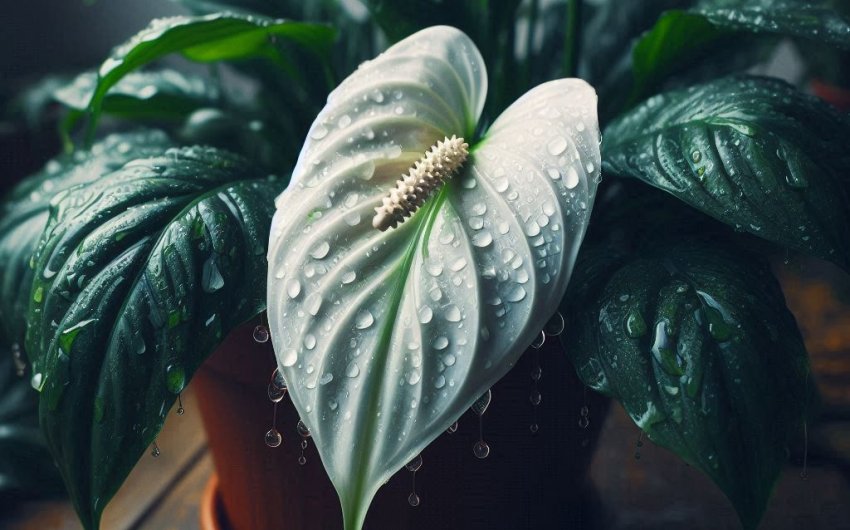
Peace Lilies are known for their lush green leaves and beautiful white blooms, making them a favorite choice for indoor plants. However, a common concern among Peace Lily owners is drooping leaves that sometimes occur even after watering. Drooping leaves can be confusing and may indicate various issues affecting the plant’s health. Understanding the reasons behind the drooping and how to address them can help keep your Peace Lily thriving.
Why Do Peace Lily Leaves Droop After Watering?
There are several reasons why Peace Lily leaves might droop after you water them. Some of these factors include overwatering, root issues, temperature changes, and even the water quality. Each reason has specific signs and solutions, so it’s essential to identify the underlying cause for appropriate treatment.
1. Overwatering
One of the primary reasons for drooping leaves in Peace Lilies is overwatering. Peace Lilies are sensitive plants that prefer moist soil, but too much water can lead to root issues and suffocation. When a Peace Lily is overwatered, the soil becomes waterlogged, blocking oxygen from reaching the roots. This causes the roots to suffocate, leading to drooping leaves as the plant struggles to absorb nutrients.
Signs of Overwatering:
- Consistently damp soil, even a few days after watering
- A foul odor coming from the soil
- Yellowing leaves, particularly the older ones
- Mushy roots upon inspection
Using a moisture meter can help you monitor the soil’s moisture level, preventing overwatering by showing when the soil is sufficiently moist.
How to Prevent Overwatering
- Allow the top inch of soil to dry out before watering again.
- Ensure your pot has drainage holes to allow excess water to escape.
- Use a well-draining soil mix to prevent water from pooling at the roots.
Choosing a pot with drainage can help reduce the chances of overwatering and keep the plant’s roots healthy.
2. Underwatering
While overwatering is more common, underwatering can also cause drooping leaves in Peace Lilies. When a plant is underwatered, it doesn’t have enough moisture to maintain its leaf structure, resulting in a drooping appearance.
Signs of Underwatering:
- Dry soil that feels loose and crumbly
- Leaves that are brown and crispy around the edges
- Peace Lily leaves drooping and not perking up after watering
To avoid underwatering, water your Peace Lily thoroughly and allow the water to reach the plant’s roots. Using a watering can with a narrow spout can help you reach the soil directly without spilling on the leaves.
3. Poor Drainage
Peace Lilies are prone to root issues if the soil does not drain well. When soil lacks adequate drainage, it stays soggy, which leads to root rot and drooping leaves. Poor drainage is often due to either a heavy soil mix or a pot without drainage holes.
Symptoms of Poor Drainage:
- Constantly wet soil with minimal drying between waterings
- Root rot, which appears as black, mushy roots
- Drooping leaves that do not improve after watering
Using a well-draining soil mix specifically designed for houseplants can improve drainage and keep your Peace Lily healthy.
4. Root Bound Plant
If your Peace Lily has outgrown its pot, it may become root bound, where the roots encircle the soil and compete for space and nutrients. A root bound plant struggles to absorb water and nutrients efficiently, leading to drooping leaves even after watering.
Signs of a Root Bound Plant:
- Roots growing out of the drainage holes
- Soil that dries out quickly after watering
- Stunted growth and drooping leaves
Repotting your Peace Lily in a slightly larger pot with fresh soil can help resolve this issue. A ceramic pot with drainage holes is ideal for Peace Lilies, as it provides adequate room and aeration.
5. Water Temperature
Peace Lilies are sensitive to sudden temperature changes, including the temperature of the water used for watering. Cold water can shock the roots, leading to drooping leaves. Always use room-temperature water to avoid stressing the plant.
Using a thermometer for water can help ensure that the water is at a comfortable temperature for your Peace Lily.
6. Low Humidity Levels
Peace Lilies are native to tropical regions and thrive in humid environments. Low indoor humidity can cause drooping leaves, particularly if the plant is placed near a heater or in a dry room.
Signs of Low Humidity:
- Leaves with brown edges and tips
- Drooping leaves that look dry
- Leaves that curl slightly
Increasing Humidity:
- Use a humidifier in the room to maintain consistent moisture levels.
- Place a humidity tray filled with water and pebbles under the pot.
- Mist the leaves occasionally with a spray bottle.
A small room humidifier can help create a humid environment, making it easier for your Peace Lily to maintain its moisture needs.
7. Quality of Water
The quality of water can impact a Peace Lily’s health. Tap water often contains chemicals like chlorine and fluoride that can accumulate in the soil, leading to drooping leaves and other symptoms.
How to Improve Water Quality:
- Use filtered or distilled water to avoid chemical buildup.
- Let tap water sit out overnight to allow chemicals to evaporate.
- Flush the soil periodically to remove any salts or minerals.
Using a water filter pitcher can make it easier to remove chemicals from tap water before watering your Peace Lily.
8. Temperature Fluctuations
Peace Lilies are sensitive to temperature changes. Exposure to cold drafts or sudden temperature drops can stress the plant, causing drooping leaves. Keep your Peace Lily in a room with a consistent temperature between 65°F and 80°F (18°C - 27°C).
Protecting from Temperature Changes:
- Avoid placing the plant near windows or doors that open frequently.
- Keep it away from air conditioning vents and heaters.
- Monitor indoor temperature changes, especially in winter.
Using an indoor temperature monitor can help you maintain a stable environment for your Peace Lily, reducing the risk of drooping due to temperature stress.
9. Light Conditions
Peace Lilies do best in bright, indirect light. Too much direct sunlight can cause leaf burn and drooping, while low light can limit growth and cause the leaves to droop as the plant struggles to photosynthesize efficiently.
Signs of Improper Light:
- Yellowing or browning leaves from too much light
- Drooping or leggy growth due to low light
Adjusting Light Levels:
- Place your Peace Lily near a window with filtered light.
- Use sheer curtains to diffuse harsh sunlight.
- If natural light is insufficient, supplement with a grow light to provide adequate illumination.
10. Fertilizer Issues
While Peace Lilies don’t require much fertilizer, nutrient deficiencies can cause weak and drooping leaves. Excessive fertilization, however, can lead to salt buildup, which stresses the roots and causes drooping leaves.
Fertilizer Tips for Peace Lilies:
- Use a balanced liquid fertilizer once a month during the growing season.
- Avoid fertilizing during fall and winter when the plant’s growth slows.
- Flush the soil every few months to prevent salt buildup.
Using a balanced plant fertilizer at half strength can provide nutrients without risking root damage or drooping.
11. Natural Aging Process
As Peace Lilies grow, older leaves naturally age, droop, and eventually turn yellow or brown. This is a normal process and doesn’t indicate a health issue. If drooping occurs primarily in older leaves near the base, it may be due to natural aging.
Using clean pruning shears to remove aging leaves helps the plant direct energy to new growth, maintaining a fresh and healthy appearance.
12. Root Rot
Root rot is a severe condition caused by overwatering, poor drainage, or compacted soil. When roots rot, they can no longer absorb water and nutrients effectively, leading to drooping leaves. Identifying root rot early is crucial, as it can be fatal to the plant if left untreated.
Symptoms of Root Rot:
- Foul-smelling soil
- Mushy, dark roots upon inspection
- Persistent drooping even after watering
To address root rot, remove the plant from the pot, trim away affected roots, and repot it in fresh soil. A well-draining potting mix and a pot with good drainage are essential to prevent future occurrences.
Using a soil mix for houseplants specifically formulated to drain well can help prevent root rot and support a healthy root environment.
13. Compacted Soil
Compacted soil can limit the roots’ access to air, water, and nutrients, causing stress and drooping leaves. Soil compaction often occurs when the same soil has been in the pot for an extended period, leading to root binding.
Signs of Compacted Soil:
- Water sits on top of the soil rather than absorbing quickly
- Soil is hard and difficult to break apart
- Frequent drooping and slow recovery after watering
Loosening Compacted Soil:
- Use a chopstick or fork to gently aerate the soil surface.
- Consider repotting the plant if the soil is old or compacted.
- Add perlite or sand to improve aeration and drainage.
Using a potting soil with perlite helps maintain a loose, aerated texture that promotes healthy root growth and prevents compaction.
14. Infrequent Repotting
Peace Lilies benefit from being repotted every 1-2 years to refresh the soil and give roots room to expand. Old soil can become nutrient-depleted and compacted over time, restricting the roots and causing drooping.
Repotting Tips:
- Choose a pot that is 1-2 inches larger in diameter than the current one.
- Use fresh soil to provide essential nutrients.
- Water thoroughly after repotting to help the plant settle.
A new pot with proper drainage ensures that your Peace Lily has room to grow and access to fresh nutrients, preventing drooping from root confinement.
15. Pest Infestations
Pests like spider mites and mealybugs can cause drooping leaves as they drain nutrients from the plant. These pests typically hide under leaves and on stems, making them difficult to spot.
Signs of Pests on Peace Lily:
- Discolored leaves with tiny spots
- Webbing or sticky residue on leaves
- Drooping leaves that seem otherwise healthy
Treating your Peace Lily with an insecticidal soap can help eliminate pests and restore the plant’s vigor, reducing drooping caused by infestations.
Managing a drooping Peace Lily requires understanding the balance between water, light, humidity, and nutrients. By identifying and addressing these factors, you can ensure your Peace Lily stays healthy and resilient against common indoor challenges.