
Pet-Friendly Outdoor Furniture: Durable Choices for Garden Spaces
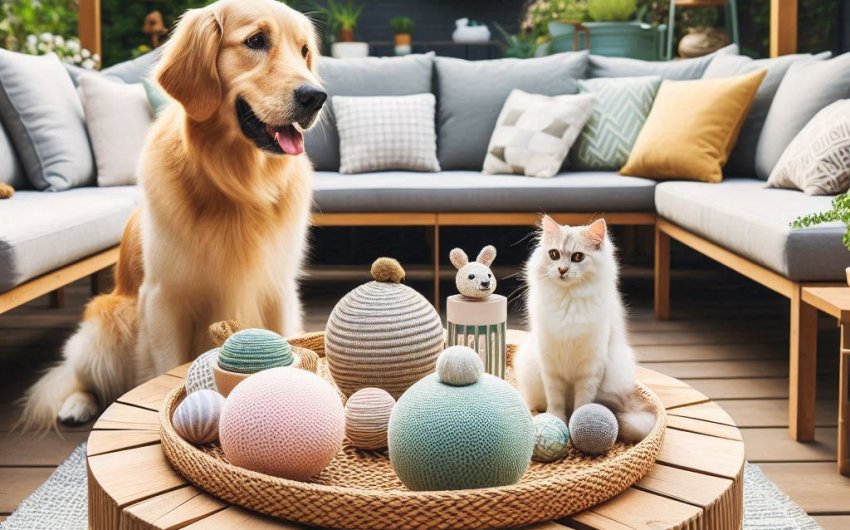
Creating an outdoor sanctuary where both humans and their beloved animal companions can relax requires thoughtful consideration, especially when selecting furnishings. Opting for pet-friendly outdoor furniture ensures durability against playful paws, shedding fur, and occasional muddy adventures, allowing your garden spaces to remain inviting and well-maintained. This guide explores the best materials and designs that withstand the rigors of pet ownership while providing comfortable and stylish additions to your backyard haven.
Why is Pet-Friendly Outdoor Furniture Necessary?
For many homeowners, their outdoor spaces are extensions of their homes, and their pets are cherished family members who also enjoy these areas. Standard outdoor furniture might not stand up to the unique challenges posed by pets. Investing in pet-friendly outdoor furniture isn't just about durability; it's about creating a safe, clean, and enjoyable environment for everyone.
How Do Pets Affect Outdoor Furniture?
Pets, particularly dogs and cats, interact with outdoor furniture in ways that humans typically do not. These interactions, while often endearing, can lead to wear and tear that standard furniture isn't designed to withstand.
- Scratching: Dogs and cats, especially those with long or sharp nails, can easily scratch and tear softer materials like traditional wicker, thin fabrics, or even some softer woods. Whether they're stretching, playing, or simply trying to get comfortable, their claws can leave unsightly marks.
- Chewing/Gnawing: Puppies, dogs prone to anxiety, or even bored pets might chew on furniture legs, woven materials, or cushions. This can not only destroy the furniture but also pose a choking hazard or introduce harmful substances if the materials aren't non-toxic.
- Shedding and Dirt: Pet hair, mud, and dirt are inevitable. Furniture with deep crevices, highly textured surfaces, or non-washable fabrics can quickly accumulate fur and grime, becoming difficult to clean and potentially harboring odors.
- Accidents/Spills: Outdoor "accidents" from pets can stain fabrics or leave odors if not cleaned immediately. Water bowl spills or drooling can also contribute to moisture damage on certain materials.
- Jumping/Climbing: Active pets might jump on or climb furniture, stressing joints, causing tipping, or tearing cushions. Heavy or unstable furniture can also be a safety hazard for pets.
What are the Key Considerations for Pet-Friendly Furniture?
When choosing pet-friendly outdoor furniture, focus on these core attributes:
- Durability: It must withstand scratching, chewing, and general wear from active pets. Materials should be robust and resistant to damage.
- Easy to Clean: Fur, dirt, and spills should be simple to wipe away or wash off without leaving stains or odors. Low-maintenance materials are key.
- Material Resistance: Look for materials that resist mold, mildew, fading, and rust, as outdoor elements combine with pet interactions.
- Non-Toxic: Ensure all materials and finishes are safe for pets, as some might be tempted to lick or chew. Avoid treated woods with harsh chemicals or fabrics with toxic dyes.
- Stability: Furniture should be sturdy and not easily tip over if a pet jumps on or bumps into it, preventing injury to the pet or damage to the furniture.
- Comfort for Both: While pet-friendly, the furniture should also remain comfortable and aesthetically pleasing for human use.
By prioritizing these factors, you can select pet-friendly outdoor furniture that stands the test of time and tail wags.
What Are the Best Frame Materials for Pet-Friendly Furniture?
The frame material is the backbone of your pet-friendly outdoor furniture. It needs to be strong, resistant to damage from claws and teeth, and able to withstand the elements without corroding or degrading. Opting for the right frame material is a primary step in ensuring durability.
Aluminum Frames
Aluminum is a top choice for pet-friendly outdoor furniture due to its exceptional properties.
- Benefits:
- Lightweight: Easy to move around the garden for cleaning or rearranging.
- Rust-Proof: Naturally resistant to rust and corrosion, even in humid climates or near salt water. This means no ugly rust stains on your patio or potential sharp, rusted edges.
- Durable: Strong enough to withstand significant weight and general wear.
- Smooth Surface: Its smooth finish makes it difficult for pets to scratch or chew effectively, and it's easy to wipe clean of fur and dirt.
- Modern Look: Often powder-coated in various colors, offering a sleek, contemporary aesthetic. A powder-coated aluminum patio set can last for years.
- Considerations: Can sometimes be more expensive than steel, and while strong, extreme force can bend it.
Powder-Coated Steel Frames
Steel provides excellent strength and durability, but it needs a protective coating to be truly pet-friendly outdoor furniture.
- Benefits:
- Extremely Strong: Very sturdy and resistant to bending or breaking, even with active pets.
- Heavy: Less likely to tip over if a large dog jumps on it.
- Durable Finish: A high-quality powder coating (a dry finishing process that bakes a protective layer onto the metal) makes it highly resistant to scratches, chips, and rust, providing a smooth surface that resists fur and is easy to clean.
- Considerations: Can be heavy to move, and if the powder coating is chipped (e.g., from a sharp impact), the exposed steel can rust. Look for quality outdoor steel furniture with thick powder coating.
Recycled Plastic/HDPE Lumber
Furniture made from recycled plastic (specifically high-density polyethylene or HDPE lumber) is an increasingly popular and highly pet-friendly outdoor furniture option.
- Benefits:
- Extremely Durable: Impervious to rot, insects, and fading. It won't splinter, crack, or peel.
- Weatherproof: Can withstand extreme temperatures, sun, rain, and snow.
- Easy to Clean: Non-porous surface makes it simple to wipe down with soap and water, shedding fur and dirt easily.
- Scratch and Chew Resistant: Its dense, consistent texture is difficult for pets to damage significantly.
- Eco-Friendly: Made from recycled materials, often milk jugs. Many companies offer recycled plastic Adirondack chairs and full dining sets.
- Considerations: Can be heavy, and the initial cost is often higher than other materials, though its longevity usually justifies the investment.
Wrought Iron (with caveats)
Wrought iron is incredibly heavy and durable, but it has some specific considerations for pet owners.
- Benefits:
- Extremely Sturdy and Heavy: Virtually impossible to tip over.
- Very Durable: Lasts for decades if properly maintained.
- Considerations: Prone to rust if the finish is compromised (requiring regular maintenance and re-painting). Its ornate designs can sometimes create crevices for fur to collect, and its hardness offers no give if a pet bumps into it. Not generally recommended over aluminum or HDPE for overall pet-friendliness unless regularly maintained.
What Are the Best Fabric Options for Pet-Friendly Outdoor Furniture?
When it comes to cushions and upholstery for pet-friendly outdoor furniture, the fabric choice is paramount. It needs to repel water, resist stains, withstand pet hair, and be durable enough to handle paws and claws.
Solution-Dyed Acrylic (e.g., Sunbrella)
Solution-dyed acrylic fabrics are widely considered the gold standard for outdoor upholstery, and they are exceptionally pet-friendly outdoor furniture fabrics.
- How it's made: The color is added to the acrylic fibers before they are woven, meaning the color goes all the way through the fiber, rather than just being dyed on the surface.
- Benefits:
- Superior Fade Resistance: Highly resistant to UV fading, keeping colors vibrant even after prolonged sun exposure.
- Stain and Water Resistant: Naturally resistant to stains and repels water, making spills (including pet accidents) easy to bead up and wipe away before soaking in.
- Mildew and Mold Resistant: Does not promote mildew or mold growth, which can be an issue with pet fur or dampness.
- Durable and Comfortable: Strong enough to resist tearing from pet claws, yet soft and comfortable for lounging.
- Easy to Clean: Can often be spot cleaned with soap and water, or even machine washed (check manufacturer guidelines). Many Sunbrella outdoor cushions are available.
- Considerations: Higher upfront cost, but lasts much longer than cheaper alternatives.
Olefin Fabric (Polypropylene)
Olefin fabric, also known as polypropylene, is another excellent and more budget-friendly option for pet-friendly outdoor furniture.
- Benefits:
- Good Fade Resistance: While not as fade-resistant as solution-dyed acrylic, it holds up well to sun exposure.
- Water and Stain Resistant: Naturally repels water and resists most stains.
- Durable: Strong and resistant to abrasion and tearing.
- Quick-Drying: Its non-absorbent fibers dry quickly.
- Affordable: Generally less expensive than solution-dyed acrylic. Many olefin outdoor pillows offer good value.
- Considerations: Can feel slightly less soft than acrylic, and fade resistance is good but not superior.
Textilene Mesh (PVC Coated Polyester)
Textilene mesh is a PVC-coated polyester fabric commonly used for sling-style chairs, loungers, and pet beds.
- Benefits:
- Extremely Durable and Tear Resistant: Very strong and can withstand claws without tearing.
- Quick-Drying: Its open weave allows water to pass through quickly, preventing pooling and mildew.
- Easy to Clean: Simply hose down and wipe dry.
- UV Resistant: Resists fading in the sun.
- Considerations: Less "cushy" than upholstered cushions, but often comfortable enough for casual seating. Ideal for pet beds or low-maintenance seating. You'll find Textilene sling chairs are very practical.
Avoid These Fabrics
- Cotton/Natural Fibers: Highly absorbent, prone to staining, slow to dry, and susceptible to mildew and rot outdoors. Also not very durable against pet claws.
- Delicate Wovens: Loosely woven or very soft fabrics can easily snag, pull, or tear from pet nails.
- Light-Colored or Highly Textured Fabrics: While some light colors work with solution-dyed fabrics, very light shades or deep textures can show dirt and pet hair more readily.
What Furniture Styles and Designs are Best for Pets?
Beyond materials, the actual design and style of your pet-friendly outdoor furniture can greatly impact its longevity and ease of maintenance when living with animals. Opting for certain features can minimize pet-related wear and make your outdoor space more harmonious.
Furniture with Minimal Upholstery
The less fabric, the less opportunity for fur, dirt, and claw marks.
- Sling Chairs: Chairs with tensioned fabric (like Textilene) stretched over a frame are fantastic. They offer support without bulky cushions that can trap fur or get dirty. A Textilene sling patio chair is durable and easy to clean.
- Open-Weave Wicker/Metal Chairs: Furniture with an open, breathable design (e.g., synthetic wicker that isn't tightly woven, or slatted metal) can be very good, especially if paired with removable, washable cushions.
- Solid Surfaces: Tables and benches made from solid materials like HDPE lumber or powder-coated aluminum are easy to wipe down.
Detachable and Washable Cushions
If you do want cushions for comfort, they must be easy to clean.
- Zippered Covers: Ensure cushion covers have zippers so they can be easily removed and machine washed. This is a non-negotiable feature for pet-friendly outdoor furniture.
- Darker or Patterned Fabrics: These can help camouflage pet hair and minor dirt better than solid light colors.
Elevated Designs
Furniture that is slightly elevated off the ground can be beneficial.
- Prevents Bottom Damage: If chairs or sofas sit directly on the ground, the underside can become muddy or accumulate moisture. Elevated legs help prevent this.
- Aids Cleaning: Makes it easier to sweep or hose down the patio area underneath the furniture.
Rounded Edges and Smooth Surfaces
Avoid furniture with sharp corners or highly textured surfaces that could potentially injure a playful pet or snag fur.
- Smooth Metal or HDPE: These materials typically have smooth finishes, reducing catch points for fur or claws.
- Rounded Furniture Legs: Reduces the likelihood of chewing damage or injury.
Designated Pet Beds/Areas
While not furniture for humans, providing a designated pet bed or sleeping area on the patio can redirect pets away from human seating.
- Outdoor Pet Bed: A raised, chew-resistant outdoor pet bed gives your dog a comfortable, designated spot. Look for elevated outdoor dog beds made with durable mesh.
- Cooling Mats: For hot climates, a cooling pet mat can offer relief. This gives pets a reason to choose their own spot over your patio cushions.
How Do You Maintain Pet-Friendly Outdoor Furniture?
Even the most durable and pet-friendly outdoor furniture will benefit from regular maintenance to ensure its longevity and cleanliness. Simple habits can keep your garden spaces looking inviting and free of excessive pet-related wear.
Regular Cleaning Routine
Consistency is key to managing pet hair and dirt.
- Shake Off/Brush Off: Regularly shake or brush off pet hair from cushions and furniture surfaces. A lint roller can be surprisingly effective for spot cleaning.
- Wipe Down: Use a damp cloth with mild soap and water to wipe down frames and non-fabric surfaces regularly.
- Hose Down: For very durable materials like HDPE lumber or Textilene mesh, a quick hose-down can be very effective for removing dirt and grime. Allow to air dry thoroughly.
- Machine Wash Covers: For zippered cushion covers made from solution-dyed acrylic or olefin, follow the manufacturer's instructions for machine washing.
Stain and Odor Removal
Address pet accidents and spills immediately to prevent permanent stains and odors.
- Blot, Don't Rub: For liquid spills, blot gently with a clean cloth. Rubbing can spread the stain.
- Mild Soap and Water: Most spills can be cleaned with a mixture of mild dish soap and water. For tough stains, follow the fabric manufacturer's specific cleaning instructions.
- Enzymatic Cleaners: For pet urine or strong odors, use an enzymatic pet cleaner specifically designed for pet odors. These break down organic matter causing the smell.
Protection from Elements (When Not in Use)
While durable, protecting your furniture from prolonged exposure to harsh elements can extend its life.
- Furniture Covers: Invest in outdoor furniture covers during off-seasons or extended periods of bad weather.
- Store Cushions: Bring cushions indoors during heavy rain, winter months, or when not in use for long periods.
Address Chewing/Scratching Habits
Train your pets to avoid chewing or scratching furniture.
- Deterrents: Use pet-safe bitter sprays (e.g., Grannick's Bitter Apple) on furniture legs if chewing is an issue.
- Provide Alternatives: Ensure your pet has plenty of appropriate chew toys or scratching posts to redirect their natural behaviors away from your furniture. Regular nail trims for dogs and cats can also minimize scratching damage.
By understanding the unique challenges pets pose and strategically choosing pet-friendly outdoor furniture crafted from durable, easy-to-clean materials, you can create a beautiful and functional garden space that is welcoming for every member of your family, furry or otherwise.