
Unique Planter Furniture: Combining Greenery with Seating
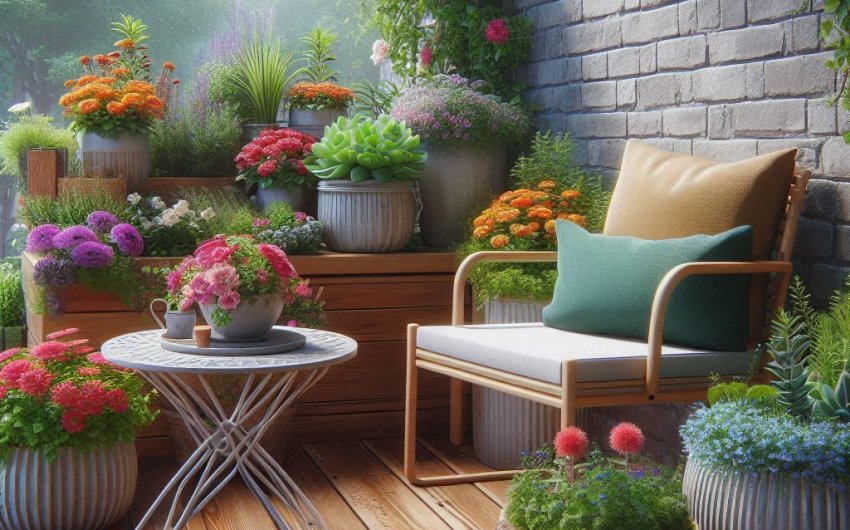
In an increasingly urbanized world, finding creative ways to bring the calming presence of nature into our homes and public spaces has become more important than ever. While traditional houseplants in pots certainly add a touch of green, an exciting trend is emerging that takes this concept a step further: planter furniture. This innovative design blends the beauty and benefits of indoor plants directly with functional furniture, creating truly unique and integrated pieces that blur the lines between decor, nature, and utility.
Planter furniture is more than just a place to put a pot; it's a piece designed with a built-in spot for plants, often creating a seamless visual flow between the living organism and the inanimate object. Imagine a coffee table with a central planter, a bench that embraces a lush plant, or a room divider that doubles as a vertical garden. These clever combinations not only save space but also enhance the aesthetic appeal of a room while simultaneously inviting more greenery into our daily lives. Let's explore the world of unique planter furniture, discovering its benefits, various forms, and how to incorporate these living pieces into your home or office.
Why Choose Planter Furniture?
The appeal of planter furniture goes beyond just looking good. It offers several practical and aesthetic advantages that make it a smart choice for modern living spaces.
Space Saving and Efficiency
In homes where every square foot counts, multifunctional furniture is a godsend. Planter furniture is a prime example of this efficiency.
- Dual Purpose: Instead of needing a separate spot for your plant and another for your chair or table, planter furniture combines these functions. A bench with an integrated planter means one less item cluttering your floor space. This is especially useful in smaller apartments, balconies, or narrow hallways.
- Vertical Integration: Some designs allow plants to grow vertically within the furniture, like a shelving unit with built-in plant sections. This maximizes greenery in a minimal footprint.
- Reduced Clutter: By having a dedicated, integrated spot for plants, you avoid having pots scattered randomly, leading to a cleaner and more organized look.
Enhanced Aesthetics and Biophilic Design
Planter furniture naturally enhances the beauty of a space by incorporating living elements directly into the design.
- Seamless Integration: The main aesthetic appeal lies in the seamless way plants become part of the furniture piece itself. This creates a cohesive and organic look that standard pots rarely achieve.
- Natural Focal Point: A piece of planter furniture often becomes an immediate focal point, drawing the eye and adding a dynamic, living element to the room. The plants become a living piece of art.
- Biophilic Design: This is a design concept that aims to connect building occupants more closely to nature. Planter furniture is a perfect example of biophilic design in action. It leverages our innate human desire to be surrounded by nature, which can lead to feelings of comfort, peace, and even improved well-being.
- Softens Hard Edges: The organic shapes and textures of plants can soften the often rigid lines of modern furniture, creating a more inviting and harmonious environment.
Improved Well-being and Environment
Bringing plants indoors has proven benefits for our health and mood, and planter furniture makes this connection even stronger.
- Air Purification: Plants naturally filter toxins from the air and release oxygen. The more plants you have, the more they contribute to cleaner, fresher indoor air, which can reduce headaches, improve focus, and enhance overall well-being.
- Humidity Boost: Plants release moisture through transpiration, which can slightly increase indoor humidity. This is beneficial in dry climates or during winter months when heating systems can dry out the air.
- Stress Reduction: Studies show that simply being around greenery can lower stress levels and reduce anxiety. Planter furniture places this stress-reducing element directly within your seating or work area, maximizing its impact.
- Increased Connection to Nature: For those in urban environments, planter furniture provides a daily, intimate connection to the natural world, even indoors. This connection can ground us and foster feelings of calm and contentment.
Unique Design and Customization
Planter furniture often stands out from conventional pieces, offering unique design opportunities.
- Statement Pieces: Many planter furniture designs are truly unique and can serve as bold statement pieces that reflect a modern, nature-loving aesthetic.
- Customization: Whether bought pre-made or custom-built, these pieces often allow for a high degree of customization regarding the type of plants, the materials used, and the overall style, ensuring it perfectly fits your space and taste.
- Flexibility: Some designs offer flexibility to change plants with the seasons or as your aesthetic evolves, allowing for ongoing freshness and personalization.
What Types of Planter Furniture Exist?
The world of planter furniture is surprisingly diverse, ranging from subtle integrations to bold, immersive designs. The common thread is the clever combination of a spot for plants with a functional piece of furniture.
1. Planter Benches and Seating
These pieces seamlessly blend a place to sit with a built-in planter, often creating a relaxed, garden-like feel indoors or on a patio.
- Integrated Planter Benches: These are perhaps the most common form. A bench might have a planter box at one or both ends, or even integrated into the middle of the seating area. This is great for creating a cozy nook or defining a space. A wooden planter bench offers a natural look, while a metal planter bench can provide a more industrial aesthetic.
- Uses: Entryways, hallways, mudrooms, sunrooms, covered patios, large living areas.
- Ideal Plants: Tall, upright plants like Snake Plants or ZZ Plants for definition; trailing plants like Pothos or String of Hearts to spill over the sides; or smaller, bushy plants for a fuller look.
- Modular Seating with Planters: Some modern designs offer modular seating units that can be arranged in various configurations, with dedicated planter modules that fit within the arrangement. This allows for great flexibility in design.
- Uses: Large open-plan living areas, commercial lobbies, office breakout spaces.
- Chair-Side Planters: Some armchairs or lounge chairs might feature a small, integrated planter on the side or within the armrest, allowing for a personal touch of greenery right beside you.
2. Planter Coffee Tables and Side Tables
These tables turn a functional surface into a living display, making your greenery a central part of your living space.
- Recessed Planter Coffee Tables: The most popular design features a recess or opening in the tabletop where plants are placed. Some even have a glass top over the plants, creating a terrarium-like effect while still offering a flat surface for drinks or books. A glass top planter coffee table is a stylish choice.
- Uses: Living rooms, waiting areas.
- Ideal Plants: Low-growing plants like Fittonia, Peperomia, or small ferns; mosses and small succulents for a mini-landscape.
- Side Tables with Built-in Planters: Similar to coffee tables but smaller, these offer a convenient spot for a drink and a small plant.
- Uses: Next to sofas, bedsides, reading nooks.
- Tables with Plant Display Legs/Bases: Some designs incorporate plant pots directly into the table legs or base structure, creating a unique visual flow.
3. Planter Shelving Units and Room Dividers
These pieces combine storage or space division with integrated plant displays, often bringing greenery to vertical spaces.
- Integrated Planter Shelves: A shelving unit might have specific sections or a top tier designed to hold plant pots, sometimes with built-in drainage. This is excellent for creating a cascading green display. A metal plant shelf with grow lights can combine display and growing needs.
- Uses: Any room needing vertical storage and greenery.
- Ideal Plants: Trailing plants for lower shelves, upright plants for upper shelves, various sizes to create interest.
- Planter Room Dividers: These act as living screens, separating areas within an open-plan space while adding privacy and greenery. They often feature multiple tiers or sections for plants.
- Uses: Open-plan living rooms, offices, studios.
- Ideal Plants: A mix of foliage plants that provide density without being too heavy, or tall, airy plants for a lighter screen.
4. Other Unique Combinations
The creativity in planter furniture extends to many other types of pieces.
- Desk with Integrated Planter: Some modern desks feature a narrow trough or a corner section for plants, bringing greenery directly into your workspace. A desk with built-in planter can boost focus.
- Headboards with Planters: Imagine a headboard that incorporates a planter, allowing small plants to create a soothing, natural backdrop for your bed.
- Kitchen Islands with Herb Gardens: Some custom kitchen islands can integrate a shallow planter for herbs, offering fresh ingredients and a beautiful green accent.
- Pet Furniture with Planters: There are even designs for pet beds or litter box enclosures that cleverly incorporate a small planter on top, ensuring your pet enjoys the greenery too.
The diversity of planter furniture means there's likely a design to fit almost any need or aesthetic, offering a fresh way to interact with plants in your home.
What Materials and Styles Are Common?
The materials used in planter furniture greatly influence its style, durability, and suitability for different environments. Designers often choose materials that complement both the plants and the surrounding decor.
Common Materials
- Wood: Wood is a popular choice for planter furniture due to its natural warmth, versatility, and ability to blend seamlessly with greenery.
- Types: Reclaimed wood for a rustic or industrial look, solid oak or walnut for a classic or modern aesthetic, bamboo for a light, eco-friendly feel.
- Benefits: Durable, aesthetically pleasing, can be easily shaped, often sustainable.
- Considerations: Requires proper sealing and liners to protect against moisture from plants. A solid wood planter bench is a timeless option.
- Metal: Metal offers strength, durability, and a sleek, modern, or industrial appeal.
- Types: Steel (often powder-coated for color and rust resistance), aluminum (lightweight and corrosion-resistant), wrought iron (for more traditional or elaborate designs).
- Benefits: Very strong, can be shaped into minimalist designs, good for outdoor use if treated.
- Considerations: Can be heavy (steel), may rust if not properly coated, can conduct heat/cold. Look for powder coated metal planters for durability.
- Concrete/Fiberglass: These materials are excellent for a minimalist, industrial, or contemporary look.
- Types: Cast concrete, GFRC (Glass Fiber Reinforced Concrete) which is lighter, and fiberglass composites.
- Benefits: Extremely durable, weather-resistant (good for indoor/outdoor transition), can be molded into various shapes, often has a raw, modern aesthetic.
- Considerations: Concrete can be very heavy; fiberglass can sometimes look less authentic than natural materials.
- Plastic/Resin: For more affordable or lightweight options, plastic and resin composites are common.
- Types: Recycled plastic, various durable resin blends.
- Benefits: Lightweight, affordable, often UV-resistant (good for outdoor), comes in many colors.
- Considerations: Can sometimes look less high-end, might degrade over time if exposed to harsh elements.
- Ceramic/Porcelain: While not typically used for the entire furniture piece, ceramic or porcelain inserts are common for the planter sections, especially in coffee tables or smaller side tables.
- Benefits: Beautiful finishes, excellent for holding moisture and protecting the furniture.
- Considerations: Can be heavy and breakable.
Design Styles
Planter furniture can be found in a wide array of styles to match various home decors.
- Modern/Minimalist: Characterized by clean lines, simple forms, and often monochromatic palettes. Materials like metal, concrete, or sleek wood are common. The focus is on the integration of the plant as an architectural element. A minimalist planter coffee table exemplifies this.
- Industrial: Often combines raw materials like black metal, distressed wood, and exposed concrete. The designs are robust and functional, emphasizing utility.
- Bohemian/Eclectic: Features natural textures, woven elements, and often a mix of patterns and colors. Planter furniture in this style might include macrame hangers integrated into shelving, or benches made from natural, unrefined wood. A boho plant stand could be part of this style.
- Mid-Century Modern: Emphasizes organic shapes, tapered legs, and often rich wood tones combined with pops of color. Planter elements might be gracefully integrated within the furniture's clean lines.
- Rustic/Farmhouse: Uses reclaimed wood, wrought iron, and distressed finishes. Designs are sturdy and evoke a sense of warmth and history.
- Scandinavian: Characterized by light woods, clean lines, and functional, uncluttered designs. Plants are a key element, bringing warmth and natural texture to otherwise simple forms. A nordic style planter fits this aesthetic.
When choosing planter furniture, consider how the materials and style will integrate with your existing decor and the specific needs of the plants you intend to house.
How Do I Choose the Right Plants for Planter Furniture?
Selecting the right plants for your planter furniture is as important as choosing the furniture itself. The plant needs to thrive in the given conditions and complement the design.
Consider the Planter's Features
The built-in planter isn't just a hole; it has specific characteristics that dictate what plants will be happy there.
- Drainage: Most importantly, does the planter have drainage holes? Good drainage is crucial for plant health, preventing root rot. If not, you'll need to use a method that avoids standing water (e.g., a layer of pebbles at the bottom, very careful watering, or a cachepot within the built-in planter).
- Depth and Width: The size of the planter determines the root space available.
- Shallow planters (like in a coffee table) are best for plants with shallow root systems, such as succulents, mosses, or small Fittonia.
- Deeper planters can accommodate larger plants like Snake Plants or ZZ Plants that need more root room.
- Water Reservoir/Self-Watering: Some advanced planter furniture might include a self-watering system or a water reservoir. This can be a huge benefit for busy individuals, ensuring consistent moisture for plants. A self watering planter box is convenient.
- Liner/Protection: Ensure the planter furniture has a waterproof liner to protect the furniture material (especially wood) from moisture damage.
Assess the Environment
Just like any houseplant, the right amount of light, humidity, and stable temperature are crucial.
- Light Levels: This is the most critical factor.
- Is the furniture placed near a bright window (direct or indirect light)?
- Is it in a low-light corner of the room?
- Choose plants that match the available light. For example, a String of Pearls needs very bright light, while a ZZ Plant can handle low light.
- Temperature Consistency: Most indoor plants prefer stable room temperatures (65-85°F or 18-29°C). Avoid placing planter furniture near drafty windows, air conditioning vents, or heat sources that could cause sudden temperature swings.
- Humidity: Some plants, like ferns, prefer higher humidity. If your home is dry, consider plants that tolerate lower humidity, or be prepared to mist regularly or use a small humidifier nearby.
Consider Plant Growth Habit and Size
Think about how the plant will grow and how it will interact with the furniture piece over time.
- Mature Size: Research the mature size of the plant you choose. Will it eventually outgrow the planter or overshadow the furniture? Choose plants that will fit the scale of the furniture at maturity, or be prepared to prune regularly or re-pot into a separate container.
- Growth Habit:
- Upright Plants: Tall, architectural plants like Snake Plants or certain Dracaenas work well in planter benches or as vertical accents in shelving.
- Trailing/Vining Plants: Pothos, Heartleaf Philodendron, String of Hearts, or Ivy can beautifully spill over the edges of coffee tables, shelves, or benches, creating a lush, abundant look. A pothos plant is perfect for trailing.
- Bushy Plants: Fittonia, Peperomia, or small ferns are good for filling out recessed planters in coffee tables or for adding fullness to larger planter boxes.
- Succulents/Cacti: Excellent for shallow, well-draining planters that receive lots of light. They tolerate dry conditions.
- Maintenance Level: How much time and effort are you willing to put into plant care?
- Low Maintenance: ZZ Plants, Snake Plants, Pothos, and Spider Plants are very forgiving for busy individuals.
- Moderate Maintenance: Peace Lilies, Fiddle Leaf Figs, and Monstera need a bit more attention.
- High Maintenance: Ferns and certain flowering plants may require more specific care (humidity, watering).
Visual Harmony
Finally, consider how the plant's colors, textures, and forms will complement the furniture and the room's decor.
- Color Palette: Do the plant's leaves (and flowers, if any) harmonize with the colors of your furniture and walls?
- Texture: The smooth waxy leaves of a ZZ Plant contrast beautifully with rough wood, while the feathery fronds of a fern can soften metallic furniture.
- Overall Aesthetic: Does the plant contribute to the desired mood or style of the space (e.g., tropical, minimalist, cozy, vibrant)?
By carefully considering these factors, you can choose plants that not only thrive in your planter furniture but also enhance its unique design and bring lasting joy to your home.
What Are the Maintenance Considerations?
While planter furniture offers unique benefits, it also comes with specific maintenance considerations. Integrating plants directly into furniture means you need to be mindful of both the plant's health and the longevity of the furniture piece itself.
Watering and Drainage
This is perhaps the most critical aspect of maintaining planter furniture. Improper watering can lead to plant death and damage to your furniture.
- Check for Drainage Holes: Before buying or planting, confirm if the built-in planter has drainage holes.
- With Drainage Holes: This is ideal. Ensure there's a tray or saucer underneath to catch excess water, or that the furniture design allows for proper water collection and removal. Water thoroughly until water drains, then empty the excess.
- Without Drainage Holes: This requires much more careful watering. You must water sparingly, only giving the plant exactly what it needs, to avoid water pooling at the bottom, which leads to root rot. Alternatively, use a cachepot (a pot inside the planter that has drainage holes) and lift it out to drain. You can also place a layer of pebbles or LECA (lightweight expanded clay aggregate) at the bottom, but this is not a substitute for drainage holes; it just creates a small reservoir.
- Watering Frequency: Determine the appropriate watering schedule for your specific plants. Succulents and cacti need infrequent watering, while ferns and some tropical plants prefer consistent moisture. A moisture meter can be a helpful tool.
- Preventing Leaks: Always ensure the liner within the furniture is intact and waterproof. Check for any cracks or damage regularly. For wood furniture, a high-quality waterproof liner is non-negotiable.
Protecting the Furniture Material
Moisture is the primary enemy of furniture, especially wood and certain metals.
- Liners: Always use a sturdy, waterproof liner inside the planter section. This creates a barrier between the moist soil and the furniture material.
- Sealing and Finishing: If your planter furniture is made of wood, ensure it's properly sealed with a waterproof finish. For metal, check for rust-resistant coatings like powder coating.
- Spills and Condensation: Be vigilant about wiping up any water spills immediately. Also, be aware of condensation on the outside of the planter, which can damage surfaces over time. Using coasters for drinks placed near the plant can also help.
Pest Management
Integrated planters can sometimes provide an ideal environment for common indoor plant pests.
- Regular Inspection: Routinely check your plants for signs of pests like spider mites, mealybugs, or fungus gnats. Inspect both the top and underside of leaves.
- Isolation: If you bring a new plant home, isolate it for a few weeks before placing it in planter furniture to ensure it's pest-free.
- Treatment: Address pest issues promptly with appropriate treatments (e.g., neem oil, insecticidal soap, or specialized pest control spray for plants). A bottle of neem oil spray for plants is a good general solution.
- Fungus Gnats: These often indicate overly moist soil. Allow the soil to dry out more between waterings, and consider using sticky traps.
Pruning and Plant Health
Regular plant care contributes to both the plant's health and the furniture's appearance.
- Pruning: Trim yellowing or dead leaves regularly. Prune to maintain the plant's shape and size, ensuring it doesn't overgrow the furniture or block pathways. For trailing plants, occasional trimming encourages bushier growth.
- Fertilizing: Fertilize your plants during their active growing season (spring/summer) according to the plant's specific needs and fertilizer instructions. Avoid over-fertilizing. A balanced indoor plant fertilizer is a good starting point.
- Repotting: Eventually, plants might outgrow their built-in planter space. If possible, remove the plant from the planter and root prune or re-pot into a slightly larger grow pot that still fits within the furniture's planter.
- Cleaning Leaves: Dust leaves regularly with a soft cloth or by gently showering them. Clean leaves can photosynthesize more efficiently and look more vibrant.
Soil Management
The right soil and its ongoing health are crucial for plant vitality.
- Well-Draining Potting Mix: Always use a high-quality, well-draining potting mix specific to your plant type (e.g., a succulent and cactus mix for desert plants, or a general indoor potting mix with added perlite for tropical plants). A bag of perlite for plants can improve drainage.
- Soil Aeration: Over time, soil can become compacted. Gently aerate the soil occasionally by poking it with a chopstick or small trowel to improve air circulation to the roots.
- Replacing Soil: Every few years, or when a plant seems to struggle despite proper care, consider replacing the top layer of soil or fully repotting with fresh mix.
By paying attention to these maintenance considerations, your planter furniture will remain a beautiful, living, and functional addition to your space for years to come.