
Preventing and Managing Sunscald on Your Lawn
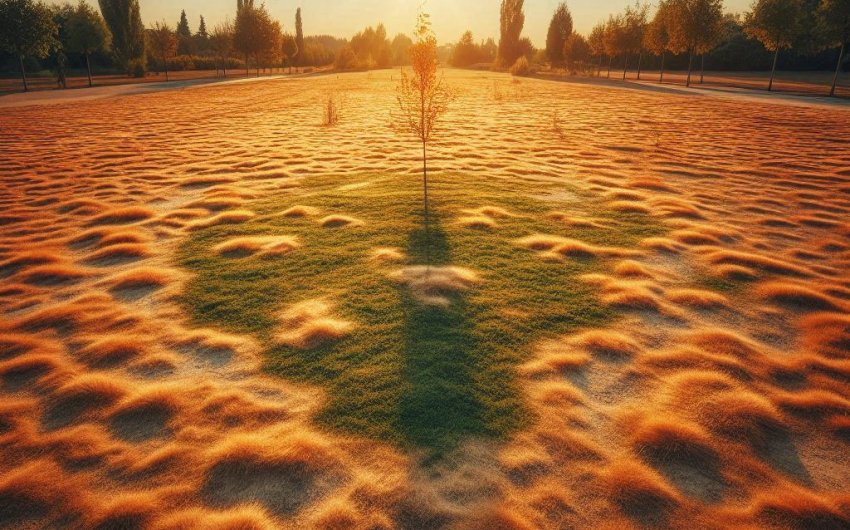
Sunscald can seriously damage your lawn, turning vibrant green patches into unsightly brown or yellow areas. Understanding how to prevent and manage lawn sunscald is crucial for maintaining a healthy and beautiful turf, especially during hot, dry periods. This guide will walk you through the causes, preventative measures, and effective treatments to ensure your grass stays resilient.
What Causes Sunscald on Lawns?
Sunscald, also known as turf desiccation or heat stress, occurs when grass blades lose moisture faster than they can absorb it. This often happens during periods of intense heat combined with insufficient water. Think of it like a plant getting a sunburn; the cells literally dry out and die.
Factors Contributing to Sunscald
Several elements can make your lawn more susceptible to sunscald.
- Intense Sunlight: Prolonged exposure to direct, unfiltered sunlight is the primary culprit. South-facing slopes or areas next to reflective surfaces like concrete driveways or brick walls are especially vulnerable.
- High Temperatures: When air temperatures soar, the evaporation rate from grass blades increases significantly, leading to rapid moisture loss.
- Low Humidity: Dry air lacks moisture, further accelerating water evaporation from plant surfaces.
- Insufficient Watering: If your lawn isn't receiving enough water to replenish what's lost through evaporation and transpiration, it will inevitably suffer from drought stress and sunscald.
- Poor Soil Drainage: Compacted or poorly draining soil can prevent water from reaching the root zone, even if you are watering. This leads to surface drying and stressed grass.
- Nutrient Deficiencies: A lack of essential nutrients can weaken grass, making it less resilient to environmental stresses like heat and sun.
- Mowing Practices: Cutting your grass too short can expose the soil and the crowns of the grass plants to more intense sunlight, increasing the risk of sunscald. Scalping the lawn removes too much blade surface, reducing its ability to photosynthesize and retain moisture.
How Can You Prevent Sunscald on Your Lawn?
Preventing lawn sunscald is always easier than treating it. A proactive approach involves several key practices that build a strong, resilient lawn.
Proper Watering Techniques
Watering correctly is perhaps the most important defense against sunscald.
- Water Deeply and Infrequently: Instead of light, frequent sprinkles, water your lawn deeply to encourage roots to grow further down into the soil. This makes them more resilient to dry conditions. Aim for about 1 inch of water per week, either from rain or irrigation. You can use a rain gauge to measure this.
- Water in the Early Morning: The best time to water is between 4 AM and 10 AM. This allows the grass blades to dry before nightfall, reducing the risk of fungal diseases, while still allowing the water to soak in before the sun gets too intense and causes excessive evaporation.
- Monitor Soil Moisture: Don't just water on a schedule. Feel the soil. If it's dry an inch or two down, it's time to water. A soil moisture meter like the XLUX T10 Soil Moisture Sensor Meter can be very helpful.
- Avoid Evening Watering: Watering in the evening leaves grass wet overnight, creating an ideal environment for diseases like brown patch and dollar spot.
Optimal Mowing Practices
Your mowing habits play a big role in your lawn's health and sunscald resistance.
- Maintain a Higher Mowing Height: Taller grass blades provide natural shade for the soil, keeping it cooler and reducing water evaporation. Aim for a height of 2.5 to 3 inches for most cool-season grasses and 2 to 2.5 inches for warm-season grasses.
- Never Remove More Than One-Third: When mowing, never cut off more than one-third of the grass blade's total height at one time. Cutting too much at once stresses the grass and makes it more vulnerable.
- Keep Mower Blades Sharp: Dull blades tear the grass, leaving ragged edges that are more susceptible to disease and water loss. Sharpen your mower blades at least once per season, or more often if you mow frequently. Consider a Rotary Lawn Mower Blade Sharpener for easy home maintenance.
- Mulch Grass Clippings: Leaving clippings on the lawn returns valuable nutrients to the soil and helps retain moisture. They act as a natural mulch.
Improving Soil Health
Healthy soil is the foundation of a healthy lawn, making it more resilient to stressors like sunscald.
- Aeration: Core aeration involves removing small plugs of soil from your lawn. This helps alleviate soil compaction, allowing water, air, and nutrients to penetrate deeper into the root zone. Aim to aerate your lawn once a year, typically in the fall for cool-season grasses or late spring/early summer for warm-season grasses. An M.J. Hummel Manual Lawn Coring Aerator is great for smaller areas.
- Topdressing: Applying a thin layer of organic matter, such as compost, over your lawn improves soil structure, water retention, and nutrient availability.
- Soil Testing: A soil test provides a detailed analysis of your soil's composition, pH level, and nutrient content. This information is crucial for applying the correct amendments and fertilizers. You can get an affordable Rapitest 1818 Soil Test Kit to check basic levels.
- Adjusting Soil pH: Most lawn grasses prefer a slightly acidic to neutral pH (between 6.0 and 7.0). If your soil pH is too high or too low, it can hinder nutrient absorption. Lime can raise pH, while sulfur can lower it.
Strategic Fertilization
Proper fertilization provides the nutrients grass needs to thrive and withstand stress.
- Balanced Nutrients: Use a slow-release fertilizer that provides a balanced mix of nitrogen, phosphorus, and potassium. Nitrogen promotes blade growth, phosphorus aids root development, and potassium improves overall plant health and stress resistance.
- Timing is Key: Fertilize at the right time for your grass type. Cool-season grasses benefit from applications in early fall and early spring, while warm-season grasses are best fertilized in late spring and mid-summer.
- Avoid Over-Fertilizing: Too much fertilizer, especially nitrogen, can lead to excessive growth that requires more water, making the lawn more susceptible to sunscald during dry periods.
- Organic Fertilizers: Consider using organic options like milorganite or compost tea, which slowly release nutrients and improve soil health over time.
Choosing Drought-Tolerant Grass Varieties
If you live in an area prone to intense sun and heat, selecting the right grass type is a powerful preventative measure.
- Warm-Season Grasses: These grasses thrive in hot climates and are generally more drought-tolerant. Examples include:
- Bermudagrass: Extremely heat and drought-tolerant, forms a dense, durable lawn.
- Zoysiagrass: Grows slowly but forms a very dense, tough turf that withstands heat well.
- St. Augustinegrass: Common in warm, humid climates, forms a coarse, thick blade.
- Centipedegrass: Low-maintenance and heat-tolerant, but less tolerant of traffic.
- Cool-Season Grasses: While generally less heat-tolerant, some varieties have improved drought resistance:
- Tall Fescue: One of the most drought-tolerant cool-season grasses due to its deep root system.
- Kentucky Bluegrass (certain cultivars): While generally needs more water, some newer varieties show improved heat tolerance.
- Perennial Ryegrass: Can tolerate some heat but prefers cooler conditions.
Providing Shade and Protection
For particularly vulnerable areas, consider creating temporary or permanent shade.
- Temporary Shade Cloths: For small, newly seeded, or highly stressed areas, a shade cloth can offer immediate relief from intense sun. These are available in various densities, allowing some light through while blocking harsh rays.
- Planting Trees or Shrubs: Long-term solutions include strategically planting trees or large shrubs that will eventually cast shade over parts of your lawn during the hottest parts of the day. Choose species that are suitable for your local climate.
- Relocating Reflective Objects: If possible, move or shade highly reflective garden ornaments, stones, or patio furniture that might be intensifying sunlight on specific lawn areas.
How Do You Identify Sunscald on Your Lawn?
Recognizing the signs of sunscald early allows for quicker intervention and better recovery. Sunscald often mimics other lawn problems, so careful observation is key.
Common Symptoms of Sunscald
- Browning or Yellowing Patches: This is the most common sign. Unlike uniform browning from general drought, sunscald often appears in distinct patches, especially in areas exposed to direct, intense sun, such as south-facing slopes, edges of driveways, or near fences.
- Dry, Brittle Blades: The grass blades will feel dry and crisp to the touch, easily breaking when bent. They may have a bleached or straw-like appearance.
- Wilting: Before full browning, grass blades may wilt or curl, appearing limp due to lack of turgor pressure. This is an early warning sign of water stress.
- Footprints Remaining: If you walk across your lawn and your footprints remain visible for an extended period, it's a strong indicator of water stress. Healthy grass blades will spring back quickly.
- Bare Spots: In severe cases, sunscald can lead to the death of entire patches of grass, leaving bare soil exposed.
Differentiating Sunscald from Other Lawn Issues
It's important to distinguish sunscald from other common lawn problems that cause browning.
- Drought Stress: Sunscald is a form of drought stress, but typically more localized and severe due to concentrated heat. General drought stress might show more uniform browning across the entire lawn.
- Fungal Diseases: Diseases like brown patch often appear as circular patterns of browning, and you might notice a distinct "smoke ring" around the edges in the early morning. Fungus also thrives in humid conditions, whereas sunscald is associated with dryness.
- Insect Damage: Pests like grubs or chinch bugs cause irregular brown patches that can be pulled up easily (grubs) or have distinct yellow-to-brown patterns (chinch bugs). Look for actual insects or their larvae.
- Chemical Burn: Over-application of fertilizers or herbicides can cause brown streaks or spots, often immediately after application.
- Pet Urine Spots: These are typically small, intensely green rings with a brown dead spot in the center.
When in doubt, observe the pattern, feel the grass, and consider recent weather conditions to help diagnose the problem correctly.
What Are the Best Practices for Managing Sunscald?
Once sunscald appears, quick and appropriate action can often help the lawn recover. The key is to alleviate the stress and support the grass's natural healing process.
Immediate Steps for Affected Areas
- Gentle, Deep Watering: Provide a slow, deep watering to the affected areas. Avoid blasting water onto already stressed grass. A gentle sprinkle or soaking hose can deliver water directly to the roots without further stressing the blades. Do this in the early morning.
- Avoid Mowing Stressed Grass: Do not mow a lawn suffering from sunscald. Mowing adds further stress to already weakened grass blades and can delay recovery. Wait until the grass shows signs of greening up before resuming mowing.
- Increase Mowing Height (When Recovering): Once the grass begins to recover, adjust your mower height to the tallest setting (3 inches or more for most cool-season grasses). This encourages deeper roots and provides more shade for the soil.
Long-Term Recovery and Rehabilitation
- Continue Deep Watering: Maintain a consistent deep watering schedule to ensure the root zone remains adequately moist. This encourages roots to grow deeper, making the grass more resilient in the future.
- Aerate Compacted Areas: If the sunscald is in an area with heavy foot traffic or clay soil, aeration can significantly improve water penetration and oxygen flow to the roots, aiding recovery.
- Topdress with Organic Matter: A thin layer of compost or other organic matter can replenish soil nutrients, improve water retention, and enhance microbial activity, which all contribute to a healthier lawn.
- Overseeding Damaged Patches: For areas with significant dieback and bare spots, overseeding is necessary once temperatures cool down.
- Prepare the Area: Lightly rake the damaged area to loosen the soil and remove any dead debris.
- Select Appropriate Seed: Choose a drought-tolerant grass seed blend suitable for your climate (e.g., Jonathan Green Black Beauty Sun & Shade Grass Seed).
- Apply Seed: Spread the grass seed evenly over the prepared area.
- Lightly Cover: Lightly cover the seed with a thin layer of topdressing or seed starter mix to ensure good seed-to-soil contact and moisture retention.
- Keep Moist: Water the newly seeded area lightly and frequently until the seeds germinate and establish, usually 2-3 times a day for short periods.
- Apply a Balanced Fertilizer (Once Recovered): Once the immediate crisis has passed and the grass shows signs of recovery, a slow-release, balanced fertilizer can help replenish nutrients and promote stronger growth. Avoid high-nitrogen fertilizers until the grass is fully recovered.
- Address Underlying Issues: If the sunscald is a recurring problem, re-evaluate your watering schedule, soil health, and mowing practices. Consider adding shade trees or adjusting your landscape design to reduce intense sun exposure on vulnerable areas.
Can Lawn Products Help with Sunscald Management?
While good cultural practices are paramount, certain lawn products can support your efforts in preventing and managing lawn sunscald.
Soil Conditioners and Amendments
- Wetting Agents (Surfactants): These products help water penetrate compacted or hydrophobic soils, ensuring it reaches the root zone more effectively. They can be particularly useful in areas where water tends to run off. An example is Hydretain Granular OC Water Manager.
- Humic Acid and Fulvic Acid: These organic compounds improve nutrient uptake and enhance the soil's ability to retain water. They can be applied as liquid concentrates or granular forms.
- Compost: As mentioned, good quality compost is an excellent soil amendment that improves structure, drainage, and water retention.
Stress-Reducing Fertilizers and Supplements
- Potassium-Rich Fertilizers: Potassium is crucial for a plant's ability to manage stress, including heat and drought. Look for fertilizers with a higher third number in the N-P-K ratio (e.g., 5-10-20).
- Seaweed Extracts (Kelp Meal): These contain natural plant hormones and trace minerals that can enhance root development and improve a plant's resilience to environmental stress. They can be applied as foliar sprays or soil drenches.
- Biostimulants: These products contain beneficial microorganisms, enzymes, and other natural compounds that enhance plant growth and health, indirectly improving stress tolerance.
Physical Barriers and Tools
- Smart Irrigation Systems: These systems use weather data and soil moisture sensors to automatically adjust watering schedules, preventing both underwatering and overwatering. Look for a Rachio 3 Smart Sprinkler Controller.
- Mulch for Landscape Beds: While not directly for the lawn, mulching adjacent flower beds and trees reduces overall landscape heat and reflective surfaces, indirectly benefiting nearby turf.
- Turf Paint/Dyes: In severe cases where a brown lawn is aesthetically unacceptable, specialized non-toxic turf dyes can temporarily color the grass green. This does not address the underlying issue but can improve appearance until recovery.
When considering any product, always read the label carefully and follow the instructions. Using too much of a product, or the wrong product, can do more harm than good. It's often best to combine product use with sound cultural practices for the most effective lawn sunscald management.
How to Maintain a Sunscald-Resistant Lawn Year-Round?
Maintaining a lawn that can resist sunscald isn't just about reacting to problems; it's about consistent, year-round care that builds resilience.
Seasonal Care Tips
- Spring:
- Tune-Up: Get your mower serviced and blades sharpened.
- Aeration (Cool-Season): If you have cool-season grass, early spring is a good time for aeration to improve soil drainage and root health.
- Fertilize: Apply a balanced, slow-release fertilizer tailored to your grass type.
- Weed Control: Address weeds early to reduce competition for water and nutrients.
- Summer:
- Adjust Mowing Height: Raise your mower deck to the highest setting to help shade the soil and encourage deeper roots.
- Water Wisely: Stick to deep, infrequent watering in the early morning. Be extra vigilant during heatwaves.
- Monitor for Stress: Keep an eye out for early signs of sunscald or other heat stress.
- Limit Traffic: Try to reduce heavy foot traffic on your lawn during the hottest parts of the day.
- Fall:
- Aeration (Warm-Season): For warm-season grasses, late summer/early fall is ideal for aeration.
- Overseeding: This is the best time to overseed thin or damaged areas of cool-season lawns to promote recovery before winter.
- Winterizer Fertilizer: Apply a "winterizer" fertilizer, which is typically higher in potassium, to help grass build tolerance to cold and store energy for spring.
- Leaf Removal: Rake or mulch fallen leaves to prevent them from smothering the grass.
- Winter:
- Minimize Traffic: Avoid walking on frozen grass, as it can damage the dormant blades.
- Equipment Maintenance: Use the off-season to clean and maintain your lawn care equipment.
Integrating Sunscald Prevention into Regular Lawn Care
- Consistent Mowing Height: Make it a habit to always mow at the higher end of the recommended range for your grass type, especially during hot months.
- Regular Soil Testing: Perform a soil test every 2-3 years to stay on top of nutrient levels and pH, ensuring your lawn can absorb what it needs.
- Observed Watering: Don't just set a timer and forget it. Observe your lawn. Is it truly getting enough water? Are there dry spots? Adjust your watering based on actual need and weather conditions.
- Biodiversity: Encourage a healthy soil ecosystem. The more beneficial microbes and organisms in your soil, the better it can process nutrients and retain moisture. Organic amendments like compost contribute significantly to this.
- Patience and Observation: Lawn care is not a quick fix. Be patient, observe your lawn regularly, and make small, consistent adjustments based on its needs and the changing seasons. A proactive approach to preventing lawn sunscald will lead to a healthier, more resilient lawn year after year.
By understanding the causes, implementing preventative measures, and knowing how to respond when sunscald strikes, you can ensure your lawn remains a lush, green oasis, even under the sun's harsh gaze.