
Preventing and Managing Lawn Yellow Tuft Disease
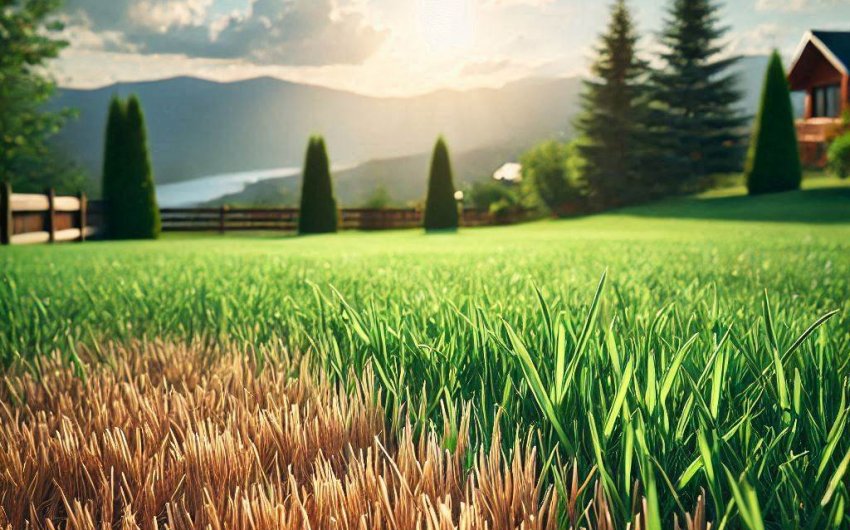
Preventing and managing lawn yellow tuft disease primarily involves improving soil drainage and aeration, reducing compaction, and implementing proper watering and fertilization practices. Addressing environmental factors that favor the fungus, Sclerophthora macrospora, is key to controlling this unsightly turfgrass issue.
What is Yellow Tuft Disease in Lawns?
Yellow tuft disease is a common and often unsightly fungal disease that affects many types of turfgrass, particularly cool-season grasses like Kentucky bluegrass, perennial ryegrass, and fine fescues. Unlike some other lawn diseases that cause widespread blighting or patches, yellow tuft has a distinct appearance that can make it somewhat easier to identify once you know what to look for.
The Cause: Sclerophthora macrospora
Yellow tuft disease is caused by the water mold fungus Sclerophthora macrospora. While it's often referred to as a fungus, Sclerophthora macrospora is technically an oomycete, a group of fungus-like organisms that thrive in wet conditions. This distinction is important because it means traditional fungicides designed for true fungi may not always be effective.
How Yellow Tuft Develops
The spores of Sclerophthora macrospora survive in the soil and are highly dependent on water for dispersal and infection.
- Wet Conditions: The disease flourishes in areas with excessive moisture, particularly poorly drained spots, compacted soil, or areas that remain saturated after heavy rain or overwatering.
- Moderate Temperatures: It is most active in moderate temperatures, typically between 60°F and 75°F (15°C and 24°C), often appearing in spring and fall.
- Infection: When conditions are right, the spores infect the turfgrass plants, causing abnormal growth.
What Does Yellow Tuft Look Like? (Symptoms)
The most defining characteristic of yellow tuft disease is its name-sake symptom: small, irregularly shaped tufts of grass that are yellow or light green in color.
- Distinct Tufts: Instead of uniform turf, you'll see small (often 1-3 inches in diameter) patches of grass that appear noticeably clumpier and denser than the surrounding healthy turf. These tufts are actually clusters of multiple tillers (grass shoots) that have grown abnormally.
- Yellow-Green Color: The grass within these tufts often has a lighter, somewhat chlorotic (yellowish-green) appearance compared to the deep green of healthy grass. This discoloration is due to the fungus interfering with the plant's nutrient uptake and chlorophyll production.
- Elevated Appearance: The tufts might appear slightly elevated or raised above the rest of the lawn, making the lawn look uneven.
- Irregular Distribution: The tufts are usually scattered irregularly across the lawn, often more concentrated in poorly drained areas or low spots.
- Not a Die-Out: Unlike some fungal diseases that cause widespread browning and die-out, yellow tuft typically does not kill the grass plants. Instead, it causes abnormal, unsightly growth and can weaken the turf, making it less resilient to other stresses.
- Seasonal Occurrence: Most common in spring and fall when soil moisture is high and temperatures are moderate.
Why is Yellow Tuft a Problem?
While yellow tuft disease doesn't typically kill your lawn, it significantly detracts from its aesthetic appeal. A lawn covered in numerous small, discolored tufts looks uneven, patchy, and generally unhealthy. It can also indicate underlying issues with your lawn's drainage and soil health that need to be addressed. Effective management of yellow tuft disease often focuses on improving the environmental conditions that allow it to thrive.
What Causes Yellow Tuft Disease to Appear in Lawns?
Understanding the underlying causes of yellow tuft disease is paramount for both preventing and managing it effectively in your lawn. This disease, caused by the oomycete Sclerophthora macrospora, is highly dependent on specific environmental conditions that allow its spores to thrive and infect turfgrass.
Here are the primary factors that cause yellow tuft disease to appear and spread in lawns:
1. Excessive Soil Moisture / Poor Drainage
- Standing Water: This is the single most critical factor. The Sclerophthora macrospora pathogen is a "water mold," meaning it requires abundant free water to produce and move its spores (called zoospores). Areas that have standing water after irrigation or rainfall, or that remain waterlogged for extended periods, are prime breeding grounds.
- Soggy Soil: Consistently soggy soil, even if not visibly puddled, also creates the anaerobic (low oxygen) conditions that favor the pathogen and stress turfgrass, making it more susceptible.
- Contributing Factors:
- Overwatering: Irrigating too frequently or applying too much water at once.
- Poor Soil Drainage: Heavy clay soils, compacted soil, or the presence of a hardpan layer beneath the surface prevents water from percolating efficiently.
- Low Spots/Depressions: Uneven grading can create natural depressions where water collects.
- Excessive Thatch: A thick layer of thatch can prevent water from penetrating the soil, keeping the surface soggy.
2. Compacted Soil
- Reduced Porosity: Compacted soil is dense, with very little pore space for air and water. This significantly impedes drainage and leads to waterlogging, even in otherwise well-draining soil types.
- Root Stress: Grass roots in compacted soil are starved of oxygen, weakened, and less able to fight off disease. This makes them more vulnerable to infection by Sclerophthora macrospora.
- Sources of Compaction: Heavy foot traffic, lawn equipment, construction activity, or even heavy rainfall can lead to compaction.
3. Moderate Temperatures
- Optimal Range: The disease is most active and visible when daytime temperatures are consistently in the 60°F to 75°F (15°C to 24°C) range.
- Seasonal Occurrence: This is why yellow tuft commonly appears in spring and fall, when temperatures are mild and rainfall is often abundant. It typically subsides during hot summer droughts or cold winter freezes.
4. Poor Air Circulation
- Trapped Humidity: While not as direct a cause as soil moisture, poor air circulation around grass blades can contribute to trapped humidity at the turf surface, creating an overall damp environment that favors the disease.
- Contributing Factors: Overly dense turf, surrounding dense shrubbery, or a lack of wind in certain areas.
5. Excessive Nitrogen Fertilization (Can Worsen It)
- Lush, Tender Growth: While nitrogen is essential for growth, excessive application, especially of quick-release nitrogen in spring, can promote lush, tender top growth. This type of growth is generally more susceptible to many fungal diseases, including yellow tuft, which prefers tender tissue.
- Nutrient Imbalance: An imbalance of nutrients can also stress the grass, making it less resilient.
6. Grass Type Susceptibility
- Cool-Season Grasses: Yellow tuft disease primarily affects cool-season turfgrasses, including:
- Kentucky Bluegrass (highly susceptible)
- Perennial Ryegrass
- Fine Fescues
- Creeping Bentgrass (on golf courses)
- Less Common on Warm-Season Grasses: While possible, it is much less common on warm-season varieties like Bermuda, Zoysia, or St. Augustine.
By understanding these interconnected factors, you can effectively implement strategies to modify the environmental conditions that trigger and sustain yellow tuft disease, leading to its successful management and prevention in your lawn.
How Do I Identify Yellow Tuft Disease in My Lawn?
Identifying yellow tuft disease in your lawn is crucial for implementing effective management strategies. While it shares some general symptoms with other lawn problems, yellow tuft has distinct characteristics that, once recognized, make it relatively straightforward to distinguish. It's important to look for the specific pattern of growth rather than just general yellowing.
Here's how to identify yellow tuft disease in your lawn:
1. Look for the "Tufts"
- Clumped Growth: The most defining characteristic is the presence of small, dense, irregularly shaped tufts or clumps of grass. These are typically 1 to 3 inches (2.5 to 7.5 cm) in diameter.
- Denser Texture: When you compare a yellow tuft to the surrounding healthy lawn, you'll notice the tuft feels thicker and has more blades packed closely together. This is because the infected grass plants produce an abnormal number of tillers (new grass shoots) from their crowns.
- Slightly Elevated: These dense tufts often appear slightly elevated or raised above the rest of the turf, creating an uneven look to the lawn.
2. Observe the Color
- Yellow-Green/Pale Green: The grass within these tufts will typically be a lighter green or yellowish-green color, standing out against the darker green of healthy turf. This yellowing is often described as chlorotic (indicating a lack of chlorophyll).
- Contrasting Color: The contrast in color with the healthy grass is a key identifier. It's not a uniform yellowing of the entire lawn, but rather distinct patches of lighter, clumpy growth.
3. Check for Location and Conditions
- Wet/Poorly Drained Areas: Yellow tuft is almost always found in areas of your lawn with poor drainage or persistent moisture. Look for it in:
- Low spots where water collects.
- Areas with compacted soil.
- Sections that stay wet after rain or irrigation.
- Around sprinkler heads where water might pool.
- Along pathways where runoff might concentrate.
- Seasonality: The disease is most prevalent in spring and fall when temperatures are moderate (60-75°F or 15-24°C) and rainfall/soil moisture is high. It often disappears during hot, dry summer periods or cold winters.
4. Distinguishing from Other Issues
It's easy to confuse yellow tuft with other lawn problems. Here's how to differentiate:
- From Weeds (e.g., Crabgrass, Tall Fescue):
- Yellow tuft is still turfgrass, just growing abnormally. Weeds like crabgrass are typically a different grass species, and tall fescue often forms coarse, distinct clumps but doesn't usually have the same yellow-green discoloration or the "tuft" of excessive tillers specific to yellow tuft disease. Weeds can be pulled or spot-treated; yellow tuft cannot.
- From Nutrient Deficiency:
- A general nitrogen deficiency causes a uniform yellowing across the entire lawn, not just isolated tufts.
- From Other Fungal Diseases:
- Many fungal diseases cause circular patches of dead or dying grass (e.g., brown patch, dollar spot, fairy rings). Yellow tuft typically causes distinct, localized clumps of abnormally growing but usually still living grass, not widespread die-out or necrotic rings.
Confirmed Identification: The Oomycete Structures
- For a definitive diagnosis (often done by turf pathologists), microscopic examination reveals the characteristic Sclerophthora macrospora structures within the infected grass tissue, such as swollen hyphae and oospores. However, for the average homeowner, visual identification based on the above symptoms is usually sufficient to begin management.
If you consistently see these distinct, yellow-green, dense, and slightly raised tufts of grass in moist or poorly drained areas of your lawn during spring and fall, it's highly probable you are dealing with yellow tuft disease.
What Are the Best Organic and Cultural Practices for Managing Yellow Tuft?
Managing yellow tuft disease in lawns without chemicals relies almost entirely on organic and cultural practices that address the environmental conditions favoring the disease. Since the Sclerophthora macrospora pathogen thrives in wet, often compacted soil, the most effective strategies focus on improving drainage, aeration, and overall turf health.
Here are the best organic and cultural practices for managing yellow tuft:
1. Improve Soil Drainage and Aeration (Most Critical)
- Core Aeration: This is the most effective single practice. Core aeration involves removing small plugs of soil from your lawn. This immediately improves air and water penetration, alleviates compaction, and creates an environment less favorable for the water-loving oomycete.
- Timing: Perform core aeration in late spring/early summer for warm-season grasses, or late summer/early fall for cool-season grasses, when the grass is actively growing and can recover quickly.
- Tools: Rent a core aerator machine or hire a professional lawn care service.
- Topdressing with Organic Matter: After aeration, or as a standalone practice, apply a thin layer (1/4 to 1/2 inch) of high-quality, screened organic compost. This gradually improves soil structure, enhances drainage in heavy clay soils, and provides food for beneficial soil microbes.
- Organic compost for lawns can significantly boost soil health.
2. Correct Watering Practices
- Water Deeply and Infrequently: Avoid frequent, light watering that keeps the soil surface constantly damp. Instead, water deeply (aim for 1 inch per week, including rainfall) to encourage deep root growth, and allow the top few inches of soil to dry out between waterings.
- Water in the Morning: Always water early in the morning (4 AM - 9 AM). This allows the grass blades and soil surface to dry completely before nightfall, minimizing the wet conditions that favor yellow tuft disease and other fungal issues.
- Address Standing Water:
- Adjust Sprinkler Heads: Ensure your irrigation system is providing even coverage and not overwatering certain areas.
- Improve Grading: For persistent low spots, consider minor landscaping adjustments or regrading to encourage water runoff away from problem areas.
- French Drains: For severe, persistent standing water, consider installing a French drain to redirect excess water.
3. Improve Air Circulation
- Avoid Over-Fertilizing Nitrogen: While nitrogen is essential, excessive use, especially quick-release forms, can lead to a flush of lush, dense top growth that reduces air circulation within the turf canopy.
- Pruning Trees/Shrubs: Trim overgrown trees and shrubs that might be shading and preventing airflow to parts of your lawn.
4. Optimal Fertilization
- Balanced Nutrients: Use a balanced fertilizer (based on a soil test) to promote overall turf health and resilience.
- Avoid Excessive Spring Nitrogen: For cool-season grasses susceptible to yellow tuft, avoid heavy, fast-release nitrogen applications in early spring. Focus more on fall fertilization for root development and overall strength.
5. Mow at the Correct Height
- Higher Mowing Setting: Mow your lawn at its highest recommended height (e.g., 2.5-3.5 inches for cool-season grasses). Taller grass shades the soil, reducing water evaporation but also encourages deeper roots, making the lawn more resilient.
- Regular Mowing: Mow regularly to avoid removing more than 1/3 of the blade length at a time. This prevents stressing the grass.
6. Thatch Management
- Dethatching: If you have an excessive thatch layer (over 1/2 inch thick), it can prevent water from reaching the soil and keep the surface too wet. Periodically dethatch (usually in fall for cool-season, late spring/early summer for warm-season) to remove this build-up. A lawn dethatcher can be effective.
7. Reseeding/Overseeding (if necessary)
- While yellow tuft doesn't typically kill grass, if the underlying conditions are severe and turf is thin, overseeding with a resilient grass blend (after correcting drainage) can help build a denser, healthier lawn.
By diligently applying these organic and cultural practices, you directly address the root causes of yellow tuft disease, creating a less hospitable environment for the pathogen and fostering a naturally healthier, more resilient lawn without the need for chemical treatments.
What About Chemical Treatments for Yellow Tuft Disease?
While the focus here is on preventing and managing lawn yellow tuft disease without chemicals, it's worth briefly addressing chemical treatments. For most homeowners, chemical fungicides are generally not the first or even second line of defense for yellow tuft, due to the nature of the pathogen and the effectiveness of cultural controls.
The Challenge with Chemical Treatments for Yellow Tuft
- Oomycete, Not True Fungus: As mentioned earlier, Sclerophthora macrospora is an oomycete (water mold), not a true fungus. This means that many common fungicides (like those for brown patch or dollar spot) that target true fungi may not be effective against yellow tuft.
- Specific Fungicides Needed: Products containing active ingredients specifically effective against oomycetes are required. These are often called "fungicides" but technically target water molds. Examples include:
- Mefenoxam (e.g., in Subdue Maxx)
- Propamocarb (e.g., in Banol)
- Fosetyl-Al (e.g., in Aliette)
- Effectiveness Limitations: Even with the right chemical, fungicides for yellow tuft are generally more suppressive than curative. They may help reduce the visible symptoms but do not fix the underlying environmental issues (poor drainage, compaction) that are causing the disease. If you don't address the environmental problems, the disease will likely return once the fungicide wears off.
- Cost: Professional-grade oomycete-specific fungicides can be expensive.
- Environmental Concerns: Like any chemical, these products carry environmental risks if not applied correctly, including potential runoff into waterways.
- Availability and Licensing: Some of the most effective fungicides for yellow tuft may be restricted to professional applicators or require special licensing, making them unavailable to the average homeowner.
When Might Chemical Treatment Be Considered?
- Severe, Persistent Problem: In very rare cases of extremely severe, recurring yellow tuft disease where extensive cultural and organic practices have been exhausted and the aesthetic impact is unacceptable.
- High-Value Turf: On high-value turf areas like golf courses or professional sports fields where perfect aesthetics are paramount.
- Professional Diagnosis: Only after a definitive professional diagnosis by a turf pathologist, who can recommend the specific product and application timing.
Why Prioritize Non-Chemical Methods?
For most residential lawns, the most sensible and sustainable approach to managing yellow tuft disease is to focus on cultural and organic practices.
- Addresses Root Cause: Improving drainage, aeration, and overall soil health directly addresses the conditions that allow Sclerophthora macrospora to thrive. This creates a long-term solution rather than a temporary suppression of symptoms.
- Environmental Benefits: Avoiding chemicals is better for the environment, beneficial soil microbes, pets, and children.
- Cost-Effective Long-Term: While cultural practices require initial effort, they are more cost-effective over time than repeated chemical applications.
- Overall Lawn Health: Practices like aeration and topdressing benefit the entire lawn, making it more resilient to all stresses, not just yellow tuft.
While specific chemical fungicides exist for yellow tuft disease, they are generally not recommended for the average homeowner. The most effective, sustainable, and environmentally friendly approach to preventing and managing lawn yellow tuft disease is through consistent implementation of organic and cultural practices that create a healthy, well-draining environment for your turf.