
How to Prevent and Manage Snow Mold in Your Lawn?
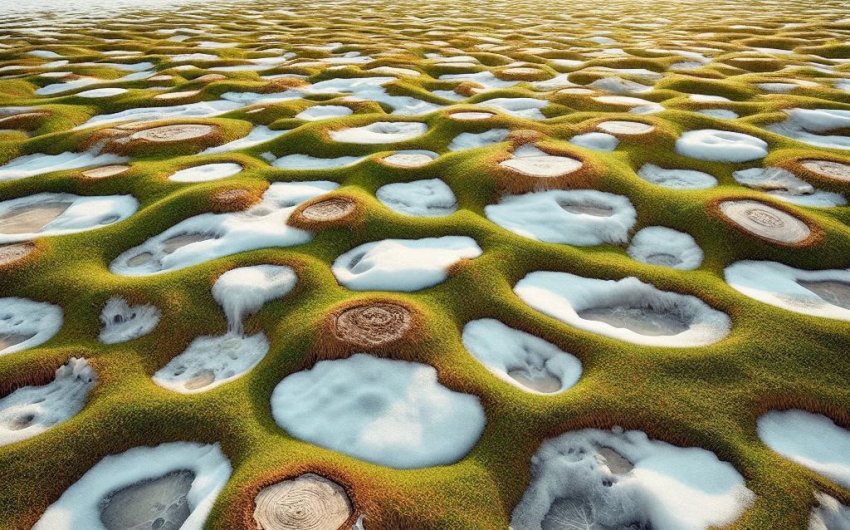
Preventing snow mold in your lawn relies heavily on proper fall lawn care, including appropriate mowing, dethatching, aeration, and avoiding excessive nitrogen fertilization before winter. Managing existing snow mold involves gently raking affected areas and adjusting spring practices to promote air circulation and recovery.
What is Snow Mold and Why Does it Affect Lawns?
Snow mold is a common fungal disease that affects lawns, primarily in cold climates with prolonged snow cover. It appears as matted patches of pale, bleached, or grayish-white grass as the snow melts in late winter or early spring. While alarming to see, snow mold damage is often superficial, but severe cases can lead to significant thinning or dead areas in the turf.
Types of Snow Mold
There are two primary types of snow mold that affect lawns:
- Pink Snow Mold (Microdochium nivale or Fusarium nivale):
- Appearance: Circular patches, usually 2 to 12 inches in diameter, of matted, water-soaked, or bleached-tan grass. A distinguishing feature is a pinkish or reddish fungal growth (mycelium) around the edges of the patches, especially when wet. Small, hard, black structures called sclerotia are usually absent.
- Conditions: Can develop under snow cover, but also on cold, wet grass without snow (hence sometimes called "Fusarium patch" when no snow is involved). Thrives in temperatures just above freezing (32-45°F or 0-7°C).
- Severity: Can cause more significant damage than gray snow mold, sometimes killing grass crowns.
- Gray Snow Mold (Typhula spp.):
- Appearance: Circular patches of matted, bleached, or straw-colored grass, ranging from a few inches to several feet in diameter. The defining characteristic is the presence of small, round, hard, black or reddish-brown structures called sclerotia (about the size of a pinhead) embedded in the affected grass blades. Grayish-white fungal growth (mycelium) is usually visible when the snow first melts.
- Conditions: Almost exclusively develops under continuous snow cover for 60 days or more, on unfrozen ground. Thrives in temperatures just above freezing, but is tolerant of colder temperatures under snow.
- Severity: Primarily affects the grass blades, usually not killing the crown of the plant, meaning the grass often recovers on its own.
How Does Snow Mold Develop?
Both types of snow mold thrive in similar conditions, making them a common winter headache for lawns:
- Prolonged Snow Cover: A continuous blanket of snow provides insulation, keeping the ground from freezing solid. This creates a consistently cool, moist, and dark environment—perfect for fungal growth.
- Cool Temperatures: Temperatures just above freezing are ideal for snow mold fungi.
- Excessive Moisture: Wet grass and saturated soil provide the necessary water for fungal proliferation.
- Long Grass: Tall grass going into winter mats down under snow, trapping moisture and creating a prime habitat for mold.
- Excess Nitrogen Fertilizer in Fall: Late-season application of high-nitrogen fertilizer promotes lush, tender growth that is more susceptible to disease.
- Poor Air Circulation: Dense thatch layers, compacted soil, or heavy leaf litter prevent proper air movement.
What Are the Key Prevention Strategies for Snow Mold?
Preventing snow mold is far easier than trying to repair extensive damage. Most preventative measures involve proper fall lawn care practices that promote a healthy, resilient turf going into winter.
1. Proper Mowing in Fall
This is one of the most critical preventative steps.
- Gradual Reduction: As fall progresses, gradually lower your mower blade over several mowings.
- Final Cut: The last mow of the season, right before the ground freezes or consistent snow arrives, should be slightly shorter than your typical summer height, usually around 2-2.5 inches.
- Why it Helps: Shorter grass is less likely to mat down under snow, which reduces moisture trapping and improves air circulation, making it less hospitable for fungal growth. However, avoid cutting too short ("scalping"), as this stresses the grass.
2. Remove Leaf Litter and Debris
- Thorough Raking/Blowing: Before snow falls, ensure your lawn is completely free of fallen leaves, grass clippings, and any other organic debris.
- Why it Helps: A layer of leaves or clippings creates a wet, insulated blanket over the grass, perfectly trapping moisture and creating an ideal environment for snow mold development. Use a Durable Leaf Rake for efficient clearing.
3. Manage Thatch Layer
- Dethatching: If your lawn has a thatch layer thicker than 1/2 inch, consider dethatching in late summer or early fall. Thatch is a layer of dead organic matter that accumulates between the soil surface and the green grass blades.
- Why it Helps: Excessive thatch traps moisture and prevents good air circulation to the soil surface, providing a perfect breeding ground for snow mold. A Sun Joe Electric Dethatcher can make this task easier.
4. Aerate Compacted Soil
- Core Aeration: If your soil is compacted, perform core aeration in the fall. This involves removing small plugs of soil from the lawn.
- Why it Helps: Aeration improves drainage and increases air circulation within the soil, creating a healthier environment that is less prone to waterlogging and subsequent fungal growth. A Manual Lawn Aerator can work for small areas.
5. Proper Fall Fertilization
- Timing: Apply your last fall fertilizer application about 4-6 weeks before the first hard frost.
- Nutrient Ratio: Use a "winterizer" fertilizer that is low in nitrogen and higher in phosphorus and potassium. A common ratio is 0-0-20 or similar, but avoid anything with a high first number (nitrogen).
- Why it Helps: Excessive nitrogen applied late in the season promotes lush, tender growth that is particularly vulnerable to snow mold. Phosphorus and potassium help strengthen the grass's root system and increase its winter hardiness.
6. Improve Drainage
- Address Low Spots: If your lawn has low-lying areas where water consistently pools, consider regrading or installing a French drain to improve surface drainage.
- Why it Helps: Standing water or consistently soggy areas are prime spots for snow mold to take hold.
7. Manage Snow Accumulation
While you can't control snowfall, you can influence where it piles up.
- Avoid Large Snow Piles: Try to avoid piling large amounts of snow (from shoveling driveways or paths) onto specific areas of the lawn, as these areas will have longer, deeper snow cover, increasing mold risk.
- Break Up Drifts: If possible, lightly break up large snow drifts over your lawn to encourage more even melting.
8. Use Fungicides (Targeted Prevention)
- Chemical Control: For lawns with a history of severe snow mold, or in areas with very consistent and prolonged snow cover, a preventative fungicide application in late fall (before the first permanent snow) might be recommended.
- Consult an Expert: This is typically a measure for turf professionals or homeowners with persistent problems. Consult with a local lawn care expert or extension office before applying fungicides. Scotts DiseaseEx Lawn Fungicide is a general lawn fungicide that can be used preventatively.
How Do I Identify Snow Mold After Winter?
Recognizing snow mold when the snow melts is fairly straightforward, but distinguishing between the less harmful gray snow mold and the potentially more damaging pink snow mold is helpful for management.
When to Look for Snow Mold
- As Snow Melts: The best time to spot snow mold is immediately after the snow cover recedes in late winter or early spring. The fungal growth (mycelium) is most visible when it's still damp.
- Cool, Wet Conditions: It can also be seen during cool, wet periods throughout the winter if there are intermittent thaws.
Key Characteristics to Look For
- Circular Patches: Both types of snow mold typically form distinct circular patterns.
- Matted Grass: The affected grass blades within the patches will appear flattened, pressed down, and stuck together, almost like wet felt.
- Color of Affected Grass: The matted grass will be discolored – usually white, grayish-white, bleached, or light tan/straw-colored.
Differentiating Gray vs. Pink Snow Mold
| Feature | Gray Snow Mold (Typhula spp.) | Pink Snow Mold (Microdochium nivale) |
|---|---|---|
| Fungal Growth (Mycelium) | Grayish-white, often web-like, visible at snow melt | Pinkish or reddish-orange, often radiating outwards when wet |
| Sclerotia (Hard Bodies) | Present: Small, pinhead-sized, black/brown, seed-like structures embedded in leaves | Absent: No sclerotia |
| Grass Color | Bleached, straw-colored, tan | Bleached-tan, water-soaked, or brownish |
| Conditions | Typically needs long, continuous snow cover on unfrozen ground | Can develop under snow or on cold, wet grass without snow (winter/early spring) |
| Damage Severity | Usually superficial, mainly affects blades, crowns often survive | Can be more severe, potentially killing grass crowns, leading to bare spots |
How Do I Manage and Repair Lawns Damaged by Snow Mold?
Once you've identified snow mold, the good news is that most lawns recover naturally. However, some actions can help speed up recovery and repair more severely damaged areas.
1. Promote Air Circulation (Initial Management)
- Gentle Raking: As soon as the snow melts and the affected areas are visible, gently rake the matted patches. Use a leaf rake or a very flexible garden rake.
- Why it Helps: This breaks up the matted grass, allows air to circulate, helps the grass dry out, and encourages new growth. Be gentle to avoid further damaging stressed grass.
- Avoid Heavy Raking: Do not aggressively rake or try to remove the discolored grass entirely, as this can pull out healthy grass that is trying to recover.
2. Allow to Dry Out
- Patience: The most important thing is to allow the affected areas to dry out naturally. Snow mold fungi thrive in wet conditions, so drying out the area is the primary way to stop its spread.
- Avoid Watering: Do not water areas affected by snow mold unless the rest of your lawn genuinely needs it, and even then, water early in the morning.
3. Light Fertilization (Spring)
- Balanced Approach: Once spring arrives and temperatures are consistently above 50°F (10°C), you can apply a light, balanced fertilizer designed for spring application.
- Why it Helps: This provides nutrients to encourage new growth and help the turf recover.
- Avoid Over-Fertilizing: Do not over-fertilize, especially with high nitrogen, as this can exacerbate fungal issues or cause other problems. A Scotts Turf Builder Lawn Food can aid recovery.
4. Overseeding or Patching (for Severe Damage)
If, after a few weeks of warmer weather and improved air circulation, you still have significant bare patches, you will need to reseed.
- Prepare the Area: Lightly rake the bare spots to remove any remaining dead grass or debris and loosen the top 1/2 inch of soil.
- Apply Seed: Spread a high-quality grass seed blend appropriate for your lawn type and sun conditions.
- Cover Lightly: Lightly rake the seed into the soil, or cover with a thin layer of peat moss or compost.
- Consistent Moisture: Keep the newly seeded areas consistently moist (but not soggy) until the seeds germinate and the new grass is established. This will require light, frequent watering.
- Timing: Spring is a good time for overseeding, but if late spring/early summer gets too hot, you may need to wait until fall for optimal germination.
5. Aeration and Dethatching (Spring/Fall)
- Consider Post-Recovery: Once the lawn has largely recovered from snow mold damage, consider performing core aeration or dethatching (if thatch is an issue) during the appropriate season (spring for some, fall for others, depending on grass type).
- Why it Helps: These practices improve soil health and air circulation, making the lawn less susceptible to future fungal issues.
6. Fungicides (for Recurrent Severe Cases)
- Curative Use: In most cases, curative fungicides are not necessary for snow mold, as the lawn typically recovers on its own with proper cultural practices.
- When to Consider: If you have exceptionally severe, recurrent cases of pink snow mold that cause extensive turf loss, a curative fungicide might be an option. However, this is usually a last resort and should be done under the guidance of a lawn care professional.
What Are Common Misconceptions About Snow Mold?
Understanding what snow mold is (and isn't) can prevent unnecessary panic and ensure you apply the correct solutions.
1. "My Lawn is Dead!"
- Reality: While snow mold looks alarming, it usually only affects the grass blades, leaving the crowns (the growing points at the base of the plant) intact. In most cases, the grass will green up and recover on its own as temperatures warm and air circulation improves. Pink snow mold can sometimes be more damaging to crowns, but often recovery still occurs.
2. "I Need to Immediately Spray Fungicide!"
- Reality: For most homeowners, applying a fungicide after snow mold appears is rarely necessary or effective. The primary "cure" is for the environmental conditions (cool, wet, matted) to disappear. Improving air circulation and allowing the grass to dry out is generally sufficient for recovery. Fungicides are primarily for prevention in high-risk situations, not for treating existing patches.
3. "I Should Rake Very Aggressively."
- Reality: While gentle raking is beneficial, aggressive raking can further damage already stressed grass, pulling out healthy plant material that is trying to recover. Be gentle and patient.
4. "Snow Mold Means My Lawn Care is Bad."
- Reality: While good fall lawn care significantly reduces the risk, even well-maintained lawns can develop snow mold, especially after prolonged and heavy snow cover on unfrozen ground. Sometimes, it's simply an unavoidable consequence of specific weather patterns.
5. "It's Caused by Too Much Snow."
- Reality: It's not the amount of snow itself, but the duration of continuous snow cover, especially when combined with unfrozen ground and prior grass conditions (long grass, heavy thatch). A thin layer of snow for a short period is rarely an issue.
By understanding how to prevent and manage snow mold in your lawn, focusing on diligent fall care and appropriate spring recovery techniques, you can minimize its impact and ensure your turf greens up beautifully after winter.