
How Can I Prevent Root Rot in My Indoor Peace Lily?
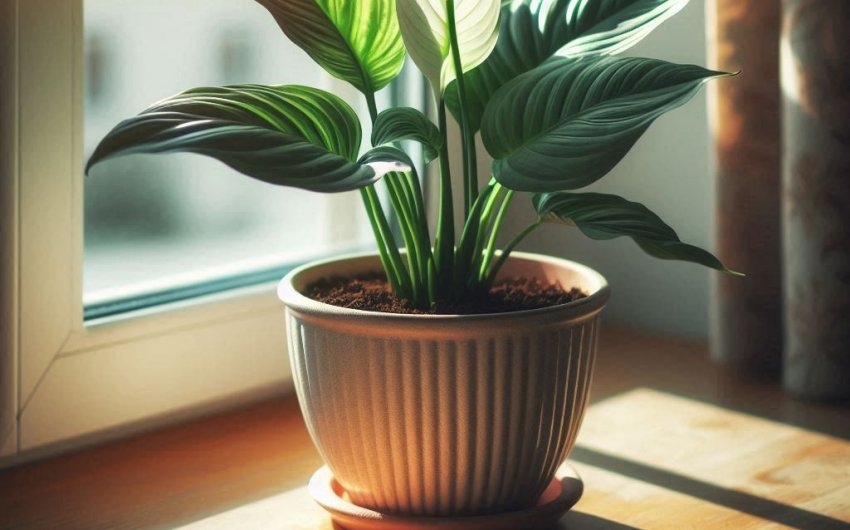
The elegant Peace Lily (Spathiphyllum) is a beloved houseplant, admired for its lush green foliage and graceful white spathes. It's often recommended for beginners due to its relatively forgiving nature, especially when it comes to low light conditions. However, there's one common killer that strikes Peace Lilies: root rot. This stealthy disease can quickly turn your vibrant plant into a wilting, yellowing mess. Understanding how to prevent root rot in my indoor Peace Lily is absolutely essential for its long-term health and vibrant appearance, saving you from the heartbreak of losing your cherished plant.
What is Root Rot and Why Does It Affect Peace Lilies?
Root rot is a destructive condition caused by fungal or bacterial pathogens that thrive in overly wet, oxygen-deprived soil. When a plant's roots sit in standing water for too long, they literally drown due to a lack of oxygen. This weakened state makes them highly susceptible to these opportunistic pathogens, which then attack and destroy the root tissue.
Why Peace Lilies Are Susceptible
Peace Lilies are tropical plants that love consistent moisture, but they are incredibly sensitive to being waterlogged. They have delicate root systems that are prone to suffocation. Many new plant owners, wanting to keep their Peace Lily hydrated, tend to overcompensate, leading to saturated soil, especially if other factors like poor drainage or dense potting mix are also at play. The dramatic wilting they exhibit when thirsty can sometimes be mistaken for a need for more water when, in fact, it's a symptom of root damage from too much water.
How Do I Identify Root Rot in My Peace Lily?
Recognizing the symptoms of root rot in your Peace Lily can be tricky because some signs mimic those of underwatering. The key is to check the soil moisture and the appearance of the roots themselves.
Common Symptoms
- Wilting Leaves (Despite Wet Soil): This is the most confusing and crucial sign. Your Peace Lily's leaves will droop and wilt, even though the soil is visibly wet to the touch. This happens because the damaged roots cannot absorb water, even when it's available.
- Yellowing Leaves: Leaves, especially lower ones, will start to turn yellow. This is a general sign of stress, but in conjunction with wilting and wet soil, it strongly points to root rot.
- Brown or Black Leaf Tips/Edges: As the plant struggles to take up water, the extremities of the leaves (tips and edges) can turn brown or black.
- Mushy Stems/Base: The base of the stems, where they meet the soil, might feel soft and mushy. This indicates that the rot has advanced beyond the roots.
- Stunted Growth: Overall growth will slow or stop as the plant struggles to thrive.
- Foul Odor from Soil: A distinct, unpleasant, musty or rotten smell emanating from the soil is a strong indicator of severe root rot and decay.
- Fungus Gnats: These small, black flies are often a symptom of perpetually wet soil, which is a prime breeding ground for them and often accompanies root rot.
Inspecting the Roots
The most definitive way to diagnose root rot is to inspect the roots directly.
- Gently remove the plant from its pot. Be careful not to damage healthy roots.
- Shake off excess soil.
- Examine the roots:
- Healthy roots are firm, pliable, and typically white or light tan.
- Rotting roots will appear mushy, soft, slimy, dark brown or black, and may easily break apart when gently tugged. They might also smell foul.
If you find many dark, mushy roots, your Peace Lily likely has root rot.
What Are the Best Watering Practices to Prevent Root Rot?
Proper watering is the single most important factor in how to prevent root rot in your indoor Peace Lily. It's a delicate balance: consistent moisture without being waterlogged.
The "When" to Water
- Feel the Soil: The golden rule is to water your Peace Lily when the top 1-2 inches of soil feel dry to the touch. Stick your finger into the soil. If it's damp, wait. If it's dry, it's time to water.
- Check Pot Weight: A dry pot will feel significantly lighter than a recently watered one. This takes some practice to get a feel for, but it's a reliable indicator.
- Don't Water on a Schedule: Avoid watering on a fixed schedule (e.g., "every Sunday"). Your plant's water needs change based on temperature, light, humidity, and the season. Always check the soil first.
- Wilting as a Cue (With Caution): Peace Lilies are famous for their dramatic wilting when thirsty. While this is a clear sign to water, try to water just before they wilt. Consistent extreme wilting can stress the plant over time. If your plant is wilting but the soil is wet, do not water more; this is a sign of root rot.
The "How" to Water
- Water Thoroughly: When you do water, water deeply and evenly until water flows freely from the drainage holes at the bottom of the pot. This ensures the entire root ball is saturated.
- Discard Excess Water: Never let your Peace Lily sit in standing water in its saucer. Empty the saucer within 15-30 minutes after watering. This is crucial for preventing waterlogging and root rot.
- Bottom Watering (Optional but Recommended): For Peace Lilies, bottom watering is an excellent method. Place the potted plant in a sink or basin filled with about 1-2 inches of water. Let it sit for 20-30 minutes, allowing the plant to soak up water from the drainage holes. Remove it, and let any excess drain before returning it to its spot. This encourages deeper root growth and ensures the plant gets just what it needs without over-saturating the top layers.
- Use Room Temperature Water: Cold water can shock the roots. Use water that is at room temperature or slightly lukewarm.
Adjust for Seasons and Environment
- Less Water in Winter: During the fall and winter months, when light levels are lower and growth slows down, your Peace Lily will need significantly less water. Reduce watering frequency.
- More Water in Summer/High Light: In hotter months or if your plant is in brighter light, it will transpire more and need water more frequently.
- Humidity: While Peace Lilies appreciate high humidity, misting leaves doesn't add significant moisture to the soil and can sometimes encourage leaf spots if airflow is poor. Focus on soil moisture.
What Potting Mix and Container are Best for Preventing Root Rot?
The right potting mix and pot are almost as important as proper watering in how to prevent root rot in your indoor Peace Lily. They provide the necessary drainage and aeration.
Potting Mix Considerations
- Well-Draining: Your Peace Lily needs a potting mix that drains quickly and efficiently, preventing water from sitting around the roots.
- Aeration: The mix should also allow for good air circulation around the roots.
- Ingredients: Look for a potting mix that contains a good balance of moisture-retaining materials and drainage enhancers. A high-quality general-purpose houseplant potting mix is usually fine, but you can improve it.
- Peat Moss or Coco Coir: For moisture retention.
- Perlite or Coarse Sand: Essential for drainage and aeration. Aim for a mix that is light and fluffy, not dense and heavy.
- Orchid Bark or Horticultural Charcoal (Optional): Small amounts can further improve drainage and aeration.
- Avoid Garden Soil: Never use heavy garden soil in pots, as it compacts easily and retains too much water.
- Example Mix: A good homemade mix for Peace Lilies could be 2 parts general houseplant potting mix, 1 part perlite, and 1 part orchid bark. Miracle-Gro Indoor Potting Mix can work, but consider adding extra perlite for Peace Lilies.
Container Choice
- Drainage Holes are Non-Negotiable: This is the absolute most important feature of any pot for a Peace Lily. Without drainage holes, excess water will sit at the bottom, leading to root rot.
- Material:
- Terracotta/Unglazed Clay: These pots are porous, meaning they allow water to evaporate through their walls. This helps the soil dry out faster, which can be beneficial for those prone to overwatering. However, they might require more frequent watering in hot environments.
- Plastic/Glazed Ceramic: These pots retain moisture more effectively because they are non-porous. This means they will dry out slower, requiring less frequent watering. If you use these, be extra vigilant about watering frequency.
- Size:
- Don't Overpot: Do not repot your Peace Lily into a pot that is too large. Too much soil around the root ball holds excess moisture, increasing the risk of root rot. Only go up one pot size (e.g., from a 6-inch to an 8-inch pot) when repotting.
- Slightly Root-Bound is Okay: Peace Lilies don't mind being a little snug in their pots. They often bloom better when slightly root-bound.
- No Drainage Layer (Gravel/Rocks): Contrary to popular belief, adding a layer of gravel or rocks at the bottom of a pot does not improve drainage. It actually creates a "perched water table," which can make root rot worse by keeping the soil above it consistently saturated. The best "drainage layer" is a properly draining potting mix.
How Can Environmental Factors Help Prevent Root Rot?
Beyond watering and potting, certain environmental conditions can significantly impact your Peace Lily's susceptibility to root rot.
Light Conditions
- Bright, Indirect Light: Peace Lilies prefer bright, indirect light. While they can tolerate low light, they grow slower and use less water in dimmer conditions. A plant receiving adequate light will photosynthesize more, grow more vigorously, and therefore use more water, reducing the risk of waterlogging.
- Avoid Direct Sun: Direct, harsh sunlight can scorch their leaves, causing brown spots, but won't directly cause root rot.
Temperature
- Consistent Warmth: Peace Lilies thrive in consistent indoor temperatures between 65°F and 80°F (18°C-27°C).
- Avoid Cold Drafts: Cold temperatures can stress the plant, slow its growth, and reduce its water uptake, making it more vulnerable to root rot if overwatered. Keep them away from drafty windows or air conditioning vents.
Humidity and Air Circulation
- Average to High Humidity: Peace Lilies love humidity. While low humidity doesn't directly cause root rot, a stressed plant (from low humidity) might be more susceptible to other issues. However, the connection is more about the soil.
- Good Air Circulation: Ensure there is good airflow around your Peace Lily. Stagnant, humid air can lead to fungal issues on the leaves, which can sometimes accompany root rot. Don't crowd your plant in a corner or among too many other plants without adequate space.
When Should I Repot My Peace Lily to Prevent Root Rot?
Repotting is a crucial maintenance task that contributes to preventing root rot by refreshing the soil and providing adequate space.
When to Repot
- Every 1-2 Years: Generally, Peace Lilies benefit from repotting every 1-2 years, or when they become root-bound.
- Signs of Being Root-Bound:
- Roots are circling around the inside of the pot.
- Roots are growing out of the drainage holes.
- Water runs straight through the pot without soaking in (indicating too many roots and not enough soil).
- The plant's growth slows significantly.
- The plant needs watering much more frequently than before.
Repotting Process
- Choose the Right Pot Size: Only go up one pot size (e.g., from 6 inches to 8 inches). Using a pot that is too large will hold too much moisture, increasing the risk of root rot.
- Prepare Potting Mix: Use a fresh, well-draining potting mix as described above.
- Gently Remove Plant: Carefully ease the Peace Lily out of its current pot. You might need to gently squeeze the sides of a plastic pot or run a knife around the edge of a ceramic pot.
- Inspect and Loosen Roots: Gently loosen any circling roots at the bottom of the root ball. If you see any soft, mushy, or black roots, these are rotten and should be trimmed off with clean, sharp scissors.
- Place in New Pot: Add a layer of fresh potting mix to the bottom of the new pot. Center the plant, ensuring the base of the stems is at the same level as it was in the old pot. Fill around the root ball with more fresh potting mix, gently tamping it down to remove large air pockets.
- Water Thoroughly: Water the newly repotted Peace Lily thoroughly until water drains from the bottom.
How Do I React if I Suspect Root Rot is Starting?
If you catch root rot early, there's a good chance to save your Peace Lily. Immediate action is key.
Emergency Steps
- Stop Watering Immediately: Do not water the plant again until the soil has thoroughly dried out.
- Remove from Pot: Carefully unpot the Peace Lily.
- Inspect Roots: Gently shake off as much old soil as possible. Examine the roots for any signs of rot (mushy, black, foul-smelling sections).
- Prune Damaged Roots: Using clean, sharp scissors or pruning shears, cut away all diseased, mushy, or black roots. Trim back to healthy, firm root tissue. You may end up removing a significant portion of the root system.
- Repot with Fresh Soil: Repot the Peace Lily into a clean pot (sterilize the old pot with a bleach solution if reusing) with fresh, well-draining potting mix. If the original pot size now seems too large for the reduced root ball, consider moving to a smaller pot to prevent future overwatering.
- Avoid Immediate Watering: Do not water immediately after repotting. Give the plant a few days to recover from the shock and allow any cut roots to callus.
- Monitor Closely: Place the plant in a spot with good indirect light and average temperatures. Water very sparingly in the coming weeks, only when the soil is completely dry.
Advanced Measures for Severe Cases (Fungicide)
For severe cases where a large portion of the root system is affected by fungal pathogens, you might consider a fungicide specifically for root rot.
- Active Ingredients: Look for fungicides containing active ingredients like Propamocarb or Etridiazole, often marketed for "damping off" or "root rot."
- Application: Follow product instructions carefully. These are often applied as a drench to the soil.
- Caution: Fungicides are not a substitute for proper watering and drainage. They are a last resort and often ineffective if environmental issues are not addressed. Many gardeners prefer to avoid chemical fungicides for houseplants.
The best defense against root rot in your indoor Peace Lily is consistent, attentive care focused on its specific needs. By mastering proper watering, using the right potting mix and pot, and providing a stable environment, you can ensure your beautiful Peace Lily remains a lush, thriving symbol of peace in your home.