
Why Is My Rubber Plant Dropping Lower Leaves in Winter?
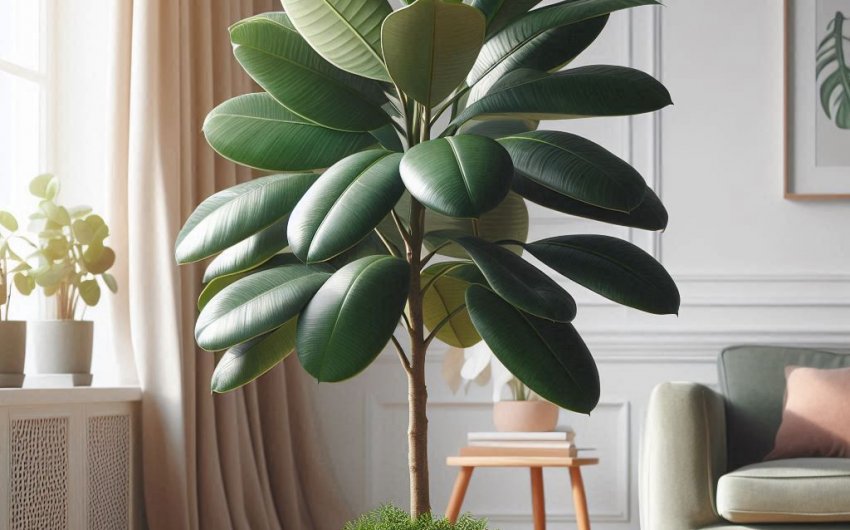
Rubber plants (Ficus elastica) are popular houseplants known for their striking, glossy, dark green leaves and relatively easy care. However, even these resilient plants can show signs of stress, particularly during the colder months. If you've noticed your once-lush rubber plant dropping lower leaves in winter, it's a common concern among plant parents. This issue usually points to environmental changes that occur when temperatures drop and daylight hours shorten. Understanding these subtle shifts and how they impact your plant's needs is key to keeping it healthy and preventing further leaf loss.
Why Do Rubber Plants Drop Leaves in Winter?
Winter presents a unique set of challenges for tropical houseplants like the rubber plant. Their natural environment is warm, humid, and receives consistent bright light year-round. When brought indoors, especially during winter, these conditions dramatically change. Leaf drop, particularly of lower leaves, is often a plant's response to environmental stress.
1. Reduced Light Levels:
- The Biggest Culprit: This is often the primary reason. During winter, days are shorter, and the sun's intensity is much weaker. Trees outside may lose their leaves, allowing more light in, but the overall duration and strength of light are still significantly reduced compared to summer.
- Plant Adaptation: In lower light, plants photosynthesize less. They don't need as much energy, and maintaining all their leaves becomes inefficient. Shedding older, lower leaves (which often get the least light anyway) is a way for the plant to conserve energy.
- Symptoms: Leaves might yellow before dropping. The plant may become leggy, stretching towards the limited light.
2. Overwatering Due to Slowed Growth:
- Misjudgment: Many plant parents continue their summer watering routine into winter. However, with less light and cooler temperatures, a rubber plant's growth naturally slows down (it enters a semi-dormant phase).
- Consequence: Slower growth means less water uptake by the roots. If you water on the same schedule, the soil stays wet for too long, leading to root rot.
- Symptoms: Leaves often turn yellow (or sometimes brown and mushy) before dropping. The soil stays visibly wet.
- Why Lower Leaves?: Root rot affects the entire plant's ability to absorb water and nutrients. Lower leaves are typically older and less efficient, so the plant prioritizes energy to newer growth.
3. Cold Drafts and Sudden Temperature Changes:
- Sensitivity: Rubber plants are tropical and very sensitive to cold temperatures and sudden temperature fluctuations.
- Common Sources: Drafts from leaky windows or doors, proximity to heating/AC vents, or even touching a cold windowpane can shock the plant.
- Symptoms: Leaves may turn brown or black, often appearing quickly, and then drop. It's usually more sudden than light-related yellowing.
4. Low Humidity:
- Dry Indoor Air: Heating systems in winter drastically reduce indoor humidity levels, often to below 30%. Rubber plants, being tropical, prefer higher humidity (50-70%).
- Transpiration Stress: In dry air, plants lose water more rapidly through their leaves (transpiration). If the roots can't keep up, the leaves become dehydrated, dry out, and drop.
- Symptoms: Leaves may develop crispy brown edges or tips before dropping.
5. Over-fertilizing:
- Dormancy: As plants slow down in winter, their nutrient needs significantly decrease.
- Salt Buildup: Fertilizing a dormant plant can lead to a buildup of mineral salts in the soil, which can burn the roots and cause leaf drop.
- Symptoms: Brown leaf tips or edges, stunted growth, or sudden leaf yellowing and drop.
How Can I Diagnose the Exact Problem?
Careful observation of your rubber plant and its environment is key to pinpointing the exact cause of winter leaf drop.
- Examine the Dropped Leaves:
- Yellow then Dropped: Often points to overwatering or insufficient light.
- Brown/Crispy then Dropped: Suggests underwatering, low humidity, or cold draft.
- Black/Mushy then Dropped: Strong indication of severe overwatering/root rot or direct cold damage.
- Green but Dropped: A less common symptom but can indicate a sudden shock (e.g., severe temperature drop, drastic move).
- Check the Soil Moisture:
- Stick your finger 2-3 inches (5-7.5 cm) into the soil: If it feels wet, you're likely overwatering. If it's bone dry, you're underwatering.
- Lift the pot: A surprisingly heavy pot suggests water retention; a very light one suggests dryness.
- Assess Light Conditions:
- How many hours of bright, indirect light (or direct morning sun) does your plant receive?
- Does it visibly stretch towards the window?
- Is the window dirty, blocking light?
- Feel for Drafts: Place your hand near the plant's location, especially near windows or vents. Is there a noticeable draft? Is the pot or plant itself cold to the touch?
- Check Indoor Humidity: Use an indoor hygrometer to measure your home's ambient humidity.
- Review Fertilization Schedule: Have you been fertilizing during winter? At what strength?
What Are the Best Solutions for My Rubber Plant in Winter?
Once you've diagnosed the problem, implementing these adjustments will help revive your rubber plant and prevent further leaf loss.
1. Adjust Watering for Winter Dormancy:
- Less is More: This is the most crucial adjustment. Your rubber plant needs significantly less water in winter.
- Wait for Soil to Dry: Only water when the top 2-3 inches (5-7.5 cm) of soil are completely dry. For large pots, you might even wait for the top half to dry.
- Watering Technique: When you do water, water thoroughly until water drains from the bottom. Discard any excess water from the saucer. Never let the pot sit in standing water.
- Frequency: This could mean watering every 2-4 weeks, or even less frequently, depending on your home's conditions. Forget the schedule; always check the soil.
- Improve Drainage: Ensure your pot has drainage holes. If not, repot immediately. Use a well-draining potting mix (e.g., houseplant potting mix with perlite).
2. Maximize Winter Light:
- Brightest Spot: Move your rubber plant to the brightest possible location in your home, ideally a south-facing or west-facing window.
- Clean Windows and Leaves: Dust and grime on windows can block significant light. Clean your windows regularly. Also, wipe dust off your plant's leaves with a damp cloth to maximize light absorption.
- Supplemental Lighting: If natural light is still insufficient, consider a full-spectrum grow light. Position it a few feet above the plant for 8-12 hours a day.
3. Protect from Cold and Drafts:
- Ideal Temperature: Keep your rubber plant in a room where temperatures consistently stay between 60-75°F (16-24°C).
- Away from Drafts: Move the plant away from drafty windows or doors, and direct blasts from heating or AC vents.
- Avoid Cold Surfaces: Don't let leaves touch cold windowpanes. Consider placing a barrier between the pot and a cold floor if needed.
4. Boost Winter Humidity:
- Humidifier: The most effective method is a room humidifier placed near the plant. Aim for 50-60% humidity.
- Pebble Tray: Place the pot on a saucer or tray filled with pebbles and water, ensuring the pot bottom doesn't sit in the water.
- Grouping Plants: Cluster plants together. As they transpire, they create a microclimate of higher humidity.
- Misting (Limited Effectiveness): While misting offers a temporary boost, it's not a long-term solution for severe dryness. If you do mist, use distilled or filtered water to avoid mineral spots.
5. Stop Fertilizing in Winter:
- No Winter Food: Do not fertilize your rubber plant during its dormant period (typically fall and winter). Resume a diluted feeding schedule in spring when new growth appears.
- Flush Soil (if over-fertilized): If you suspect salt buildup from over-fertilizing, flush the soil thoroughly by watering until excess water drains from the bottom for several minutes.
What If My Rubber Plant Keeps Dropping Leaves? (Other Considerations)
If you've addressed the primary winter-related issues and your rubber plant is still struggling, consider these other factors:
1. Root Rot (Severe Case):
- Symptoms: Yellowing, mushy leaves, wilting despite moist soil, soft stems, and a foul odor from the soil.
- Solution:
- Carefully remove the plant from its pot.
- Inspect the roots: Healthy roots are firm and white or light tan. Rotting roots are soft, black, or brown and may smell foul.
- Trim away all rotten roots with clean, sharp pruners.
- Repot in fresh, sterile, well-draining potting mix in a clean pot (you can use the same pot if cleaned thoroughly, or a slightly smaller one if a lot of roots were removed).
- Drastically reduce watering until new growth appears.
2. Transplant Shock:
- Symptoms: Leaves drop shortly after repotting.
- Solution: This is temporary. Provide consistent care (correct watering, light, humidity) and the plant should recover. Avoid repotting in winter.
3. Pests:
- Symptoms: Look for tiny insects (spider mites, mealybugs, scale), sticky residue (honeydew), or webbing on the undersides of leaves.
- Solution: Isolate the plant. Treat with organic insecticidal soap or neem oil spray. Wipe down leaves thoroughly.
4. Natural Leaf Cycle:
- Normal Shedding: Sometimes, the occasional lower leaf dropping is just a natural part of the plant's growth cycle as it ages.
- Distinguishing: If it's just one or two older leaves over a period of time, and the rest of the plant looks healthy, it's likely normal. If it's rapid and extensive, it's a problem.
5. Water Quality:
- Chlorine/Fluoride: Some plants are sensitive to chemicals in tap water, which can cause leaf tip browning or drop.
- Solution: Use filtered, distilled, or rainwater, especially if other causes are ruled out.
What Can I Do to Prepare My Rubber Plant for Winter?
Proactive care in the fall can significantly reduce winter leaf drop.
- Gradual Light Transition: If you move your plant outdoors for summer, bring it back indoors before temperatures drop significantly (when night temperatures are consistently above 50°F / 10°C). Acclimate it gradually to indoor light.
- Reduce Watering Gradually: Start reducing watering frequency in late fall as daylight hours shorten, even before winter fully sets in.
- Cease Fertilizing: Stop all fertilization by late fall.
- Inspect for Pests: Thoroughly inspect and treat for any pests before bringing outdoor plants indoors, as they can quickly spread.
- Pruning (Optional): If your plant is very leggy or tall, consider pruning it in late summer/early fall to encourage bushier growth that's easier to manage indoors.
Seeing your rubber plant dropping lower leaves in winter is a common problem, but one that is almost always solvable by adjusting your care routine to match the plant's needs during its dormant period. By paying close attention to light, watering, temperature, and humidity, you can navigate the colder months successfully, ensuring your rubber plant remains a vibrant, healthy green addition to your indoor space, ready to flourish again when spring arrives.