
How to Identify and Treat Leaf Spot Disease on My ZZ Plant?
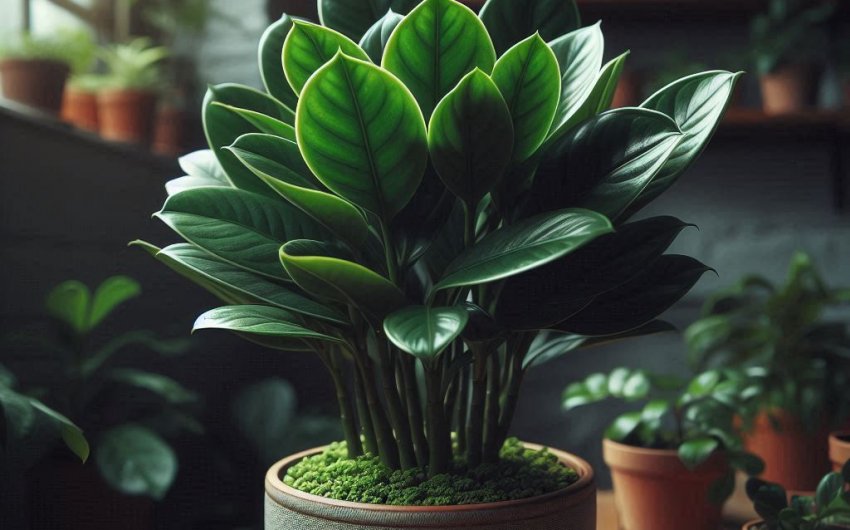
The ZZ plant (Zamioculcas zamiifolia) is renowned for its incredible resilience, making it a favorite among beginners and busy plant parents alike. However, even this "unkillable" houseplant can sometimes fall victim to issues, and one of the most disheartening can be leaf spot disease. Seeing dark, unsightly spots marring the glossy foliage of your ZZ plant can be alarming. Understanding how to identify and treat leaf spot disease on my ZZ plant is crucial for its recovery and long-term health, ensuring your low-maintenance companion stays as beautiful as it is hardy.
What is Leaf Spot Disease on ZZ Plants?
Leaf spot disease is a general term referring to a variety of fungal or bacterial infections that manifest as spots, lesions, or blotches on plant leaves. While ZZ plants are exceptionally tolerant of neglect, they are not entirely immune to these pathogens, especially when their environmental conditions are not ideal. The spots are typically areas where the plant tissue has been damaged or killed by the invading microbe.
Common Types of Leaf Spot
For ZZ plants, leaf spot is most commonly caused by fungal pathogens, though bacterial forms can occur. Distinguishing between them can be tricky without lab tests, but the underlying conditions that promote them are often similar.
- Fungal Leaf Spot: This is the most prevalent type. Fungal spores need moisture to germinate and infect plant tissue. Spots can vary in color (brown, black, yellow, red), size, and shape, sometimes with a halo or distinct border.
- Bacterial Leaf Spot: Less common on ZZ plants but still possible. Bacterial spots often appear water-soaked initially, then turn dark brown or black. They might have a yellow halo and can feel somewhat slimy.
The key takeaway is that both types are usually triggered by excessive moisture on the leaves, poor air circulation, and sometimes weakened plants.
What Causes Leaf Spot Disease on ZZ Plants?
Despite their drought-tolerant nature, ZZ plants become susceptible to leaf spot disease primarily due to overwatering and related moisture issues. The very conditions that make most other plants thrive can stress a ZZ plant and invite pathogens.
Overwatering
This is the number one culprit. ZZ plants store water in their thick rhizomes (underground stems) and stems, allowing them to go for long periods without water.
- Saturated Soil: Constantly wet soil leads to soggy conditions around the roots and rhizomes, making them prone to root rot. When roots are compromised, the entire plant weakens, making it more vulnerable to opportunistic pathogens like those causing leaf spot.
- Reduced Oxygen: Overwatering deprives roots of oxygen, hindering their ability to function properly.
Excessive Humidity or Moisture on Leaves
Fungal spores, in particular, need a film of water on leaf surfaces to germinate and infect the plant.
- Overhead Watering: Watering your ZZ plant from above, wetting the leaves, especially if done frequently or in conditions where leaves dry slowly, creates an ideal environment for fungal spores.
- High Humidity: While ZZ plants tolerate average household humidity, extremely high humidity combined with poor air circulation can lead to moisture lingering on leaves.
- Poor Air Circulation: Stagnant air allows moisture to remain on leaf surfaces for longer periods, significantly increasing the risk of fungal infections. If your ZZ plant is tucked away in a corner with no airflow, it's more vulnerable.
Poor Drainage
- Dense Potting Mix: A heavy, dense potting mix that doesn't drain well will retain too much moisture, leading to the same issues as overwatering.
- Lack of Drainage Holes: Pots without drainage holes are a death sentence for ZZ plants. Excess water accumulates at the bottom, leading to root rot and making the plant vulnerable.
Weakened Plant Health
- Stress: Any factor that stresses a ZZ plant (extreme temperature fluctuations, nutrient deficiencies, or even underwatering if prolonged) can weaken its natural defenses, making it more susceptible to disease.
- Pests: Pest infestations can also stress a plant, making it easier for diseases to take hold.
How Do I Identify Leaf Spot on My ZZ Plant?
Recognizing the early signs of leaf spot disease on your ZZ plant is crucial for quick intervention and preventing its spread. The appearance can vary slightly depending on the specific pathogen, but there are common indicators.
Visual Cues
- Color: Spots can range from light brown to dark brown, black, or even reddish-brown. Some might have a yellow "halo" around the edge, indicating the active spread into healthy tissue.
- Shape and Size: Spots might be small and circular, irregular blotches, or elongated lesions. They can start tiny and then enlarge, sometimes merging to cover larger areas of the leaf.
- Texture: Affected areas might become sunken, dry, and crispy (necrotic tissue), or sometimes slightly raised. In some fungal cases, you might even see tiny black dots (fruiting bodies) within the spots, or a fuzzy growth (mold) in very humid conditions.
- Location: Spots typically appear on the leaf surface, but can also affect petioles (leaf stems). Often, they appear on older, lower leaves first, but can spread to newer growth.
- Pattern: While specific leaf spots often appear randomly, if the browning is more widespread and the leaves feel mushy, you might be dealing with a more severe overwatering issue leading to root rot, which can mimic or accompany leaf spot.
Differentiating from Other Issues
It's important to distinguish leaf spot disease from other common ZZ plant problems:
- Browning/Yellowing due to Overwatering: If entire leaves or stems are turning yellow and then mushy brown, starting from the base, this is more indicative of root rot from overwatering, not just leaf spot. Leaf spot is characterized by distinct, often circular, lesions.
- Natural Browning of Old Leaves: Older, lower leaves will naturally yellow and eventually die off. This is a slow, gradual process and not characterized by distinct spots.
- Physical Damage: A scratch or a bump might cause a localized brown spot, but it won't spread or have the characteristics of an infection.
When in doubt, compare the symptoms you see with images of leaf spot specific to ZZ plants online.
How Do I Treat Leaf Spot Disease on My ZZ Plant?
Treating leaf spot disease on your ZZ plant involves a multi-pronged approach that focuses on stopping the infection's spread, improving environmental conditions, and supporting the plant's recovery. Remember, for ZZ plants, prevention through proper care is often the best medicine.
1. Isolate the Plant
- Prevent Spread: If you have multiple houseplants, immediately move the affected ZZ plant away from others. This prevents fungal or bacterial spores from jumping to healthy plants.
2. Prune Affected Foliage
- Remove Infected Parts: Using clean, sharp scissors or pruning shears, carefully cut off any leaves or entire stems that show signs of significant leaf spot. Cut well into the healthy tissue to ensure you remove all infected material.
- Sanitize Tools: After each cut, disinfect your pruning tools with rubbing alcohol or a 10% bleach solution (1 part bleach to 9 parts water). This is crucial to avoid spreading the pathogen to other parts of the plant or to other healthy plants.
- Dispose Safely: Do not compost infected plant material. Dispose of it in the trash to prevent the pathogen from persisting.
3. Adjust Watering Practices (Crucial!)
This is the most critical step for ZZ plants.
- Let Soil Dry Out: Allow the soil to dry out almost completely between waterings. For ZZ plants, this means the top 2-3 inches of soil should be dry, or even deeper, depending on pot size and humidity. Stick your finger deep into the soil to check.
- Water from the Base: Water thoroughly at the soil level, avoiding wetting the leaves. Pour water until it starts to drain from the bottom of the pot.
- Drainage: Ensure your pot has drainage holes and that the pot is not sitting in standing water in a saucer. Empty saucers promptly.
- Consider a Moisture Meter: A soil moisture meter can help you accurately gauge soil moisture levels and prevent overwatering.
4. Improve Air Circulation
- Open Up Space: Move your ZZ plant to a location where there is better airflow around it. Avoid tucking it into tight corners or between other plants.
- Fan (Optional): In very humid environments, a small fan oscillating gently nearby can help improve air circulation around your plants, aiding in leaf surface drying.
5. Repot If Necessary
If you suspect your ZZ plant is in poorly draining soil or a pot without adequate drainage, repotting might be necessary.
- Inspect Roots: Carefully unpot the plant and inspect its rhizomes and roots. If they are mushy, black, or smell foul, root rot is present. Trim away any rotten parts with sterile scissors.
- Fresh Potting Mix: Repot into a fresh, well-ddraining potting mix. A good mix for ZZ plants should include perlite or coarse sand for extra drainage.
- Proper Pot Size: Don't repot into a pot that's too large. ZZ plants prefer to be slightly root-bound. Only go up one pot size.
6. Consider Fungicides (As a Last Resort for Severe Fungal Leaf Spot)
For severe or persistent fungal leaf spot (not bacterial), a fungicide might be considered, but cultural practices are always preferred for ZZ plants.
- Organic Options: Copper-based fungicides or sulfur-based fungicides are often considered for organic gardening. Garden Safe Fungicide Ready-to-Use is a common choice, but check its active ingredients to ensure it targets your specific issue.
- Application: Always follow the product instructions carefully. Apply evenly, ensuring coverage of both sides of the leaves. Reapply as directed.
- Test First: Test on a small, inconspicuous area of the plant first to ensure there's no adverse reaction.
- Note: Fungicides primarily prevent new infections and can help stop the spread, but they won't cure already damaged leaf tissue.
How Can I Prevent Leaf Spot Disease on My ZZ Plant in the Future?
Prevention is paramount when it comes to leaf spot disease on ZZ plants. By providing the right environment and consistent care, you can significantly reduce the risk of future infections.
Stick to a Smart Watering Schedule
- Infrequent Watering: This is the single most important preventative measure. Allow the soil to dry out almost completely between waterings. For a ZZ plant, it's always better to underwater than to overwater.
- Deep Watering When Dry: When you do water, water thoroughly until it drains from the bottom.
- Bottom Watering: Consider watering your ZZ plant from the bottom. Place the pot in a saucer or basin of water for 20-30 minutes, allowing the plant to soak up water from the drainage holes. This keeps the leaves dry and encourages deeper root growth.
- Seasonal Adjustment: Adjust your watering frequency based on the season. ZZ plants need much less water in fall and winter when light levels are lower and growth slows down.
Provide Excellent Drainage
- Pots with Drainage Holes: Always use pots with drainage holes. If your decorative pot doesn't have holes, plant your ZZ in a slightly smaller nursery pot with drainage, and place that inside the decorative pot.
- Well-Draining Potting Mix: Use a high-quality potting mix specifically designed for succulents or cacti, or amend a regular potting mix with extra perlite (1 part perlite to 2 parts potting mix) to ensure superior drainage.
Ensure Good Air Circulation
- Spaced Out: Don't overcrowd your ZZ plant with other houseplants. Give it space so air can move freely around its foliage.
- Ventilation: Ensure the room where your ZZ plant resides has decent ventilation.
- Avoid Overly Humid Environments: While ZZ plants are fine with average indoor humidity, avoid placing them in consistently steamy bathrooms or very humid, stagnant corners.
Choose the Right Light
- Bright, Indirect Light: ZZ plants thrive in bright, indirect light, but they are also incredibly tolerant of low light. While low light won't directly cause leaf spot, a plant in its preferred light conditions will be healthier and more robust, making it less susceptible to stress and disease.
- Avoid Direct Sun: Intense direct sunlight can scorch ZZ plant leaves, causing brown spots that might be mistaken for leaf spot.
Regular Inspection
- Be Proactive: Make it a routine to inspect your ZZ plant weekly for any signs of trouble. Early detection of any issue, whether it's leaf spot, pests, or nutrient deficiencies, allows for quicker intervention before the problem escalates.
- Clean Leaves: Periodically wipe down the glossy leaves of your ZZ plant with a damp cloth to remove dust. Dust can hinder photosynthesis and can sometimes harbor fungal spores.
By prioritizing proper watering, excellent drainage, and good air circulation, you'll equip your ZZ plant with the best possible defense against leaf spot disease. This famously resilient plant truly flourishes when its simple needs are met, rewarding you with its elegant, dark green foliage for years to come.