
Why Are the Stems of My Cactus Turning Brown and Shriveled?
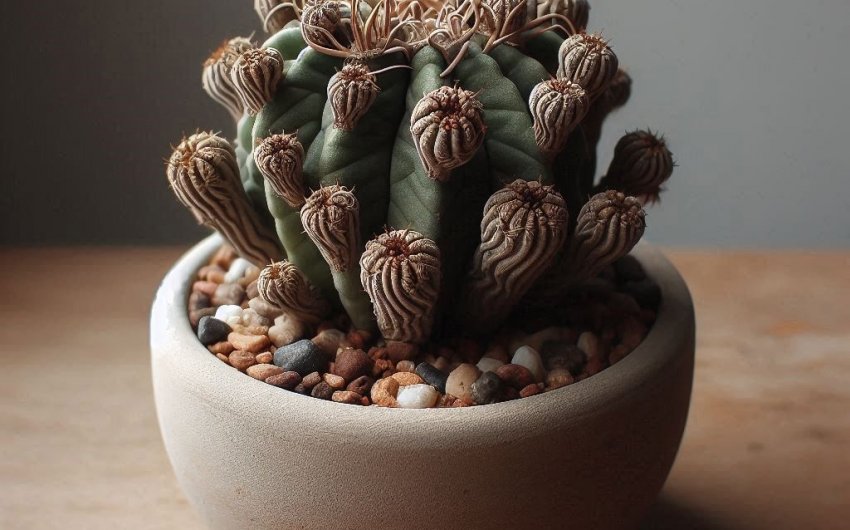
Seeing the stems of my cactus turning brown and shriveled can be a worrying sign for any plant parent. This change in your cactus's appearance usually signals that something is wrong with its health. Cacti are known for being tough and needing little care, so when they start looking unhealthy, it's often a clear indicator that their growing conditions are not quite right. We will explore the common reasons behind this issue and how you can help your prickly friend recover and thrive once more.
Is My Cactus Getting Too Much Water?
One of the most frequent reasons the stems of your cactus turning brown and shriveled is overwatering. Cacti are desert plants, meaning they are built to store water and survive long dry periods. Giving them too much water, or not letting the soil dry out enough between waterings, can quickly lead to problems.
Root Rot: This is the most serious issue caused by overwatering.
- When the soil stays wet, the roots don't get enough air. They start to drown and decay.
- This rot can then spread up into the stem, making it soft, mushy, and eventually brown or black.
- The rot can cause the stem to shrivel because the plant can no longer take up water and nutrients properly, even if the soil itself is wet.
- Affected areas might feel squishy to the touch.
- You might also notice a foul smell coming from the soil or base of the plant.
Signs of Overwatering:
- Brown, mushy spots: These typically start at the base of the cactus and move upwards.
- Soft stem: The stem feels soft or squishy when gently squeezed, rather than firm.
- Yellowing: Parts of the cactus may turn yellow before browning.
- Wilting/Shriveling: This happens as the plant can no longer support itself.
- Swelling: In early stages, the cactus might look bloated before collapsing.
How to Check:
- Carefully unpot your cactus.
- Gently brush away the soil from the roots.
- Healthy roots are usually white or light-colored and firm.
- Rotted roots will be black or dark brown, soft, and might smell bad.
- Trim away any diseased roots with clean, sharp gardening shears. If most of the roots are rotted, your cactus might not survive.
Does My Cactus Need More Water?
While overwatering is common, sometimes the stems of your cactus turning brown and shriveled can also mean your cactus is underwatered. This is less common but definitely happens, especially if you forget to water for a very long time or live in a very hot, dry climate.
Dehydration:
- When a cactus doesn't get enough water, it starts to use up its stored moisture.
- As these reserves run low, the plant's cells begin to shrink, leading to a shriveled or wrinkled appearance.
- The stem might turn brown because the plant tissue is literally drying out and dying from lack of hydration.
- Unlike root rot, the brown parts from underwatering will feel dry, crisp, and hard, not soft or mushy.
Signs of Underwatering:
- Wrinkled or shriveled skin: The cactus skin looks creased, similar to how your skin looks after a long bath.
- Dry, brittle stem: The stem feels hard and crispy to the touch.
- Lightweight pot: The pot will feel very light because the soil is completely dry.
- Slow or no growth: The plant isn't putting out new growth.
- Discoloration: The cactus might look dull or faded, sometimes turning a light brown or yellowish-brown.
How to Fix Underwatering:
- Give the cactus a thorough drink. Water slowly until water drains from the bottom of the pot.
- If the soil is so dry it pulls away from the edges of the pot, it might be "hydrophobic" (water-repelling).
- In this case, try bottom watering: Place the pot in a tray of water for 20-30 minutes, allowing the soil to soak up water from the drainage holes.
- Use a moisture meter to check soil dampness before watering again.
Is the Cactus Getting Enough Sunlight?
Sunlight is crucial for cacti. They evolved in sunny desert environments and need a lot of light to thrive. If your stems of your cactus are turning brown and shriveled, especially on one side, a lack of or uneven light might be a factor.
Etiolation (Stretching):
- While not directly browning or shriveling, a lack of light often leads to etiolation. This is when the cactus stretches out, becoming thin and pale, reaching for light.
- This stretched growth is weak and more susceptible to other problems, including browning or shriveling if it's not strong enough to support itself.
- The stretched parts might then become dry and shrivel as they die back.
Sun Scorch/Stress from Too Much Direct Sun (for indoor cacti):
- Ironically, while cacti love sun, a sudden change to too much intense direct sunlight, especially for an indoor cactus not used to it, can cause damage.
- This usually appears as a hard, brown, or black spot on the side facing the sun. It's like a sunburn.
- This browning is often localized and doesn't spread like rot. The area will be dry and hard.
How Light Affects Browning/Shriveling:
- Insufficient Light: Weakens the plant overall, making it prone to dehydration or susceptibility to rot. The plant struggles to photosynthesize (make its own food).
- Sudden Intense Light: Can burn the cactus, leading to localized brown, shriveled patches. This is common when moving an indoor cactus outdoors without gradual adjustment.
Light Solutions:
- More Light: Move your cactus to the brightest spot in your home, ideally a south-facing window.
- Grow Lights: If natural light isn't enough, consider a full-spectrum grow light. Keep it a safe distance away to prevent scorching.
- Acclimation: If moving outdoors, gradually introduce your cactus to brighter light over several weeks to prevent sunburn. Start with a shady spot and slowly increase exposure to direct sun.
Is the Potting Mix Right for My Cactus?
The soil your cactus lives in is super important. If the stems of your cactus are turning brown and shriveled, the wrong potting mix can be a major cause. Cacti need soil that drains very quickly.
Poor Drainage:
- Standard potting soil holds too much water for cacti.
- When soil stays wet for too long, it creates an environment where roots can't breathe and are prone to root rot (as discussed under overwatering).
- Even if you water correctly, if the soil holds water, it's like the cactus is constantly overwatered.
What Makes a Good Cactus Mix:
- Gritty and Porous: It needs to have a lot of large particles to create air pockets and allow water to pass through quickly.
- Ingredients: A good cactus mix often contains:
- Pumice: Lightweight volcanic rock that improves drainage and aeration.
- Perlite: Another lightweight material that helps with drainage.
- Coarse Sand: Not play sand, but horticultural sand with larger grains.
- Small Gravel or Grit: Further enhances drainage.
- Minimal Peat Moss or Coconut Coir: These hold water, so they should be a smaller part of the mix.
Why the Wrong Mix Causes Browning/Shriveling:
- If the soil is too dense, water sits around the roots.
- This leads to root rot, which then causes the stem to brown, soften, and shrivel because the plant's water uptake system is damaged.
Solutions for Potting Mix:
- Repot: If your cactus is in regular potting soil, repot it into a cactus and succulent potting mix.
- Amend Current Soil: If you have regular potting soil, you can mix in perlite, pumice, or coarse sand to improve drainage. A good ratio is 50% potting soil and 50% drainage material.
- Ensure Drainage Holes: Always use pots with drainage holes! A pot without holes will trap water at the bottom, leading to root rot. A terracotta pot with drainage is often a great choice for cacti as it allows for some moisture to evaporate through its porous sides.
Is the Temperature or Humidity Affecting My Cactus?
While cacti are famously tough, extreme or sudden changes in temperature and inappropriate humidity can also contribute to the stems of your cactus turning brown and shriveled.
Extreme Cold:
- Cacti are usually very sensitive to frost and freezing temperatures.
- If exposed to cold, especially below freezing, the plant's cells can rupture.
- This damage often appears as black or dark brown, mushy spots, similar to frostbite.
- The affected areas will then shrivel as the tissue dies.
- This can happen if a cactus is left near a cold window in winter or moved outdoors too early in spring.
Excessive Heat/Sun Exposure (Outdoor Cacti):
- While they love sun, direct, intense, scorching sun, especially during a heatwave or for a cactus not used to it, can cause damage.
- This leads to sunburn, which typically appears as dry, hard, brown or white patches on the exposed side of the cactus. These areas can shrivel and become scarred.
- It’s more common in outdoor settings or when cacti are moved too quickly from a shadier spot to full sun.
High Humidity:
- Cacti prefer low humidity. If the air is constantly moist, it can create problems even if the soil is drying out properly.
- High humidity can encourage fungal diseases, which can lead to brown or black spots and rot.
- It also slows down the evaporation of water from the soil and from the cactus's surface, increasing the risk of overwatering even with proper watering habits.
Solutions for Temperature and Humidity:
- Protect from Cold: Bring outdoor cacti inside before temperatures drop below 40-50°F (4-10°C) depending on the species. Keep indoor cacti away from drafty windows in winter.
- Provide Air Circulation: Good air movement around your cactus can help reduce humidity and prevent fungal issues. A small clip-on fan can be beneficial for indoor setups.
- Acclimate to Sun: As mentioned earlier, gradually introduce your cactus to brighter light or outdoor conditions to prevent sunburn.
- Monitor Humidity: If you live in a very humid area, ensure excellent soil drainage and ventilation. A hygrometer can help you keep track of indoor humidity levels.
Could Pests or Diseases Be the Cause?
While less common than watering issues, sometimes pests or diseases can be why the stems of your cactus are turning brown and shriveled. These problems usually lead to specific types of damage.
Fungal or Bacterial Diseases:
- Root Rot (Again!): Often caused by fungi in overly wet soil. The symptoms are the same: soft, mushy, brown/black rot spreading up the stem.
- Stem Rot: Can also be caused by fungi or bacteria entering through wounds. Appears as spreading brown or black soft spots on the stem.
- Rust Spot: Small, raised, rusty-brown spots that can sometimes cause the surrounding tissue to shrivel slightly. Often cosmetic but can spread.
- How they cause browning/shriveling: The disease attacks and destroys the plant cells, leading to dead, discolored, and often shriveled tissue.
Pest Infestations:
- Mealybugs: Look like tiny cottony white masses, usually in crevices or on the stem. They suck plant sap, which can weaken the cactus and cause yellowing, stunted growth, and eventually browning or shriveling of affected areas.
- Scale Insects: Small, brown, hard bumps on the stem. Like mealybugs, they suck sap, leading to weakening and discoloration.
- Spider Mites: Tiny red or brown mites that create fine webbing. They cause a mottled, discolored, and unhealthy look to the cactus, which can lead to browning and shriveling over time as the plant weakens.
- Root Mealybugs: These are harder to spot as they live on the roots. Symptoms mimic overwatering (yellowing, stunted growth, general decline) because they damage the roots, making water uptake difficult.
How to Check for Pests/Diseases:
- Inspect Closely: Use a magnifying glass to examine all parts of the cactus, especially crevices, the underside of spines, and the soil surface.
- Check Roots: If the stem looks bad and you've ruled out obvious watering issues, unpot and inspect the roots for root mealybugs.
Solutions for Pests/Diseases:
- Isolation: Isolate an infected cactus immediately to prevent spread to other plants.
- Pruning: For rot, cut away all affected, mushy tissue with a sterile, sharp knife until only healthy, green tissue remains. Allow the cut surface to "callus" (dry out and harden) for several days before repotting.
- Rubbing Alcohol: For mealybugs or scale, dab them directly with a cotton swab dipped in rubbing alcohol. Repeat as needed.
- Neem Oil: A natural pesticide. Mix neem oil concentrate with water and a tiny bit of dish soap (as an emulsifier) and spray the plant. Always test on a small area first.
- Insecticidal Soap: Can be effective against soft-bodied pests.
- Fungicides: For serious fungal issues, a systemic or topical fungicide for cacti might be necessary, but addressing cultural issues (like overwatering) is usually the first step.
- Repotting: If root mealybugs or severe soil-borne disease is suspected, repot into fresh, sterile cactus mix after cleaning the roots.
Can Natural Aging Cause Browning and Shriveling?
Yes, sometimes the stems of your cactus turning brown and shriveled isn't a problem at all, but a natural process called corking.
What is Corking?
- Corking is a normal part of aging for many cacti.
- It typically starts at the base of the plant and slowly works its way up.
- The lower part of the stem develops a tough, woody, brown or grayish layer, similar to tree bark.
- This process provides stability for the plant as it grows taller and heavier. It protects the base from pests and sun.
How to Tell if It's Corking vs. a Problem:
- Location: Corking always starts at the very base of the cactus, right above the soil line. If browning starts higher up, or in random spots, it's probably not corking.
- Texture: Corking is hard, dry, and woody to the touch. It feels like tree bark. It is not soft, mushy, or squishy.
- Appearance: The color is usually a natural brown or grayish-brown, not black or dark, slimy brown. It looks like healthy, tough old skin, not decaying tissue.
- Progression: Corking is a slow, gradual process. It doesn't happen overnight. The plant will otherwise look healthy and be putting out new green growth from the top.
- Absence of Other Symptoms: There will be no foul smell, no yellowing above the brown area, and no signs of wilting or shriveling in the overall plant.
When to Be Concerned:
- If the browning is soft or mushy.
- If the browning is spreading quickly.
- If the browning starts mid-stem or at the top.
- If the plant looks generally unhealthy, weak, or distorted.
No Action Needed for Corking:
- Corking is a sign of a mature, healthy cactus! You don't need to do anything about it.
- Just continue with your regular, proper cactus care routine.
Understanding the difference between harmless corking and worrying signs of distress is key to knowing when to take action for your cactus. If the stems of your cactus are turning brown and shriveled and it's not soft or spreading rapidly from the base, you likely have a healthy, aging plant.