
How Can I Rescue an Overwatered Pothos Plant?
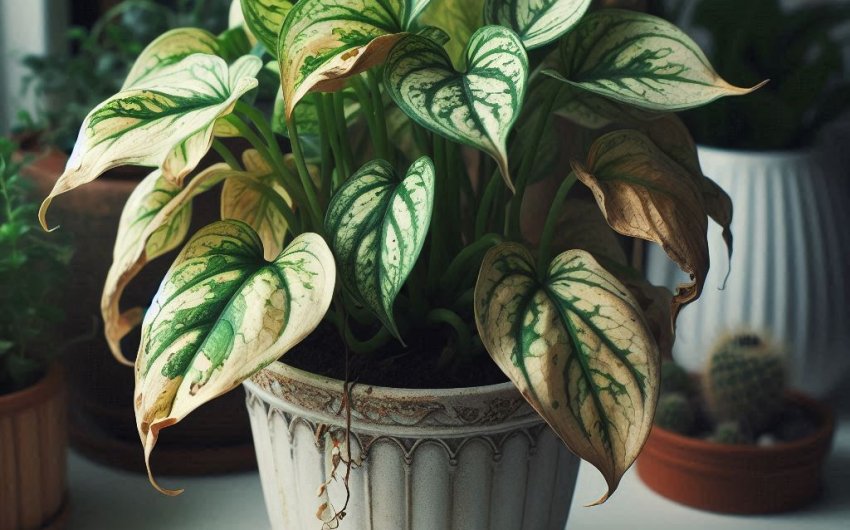
Discovering your beloved Pothos plant suffering from excessive moisture can be disheartening, but fortunately, an overwatered Pothos plant is often salvageable with the right approach. This guide will walk you through the essential steps to revive your ailing plant, focusing on practical solutions to reverse the effects of too much water and bring your Pothos back to vibrant health.
What are the signs of an overwatered Pothos plant?
Identifying an overwatered Pothos plant early is crucial for its recovery. Several tell-tale signs can indicate that your plant is receiving too much water, leading to stress and potential root damage.
How do the leaves of an overwatered Pothos look?
- Yellowing leaves: This is one of the most common indicators. The leaves, especially the older ones at the base of the plant, will start to turn yellow. Unlike underwatering (where leaves turn crispy), overwatered leaves might feel soft and limp.
- Drooping or wilting foliage: Ironically, even though the soil is wet, the plant can still droop as if it's thirsty. This happens because the waterlogged roots aren't able to take up oxygen or nutrients effectively, causing the leaves to lose turgor (their internal water pressure).
- Brown or black spots: Dark spots, often mushy to the touch, can appear on the leaves. This is a sign of cell breakdown due to rot.
- Soft, mushy stems: The stems may become discolored (brown or black) and feel soft or mushy when touched. This is a severe sign of stem rot.
What does the soil of an overwatered Pothos feel like?
The soil will remain consistently wet for an extended period, often feeling soggy or heavy to the touch. It might also have a sour or mildewy smell due to anaerobic conditions (lack of oxygen) and bacterial growth. If you notice a green or white mold growing on the soil surface, this is also a strong indicator of consistently wet soil.
Are there other signs of an overwatered Pothos?
- Fungus gnats: These tiny, black, flying insects are attracted to constantly moist soil where they lay their eggs. Seeing a swarm of small flies around your plant is a good sign of overwatering.
- Root rot: While not visible initially, root rot is the most dangerous consequence of overwatering. The roots turn brown or black and become mushy and brittle instead of firm and white. A strong, rotten smell might emanate from the soil.
Why is overwatering so harmful to Pothos plants?
Understanding the detrimental effects of excessive moisture on your Pothos plant helps to grasp the urgency of intervention. Overwatering doesn't just mean too much water; it primarily means a lack of oxygen for the roots.
How does overwatering affect the roots?
When a Pothos is overwatered, the soil becomes waterlogged, pushing out all the air pockets that normally exist within the soil. Plant roots, like all living organisms, need oxygen to function. Without oxygen, they cannot perform respiration, which is the process of converting stored energy into usable energy for growth.
What is root rot and how does it develop?
Lack of oxygen suffocates the roots, making them weak and susceptible to fungal and bacterial infections. This leads to root rot, a condition where the roots begin to decay. Once root rot sets in, the damaged roots cannot absorb water or nutrients, even if they are present in the soil. This explains why an overwatered plant can still show signs of wilting and nutrient deficiency. The Pothos essentially "drowns" and "starves" at the same time.
How does root rot spread?
If left untreated, root rot can quickly spread from the roots up into the main stem of the plant, causing the entire plant to collapse. This is why early detection and prompt action are vital for rescuing an overwatered Pothos plant.
What is the first step to rescue an overwatered Pothos plant?
The immediate priority when you suspect an overwatered Pothos plant is to remove it from its current soggy environment. This action prevents further damage to the root system and allows it to air out.
How do you remove the Pothos from its pot?
- Gently tip the pot: Carefully lay the pot on its side.
- Slide the plant out: Support the base of the plant with one hand and gently slide the entire root ball out of the pot. If it's stuck, you might need to gently tap the bottom or sides of the pot. Avoid pulling on the stems, as they are fragile when waterlogged.
- Remove excess soil: Gently shake off as much of the old, waterlogged soil as possible from around the roots. You want to expose the root ball for inspection.
Why is immediate removal from the pot important?
Leaving the Pothos plant in overly wet soil for too long significantly increases the risk and severity of root rot. By removing it, you're giving the roots a chance to breathe and prevent the problem from worsening.
How do you inspect and prune the roots of an overwatered Pothos?
After carefully removing your Pothos plant from its pot, the next critical step in rescuing it is to thoroughly inspect its root system for signs of damage and prune away any affected areas. This is where you directly combat root rot.
What do healthy Pothos roots look like?
Healthy Pothos roots are typically firm, light-colored (white or tan), and may have fine, hair-like structures. They will feel strong and resilient when gently handled.
How do you identify rotten roots?
Rotten roots, on the other hand, will look and feel very different:
- Color: They will be dark brown or black.
- Texture: They will be soft, mushy, or slimy to the touch.
- Smell: They often have a foul, rotten, or sulfuric odor.
- Integrity: They will easily break apart or disintegrate when you try to touch them.
How do you prune rotten roots?
- Gather your tools: You'll need a pair of clean, sharp pruning shears for plants or even a sharp knife. Sterilize your tools with rubbing alcohol before and after use to prevent the spread of disease.
- Trim away damaged roots: Carefully cut away all the mushy, black, or smelly roots. Continue cutting until you reach healthy, firm root tissue. Don't be afraid to be aggressive; it's better to remove all the compromised parts than leave any behind, as rot can quickly spread.
- Remove severely affected leaves: While you have the plant out of the pot, also prune away any severely yellowed, brown, or mushy leaves and stems. These won't recover and will only draw energy from the plant. This also helps reduce the amount of foliage the diminished root system needs to support.
What if all the roots are rotten?
If you find that all or almost all of the roots are mushy and black, your plant has severe root rot. In this case, your best chance of saving the plant is to take healthy stem cuttings from the unaffected parts of the plant and propagate them. This is often the last resort but can lead to entirely new, healthy plants.
How do you prepare a new pot and soil for an overwatered Pothos?
Once you've addressed the root system of your overwatered Pothos plant, preparing a suitable new environment is crucial for its recovery. This involves selecting the right pot and using a well-draining potting mix.
What type of pot is best for an overwatered Pothos?
- Drainage holes are essential: Never repot a Pothos, especially an overwatered one, into a pot without drainage holes. Water must be able to escape freely from the bottom to prevent future waterlogging.
- Terracotta pots: While plastic pots are common, unglazed terracotta pots are often recommended for plants prone to overwatering. Terracotta is porous, meaning it allows moisture to evaporate through its sides, helping the soil dry out faster.
- Size matters: Choose a pot that is only slightly larger than the remaining healthy root ball. If you use a pot that is too large, it will hold too much moisture, increasing the risk of overwatering again. Generally, go for a pot that is only 1-2 inches wider in diameter than the root ball. If you had to cut away a lot of roots, you might even need to downsize the pot.
What kind of soil mix should you use for an overwatered Pothos?
A well-draining, airy potting mix is vital. Pothos prefer a mix that allows water to pass through easily while still retaining some moisture and nutrients.
- Standard potting mix is often too dense: Most generic potting mixes are too heavy and retain too much water, especially for Pothos which prefers to dry out between waterings.
- Ideal Pothos soil mix: Create a mix that is lighter and more aerated. A good recipe typically includes:
- 50-60% high-quality indoor potting mix: This forms the base.
- 20-30% perlite for plants: Adds excellent drainage and aeration.
- 10-20% orchid bark or coarse sand: Further improves drainage and provides a chunky texture that Pothos roots appreciate.
- Never reuse old, waterlogged soil: Always use fresh, sterile potting mix when repotting an overwatered plant to prevent reintroducing harmful fungi or bacteria.
How do you repot an overwatered Pothos plant?
Repotting an overwatered Pothos plant carefully ensures minimal stress and sets it up for successful recovery in its new, healthier environment.
What is the process for repotting an overwatered Pothos?
- Add a base layer of soil: Put a layer of your fresh, well-draining potting mix at the bottom of the new pot. The amount will depend on the size of your root ball.
- Position the plant: Carefully place the Pothos in the center of the pot. Ensure the plant sits at the same depth as it was previously. The crown (where the stems meet the roots) should be at or slightly below the soil line, not buried deep.
- Fill with new soil: Gently fill the rest of the pot with the fresh potting mix, working it around the roots. Lightly pat the soil down to remove any large air pockets, but avoid compacting it too much, as this reduces aeration.
- Do not water immediately: Unlike regular repotting, do not water your Pothos immediately after repotting an overwatered plant. The roots are vulnerable and need a chance to recover and air out. Watering right away would undo all your hard work.
- Provide good air circulation: After repotting, place the plant in a spot with good air circulation. You can also use a small fan directed away from the plant (to avoid drying it out too quickly, which would shock it) to help the soil dry more effectively.
What should you do with the removed old soil and pot?
- Discard the old soil: Do not reuse the old, waterlogged soil as it may contain harmful pathogens or fungus spores that contributed to the rot.
- Clean the old pot: If you plan to reuse the old pot, thoroughly clean and sterilize it with a 10% bleach solution or strong detergent to kill any remaining bacteria or fungi before planting anything new in it.
What is the proper watering technique for a recovering Pothos?
After rescuing an overwatered Pothos plant and repotting it, adopting a precise and attentive watering routine is the most critical factor in its long-term survival and recovery. Incorrect watering is what caused the problem in the first place, so mastering this skill is essential.
When should you water a recovering Pothos for the first time?
Do not water your Pothos immediately after repotting, especially if it was overwatered. Give the plant a few days (3-7 days, depending on humidity and temperature) to settle into its new soil and for any remaining moisture to evaporate. This "dry period" allows the roots to start healing and prevents further rot.
How do you determine when to water next?
The golden rule for Pothos is to wait until the top 2-3 inches of soil are completely dry before watering again. Do not water on a schedule (e.g., every 7 days), as environmental factors (temperature, light, humidity) change how quickly soil dries.
Here's how to check:
- Finger test: Stick your finger about 2-3 inches deep into the soil. If it feels dry, it's time to water. If it still feels moist, wait.
- Moisture meter: A plant moisture meter can provide a more accurate reading of soil moisture levels.
- Pot weight: Over time, you'll learn to judge the weight of your pot. A dry pot feels significantly lighter than a wet one.
How do you water a Pothos properly?
Once the soil is dry enough:
- Water thoroughly: Pour water slowly and evenly over the entire soil surface until you see water draining from the bottom of the pot. This ensures that the entire root ball receives moisture.
- Drain excess water: Immediately empty any standing water from the saucer beneath the pot. Never let your Pothos sit in standing water, as this is a primary cause of overwatering.
- Frequency adjustment: In colder months or lower light conditions, your Pothos will need less frequent watering because it's growing slower and less water evaporates. In warmer, brighter conditions, it will need more frequent watering. Always adjust based on the soil dryness, not a strict schedule.
Should you bottom water a recovering Pothos?
Bottom watering can be a good technique once your Pothos has recovered. To bottom water, place the pot in a tray or sink filled with about 1-2 inches of water. Let the plant soak up water from the drainage holes for 20-30 minutes, or until the top of the soil feels slightly damp. Remove the plant and let any excess water drain completely before returning it to its spot. This encourages deeper root growth and ensures the plant only takes up what it needs.
Where should you place a recovering Pothos plant?
The placement of your recovering overwatered Pothos plant significantly impacts its ability to heal and thrive. Providing the right environmental conditions is crucial for its delicate state.
What kind of light does a recovering Pothos need?
- Bright, indirect light: This is the ideal light condition for a Pothos, especially one recovering from stress. Bright, indirect light means the plant receives plenty of light, but no direct sun rays hit its leaves. Direct sunlight can scorch the already stressed leaves and worsen their condition.
- Avoid low light: While Pothos can tolerate lower light, a recovering plant needs sufficient light for photosynthesis, which provides the energy for healing and new growth. Low light can hinder recovery.
- Good airflow: Ensure the chosen location has good air circulation around the plant. This helps the soil dry out more evenly and prevents the buildup of stagnant, humid conditions that can promote fungal growth.
What is the ideal temperature and humidity for a recovering Pothos?
- Consistent room temperature: Pothos thrives in average indoor temperatures, ideally between 65-80°F (18-27°C). Avoid sudden temperature fluctuations, cold drafts, or extreme heat.
- Moderate humidity: While Pothos appreciates higher humidity, avoid overly humid conditions immediately after repotting an overwatered plant, as this can encourage fungal issues in the healing roots. Average household humidity is usually fine. As the plant recovers, you can consider methods to gently increase humidity like a plant humidifier or a pebble tray, but prioritize drying out the soil first.
Should you move the plant frequently?
No, once you've found an ideal spot, avoid moving your recovering Pothos plant frequently. Plants can experience stress when their environment changes constantly. Let it settle and focus its energy on healing.
Should you fertilize an overwatered Pothos plant?
A common question during the recovery process of an overwatered Pothos plant is whether to fertilize it. The general answer is no, not immediately, and with caution.
Why should you avoid fertilizing a recovering Pothos?
- Stressed roots: The roots of an overwatered Pothos are already damaged and trying to recover. Fertilizers contain salts and chemicals that can further stress or even burn the compromised roots.
- Nutrient overload: Even healthy plants can be damaged by too much fertilizer. An ailing plant is much more susceptible to nutrient burn.
- Focus on healing: The plant's immediate priority is to heal from root rot and stabilize. It needs time to establish new, healthy roots. Adding fertilizer prematurely diverts energy away from this crucial healing process.
When can you consider fertilizing a recovered Pothos?
Once your Pothos shows clear signs of recovery, such as:
- New, healthy growth: You see new leaves unfurling and stems extending.
- Improved leaf color and turgor: Leaves are no longer yellowing or drooping, and they feel firm.
- Established root system: The plant feels stable in its pot.
At this point, you can start fertilizing, but always err on the side of caution:
- Dilute fertilizer: Use a balanced liquid houseplant fertilizer at half or even quarter strength.
- Start slowly: Begin with a reduced frequency, maybe once a month during the growing season (spring and summer), rather than every two weeks.
- Monitor the plant: Observe your plant closely for any adverse reactions after fertilizing.
The most important "nutrient" for a recovering Pothos is proper watering and the right environmental conditions, not chemical fertilizers.
How do you prune an overwatered Pothos for recovery?
Pruning an overwatered Pothos plant is an important step in its recovery process. It helps the plant redirect energy to healthy parts, improves airflow, and can even be a way to salvage parts of a severely damaged plant through propagation.
Why is pruning necessary for an overwatered Pothos?
- Remove diseased parts: Any leaves or stems that are yellow, brown, mushy, or show signs of rot will not recover. Removing them prevents the spread of rot or fungal diseases and allows the plant to focus its energy on healthy growth.
- Reduce stress on roots: If the root system has been significantly reduced due to rot, the remaining healthy roots may not be able to support all the existing foliage. Pruning back some of the leaves reduces the plant's demand for water and nutrients, easing the burden on the compromised root system.
- Improve airflow: Removing dense or dying foliage can improve air circulation around the plant, which helps prevent future fungal issues.
- Promote new growth: Pruning can stimulate the plant to put out new, healthier growth once it has recovered.
What should you prune on an overwatered Pothos?
- Yellow, brown, or mushy leaves: Cut these off at the base of the leaf stem.
- Rotten stems: If a stem feels soft, mushy, or is discolored, cut it back to a point where the stem is firm and healthy. If the rot has spread extensively up the stem, you may need to take cuttings from unaffected parts.
- Any part with signs of mold or fungus: Promptly remove these to prevent spread.
How do you prune safely?
- Sterilize your tools: Always use clean, sharp pruning shears for plants or a knife. Sterilize them with rubbing alcohol or a bleach solution before each cut to avoid spreading diseases.
- Make clean cuts: Avoid tearing or bruising the stems.
- Dispose of diseased material: Do not compost pruned rotten or diseased plant material; discard it to prevent spreading pathogens.
Can you propagate pruned sections?
If you had to prune off healthy sections of stem with nodes that were not affected by rot, you can definitely use these for propagation. This is often the last resort when the main plant is too far gone from root rot, offering a chance to start fresh. Follow standard Pothos propagation techniques (in water or soil).
How long does it take for an overwatered Pothos to recover?
The recovery time for an overwatered Pothos plant can vary significantly depending on the severity of the overwatering, how quickly you intervened, and the ongoing care it receives. Patience is key!
What factors influence recovery time?
- Severity of root rot: A plant with only minor root damage will recover much faster than one where most of the root system has rotted away.
- Speed of intervention: The sooner you identify and address the overwatering, the better the chances and quicker the recovery.
- Environmental conditions: Ideal light, temperature, and proper watering after repotting will accelerate healing.
- Plant's overall health: A generally robust Pothos will bounce back faster than a weaker, already stressed plant.
What are the stages of recovery?
- Stabilization (Days to 1-2 weeks): Immediately after repotting and pruning, the plant is still in shock. You might not see much improvement, and some leaves might continue to yellow and drop. This is normal as the plant adjusts and tries to heal its roots. Focus on keeping the soil dry.
- Healing and new root growth (Weeks 2-4+): If the root rot was not too severe, the plant will start putting energy into developing new, healthy feeder roots. You still might not see much above-ground growth, but the existing leaves should stabilize (no more rapid yellowing or dropping).
- Visible new growth (1-2 months+): This is the most rewarding stage. Once the root system has recovered sufficiently, your Pothos will start pushing out new, healthy leaves. This is a clear sign of successful recovery.
What should you expect during recovery?
- Don't expect overnight miracles: Plant recovery is a slow process. Be patient and consistent with your care.
- More leaf drop is possible: As the plant sheds damaged leaves, you might see more fall off, even after repotting.
- Slow growth: Growth will likely be stunted for a period while the plant focuses on root recovery.
- The plant might look worse before it looks better: This is especially true after significant pruning. Trust the process.
It's a marathon, not a sprint. Consistency in checking soil moisture and providing optimal conditions will give your Pothos plant the best chance to bounce back from overwatering.