
Why Are My Chinese Evergreen’s Leaf Tips Turning Brown?
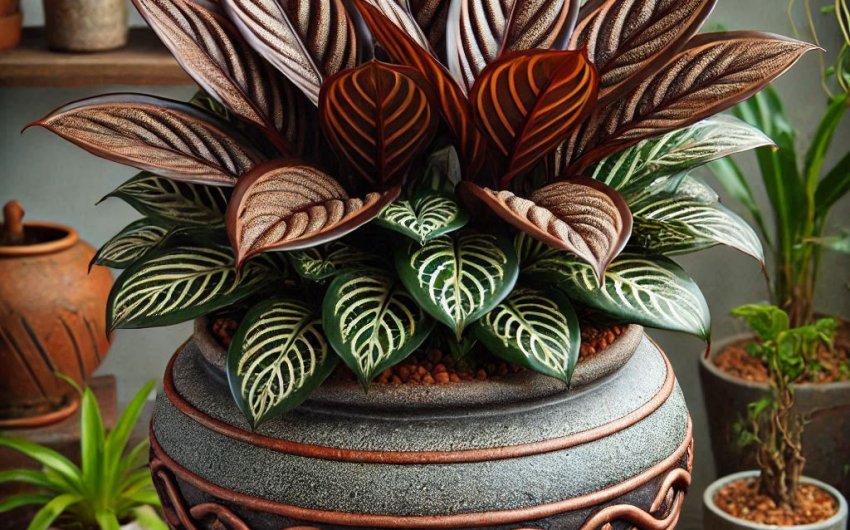
The vibrant, often variegated foliage of a Chinese Evergreen (Aglaonema) adds a touch of tropical elegance to any indoor space, making it a beloved choice for houseplant enthusiasts. However, it's a common concern for growers to notice their plant's normally lush leaves developing unsightly discoloration. If you're asking, "Why are my Chinese Evergreen's leaf tips turning brown?" rest assured that this is a frequently encountered issue, typically signaling an underlying environmental stressor or watering imbalance that can be readily addressed with proper care adjustments.
What is a Chinese Evergreen?
The Chinese Evergreen (Aglaonema) is a popular genus of houseplants originating from tropical and subtropical regions of Asia. Revered for their attractive foliage and relatively easy-care nature, they come in a wide array of cultivars, displaying patterns of green, silver, red, and pink on their leaves. These plants are known for their ability to tolerate lower light conditions, making them ideal for many indoor settings.
What are the Key Characteristics of Chinese Evergreens?
- Foliage: The primary appeal of Chinese Evergreens lies in their stunning leaves. They are typically broad, oval-shaped, and can range from solid deep green to intricate patterns of silver, cream, red, or pink variegation. The specific coloration varies greatly by cultivar.
- Growth Habit: They generally grow as upright, bushy plants, forming a dense clump of foliage. Mature plants can produce spathe and spadix flowers, similar to those of Peace Lilies or Philodendrons, though these are often inconspicuous and removed by growers to direct energy to foliage.
- Tolerant of Low Light: While they thrive in bright, indirect light, many Aglaonema varieties are remarkably tolerant of lower light conditions, making them suitable for offices or less-bright rooms. However, the more vibrant variegated cultivars typically need brighter light to maintain their colors.
- Air Purifiers: Like many houseplants, Chinese Evergreens are recognized for their ability to help filter indoor air pollutants, contributing to a healthier home environment.
- Toxicity: It's important to note that Chinese Evergreens are mildly toxic if ingested due to calcium oxalate crystals. Keep them out of reach of pets and small children.
Why are Chinese Evergreens Popular as Houseplants?
Their widespread popularity stems from a combination of aesthetic appeal and practical benefits.
- Aesthetic Appeal: The diverse and colorful foliage makes them highly decorative, fitting into various interior design styles.
- Ease of Care: They are generally considered forgiving plants, tolerating a wider range of conditions than many other tropical houseplants, which makes them suitable for beginners.
- Low Light Tolerance: Their ability to adapt to less-than-ideal lighting is a major advantage for indoor growers.
- Versatility: They can thrive in a variety of indoor settings, from living rooms to bathrooms, as long as their basic needs are met. You can find Chinese Evergreen plants in many garden centers.
Why are My Chinese Evergreen's Leaf Tips Turning Brown? (Watering Issues)
When the leaf tips of your Chinese Evergreen turn brown, watering issues are often the primary culprits. Both overwatering and underwatering can lead to this unsightly discoloration, as the plant struggles to maintain proper moisture balance within its foliage. Understanding the nuances of your plant's hydration needs is crucial for healthy leaves.
Underwatering or Inconsistent Watering
- How it Happens: The most common scenario is simply not providing enough water, or letting the soil dry out too much between waterings. When the plant doesn't get sufficient moisture, the furthest parts of the leaves (the tips) are the first to suffer as the plant prioritizes water to its vital core.
- Symptoms: Besides brown tips, you might notice the entire leaf starting to droop or curl, the soil pulling away from the sides of the pot, and the pot feeling very light. The brown tips will usually feel dry and crispy.
- Solution:
- Water Thoroughly: When you water, ensure you water deeply until excess water drains from the bottom of the pot. Don't just give a small sip.
- Consistent Schedule: Establish a consistent watering schedule based on checking the soil. Allow the top 1-2 inches of soil to dry out before watering again. This might mean watering every 1-2 weeks, depending on light, temperature, humidity, and pot size. Use a soil moisture meter for accuracy.
- Check Drainage: Ensure your pot has drainage holes and isn't sitting in standing water.
Overwatering and Root Rot
- How it Happens: This is often more damaging than underwatering. Overwatering leads to persistently soggy soil, which suffocates the roots by depriving them of oxygen. This creates an environment where harmful anaerobic bacteria and fungi thrive, leading to root rot. Damaged roots cannot absorb water or nutrients effectively, paradoxically leading to symptoms that can mimic underwatering, including brown leaf tips.
- Symptoms: Brown tips that may also feel soft or mushy, yellowing lower leaves that drop off, stunted growth, and the soil perpetually feeling wet or smelling foul. The plant may appear generally droopy and unhealthy.
- Solution:
- Stop Watering: Allow the soil to dry out completely.
- Check Roots: Carefully remove the plant from its pot and inspect the roots. Healthy roots are white or tan and firm. Rotted roots will be black, mushy, and often smell foul.
- Prune Rotted Roots: With clean, sharp scissors, cut away all diseased or mushy roots.
- Repot: Repot the plant into a clean pot (or cleaned old one) with fresh, well-draining potting mix for houseplants.
- Adjust Watering Habits: Water less frequently. Always ensure the top few inches of soil are dry before watering again. Ensure the pot has adequate drainage holes.
Poor Drainage or Wrong Potting Mix
- How it Happens: Even if you're careful with watering frequency, using a pot without drainage holes or a heavy, dense potting mix that retains too much moisture can lead to conditions similar to overwatering. The roots sit in perpetually soggy conditions.
- Symptoms: Similar to overwatering and root rot – brown tips (possibly mushy), yellowing leaves, overall decline.
- Solution:
- Repot: Repot the plant into a pot with ample drainage holes.
- Use Proper Mix: Use a well-draining potting mix that may include perlite, coarse sand, or bark to improve aeration and drainage.
- Avoid Saucers: Do not let the pot sit in standing water in a saucer. Empty excess water promptly after watering.
Why are My Chinese Evergreen's Leaf Tips Turning Brown? (Environmental Factors)
Beyond watering, the surrounding environment plays a significant role in your Chinese Evergreen's health. Several environmental factors, particularly those related to humidity, light, and temperature, can stress the plant and manifest as brown leaf tips. Adjusting these conditions can help restore your plant's vitality.
Low Humidity
- How it Happens: Chinese Evergreens are tropical plants and prefer moderate to high humidity. Indoor environments, especially during winter months when heating systems are running, often have very low humidity. This dry air can draw moisture out of the leaves faster than the roots can supply it, leading to the tips drying out and browning.
- Symptoms: Dry, crispy brown leaf tips or edges. Sometimes the entire leaf might curl slightly inwards.
- Solution:
- Pebble Tray: Place the plant's pot on a humidity tray filled with pebbles and water. Ensure the bottom of the pot does not sit directly in the water. As the water evaporates, it increases local humidity.
- Humidifier: For very dry homes, using a room humidifier can significantly benefit your tropical plants.
- Grouping Plants: Grouping several plants together can create a small, more humid microclimate as they release moisture through transpiration.
- Avoid Drafts: Keep plants away from heating vents, air conditioners, or open windows that create dry drafts.
- Misting (Limited Effect): While misting leaves can temporarily raise humidity, its effects are short-lived. It's not a primary solution but can be done occasionally as a supplementary measure.
Incorrect Lighting
- How it Happens: Although Chinese Evergreens are known for low light tolerance, extremes can still cause issues.
- Too Much Direct Sun: Intense, direct sunlight can scorch the leaves, leading to large brown or bleached patches, including brown tips. This is especially true for variegated varieties, whose lighter areas are more sensitive.
- Too Little Light (Less Common for Brown Tips): While low light typically results in leggy growth and less vibrant variegation, extreme low light can stress the plant, making it more susceptible to other issues that might include browning.
- Symptoms:
- Too Much Sun: Crispy, bleached, or dark brown patches on leaves, often with brown tips.
- Too Little Light: Pale, stretched growth, smaller leaves, reduced variegation.
- Solution:
- Adjust Placement: Move your plant to a location with bright, indirect light. An east-facing window is often ideal, or a few feet away from a south or west-facing window.
- Filter Light: If direct sun is unavoidable, use sheer curtains to diffuse the light.
Temperature Fluctuations and Cold Drafts
- How it Happens: Chinese Evergreens prefer consistent, warm temperatures (65-80°F / 18-27°C). Sudden drops in temperature, cold drafts, or exposure to very cold air can shock the plant and damage its sensitive foliage.
- Symptoms: Brown or black tips/edges, sudden leaf drop, overall wilting. Damage often appears shortly after exposure.
- Solution:
- Consistent Temperatures: Maintain a stable room temperature.
- Avoid Drafts: Keep plants away from leaky windows, doors that open frequently, or heating/AC vents.
- Winter Protection: Ensure plants are not near cold window panes during winter. If transporting in cold weather, wrap them carefully.
Chemical Sensitivity (Chlorine/Fluoride)
- How it Happens: Some houseplants, including Chinese Evergreens, can be sensitive to chemicals found in tap water, particularly chlorine and fluoride. Over time, these chemicals can accumulate in the soil and burn the leaf tips.
- Symptoms: Brown tips that appear almost burnt, especially if other causes have been ruled out.
- Solution:
- Filtered Water: Use filtered water, rainwater, or distilled water.
- Let Water Sit: If using tap water, let it sit out in an open container for 24-48 hours before watering. This allows chlorine to evaporate. Fluoride does not evaporate, so filtered water is best if fluoride is the issue.
Why are My Chinese Evergreen's Leaf Tips Turning Brown? (Nutrient and Root Issues)
Beyond immediate environmental factors, underlying issues related to nutrient imbalances or problems within the root system can also cause your Chinese Evergreen's leaf tips to turn brown. These issues often develop over time and require a deeper assessment of your plant's overall health and potting conditions.
Over-fertilization
- How it Happens: While plants need nutrients, too much of a good thing can be detrimental. Excessive fertilizer application leads to a buildup of salts in the soil. These salts draw moisture away from the plant roots (reverse osmosis), effectively dehydrating the plant and causing chemical burn, which often manifests as brown, crispy leaf tips or edges.
- Symptoms: Dry, crispy brown tips or margins, often starting at the bottom leaves. Slow or stunted growth despite regular feeding. A white crust on the soil surface or pot rim might indicate salt buildup.
- Solution:
- Flush the Soil: Place the pot in a sink or tub and water thoroughly with plain, room-temperature water for several minutes until a large volume of water has drained through. This helps flush out excess salts. Repeat flushing a few times over the next few weeks.
- Reduce Fertilizing: Fertilize only during the active growing season (spring and summer), typically once every 2-4 weeks with a balanced liquid houseplant fertilizer diluted to half or quarter strength.
- Avoid Winter Fertilization: Do not fertilize during the fall and winter months when the plant's growth slows.
- Repot (if severe): If salt buildup is extensive, repotting into fresh, well-draining soil may be necessary.
Under-fertilization (Nutrient Deficiency)
- How it Happens: While less common than over-fertilization as a direct cause of brown tips, a severe lack of essential nutrients can weaken the plant, making it more susceptible to other stressors that lead to tip browning. Nitrogen deficiency, for example, causes overall yellowing (chlorosis) and stunted growth. Potassium deficiency, which plays a role in water regulation, can sometimes contribute to brown edges.
- Symptoms: General yellowing of older leaves, stunted growth, pale new leaves, or other specific discoloration patterns depending on the missing nutrient. Brown tips are usually a secondary symptom.
- Solution:
- Regular, Moderate Fertilization: Follow a consistent, but not excessive, fertilization schedule during the growing season with a balanced houseplant fertilizer.
- Soil Replenishment: Consider topdressing with a layer of worm castings or fresh compost, or repotting into fresh soil if the soil is old and depleted.
Root Bound Conditions
- How it Happens: When a plant outgrows its pot, its roots become densely packed, circling around themselves. This condition, known as being "root-bound," makes it difficult for the roots to absorb water and nutrients efficiently, even if you are watering and fertilizing correctly. The plant essentially starves and dehydrates, leading to stress symptoms like brown leaf tips.
- Symptoms: Roots growing out of drainage holes, stunted growth, plant drying out very quickly after watering, water running straight through the pot, and eventually brown leaf tips.
- Solution:
- Check Roots: Carefully slide the plant out of its pot and inspect the root ball. If it's a dense mass of circling roots, it's root-bound.
- Repot: Repot the Chinese Evergreen into a pot that is only 1-2 inches larger in diameter. Gently loosen the circling roots and trim any excessively long or dead ones. Use fresh, well-draining potting mix.
- Optimal Timing: Repot in spring or early summer when the plant is actively growing.
Pest Infestations (Less Common for Brown Tips, but Possible)
- How it Happens: While less common for causing widespread brown tips, certain sap-sucking pests (like spider mites, mealybugs, or scale) can severely stress a plant, leading to overall decline, yellowing, and potentially browning of leaves or tips if the infestation is severe and prolonged. They essentially drain the plant of its vitality.
- Symptoms: Visible pests on leaves or stems, sticky residue (honeydew), distorted growth, yellowing or stippling on leaves.
- Solution:
- Inspect Thoroughly: Regularly check the undersides of leaves and stem joints for pests.
- Treat: For light infestations, wipe with a damp cloth or spray with insecticidal soap or neem oil spray. Repeat applications as needed. Severe infestations may require more aggressive treatment or pruning of affected parts.
By systematically diagnosing and addressing these common issues, you can confidently answer the question, "Why are my Chinese Evergreen's leaf tips turning brown?" and implement the necessary adjustments to restore your beautiful plant to vibrant health.