
How Can I Fix Curling Leaves on My Boston Fern?
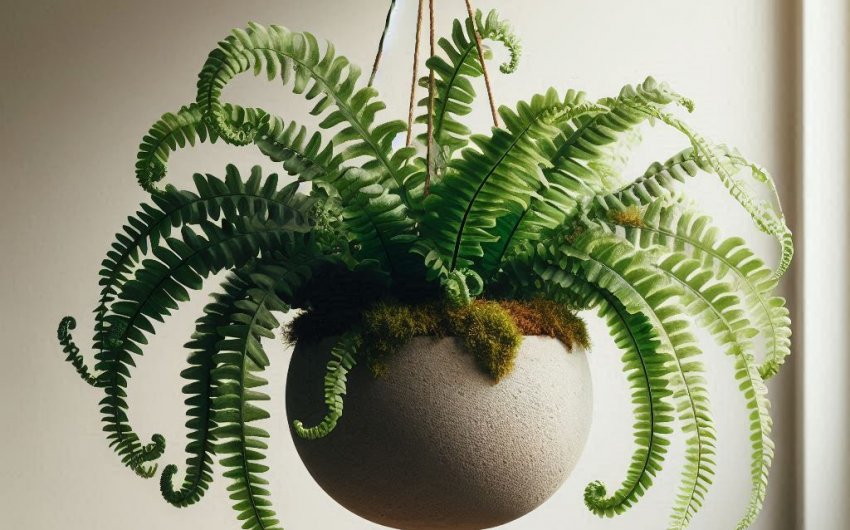
Seeing curling leaves on your Boston fern can be quite alarming for any plant enthusiast. This common issue often signals that your beloved fern is experiencing some form of environmental stress or care imbalance. Understanding the root causes behind this leaf curling is the first step toward restoring your Boston fern to its lush, vibrant glory.
Why Are Your Boston Fern Leaves Curling?
Curling leaves on a Boston fern are almost always a distress signal. They indicate that the plant isn't getting what it needs from its environment. Let's break down the most common reasons.
Humidity Deficit:
- Explanation: Boston ferns, being tropical plants, absolutely thrive in high humidity. Their natural habitat is damp, humid forests. When the air around them is too dry, their delicate fronds (leaves) start losing moisture too quickly.
- How it Looks: The leaves will curl inward, sometimes appearing crispy or brittle at the edges. They are trying to reduce the surface area exposed to dry air to conserve moisture.
- Common Causes: This is especially common in indoor environments, particularly during winter when heating systems dry out the air, or in naturally arid climates.
Underwatering:
- Explanation: When a Boston fern doesn't receive enough water, its cells begin to lose turgor (internal pressure), causing the fronds to wilt and curl as a protective mechanism to reduce water loss.
- How it Looks: Leaves will droop and curl, often feeling limp. The soil will likely be dry to the touch. You might also see browning on the frond tips or edges.
- Key Indicator: The top inch or two of the soil will feel completely dry.
Overwatering (Leading to Root Issues):
- Explanation: While less common than underwatering for curling, consistently soggy soil leads to root rot. Damaged roots can't absorb water effectively, causing the plant to exhibit symptoms similar to underwatering, including curling and wilting.
- How it Looks: Leaves might curl and turn yellow, then brown. The soil will feel constantly wet, and there might be a musty smell from the pot.
- Distinguishing Factor: Check the soil moisture. If it's constantly wet, root rot is a strong possibility, even if the leaves suggest drought.
Temperature Extremes:
Advertisement- Explanation: Boston ferns prefer stable, mild temperatures. Sudden drops or spikes in temperature, or exposure to cold drafts or intense heat, can stress the plant and cause leaves to curl.
- How it Looks: Curling might be accompanied by browning or yellowing, especially if the temperature change was severe or prolonged.
- Common Culprits: Proximity to drafty windows, air conditioning vents, heating vents, or even very cold walls can cause localized temperature stress.
Excessive Light Exposure:
- Explanation: Boston ferns prefer bright, indirect light. Direct sunlight, especially harsh afternoon sun, can scorch their delicate fronds, leading to a protective curling action.
- How it Looks: Leaves will curl away from the light source and may develop bleached or yellow patches, eventually turning brown and crispy.
- Relocation Need: If your fern is in a spot with direct sun, this is a likely cause.
Nutrient Deficiencies or Excesses:
- Explanation: While less frequent as a primary cause of immediate curling, severe nutrient imbalances can weaken the plant, making it more susceptible to stress and sometimes leading to abnormal growth or leaf deformities.
- How it Looks: Curling might be combined with overall pale foliage (deficiency) or burnt tips (excess).
- Long-Term Issue: This is usually a chronic issue from improper fertilizing practices over time.
By carefully observing your fern's environment and recent care routine, you can usually pinpoint the reason for curling leaves on your Boston fern.
How Can You Fix Humidity Issues for Your Fern?
Addressing low humidity is one of the most critical steps when you see curling leaves on your Boston fern. These plants simply cannot thrive in dry air. Here are several effective ways to boost humidity around your plant.
1. Misting
- Technique: Use a fine-mist spray bottle filled with distilled or filtered water. Mist your Boston fern once or twice daily, especially in the morning.
- Why it Helps: Misting temporarily increases the humidity immediately around the fronds.
- Caution: While helpful, misting alone might not be enough for very dry environments, as the effect is short-lived. Avoid misting so heavily that water drips from the leaves or sits in the crown, as this can encourage fungal issues. A fine mist spray bottle works best.
2. Humidity Trays
- Technique: Place a tray or saucer larger than your pot under the fern. Fill the tray with pebbles or decorative stones and add water until it just reaches the top of the pebbles, but without the pot sitting directly in the water.
- Why it Helps: As the water evaporates from the tray, it creates a localized pocket of humidity around the plant. The pebbles prevent the pot from sitting in standing water, which could lead to root rot.
- Maintenance: Refill the water as it evaporates. This is a more consistent solution than misting. You can find pebble trays for plants online.
3. Grouping Plants
- Technique: Place your Boston fern near other humidity-loving plants.
- Why it Helps: Plants naturally release moisture into the air through a process called transpiration. When grouped together, they create a mini-microclimate of elevated humidity.
- Selection: Choose other plants that also prefer high humidity, like other ferns, peace lilies, or calatheas.
4. Using a Humidifier
- Technique: This is the most effective and consistent method for increasing ambient humidity, especially in dry homes. Place a humidifier near your Boston fern.
- Why it Helps: A humidifier actively releases moisture into the air, benefiting not just your fern but also potentially other plants and even your own comfort.
- Types: Both cool mist humidifiers and warm mist humidifiers work. Cool mist is generally safer and doesn't affect room temperature. Look for a room humidifier for plants with a humidistat for automatic control.
- Recommendation: Aim for a humidity level of 50-70% for Boston ferns. A humidity monitor can help you keep track.
5. Bathroom Environment
- Technique: If feasible, consider placing your Boston fern in a bathroom with a shower.
- Why it Helps: Bathrooms naturally experience high humidity from showers and baths, providing an ideal environment for ferns.
- Considerations: Ensure the bathroom also receives adequate indirect light.
By implementing one or more of these strategies, you can significantly improve the humidity levels around your Boston fern, helping to alleviate the stress causing curling leaves on your Boston fern and promoting lush, healthy growth.
How Do You Water a Boston Fern Correctly?
Improper watering is a leading cause of curling leaves on your Boston fern. Getting the balance right – not too much, not too little – is crucial for their health.
1. Check Soil Moisture Regularly
- Method: The best way to know when to water is to feel the soil. Insert your finger about an inch or two into the soil.
- When to Water: If the soil feels dry to the touch at that depth, it's time to water. If it still feels moist, wait a few more days and check again.
- Consistency: Do this every few days, as watering frequency will change with seasons, temperature, and humidity levels.
2. Use the Right Technique for Thorough Watering
- Saturation: When you do water, water thoroughly until you see water draining from the bottom of the pot. This ensures that the entire root ball gets hydrated.
- Drainage: Make sure your pot has drainage holes. A pot without drainage will lead to soggy soil and eventually root rot, which can also cause leaf curling.
- Slow Pour: Water slowly around the base of the plant to allow the soil to absorb the water rather than having it run straight through. You can use a long spout watering can for precision.
- Avoid Standing Water: Empty any excess water that collects in the saucer after about 15-20 minutes. Allowing the pot to sit in standing water will lead to root rot.
3. Consider Water Quality
- Chlorine and Fluoride: Boston ferns can be sensitive to chemicals like chlorine and fluoride found in tap water. These can cause brown tips on fronds and overall stress.
- Solutions:
- Let Water Sit: Fill your watering can and let the water sit out for at least 24 hours. This allows chlorine to dissipate.
- Filtered Water: Use filtered water (from a water filter pitcher or tap filter) or rainwater if available.
4. Adjust Watering for Seasons
- Spring and Summer (Growing Season): Boston ferns are actively growing during these warmer months and will need more frequent watering. Check the soil every 2-3 days.
- Fall and Winter (Dormancy/Slower Growth): As growth slows down and light levels decrease, your fern will need less water. Reduce frequency, checking the soil less often, perhaps every 4-7 days or even longer, depending on your indoor environment.
- Environmental Factors: Always consider your home's temperature and humidity. A warmer, drier room will require more frequent watering than a cooler, more humid one.
5. Signs of Underwatering vs. Overwatering
| Symptom | Underwatering | Overwatering (Root Rot) |
|---|---|---|
| Leaf Curling | Yes, often crispy, dry, and drooping | Yes, sometimes accompanied by yellowing and wilting |
| Leaf Appearance | Dry, brittle, browning tips/edges | Yellowing, browning, mushy stems/roots, possible blackening |
| Soil Feel | Bone dry throughout the top inches | Constantly soggy, possibly foul-smelling |
| Plant Vigor | Limp, dull, little new growth | Stunted growth, generally unhealthy appearance |
| Corrective Action | Water thoroughly, improve humidity | Repot with fresh soil, trim rotten roots, improve drainage |
Mastering the art of watering is fundamental to preventing and resolving curling leaves on your Boston fern, ensuring it remains healthy and vibrant.
Where is the Best Place to Put Your Boston Fern?
The placement of your Boston fern significantly impacts its health, and an incorrect spot can quickly lead to curling leaves on your Boston fern. Consider light, temperature, and drafts when choosing its ideal home.
1. Light Requirements
- Bright, Indirect Light is Key: Boston ferns thrive in bright, but indirect, light. This means a spot where they receive plenty of ambient light but are never hit by direct sunbeams, especially the harsh afternoon sun.
- Ideal Locations:
- A few feet away from a north-facing window.
- In an east-facing room, near a window where it gets gentle morning sun, then indirect light for the rest of the day.
- A south or west-facing room, but positioned far enough away from the window (e.g., across the room) so the light is diffused, or behind a sheer curtain.
- Signs of Too Much Light: If your fern is getting too much light, in addition to curling, the fronds might look bleached, yellow, or have crispy, brown spots.
- Signs of Too Little Light: While less likely to cause curling, too little light will result in leggy, sparse growth, and a dull green color.
2. Temperature Stability
- Ideal Range: Boston ferns prefer consistent temperatures between 65°F and 75°F (18°C - 24°C). They are not tolerant of extremes.
- Avoid Fluctuations:
- Drafts: Keep your fern away from drafty windows, exterior doors, or air conditioning vents. Sudden blasts of cold air can cause rapid leaf curling and browning.
- Heat Sources: Similarly, avoid placing them directly next to heating vents, radiators, fireplaces, or heat-generating appliances, as these create very dry and hot air that will quickly damage the fronds.
- Nighttime Drop: While a slight dip in temperature at night is fine, avoid rooms where temperatures consistently drop below 55°F (13°C).
3. Consider Humidity in Placement
- Naturally Humid Areas: As discussed, bathrooms (if they have adequate light) are often excellent spots due to the high humidity from showers. Kitchens can also offer slightly higher humidity than other rooms.
- Proximity to Humidifiers/Pebble Trays: If you're using a humidifier or pebble tray, ensure the fern is close enough to benefit from the increased moisture.
4. Space and Air Circulation
- Ample Space: Boston ferns can grow quite large and bushy. Give them enough space so their fronds aren't constantly brushing against walls or other objects, which can damage them.
- Good Airflow: While they love humidity, good air circulation (not drafts!) is important to prevent fungal diseases that can thrive in stagnant, humid conditions. Don't place them in an overly enclosed space.
By carefully selecting a location that provides consistent bright, indirect light, stable temperatures, and high humidity, you can create an optimal environment for your Boston fern, significantly reducing the chances of curling leaves on your Boston fern and promoting vigorous, healthy growth.
How Do You Fertilize a Boston Fern?
While less likely to be the primary cause of sudden curling leaves on your Boston fern, improper fertilization can contribute to overall plant stress, making it more vulnerable to other issues. Getting the fertilization routine right is part of a holistic approach to fern care.
1. Fertilize During Growing Season Only
- When to Fertilize: Only fertilize your Boston fern during its active growing season, which is typically spring and summer. During this time, the plant is putting out new growth and needs additional nutrients.
- When to Stop: Do not fertilize in fall and winter when the plant's growth naturally slows down or goes dormant. Fertilizing during these periods can lead to salt buildup in the soil, which can burn the roots and stress the plant.
2. Choose the Right Fertilizer
- Type: Boston ferns are not heavy feeders. They prefer a balanced, water-soluble liquid fertilizer. Look for a fertilizer specifically formulated for houseplants or foliage plants.
- Nutrient Ratio: A balanced ratio like 20-20-20 or 10-10-10 (Nitrogen-Phosphorus-Potassium) is generally suitable. Some prefer a fertilizer slightly higher in nitrogen for lush green foliage, such as a liquid houseplant fertilizer.
- Avoid Granular/Spikes: Avoid slow-release granular fertilizers or spikes unless they are specifically designed for ferns and houseplant pots, as they can lead to uneven nutrient distribution and potential burning.
3. Dilute Your Fertilizer
- Fern Sensitivity: Boston ferns are very sensitive to over-fertilization. It's much better to under-fertilize than to over-fertilize.
- Dilution Rate: Always dilute the liquid fertilizer to at least half or even quarter strength of what the package recommends. Some experts even suggest one-eighth strength for every feeding.
- Why Dilute: This prevents nutrient burn, which can manifest as crispy, brown leaf tips and edges, potentially contributing to the curling problem.
4. Fertilization Frequency
- Conservative Approach: Given their sensitivity, fertilize sparingly.
- Suggested Frequency:
- Once a month during the growing season (spring and summer) at half strength.
- Or, every other watering at quarter strength during the growing season.
- Observe Your Plant: If your fern is growing well and looks vibrant, you might even skip a feeding or two. If it appears to be struggling or showing signs of nutrient deficiency (like overall pale color and slow growth), then consider a diluted feed.
5. Water Before Fertilizing
- Moist Soil: Always water your fern thoroughly before applying fertilizer. Applying fertilizer to dry soil can cause severe root burn, as the concentrated nutrients can directly damage the roots without adequate moisture to dilute them.
- Method: Water until it drains from the bottom, then wait about 15-30 minutes for the excess to drain before applying your diluted fertilizer solution.
6. Signs of Over-Fertilization
- Crispy Leaf Tips/Edges: This is a very common sign of too much fertilizer, often resembling browning from underwatering or dry air.
- Yellowing Fronds: Overall yellowing can occur, especially of older leaves.
- Slowed Growth: Paradoxically, too much fertilizer can inhibit growth.
- White Crust on Soil: A white, powdery crust on the soil surface or pot rim is a strong indicator of salt buildup from excess fertilizer.
If you suspect over-fertilization, flush the soil thoroughly with plain water several times to wash out excess salts. Then, adjust your fertilization schedule and dilution. By being mindful and conservative with your fertilization, you can support your fern's health without causing additional stress or leading to curling leaves on your Boston fern.
What Pests and Diseases Affect Boston Ferns?
While environmental issues are the most common cause of curling leaves on your Boston fern, pests and diseases can also contribute to plant stress and leaf deformities. Knowing what to look for can help you intervene quickly.
1. Common Pests
Pests feed on plant sap, weakening the fern and causing distortion, yellowing, and sometimes curling of leaves.
- Spider Mites:
- Appearance: Tiny, almost microscopic pests that create fine webbing, usually on the undersides of leaves and in the crooks of stems. You might see tiny red, brown, or black dots.
- Damage: Leaves develop tiny yellow or stippled dots, and eventually curl, turn brown, and drop off. They thrive in dry conditions.
- Treatment: Increase humidity, spray the plant thoroughly with a strong stream of water (especially undersides), or use an insecticidal soap. Neem oil can also be effective.
- Mealybugs:
- Appearance: Small, soft-bodied insects covered in a white, cottony or waxy substance, often found in leaf axils (where the leaf meets the stem) and along veins.
- Damage: Leaves may yellow, wilt, curl, and develop a sticky residue called "honeydew," which can lead to black sooty mold.
- Treatment: Dab individual mealybugs with a cotton swab dipped in rubbing alcohol. For heavier infestations, use insecticidal soap or neem oil.
- Scale Insects:
- Appearance: Small, oval-shaped bumps (brown, black, or reddish) that are stationary and adhere tightly to stems and leaves. They can look like part of the plant.
- Damage: Similar to mealybugs, they suck sap, causing yellowing, stunted growth, leaf curling, and honeydew production.
- Treatment: Physically scrape off scale with a fingernail or old toothbrush. Apply rubbing alcohol to individual insects. For severe cases, use insecticidal soap or neem oil.
2. Fungal Diseases
Fungal issues typically arise from overly wet conditions, poor air circulation, or contaminated soil, sometimes leading to leaf browning, yellowing, and collapse rather than just curling.
- Root Rot:
- Cause: Primarily caused by overwatering and poor drainage. Roots drown, die, and become susceptible to fungal pathogens.
- Symptoms: Leaves yellow, wilt, droop, and may curl, even though the soil is wet. The plant looks like it's underwatered. Roots will be black and mushy, often with a foul odor.
- Treatment: Remove the plant from its pot, trim off all black, mushy roots with sterilized scissors. Repot in fresh, well-draining potting mix. Adjust watering habits immediately. Ensure the pot has proper drainage holes.
- Leaf Spot Diseases:
- Cause: Various fungi can cause leaf spots, often favored by high humidity combined with poor air circulation or water sitting on leaves for too long.
- Symptoms: Circular or irregular spots appear on the leaves, often brown, black, or yellow, sometimes with a halo. Severe infections can lead to leaf yellowing and dieback.
- Treatment: Improve air circulation around the plant. Water at the base of the plant, avoiding wetting the foliage. Remove and discard affected leaves. In severe cases, a fungicide for houseplants might be needed.
3. General Pest and Disease Management Tips
- Regular Inspection: Routinely examine your Boston fern (especially the undersides of leaves) for any signs of pests or disease. Early detection makes treatment easier.
- Quarantine New Plants: Isolate new plants for a few weeks before introducing them to your existing collection to prevent the spread of pests.
- Cleanliness: Keep your plant and its surroundings clean. Remove any fallen leaves or debris from the pot.
- Proper Care: A healthy, well-cared-for plant is more resilient to pests and diseases. Ensuring proper watering, light, and humidity goes a long way.
While less common than environmental factors, identifying and treating pests or diseases is a crucial step if you're trying to figure out how to fix curling leaves on your Boston fern.
When Should You Repot Your Boston Fern?
Repotting can sometimes be necessary if you're battling curling leaves on your Boston fern, especially if root health or soil conditions are compromised. However, ferns generally prefer to be a bit root-bound, so don't rush into it.
1. Signs Your Fern Needs Repotting
- Roots Growing Out of Drainage Holes: This is the most obvious sign that your fern has outgrown its current pot and needs more space.
- Roots Circling the Pot: If you gently remove the fern from its pot, and you see a dense mat of roots circling the inside of the pot, it's root-bound.
- Water Runs Right Through: If water seems to pass straight through the soil without being absorbed, the soil might be compacted and full of roots, leaving no room for water retention.
- Stunted Growth: If your fern's growth has significantly slowed down despite proper watering and feeding, it might be running out of room or nutrients in its current pot.
- Soil Degradation: Over time, potting mix can break down, lose its structure, and become less effective at providing aeration and drainage. This can contribute to curling leaves on your Boston fern by leading to poor water absorption or root rot. If the soil looks tired, crumbly, or perpetually wet, it might be time for fresh soil.
- Root Rot (Emergency Repotting): If you suspect root rot, emergency repotting is necessary. This involves cleaning roots, trimming diseased parts, and replanting in fresh, dry soil.
2. Choosing the Right Pot
- Slightly Larger: When repotting, choose a pot that is only one size larger (e.g., from a 6-inch to an 8-inch pot). Ferns like to be snug; a pot that is too large will hold too much moisture, increasing the risk of overwatering and root rot.
- Drainage Holes: Always, always use a pot with adequate drainage holes at the bottom. This is non-negotiable for fern health.
- Material:
- Plastic Pots: Retain moisture longer, which can be good for ferns, but requires careful watering to avoid overwatering. Lighter and easier to move.
- Terracotta Pots: Porous material that allows excess moisture to evaporate more quickly. Good for those prone to overwatering, but might require more frequent watering for the fern. Heavier.
3. Choosing the Right Potting Mix
- Well-Draining and Aerated: Boston ferns need a potting mix that drains well yet retains some moisture.
- Ideal Mix Components: Look for a mix that contains a good balance of:
- Peat Moss or Coco Coir: For moisture retention.
- Perlite or Vermiculite: For aeration and drainage.
- Compost or Bark Fines: For nutrients and organic matter.
- Avoid Heavy Garden Soil: Never use heavy garden soil, which compacts easily and lacks drainage. A good quality houseplant potting mix is usually sufficient, or you can make your own.
4. Step-by-Step Repotting Process
- Gather Supplies: New pot, fresh potting mix, clean pruning shears (if needed), gloves.
- Prepare the New Pot: Place a small layer of fresh potting mix at the bottom of the new pot. Do NOT add rocks or drainage layers, as this creates a perched water table, hindering drainage.
- Remove the Fern: Gently tilt the old pot and ease the fern out. If it's stuck, you might need to run a knife around the inside edge or gently squeeze the pot (if plastic).
- Inspect Roots: Carefully loosen any circling roots at the bottom. Trim off any black, mushy, or foul-smelling roots (signs of root rot) with clean shears. You can also prune back about 1/4 to 1/3 of the older, thicker roots if the root ball is very dense.
- Position the Fern: Place the fern in the new pot, ensuring the top of the root ball is at the same level as it was in the old pot, or slightly below the rim of the new pot to allow for watering.
- Add Soil: Fill around the root ball with fresh potting mix, gently tamping it down to remove large air pockets, but avoid compacting it too tightly.
- Water Thoroughly: Water the fern immediately after repotting until water drains from the bottom. This helps settle the soil and rehydrate the plant.
- Post-Repotting Care: Place the newly repotted fern in a slightly shadier spot than usual for about a week to help it recover from the shock. Avoid fertilizing for at least 4-6 weeks to allow the roots to settle into the new soil.
Repotting is a stressor, so choose the right time (spring or early summer during active growth) and do it only when necessary. With proper technique, repotting can significantly aid in resolving issues like curling leaves on your Boston fern by providing fresh nutrients and better growing conditions.