
How to Repair Lawn Damage from Foot Traffic?
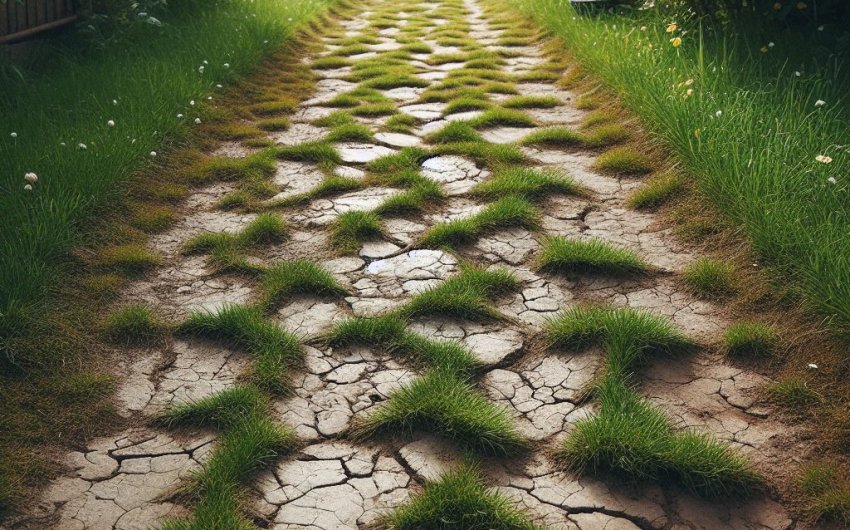
Heavy use of your lawn can quickly lead to unsightly issues. Understanding how to repair lawn damage from foot traffic is a common concern for homeowners whose vibrant green spaces have been worn down by regular walking, playing, or even just repeated shortcuts. While grass is resilient, persistent foot traffic compacts the soil, damages individual blades, and ultimately creates bare, hard-packed paths. Fortunately, with the right techniques and a bit of effort, you can restore your lawn to its former lush glory and implement strategies to prevent future wear.
Why Does Foot Traffic Damage Lawns?
To effectively address lawn damage from foot traffic, it's crucial to understand the underlying reasons why grass struggles and eventually dies in heavily used areas. It's more than just simply being "stepped on."
Soil Compaction:
- Explanation: This is the primary and most destructive effect of repeated foot traffic. Each step compresses the soil particles, pushing them closer together.
- Impact:
- Reduced Pore Space: Compaction drastically reduces the vital air pockets (pore space) within the soil. Grass roots, like all living things, need oxygen to breathe and function properly. Lack of oxygen can literally suffocate the roots.
- Poor Water Penetration: Water struggles to infiltrate compacted soil. Instead of soaking in, it tends to run off, leaving the grass thirsty even after rain or irrigation.
- Restricted Root Growth: Hardened, compacted soil acts as a physical barrier, making it very difficult for grass roots to grow and spread deeply. Shallow roots make the grass highly vulnerable to drought and heat stress.
- Nutrient Lock-up: Nutrient uptake is also hindered in compacted soil because roots can't properly absorb them, and beneficial soil microbes (which help make nutrients available) are stifled by lack of oxygen.
Damage to Grass Blades and Crowns:
- Explanation: While individual steps might not immediately kill a grass plant, constant crushing and tearing from foot traffic damages the actual grass blades. The crown (the growth point of the grass plant, located at or just below the soil surface) can also be bruised or crushed.
- Impact:
- Physical Injury: Repeated walking can wear down the blades, causing them to fray, split, or be completely removed. This creates an open wound on the plant, making it susceptible to disease and stress.
- Growth Inhibition: If the crown is repeatedly damaged, the plant's ability to produce new blades or repair itself is severely compromised, leading to thinning turf or bare patches.
- Weed Invasion: Damaged, thinning grass leaves open ground for opportunistic weeds that are often more tolerant of compacted soil and stress.
Increased Evaporation and Drought Stress:
- Explanation: In heavily trafficked areas, the exposed soil (once the grass is gone) is directly subjected to sun and wind.
- Impact: This leads to rapid water evaporation from the soil surface. Even if adjacent areas are moist, the compacted, exposed spots will dry out quickly, exacerbating drought stress on any remaining grass.
Reduced Microbial Activity:
Advertisement- Explanation: The beneficial microorganisms in the soil that break down organic matter and make nutrients available to plants require oxygen. Compaction reduces this oxygen.
- Impact: A decline in microbial activity means the soil becomes less healthy, nutrient cycling slows down, and the overall vitality of the turf decreases.
Understanding these intertwined effects of lawn damage from foot traffic helps explain why repairing these areas requires a multi-pronged approach, starting with addressing the underlying soil compaction.
How Do You Prepare the Damaged Area for Repair?
Effective repair of lawn damage from foot traffic begins with thorough preparation of the affected areas. Simply throwing down seed won't work if the underlying soil issues aren't addressed first.
Clear Debris and Assess the Damage:
- Remove Loose Material: Rake away any dead grass, leaves, stones, or other debris from the bare or thinning patches. This provides a clean slate for repair.
- Assess Compaction: Try to insert a screwdriver or a small stick into the soil in the damaged area. If it's extremely difficult to push in, you have significant soil compaction. This is the primary problem to solve.
- Identify Traffic Patterns: Observe how people are walking across your lawn. Are they taking shortcuts? Are there concentrated play areas? Understanding the source helps with prevention.
Aerate the Compacted Soil:
- Purpose: To alleviate soil compaction, allowing air, water, and nutrients to penetrate the root zone and giving grass roots room to grow. This is the most critical step for lawn damage from foot traffic.
- Methods:
- Core Aerator (Recommended for larger areas or severe compaction): This machine (rentable from home improvement stores or equipment rental centers) removes small plugs of soil, creating channels for air and water. This is by far the most effective method for true compaction. A core aerator machine can cover large spaces.
- Spike Aerator (for small, isolated spots): A manual tool that creates holes by pushing spikes into the ground. While it doesn't remove soil, it can provide some temporary relief for very small areas. However, it can sometimes exacerbate compaction by simply pushing soil particles closer together. A manual spike aerator is good for tight spots.
- Garden Fork: For very small, targeted areas, you can push a garden fork deep into the soil and gently wiggle it back and forth to loosen it.
- Timing: Aerate when the soil is slightly moist (not soggy or bone dry). This makes penetration easier.
Amend the Soil with Organic Matter:
- Purpose: To improve soil structure, enhance drainage and water retention, and provide a slow-release source of nutrients. Organic matter helps resist future compaction.
- Materials: Spread a layer (1/2 to 1 inch) of good quality compost or screened topsoil over the aerated area. You can buy organic lawn topdressing compost.
- Work In: Gently rake the compost or topsoil into the aerated holes and over the bare patches. You want it to mix with the existing soil.
Level the Area (if necessary):
- Address Depressions: If foot traffic has created noticeable depressions or uneven spots, use the newly added compost/topsoil to fill and level these areas. This ensures a smooth, even surface for new grass growth.
By diligently performing these preparatory steps, you create the optimal conditions for new grass to establish and thrive, laying the essential groundwork for repairing lawn damage from foot traffic.
How Do You Repair Bare Patches Caused by Foot Traffic?
Once the damaged areas are prepared, the next step in fixing lawn damage from foot traffic is to actively repair the bare patches. This involves either seeding or sodding, depending on the severity and desired speed of repair.
Method 1: Seeding Bare Patches
Seeding is generally the most cost-effective method for repairing bare patches.
Choose the Right Grass Seed:
- Match Existing Lawn: Ideally, choose a grass seed that matches your existing lawn type for a uniform appearance.
- Sunlight Conditions: If the area receives intense sun, choose a more heat and drought-tolerant variety. If it's a mix of sun and shade, a versatile blend or a shade-tolerant variety (if shade is predominant) might be better.
- Quality: Buy high-quality seed that is fresh and has a good germination rate. Look for mixes designed for "patch repair" or "high traffic." A lawn repair mix often includes seed, fertilizer, and mulch.
Apply Grass Seed:
- Rate: Spread the grass seed evenly over the prepared bare patches. Follow the seed package's recommended coverage rate for overseeding or bare patch repair (which is usually higher than for new lawn establishment).
- Tools: For small patches, hand-spreading works. For larger areas, a small handheld seed spreader can ensure even distribution.
Cover the Seed:
- Light Cover: After spreading the seed, lightly rake it into the top 1/8 to 1/4 inch of soil. This ensures good seed-to-soil contact, which is essential for germination.
- Topdressing (Optional but Recommended): Cover the seeded area with a very thin layer (1/8 inch) of seed-starting mix, straw, or peat moss. This helps retain moisture, prevents seeds from washing away, and protects them from birds. A specialized lawn repair patch product often includes these elements.
Critical Watering for Germination:
- Consistent Moisture: This is the most crucial step for successful seeding. The newly sown seeds must be kept consistently moist (not soggy!) until they germinate and are several inches tall.
- Frequency: This often means light watering 2-3 times a day, depending on temperatures and sunlight. Do not let the seed bed dry out. Use a gentle sprinkler or mist setting to avoid washing away seeds. A oscillating sprinkler with gentle spray can work.
Method 2: Sodding Bare Patches
Sodding offers instant results but is more expensive.
Prepare the Area: Ensure the bare patch is completely clear of old grass/weeds, aerated, and leveled as described in the preparation section.
Obtain Fresh Sod:
- Measure: Accurately measure the bare patch to determine how much sod you need. Add a little extra for cutting.
- Timeliness: Order fresh sod just before you plan to lay it. Sod should be laid within 24 hours of delivery.
Lay the Sod:
- Placement: Lay the pieces of sod tightly against each other, staggering the seams like bricks. Avoid overlapping.
- Cut to Fit: Use a utility knife or sharp spade to cut sod pieces to fit the contours of your bare patch.
- Press Down: Gently press or roll the sod firmly onto the prepared soil to ensure good contact between the sod and the underlying soil. This eliminates air pockets and promotes rooting. A lawn roller can be used for larger areas.
Water Sod Thoroughly:
- Immediate and Deep: Water the newly laid sod immediately and very deeply. The goal is to soak the sod and the soil underneath.
- Consistent Moisture: Keep the sod consistently moist for the first 2-3 weeks, or until it has rooted into the underlying soil. Lift a corner to check for new white roots growing down. This typically means watering daily or even twice a day, depending on the weather.
Regardless of your chosen method, minimizing foot traffic on the newly repaired areas is crucial to allow the grass to establish itself firmly and fully heal from lawn damage from foot traffic.
How Can You Prevent Future Lawn Damage from Foot Traffic?
Repairing lawn damage from foot traffic is effective, but preventing its recurrence is key for long-term lawn health. Proactive strategies can redirect traffic and strengthen your turf's resilience.
Redesign Traffic Patterns with Pathways:
- Identify Problem Areas: Observe where people (and pets) naturally walk, especially shortcuts. These "desire lines" are prime candidates for damage.
- Install Hardscaped Paths: The most effective long-term solution. Install a permanent pathway using materials like:
- Pavers or Stepping Stones: Durable, aesthetically pleasing, and easy to install. You can use concrete stepping stones.
- Gravel: Economical and easy to install, but can migrate over time. Requires an edging.
- Wood Chips/Mulch: A more natural, softer option, but requires replenishment. A bag of wood chip mulch can define a path.
- Fencing/Barriers: Use low fences, garden edging, or even decorative planters to gently direct foot traffic away from vulnerable lawn areas towards designated paths. A decorative garden fence can be effective.
Improve Overall Lawn Health and Resilience:
- Choose Traffic-Tolerant Grass: If you frequently experience heavy foot traffic, consider overseeding or establishing your lawn with more durable grass types.
- Cool-Season: Tall Fescue (turf-type varieties) and Perennial Ryegrass offer better traffic tolerance than Kentucky Bluegrass or Fine Fescues.
- Warm-Season: Bermuda Grass and Zoysia Grass are known for their exceptional durability and ability to recover from traffic.
- Regular Aeration: Continue to aerate your entire lawn (especially high-traffic areas) annually to prevent re-compaction and maintain healthy soil.
- Topdressing with Organic Matter: Annually apply a layer of compost to improve soil structure, increase resilience, and support vigorous grass growth.
- Optimal Mowing Height: Continue to mow at the highest recommended height for your grass type. Taller blades absorb more impact and promote deeper roots.
- Choose Traffic-Tolerant Grass: If you frequently experience heavy foot traffic, consider overseeding or establishing your lawn with more durable grass types.
Manage Pet Traffic:
- Designated "Potty" Areas: Train pets to use a specific, non-lawn area for their bathroom needs (e.g., a mulched spot, gravel area).
- Dog Runs: Consider installing a dedicated dog run using durable materials like gravel, decomposed granite, or artificial turf, to protect your main lawn area. You can find artificial turf rolls for pets.
- Walks: Take dogs for walks outside the lawn area to relieve themselves.
Rotate Play/Activity Areas:
- Shifting Zones: If you have children or frequent outdoor games, try to shift play areas periodically to give grass a chance to recover.
- Temporary Barriers: Use temporary barriers like cones or rope to mark off resting zones for your lawn.
Educate and Communicate:
- Signage (Gentle): For persistent shortcuts, subtle "Please Use Path" signs can sometimes be effective.
- Family Communication: Talk to family members about avoiding shortcuts and using designated paths.
By combining these preventative strategies, you can minimize the recurrence of lawn damage from foot traffic and maintain a beautiful, healthy turf that stands up to regular use.
What Are Common Mistakes to Avoid When Repairing Lawn Damage from Foot Traffic?
Attempting to repair lawn damage from foot traffic without understanding common pitfalls can lead to wasted effort and continued frustration. Avoiding these mistakes ensures your repair efforts are successful and long-lasting.
Ignoring Soil Compaction:
- Mistake: Simply raking a bare spot and throwing down new grass seed or sod without addressing the underlying compacted soil.
- Why it Fails: New roots cannot penetrate compacted soil, and water will run off instead of soaking in. The new grass will either fail to germinate, struggle to grow, or quickly succumb to stress once traffic resumes.
- The Fix: Always aerate the damaged area first, then amend with compost or topsoil before seeding or sodding. This is the most critical step for success.
Improper Watering of New Seed/Sod:
- Mistake: Watering new grass seed or sod deeply but only once, or watering too heavily causing runoff. Or, conversely, not watering enough and allowing the seed/sod to dry out.
- Why it Fails: Seeds need continuous moisture to germinate; once they sprout, they are incredibly fragile and will die if they dry out. Sod needs daily, deep watering to establish new roots.
- The Fix:
- Seed: Water lightly 2-3 times a day (or more in hot weather) to keep the top 1/2 inch of soil consistently moist until grass is several inches tall.
- Sod: Water deeply daily (or twice daily in hot weather) for the first 2-3 weeks, until roots are established.
Applying Seed/Sod at the Wrong Time of Year:
- Mistake: Trying to seed or sod in mid-summer's heat or mid-winter's cold.
- Why it Fails: Extreme temperatures stress new grass, leading to poor germination rates, increased disease susceptibility, or failure to establish.
- The Fix:
- Cool-Season Grasses: Best times are early fall (ideal) or early spring.
- Warm-Season Grasses: Best times are late spring to early summer, when temperatures are consistently warm.
Allowing Immediate Foot Traffic on Repaired Areas:
- Mistake: Repairing a patch and then allowing people, children, or pets to immediately walk or play on it.
- Why it Fails: New grass (especially seedlings) is extremely delicate. Foot traffic will crush tender sprouts, dislodge seeds, or prevent new sod roots from anchoring.
- The Fix: Block off repaired areas completely. Use temporary fencing, stakes and string, or caution tape. Minimize traffic for at least 3-4 weeks for seed, and 2-3 weeks for sod, or until the grass is well-established.
Using the Wrong Grass Seed/Sod for the Conditions:
- Mistake: Planting sun-loving grass in a predominantly shaded area or vice versa.
- Why it Fails: The grass will struggle to thrive due to incorrect light, moisture, or heat conditions, eventually dying out again.
- The Fix: Choose grass seed or sod that is specifically suited for the light (sun vs. shade tolerance), heat, and moisture conditions of the repair area.
Ignoring the Root Cause (Traffic Pattern):
- Mistake: Repeatedly repairing the same bare spot without addressing why it's getting damaged (e.g., a popular shortcut).
- Why it Fails: The damage will simply reappear, turning into a never-ending cycle of repair.
- The Fix: For persistent trouble spots, consider altering the traffic pattern permanently by installing a pathway (stepping stones, gravel, pavers) or a physical barrier (low fence, shrubs) to redirect traffic away from the vulnerable lawn.
By consciously avoiding these common mistakes, your efforts to repair lawn damage from foot traffic will be far more effective, leading to a healthier, more resilient, and beautiful lawn.