
Tips for Managing Leaf Spot Disease in Lawns
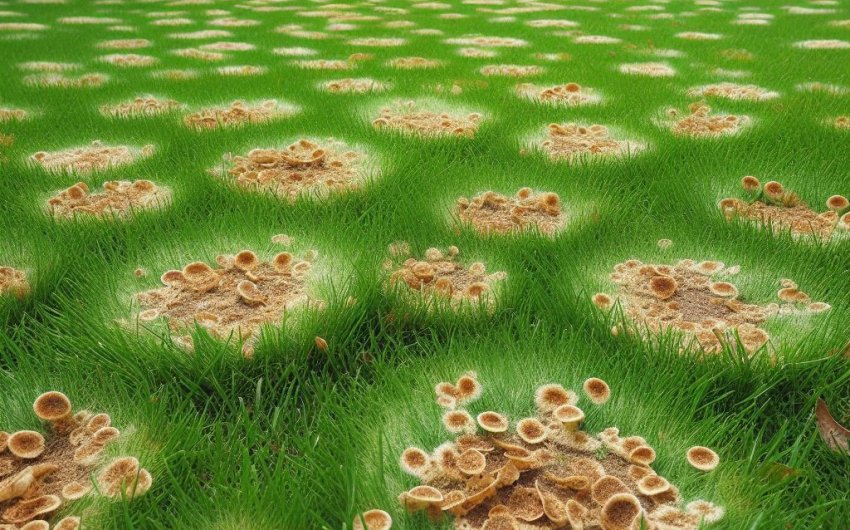
Discovering unsightly blemishes on your once-pristine turf can be a disheartening experience for any homeowner striving for a lush landscape. When confronted with these tell-tale signs, understanding essential tips for managing leaf spot disease in lawns becomes crucial. This comprehensive guide will illuminate the causes, identification, and proactive strategies to combat this common fungal adversary, ensuring your grass remains resilient and vibrant throughout the seasons.
What is leaf spot disease in lawns?
Before diving into management strategies, it's vital to understand what leaf spot disease in lawns entails. It's a common fungal turfgrass disease that can affect various types of grasses, leading to unsightly blemishes and, in severe cases, significant thinning or death of the lawn.
What causes leaf spot disease?
Leaf spot is primarily caused by several different types of fungi, with Bipolaris and Drechslera species being among the most common culprits. These fungi are always present in most soils, waiting for the right conditions to become active and cause disease.
What conditions favor leaf spot development?
The fungi that cause leaf spot thrive under specific environmental conditions:
- Prolonged leaf wetness: This is the most critical factor. When grass blades remain wet for extended periods (typically 10-14 hours or more), it creates an ideal environment for fungal spores to germinate and infect the plant. This can be due to:
- Frequent, light watering that doesn't allow grass to dry.
- Watering in the evening or at night.
- Heavy dew.
- Poor air circulation (e.g., in shady, sheltered areas).
- Moderate temperatures: Leaf spot typically thrives in temperatures between 50°F and 80°F (10°C to 27°C). However, the specific optimal temperature can vary slightly depending on the fungal species.
- Stressed turf: Lawns that are already weakened or stressed are far more susceptible to leaf spot. Stress can be caused by:
- Improper mowing (e.g., scalping, dull blades).
- Nutrient deficiencies or excesses (especially too much nitrogen from quick-release fertilizers).
- Soil compaction.
- Drought stress or overwatering.
- Compacted soil: Restricts root growth and air circulation, leading to weaker grass.
- Thatch buildup: Excessive thatch can harbor fungal spores and keep moisture on the surface for longer.
What are the main symptoms of leaf spot disease?
The disease typically manifests in two main phases:
- Leaf Spot Phase:
- Small, oval-shaped spots appear on the grass blades.
- These spots are usually purplish-black or brown with a dark border and a tan or straw-colored center.
- As the disease progresses, these spots enlarge, often coalescing to cover larger portions of the blade.
- In severe cases, the entire blade can turn yellow and then brown, dying from the tip downwards.
- Melting-Out Phase (more severe):
- If environmental conditions remain favorable for the fungus, the disease progresses from the leaf blades down to the crowns and roots of the grass plants.
- This causes the grass to thin out, die in patches, and look like it's "melting out."
- Roots and crowns may appear rotted and discolored.
- The entire lawn can suffer significant decline, especially in areas with susceptible grass types.
Identifying these signs and understanding the favoring conditions is crucial for implementing effective tips for managing leaf spot disease in lawns.
How do cultural practices prevent leaf spot disease?
Adopting proactive cultural practices is the most effective and sustainable way to prevent leaf spot disease in lawns. By creating an environment that favors healthy grass over fungal growth, you significantly reduce the risk of outbreaks and enhance your lawn's natural resilience.
What are optimal watering practices?
- Water deeply and infrequently: This is the golden rule. Apply enough water to penetrate 4-6 inches into the soil. This encourages deep root growth, making the grass more drought-tolerant and less stressed.
- Allow soil to dry between waterings: Don't water again until the top 1-2 inches of soil are dry to the touch. This prevents the constant moisture that fungi love.
- Water in the early morning: This is critical. Water between 4 AM and 9 AM. This allows the grass blades to dry off completely before nightfall, minimizing the duration of leaf wetness.
- Avoid evening/night watering: Watering at night keeps the foliage wet for extended periods, creating ideal conditions for fungal spores to germinate and infect.
What are best mowing practices?
- Mow at the correct height: Raise your mower deck to the highest recommended height for your grass type (typically 2.5 to 4 inches). Taller grass shades the soil, encourages deeper roots, and is generally healthier and more resilient. Scalping (mowing too short) stresses the grass and makes it highly susceptible to disease.
- Never remove more than one-third of the blade: Removing too much at once stresses the plant. If the grass gets very long, gradually reduce its height over several mowings.
- Keep mower blades sharp: Dull blades tear and shred grass blades, creating ragged wounds that are easy entry points for fungal pathogens. Sharpen your lawn mower blades regularly.
- Leave clippings (if healthy): Grasscycling (leaving clippings on the lawn) returns nutrients. However, if your lawn is actively diseased, bag and remove the clippings to prevent spreading spores.
How does proper fertilization help?
- Balanced nutrition: Avoid over-fertilizing with nitrogen, especially in spring, as it can promote lush, tender growth that is more susceptible to leaf spot. Use a balanced fertilizer based on a soil test kit.
- Slow-release nitrogen: Opt for slow-release lawn fertilizers which provide a steady supply of nutrients, preventing sudden growth flushes.
- Timing: Fertilize cool-season grasses mostly in the fall. Fertilize warm-season grasses in late spring/early summer.
What about other cultural practices?
- Dethatching: If you have more than 1/2 inch of thatch, consider dethatching in the appropriate season for your grass type. Excessive thatch can harbor fungal spores and keep moisture on the turf surface.
- Aeration: Relieves soil compaction, improving air circulation and water penetration to the root zone, leading to healthier, more robust roots. A lawn aerator can be beneficial.
- Improve air circulation: Prune low-hanging tree branches or thin out dense shrubbery around your lawn to improve airflow and increase sunlight penetration, which helps dry out the grass blades.
By consistently implementing these sound cultural practices, you build a resilient lawn that is naturally less prone to outbreaks of leaf spot disease in lawns.
How do you choose resistant grass varieties?
Selecting the right grass type is a powerful proactive strategy in the best practices for preventing lawn stress from drought. Genetic resistance to disease can significantly reduce the likelihood and severity of leaf spot disease in lawns, making it a cornerstone of long-term management.
Why is genetic resistance important?
Different grass species and even different cultivars (varieties) within the same species have varying levels of natural resistance to specific diseases like leaf spot. Opting for resistant varieties means the grass plants are inherently better equipped to fend off fungal infections or recover from them, even when conditions are somewhat favorable for the disease.
What grass types are susceptible and resistant to leaf spot?
Susceptibility and resistance can vary by specific fungal species and environmental conditions, but here's a general guide:
| Grass Type | General Susceptibility to Leaf Spot | Notes |
|---|---|---|
| Kentucky Bluegrass | High | Many older varieties are very susceptible. Look for newer, resistant cultivars. |
| Perennial Ryegrass | Moderate to High | Can be susceptible, especially newer seedlings. |
| Tall Fescue | Moderate | Generally more tolerant than bluegrass or ryegrass, especially newer turf-type fescues. |
| Fine Fescues | Low to Moderate | Generally good resistance, but can get it in dense, shady conditions. |
| Bermudagrass | Moderate | Some cultivars are more susceptible than others, often in humid conditions. |
| Zoysiagrass | Low to Moderate | Generally good resistance. |
| St. Augustinegrass | Moderate to High (specific fungal strains) | Can be affected, look for resistant cultivars. |
How do you find resistant cultivars?
When purchasing grass seed or sod, look for packaging that specifies disease resistance. Turfgrass breeders constantly develop new cultivars with improved disease resistance.
- Read seed labels carefully: Look for terms like "resistant to Bipolaris leaf spot" or "good resistance to Drechslera leaf spot."
- Consult local resources: Your local university extension office or a reputable turfgrass specialist can provide recommendations for grass cultivars that perform well in your specific region and are known for leaf spot resistance.
- Purchase quality seed/sod: Buy from reputable suppliers who can verify the genetic makeup of their products. A high-quality grass seed mix often includes a blend of resistant varieties.
When should you overseed or reseed with resistant varieties?
- Overseeding: If your existing lawn is composed of susceptible varieties, overseeding with a blend containing resistant cultivars can gradually improve its overall resistance. Do this during the appropriate season for your grass type (fall for cool-season, late spring/early summer for warm-season).
- New lawn installation: If you're establishing a new lawn, this is your best opportunity to plant disease-resistant grass from the outset.
Choosing the right grass for your climate and focusing on disease-resistant cultivars is a fundamental long-term strategy in preventing leaf spot disease in lawns and reducing the need for chemical treatments.
When should you consider fungicides for leaf spot?
While cultural practices and resistant grass varieties are the cornerstone of managing leaf spot disease in lawns, there are situations when applying fungicides may become a necessary part of the management strategy. However, fungicides should be considered a last resort and used judiciously.
When are fungicides generally recommended?
Fungicides are typically recommended when:
- Cultural controls are insufficient: You've implemented all best practices (watering, mowing, fertilizing, aeration, improving air circulation), but the disease continues to spread or intensify.
- Disease severity is high: The lawn shows widespread and severe leaf spotting, thinning, or patches of melting-out.
- Conditions are consistently favorable for disease: You are experiencing prolonged periods of leaf wetness and moderate temperatures that are ideal for the fungus, and these conditions are outside your control (e.g., persistent rain and humidity).
- High-value turf: For golf courses, sports fields, or very high-end residential lawns where maintaining pristine turf is critical.
- Susceptible grass varieties: If your lawn is primarily composed of highly susceptible grass cultivars and the disease pressure is high.
What types of fungicides are used for leaf spot?
Fungicides for lawns come in various formulations and modes of action. It's crucial to select one effective against the specific fungi causing leaf spot (Bipolaris, Drechslera).
- Contact Fungicides: Form a protective barrier on the leaf surface. They must be applied before infection or very early in the disease cycle. Examples might include chlorothalonil.
- Systemic Fungicides: Are absorbed by the plant and move within its tissues, providing protection from the inside out. They can be more effective at controlling existing infections. Examples might include propiconazole or azoxystrobin.
- Organic/Biological Fungicides: Some natural options exist (e.g., those containing Bacillus subtilis) which can help suppress fungal growth, especially as a preventative measure.
How do you apply fungicides safely and effectively?
- Identify the disease correctly: Before applying any fungicide, be certain that leaf spot is indeed the problem. Misdiagnosis leads to wasted product and potentially harms your lawn.
- Read and follow label directions meticulously: This is paramount for safety, effectiveness, and legality. Labels provide specific instructions on:
- Application rates.
- Mixing instructions.
- Target diseases.
- Safety precautions (e.g., wearing gloves, eye protection).
- Timing of applications (preventative vs. curative).
- Reapplication intervals.
- Grass types it's safe for.
- Timing is crucial:
- Preventative: If you have a history of severe leaf spot and conditions are becoming favorable, applying a preventative fungicide before an outbreak is most effective.
- Curative: If the disease is already active, curative applications aim to halt its spread.
- Rotate fungicides: To prevent the fungus from developing resistance to a particular chemical, rotate between fungicides with different active ingredients or modes of action.
- Use appropriate equipment: Apply liquid fungicides with a lawn sprayer for even coverage.
- Continue cultural practices: Fungicides are not a substitute for good cultural practices. Continue to optimize watering, mowing, and fertilization to support lawn health.
Fungicides are a tool for control, not a permanent solution. They should be integrated into a broader strategy of tips for managing leaf spot disease in lawns that emphasizes prevention through healthy turf practices.
How does thatch and soil compaction affect leaf spot disease?
The condition of your soil and the presence of thatch and soil compaction are significant underlying factors that can either suppress or exacerbate leaf spot disease in lawns. Addressing these issues is a crucial element of proactive tips for managing leaf spot disease in lawns.
What is thatch and how does it contribute to leaf spot?
Thatch is a layer of undecomposed organic matter (stems, roots, rhizomes, stolons) that builds up between the green grass blades and the soil surface. A thin layer (less than 1/2 inch) is beneficial, but excessive thatch (over 1/2 inch) creates problems:
- Traps moisture: Excessive thatch acts like a sponge, holding onto water at the base of the grass blades. This keeps the leaf blades wet for longer periods after irrigation or rainfall, creating the ideal environment for fungal growth.
- Hides fungal spores: It provides a protected habitat for fungal spores to survive and proliferate.
- Restricts air circulation: A thick thatch layer impedes airflow to the crown of the grass plant, further contributing to humid, stagnant conditions favorable for fungi.
- Weakens roots: Roots tend to grow into the thatch layer rather than the soil, making them more susceptible to drought and nutrient deficiencies, thus weakening the grass's overall resistance.
What is soil compaction and how does it contribute to leaf spot?
Soil compaction occurs when soil particles are pressed tightly together, reducing pore space for air and water. It's often caused by heavy foot traffic, equipment, or dense clay soils.
- Reduces oxygen: Compacted soil limits the oxygen available to grass roots. Roots need oxygen for respiration and nutrient absorption. Oxygen-starved roots are weak and unhealthy.
- Poor drainage: Compacted soil slows down water infiltration, leading to water pooling on the surface. If water does eventually penetrate, it can lead to waterlogging at the root zone, suffocating roots and stressing the plant.
- Stressed grass: Weakened roots due to lack of oxygen and poor water relations make the grass highly susceptible to diseases like leaf spot. Stressed plants simply lack the vigor to defend themselves.
How do you manage thatch and soil compaction?
- Dethatching:
- Purpose: Mechanically removes excessive thatch from the lawn.
- Timing: Perform dethatching during the appropriate active growing season for your grass type (late spring/early summer for warm-season; early fall for cool-season), so the lawn can quickly recover.
- Method: Use a lawn dethatcher (manual or powered) or a verticutter.
- Frequency: Typically needed every few years, depending on grass type and cultural practices.
- Aeration:
- Purpose: Relieves soil compaction by removing small plugs of soil (core aeration). This creates channels for air, water, and nutrients to penetrate deeper.
- Timing: Also performed during the active growing season.
- Method: Use a lawn aerator (manual or powered).
- Frequency: Annually or bi-annually, especially in high-traffic areas or heavy clay soils.
- Topdressing with Compost:
- Purpose: Applying a thin layer of lawn compost after aeration and dethatching improves soil structure, enhances microbial activity (which helps break down thatch), and encourages deeper root growth.
- Method: Spread 1/4 to 1/2 inch of compost evenly and rake it into the turf.
By actively managing thatch and alleviating soil compaction, you create a healthier environment for grass roots, improve air and water movement, and reduce the conditions favorable for leaf spot disease in lawns, embodying essential management tips.