
Recycled Plastic Garden Benches: A Sustainable Seating Solution
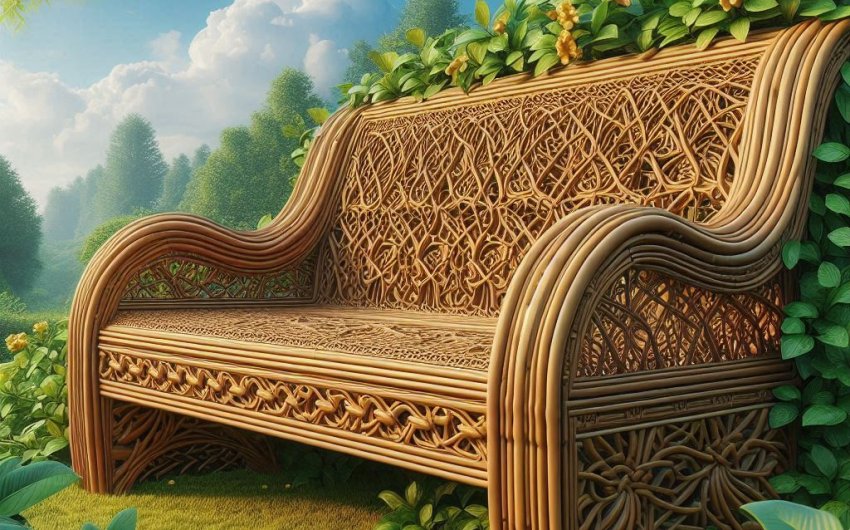
Transforming your outdoor space with durable and eco-conscious furniture is becoming increasingly important for homeowners and public spaces alike. If you're looking for a practical, long-lasting, and environmentally friendly seating option, recycled plastic garden benches offer a compelling answer. These innovative benches are made from plastic waste that would otherwise end up in landfills or polluting our oceans, giving it a new life as a robust and attractive piece of furniture. Beyond their green credentials, these benches boast an impressive array of benefits that make them superior to traditional materials in many outdoor settings. Let's explore why choosing a recycled plastic garden bench is not just a purchase, but an investment in sustainability and durability for your yard or community area.
What Are Recycled Plastic Garden Benches Made From?
The magic behind recycled plastic garden benches lies in their ingenious use of discarded materials. Instead of being trash, various types of plastic waste are collected, processed, and transformed into a high-performance material that mimics wood but outperforms it in many ways.
What Types of Plastic Are Used?
The plastics used in these benches are primarily those we encounter in our daily lives and then diligently place in our recycling bins. The most common types include:
- HDPE (High-Density Polyethylene): This is the most frequently used plastic in recycled plastic lumber (RPL), the material from which most benches are made. HDPE is known for its strength, rigidity, and excellent resistance to chemicals and moisture. You find HDPE in:
- Milk jugs
- Laundry detergent bottles
- Shampoo bottles
- Plastic caps
- Some rigid plastic containers
- LDPE (Low-Density Polyethylene): While less common as the primary material for the main structural components, LDPE is sometimes blended with HDPE or used for certain parts. It's more flexible than HDPE. Sources include:
- Plastic bags (often recycled separately)
- Plastic films (like packaging wrap)
- PP (Polypropylene): Another robust plastic sometimes incorporated, especially for specific components due to its good heat resistance and rigidity. Sources include:
- Yogurt pots
- Medicine bottles
- Bottle caps
Manufacturers often use a blend of these plastics to achieve specific properties, such as increased rigidity, better UV resistance, or a particular texture. The key is that these are plastics that have completed their initial life cycle and are being diverted from waste streams.
How Is Recycled Plastic Transformed into Lumber?
The process of turning everyday plastic waste into durable "lumber" for benches is a marvel of modern recycling technology. It typically involves several key steps:
- Collection and Sorting: Plastic waste is collected from residential, commercial, and industrial sources. It then undergoes rigorous sorting to separate different types of plastics and remove contaminants like paper labels, food residue, or other materials. This step is crucial for the quality of the final product.
- Cleaning and Shredding: The sorted plastics are thoroughly cleaned to remove any remaining impurities. After cleaning, the plastics are shredded into small flakes or pellets. This increases the surface area, making it easier to melt and process evenly.
- Melting and Extrusion: The plastic flakes are then fed into large extruders, where they are heated until molten. This molten plastic is then pushed (extruded) through dies, which are shaped openings that form the plastic into continuous profiles, much like wood lumber. These profiles can be solid boards, planks, or beams of various sizes and shapes, ready to be cut and assembled into benches.
- Additives: During the melting process, various additives might be introduced. These can include:
- UV stabilizers: To prevent degradation and fading from sunlight.
- Colorants: To achieve a range of aesthetic finishes, from natural wood tones to vibrant colors.
- Foaming agents: To create a cellular structure that can reduce weight while maintaining strength.
- Reinforcing fibers: Sometimes, fiberglass or other inert fibers are added for extra strength, though this is less common for standard bench lumber.
- Additives: During the melting process, various additives might be introduced. These can include:
- Cooling and Cutting: The extruded plastic profiles are then cooled, either by air or water, to solidify them. Once cooled, they are cut to the desired lengths, ready for fabrication into benches.
- Fabrication: The "plastic lumber" planks and beams are then assembled into garden benches using standard carpentry techniques, often with stainless steel hardware to prevent rust.
This entire process ensures that a material once considered waste becomes a valuable, long-lasting resource, embodying the principles of a circular economy.
What Are the Environmental Benefits of Choosing Recycled Plastic?
The environmental advantages of opting for a recycled plastic garden bench extend far beyond simply diverting waste from landfills. They encompass a broader positive impact on resource consumption, pollution, and carbon footprints.
How Does It Reduce Landfill Waste and Pollution?
- Waste Diversion: This is the most direct and obvious benefit. Every recycled plastic garden bench represents hundreds, if not thousands, of plastic bottles, jugs, and other containers that are kept out of landfills. Landfills are finite resources, and reducing the volume of waste they receive is crucial for long-term waste management strategies.
- Ocean Plastic Mitigation: A significant portion of plastic waste ends up polluting our oceans, harming marine life and ecosystems. By increasing the demand for recycled plastic, we create an economic incentive for collecting and processing these materials, including those salvaged from coastal areas and waterways, thereby directly contributing to the reduction of ocean plastic.
- Reduced Incineration: When plastic isn't recycled, it's often incinerated, which can release harmful pollutants and greenhouse gases into the atmosphere. Recycling plastic for benches avoids this environmentally detrimental disposal method.
- No Toxic Leaching: Unlike some treated wood products, recycled plastic lumber does not leach harmful chemicals into the soil or groundwater, making it safer for gardens and public spaces, especially near sensitive ecosystems.
How Does It Conserve Natural Resources?
- Fewer Trees Cut Down: The production of traditional wooden benches requires timber, which means felling trees. While sustainable forestry practices exist, choosing recycled plastic means less demand for virgin timber, thus preserving forests, which are vital for carbon sequestration, biodiversity, and ecosystem health. This directly supports reforestation efforts and protects existing natural habitats.
- Reduced Fossil Fuel Consumption: Virgin plastic production relies heavily on fossil fuels (oil and natural gas) as raw materials and for energy-intensive manufacturing processes. Recycling plastic significantly reduces the need for these non-renewable resources, leading to a smaller overall carbon footprint.
- Less Water Usage: The manufacturing process for recycled plastic lumber typically uses far less water compared to processing virgin wood or plastic. This is an important consideration in areas facing water scarcity.
What is its Lower Carbon Footprint?
The entire life cycle of recycled plastic garden benches boasts a significantly lower carbon footprint compared to benches made from virgin materials.
- Reduced Manufacturing Emissions: Processing recycled plastic generally requires less energy than producing new plastic from scratch. The energy saved translates directly to reduced greenhouse gas emissions. Some studies suggest that producing recycled plastic can use up to 60-80% less energy than producing virgin plastic.
- Avoided Methane Emissions: When plastics break down in landfills, they can produce methane, a potent greenhouse gas. By diverting plastics from landfills, recycled plastic benches help prevent these emissions.
- No Chemical Treatments: Traditional wood benches often require chemical treatments (paints, stains, preservatives) that involve energy-intensive production and can release volatile organic compounds (VOCs). Recycled plastic benches typically don't require these treatments, further reducing their carbon impact.
- Long Lifespan: Because of their extreme durability and low maintenance, recycled plastic benches have a much longer lifespan than many traditional benches. This means fewer replacement benches need to be manufactured over time, further reducing the cumulative carbon footprint associated with outdoor seating. A bench that lasts for decades rather than years significantly reduces environmental impact.
By choosing recycled plastic garden benches, you're making a tangible positive impact on waste reduction, resource conservation, and climate change mitigation, turning discarded materials into enduring value.
Why Are Recycled Plastic Benches So Durable and Low Maintenance?
Beyond their impressive environmental credentials, the practical advantages of recycled plastic garden benches in terms of durability and ease of care are compelling. They are designed to withstand the rigors of outdoor life with minimal fuss.
How Do They Resist Weather and Rot?
This is where recycled plastic truly shines compared to traditional wood.
- Impervious to Moisture: Unlike wood, which absorbs water, expands, contracts, and eventually rots, recycled plastic lumber is completely non-porous. It doesn't absorb moisture, meaning it will not:
- Rot or Decay: This is the biggest advantage. You'll never see mold, mildew, or fungal growth eating away at a recycled plastic bench.
- Warp, Splinter, or Crack: The consistent material composition and lack of water absorption prevent the common issues of warping, cracking, and splintering that plague wooden furniture exposed to the elements.
- Swelling or Shrinking: Extreme changes in temperature and humidity have virtually no effect on the dimensions of recycled plastic, ensuring stability.
- UV Resistance: High-quality recycled plastic benches are manufactured with UV inhibitors (special additives) that protect the material from degradation and fading caused by prolonged sun exposure. While some color fading might occur over many years, it's generally minimal and much less pronounced than the fading of painted or stained wood.
- Pest Proof: Wood is susceptible to insects like termites and carpenter ants that can chew through its structure. Recycled plastic is an inorganic material that holds no appeal as food or habitat for pests, making it completely immune to insect damage.
- No Rusting Hardware (If Done Right): Reputable manufacturers will use stainless steel hardware (screws, bolts) to assemble their benches. This prevents rust stains and ensures the structural integrity of the bench for its entire lifespan. Always check for this detail when purchasing.
What Makes Them Resistant to Vandalism and Graffiti?
The non-porous, smooth surface of recycled plastic makes it surprisingly resistant to certain types of damage, which is a major advantage for benches in public spaces.
- Graffiti Resistance: Spray paint and most permanent markers have difficulty adhering permanently to the smooth, non-absorbent surface of recycled plastic.
- Easy Cleaning: Most graffiti can be easily removed with a simple pressure wash or by using readily available cleaning solvents like paint thinners, without damaging the material underneath.
- Scratch and Gouge Resistance: While not entirely scratch-proof, recycled plastic lumber is quite dense and resilient. Small scratches are often less noticeable due to the homogenous color throughout the material, and deep gouges are harder to inflict compared to softer woods.
- No Splinters: This is a major safety advantage, especially for children. The material is smooth and won't produce splinters, making it a safer seating option in parks, playgrounds, and schools.
What is the Low Maintenance Factor?
The resistance to weather, pests, and rot translates directly into an incredibly low maintenance regimen, saving time, money, and effort.
- No Painting, Staining, or Sealing: Unlike wooden benches that require regular painting, staining, or sealing to protect them from the elements and maintain their appearance, recycled plastic benches require absolutely none of this. They retain their color and integrity for decades without any protective coatings.
- Easy to Clean: A simple wipe-down with a damp cloth, a quick spray with a garden hose, or a gentle power wash is usually all that's needed to remove dirt, dust, and grime. For stubborn stains, a mild soap and water solution is typically effective.
- No Repairs for Rot or Warping: Because the material doesn't rot, warp, or splinter, you won't need to spend time replacing decayed boards or fixing distorted components. This saves on repair costs and labor over the long term.
- Ideal for Harsh Environments: The low maintenance and extreme durability make recycled plastic benches ideal for challenging outdoor environments, such as coastal areas with salt spray, humid climates, or areas with extreme temperature fluctuations, where traditional materials would quickly degrade.
Choosing a recycled plastic garden bench means investing in a piece of outdoor furniture that you can truly put out and forget about, enjoying its functionality and appearance for many, many years without the constant upkeep associated with other materials. The time and money saved on maintenance alone make them a very attractive proposition.
Where Can Recycled Plastic Garden Benches Be Used?
The versatility and durability of recycled plastic garden benches make them suitable for a vast array of outdoor settings, both public and private. Their robust nature means they can withstand heavy use and diverse environmental conditions, while their aesthetic appeal ensures they blend seamlessly into various landscapes.
Ideal for Residential Gardens and Patios
For homeowners seeking a sustainable and low-maintenance seating solution, recycled plastic garden benches are an excellent choice.
- Backyard Oasis: Create a peaceful spot in your garden to enjoy nature, read a book, or simply relax. A Park Avenue Recycled Plastic Garden Bench can become the centerpiece of a quiet nook or a functional addition to a patio dining area.
- Patio and Deck Seating: Their resistance to moisture means they won't rot or attract mildew on decks or patios, even in damp conditions. They won't scratch or stain delicate surfaces like some metal furniture might.
- Kids' Play Areas: The splinter-free nature of recycled plastic makes them a safe choice for areas where children play. Parents can rest easy knowing there are no sharp edges or splinters.
- Around Fire Pits: While direct heat contact should be avoided, these benches are perfect for placing around a fire pit area, as they won't absorb smoke odors or get charred like some wooden benches might from stray sparks.
- Near Water Features: Since they are completely water-resistant, they are perfect next to ponds, swimming pools, or fountains, where other materials might suffer from constant moisture.
Perfect for Public Parks and Green Spaces
The demanding nature of public spaces makes recycled plastic benches an ideal choice for municipalities and park management.
- High Traffic Areas: Their extreme durability means they can withstand constant public use, heavy foot traffic, and potential impact without showing significant wear and tear. This reduces the need for frequent replacements.
- Schools and Universities: Campuses often need robust, low-maintenance seating. Recycled plastic benches are perfect for quads, outdoor classrooms, sports fields, and common areas, offering safe, durable seating for students.
- Coastal Areas and Beaches: Exposure to salt spray, sand, and strong winds rapidly degrades many materials. Recycled plastic is unaffected by salt and moisture, making these benches a superior choice for boardwalks, beach access points, and seaside parks.
- Walking Trails and Nature Preserves: Blending into natural environments, these benches provide comfortable resting spots along trails. Their resistance to rot and insects means they require less intervention and are less likely to introduce non-native materials or chemicals into sensitive ecosystems.
- Town Squares and Downtown Areas: Offering aesthetic appeal combined with practical benefits, they provide comfortable public seating that enhances urban landscapes without requiring constant maintenance.
Functional for Commercial and Institutional Settings
Beyond public parks, many commercial and institutional settings benefit from the advantages of recycled plastic benches.
- Shopping Centers and Retail Parks: Provide comfortable seating for shoppers, enhancing the overall customer experience. Their durability means they can handle constant use in busy environments.
- Restaurants and Cafes (Outdoor Seating): Offer sturdy and attractive outdoor seating options that can withstand spills, daily cleaning, and varying weather conditions.
- Hospitals and Healthcare Facilities: Provide clean, hygienic, and comfortable outdoor waiting areas or relaxation spots for patients and visitors.
- Cemeteries and Memorial Parks: Their longevity and resistance to decay make them a respectful and enduring choice for contemplative outdoor spaces.
- Sports Facilities and Stadiums: Durable seating for spectators and athletes, capable of withstanding heavy use and exposure to the elements.
From a quiet corner of your backyard to a bustling city park, recycled plastic garden benches offer a sustainable, durable, and attractive seating solution that stands the test of time and weather, requiring minimal effort to maintain their pristine condition. Their adaptability makes them a smart choice for virtually any outdoor environment where comfortable, long-lasting seating is desired.