
Choosing Fireproof Outdoor Furniture for BBQ and Fire Pit Areas
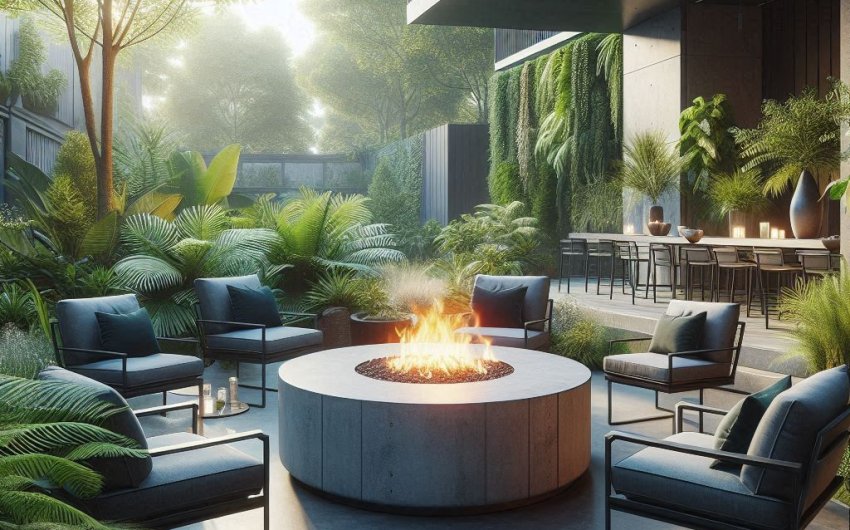
Creating a safe and inviting outdoor space for grilling and enjoying a fire pit is a top priority for many homeowners. When you're designing these areas, selecting fireproof outdoor furniture is a smart and often overlooked step that significantly enhances safety and gives you peace of mind. While no furniture is completely indestructible by extreme heat, choosing materials that resist ignition and char rather than bursting into flames is key to protecting your loved ones and your property.
Why is Fireproof Furniture Important for Outdoor Spaces?
The very nature of BBQ and fire pit areas means you're introducing open flames and high heat into your outdoor living space. Because of this, the furniture you choose for these zones takes on a special importance.
What Are the Risks Associated with Flammable Furniture?
Using flammable outdoor furniture near heat sources like BBQs and fire pits introduces significant safety hazards that can quickly turn a fun gathering into a dangerous situation.
Rapid Ignition and Spread: Many common outdoor furniture materials, especially certain plastics and untreated wood, are highly flammable. A stray spark, an ember popping out of the fire pit, or even radiant heat from a BBQ can cause these materials to ignite quickly. Once ignited, the flames can spread rapidly, potentially engulfing the furniture and nearby items.
Property Damage: A furniture fire can quickly extend beyond the immediate item, damaging your patio, decking, nearby landscaping, or even the exterior of your home. Decks made of composite decking are often more fire-resistant than wood. The financial cost of repairs and replacements can be substantial.
Personal Injury: The most serious risk is injury to people. Guests or family members sitting on or near flammable furniture are at direct risk of burns if the furniture ignites. Smoke inhalation from burning materials is also a serious health hazard. Rapidly spreading flames can also block escape routes, trapping people in a dangerous situation.
AdvertisementToxic Fumes: Many synthetic and treated materials, when they burn, release toxic fumes and chemicals into the air. These fumes can be harmful to breathe and pollute the surrounding environment.
Difficult to Extinguish: Once furniture catches fire, it can be challenging to extinguish, especially if it's made of materials that produce intense heat or molten drips. A small fire can quickly become an uncontrolled blaze requiring emergency services. Having a fire extinguisher for outdoor use nearby is always a good idea, but prevention is better than intervention.
Damaged Reputation/Liability: If a fire starts due to flammable furniture in your outdoor space and causes damage or injury to others, you could face significant liability issues.
By choosing fireproof outdoor furniture, you are actively mitigating these risks. These materials are designed to resist ignition, self-extinguish, or simply char without bursting into significant flame, giving you precious time to react and contain any potential spark-related incidents.
What are the Benefits of Choosing Fire-Resistant Materials?
Opting for fire-resistant outdoor furniture materials offers a range of benefits that go far beyond just safety, enhancing the enjoyment and longevity of your outdoor living area.
Enhanced Safety (Primary Benefit): This is the most crucial advantage. Fire-resistant materials are specifically designed to resist ignition from stray sparks, embers, or radiant heat. If they do come into contact with flame, they are less likely to burst into sustained combustion, often charring or self-extinguishing. This drastically reduces the risk of accidental fires and gives you more time to react if an incident occurs.
Peace of Mind: Knowing that your outdoor furniture is less likely to catch fire allows you to relax and fully enjoy your BBQ and fire pit gatherings without constant worry. This peace of mind is invaluable.
Durability and Longevity: Many fire-resistant furniture materials (like metals, concrete, stone, and certain recycled plastics) are inherently very durable and weather-resistant. This means they can withstand the elements, UV exposure, and general wear and tear, often lasting much longer than less robust materials. This translates to a better return on your investment.
Ease of Maintenance: Materials like metal and stone are generally very easy to clean and maintain, often requiring just a wipe-down with soap and water. They don't need sealing, painting, or extensive protective treatments that some other materials might. A metal outdoor furniture cleaner can help with upkeep.
Aesthetics: There's a wide variety of attractive fire-resistant furniture available, ranging from sleek modern designs in metal to rustic stone pieces. These materials can beautifully complement the natural elements of a fire pit or BBQ area, creating a cohesive and stylish outdoor living space.
Versatility: Many fire-resistant materials are versatile enough to be used in various furniture types, from dining sets and lounge chairs to decorative accents.
Environmental Considerations: Some fire-resistant materials, like recycled plastic lumber, offer environmental benefits by repurposing waste materials.
By proactively choosing fire-resistant outdoor furniture, you're not just buying furniture; you're investing in the safety, durability, and enjoyment of your outdoor space for years to come.
What Materials Are Best for Fireproof Outdoor Furniture?
When selecting fireproof outdoor furniture, the material is the most important consideration. Certain materials are inherently more resistant to fire and heat than others, making them ideal choices for areas near open flames.
Why is Metal an Excellent Choice?
Metal is perhaps the most obvious and arguably the best choice for fireproof outdoor furniture due to its inherent non-combustible properties. It won't catch fire, making it exceptionally safe around BBQs and fire pits.
Non-Combustible: Metals do not burn. While they can conduct heat and become hot to the touch, they will not ignite, eliminating the risk of a furniture fire. This is their primary safety advantage.
Types of Metal for Outdoor Furniture:
- Aluminum: Lightweight, rust-resistant, and relatively easy to move. Often used for dining sets, chairs, and benches. It dissipates heat fairly quickly, so it won't stay dangerously hot for long after a fire pit dies down. A powder-coated aluminum patio set offers durability and various colors.
- Steel (Wrought Iron or Stainless Steel): Heavier and very durable. Wrought iron offers a classic, ornate look, but can rust if not properly maintained or coated. Stainless steel is highly corrosion-resistant and has a sleek, modern aesthetic but can be more expensive. Both are extremely strong and stable.
- Cast Iron: Very heavy, exceptionally durable, and traditional. It retains heat for a longer time but is also virtually indestructible.
- Copper/Brass (Decorative Elements): Less common for full furniture pieces due to cost and softness, but can be used for decorative accents on fire pit tables or specific design elements.
Heat Conduction Considerations: While metals don't burn, they do conduct heat. If a metal chair or table is placed too close to a roaring fire, its surface can become very hot. Always maintain safe distances (at least (10) feet from a fire pit) and provide cushioning if needed. A heat-resistant outdoor mat under the fire pit can also help.
Durability and Maintenance: Metal furniture is generally very durable and low-maintenance. Aluminum is naturally rust-resistant. Steel and cast iron are often powder-coated or painted for rust protection. Regular cleaning with mild soap and water is usually sufficient. A metal outdoor furniture cover can extend its life.
Metal furniture offers a wide range of styles, from modern and minimalist to traditional and ornate, making it a versatile and safe choice for any BBQ or fire pit area.
What Role Do Stone and Concrete Play?
Stone and concrete are exceptional choices for fireproof outdoor furniture and elements around BBQs and fire pits because they are inherently non-combustible and extremely durable. They literally come from the earth, making them perfectly suited to handling heat.
Naturally Non-Combustible: Neither natural stone (granite, bluestone, slate, limestone) nor concrete will catch fire. They can withstand very high temperatures without igniting, charring, or deforming significantly. This makes them incredibly safe for areas with open flames.
Ideal for Built-in Elements: Stone and concrete are often used for built-in features that define the fire pit area, rather than standalone furniture.
- Seating Walls: Low, permanent seating walls made of stone or concrete pavers around a fire pit offer safe, fixed seating. These can also serve as a boundary for the fire pit area.
- Fire Pit Surrounds: Many actual fire pits are made of concrete or stone, and extended caps or ledges on these structures can double as seating or tables for drinks. A stone fire pit kit is a popular DIY option.
- Table Tops: Concrete or stone slabs make excellent, heat-resistant table tops for outdoor dining tables or side tables near a BBQ.
- Integrated Benches: Permanently installed concrete or stone benches provide sturdy and unyielding seating.
Durability and Longevity: Stone and concrete are among the most durable materials available for outdoor use. They are extremely resistant to weathering, UV damage, rot, and insects, lasting for decades with minimal maintenance.
Heat Absorption/Retention: Both materials can absorb and retain heat from the sun or a nearby fire. While this means they won't burn, their surfaces can become quite warm. Consider using outdoor cushions for comfort on seating surfaces.
Aesthetics: Stone and concrete offer a natural, earthy aesthetic that blends beautifully with outdoor environments. They can range from rustic and rugged to sleek and modern depending on the finish and design. Decorative concrete can even mimic the look of stone or wood.
Maintenance: Very low maintenance. Typically only requires occasional cleaning with water and a brush to remove dirt or debris.
While stone and concrete furniture tend to be heavy and less portable than other options, their unparalleled fire resistance and extreme durability make them prime choices for creating safe, long-lasting, and attractive BBQ and fire pit areas.
Can Recycled Plastic Lumber Be Fire-Resistant?
Yes, recycled plastic lumber, particularly high-density polyethylene (HDPE) versions, can be a surprisingly good choice for fire-resistant outdoor furniture. While it will melt rather than burn, it's significantly safer than many traditional plastics.
Material Composition: Recycled plastic lumber is made from reprocessed plastics, primarily milk jugs and detergent bottles (HDPE). Unlike cheap, flimsy PVC plastic furniture, HDPE is very dense and durable.
Fire Resistance vs. Fireproof: It's important to clarify: recycled plastic lumber is generally fire-resistant, not fireproof. This means it will not easily ignite or sustain a flame like wood. If exposed to intense, direct flame for a prolonged period, it will typically melt, soften, and potentially char, but it will usually self-extinguish once the direct flame source is removed. It doesn't produce an open flame or embers that can spread. This is a huge safety improvement over many other plastic types.
No Kindling Effect: Unlike wood, which creates embers and continues to burn, recycled plastic lumber doesn't act as kindling or contribute to the fire's spread in the same way.
Durability and Longevity: This material is incredibly durable and built to last. It's impervious to rot, insects, splintering, and warping, making it a very low-maintenance option. Many manufacturers offer warranties of 20 years or more. A recycled plastic Adirondack chair is a popular and durable choice.
Maintenance: Requires almost no maintenance beyond occasional cleaning with soap and water. It doesn't need painting, staining, or sealing.
Environmental Benefits: Choosing recycled plastic lumber contributes to sustainability by diverting plastic waste from landfills.
Aesthetics: Available in a wide range of colors that permeate the material (so they don't chip or fade easily) and can mimic the look of painted wood. Some higher-end versions even have a textured wood grain.
Cost: Generally more expensive upfront than traditional wooden furniture, but its longevity and low maintenance costs often make it a more economical choice over its lifespan.
When choosing recycled plastic lumber furniture for fire areas, ensure you purchase from reputable brands that use high-quality HDPE and ideally, mention its fire-resistant properties. While not completely immune to heat, it offers a safe and sustainable alternative that won't contribute to fire spread.
Are There Fire-Resistant Wood Options?
While most natural wood is inherently flammable, there are ways to make wood furniture more fire-resistant, though it will never be truly fireproof like metal or stone. These options typically involve specialized treatments or particular wood types.
Pressure-Treated Fire-Retardant Wood:
- Process: This wood is impregnated with fire-retardant chemicals under pressure. These chemicals change the way wood burns, making it much harder to ignite and causing it to char rather than sustain a flame. It reduces flame spread and smoke production.
- Uses: More commonly found in construction (for interior framing or decking in fire-prone areas) than for pre-built outdoor furniture. However, if you are building custom outdoor furniture, you could source fire-retardant treated lumber.
- Considerations: Can be more expensive and may have slightly altered appearance or workability. The treatment is meant to last the life of the wood, but effectiveness can vary depending on exposure to weather.
Naturally Dense Hardwoods:
- Properties: Very dense hardwoods, while still combustible, ignite less easily and burn much slower than lighter, softer woods. Their density means there's less oxygen within the wood fibers to fuel a flame.
- Examples: Ipe, Teak, and some dense oaks. These woods are highly durable and naturally resistant to rot and insects.
- Considerations: Still requires caution around open flames. Cost can be very high for these premium woods.
Fire-Retardant Coatings/Paints:
- Application: These are specialized paints or clear coatings that can be applied to existing or new wood furniture. They work by forming a protective layer that swells when exposed to heat, creating an insulating char layer that slows down combustion. A fire retardant paint for wood can be effective.
- Effectiveness: Provides a good level of protection against accidental sparks or brief flame contact, giving you more time to react. However, sustained, direct flame will eventually burn through the coating.
- Maintenance: Needs reapplication over time, especially if exposed to the elements. Durability of the coating varies.
- Not for Cushions: These are for the wood frame, not for fabric cushions.
General Wood Safety Tips for Fire Areas:
- Maintain Safe Distance: Always position wooden furniture at least (10) feet away from fire pits and BBQs.
- Use Fire Mats: Place a fire pit mat under your fire pit to catch embers.
- Don't Place Flammable Materials On It: Ensure no paper, fabric, or other flammable items are left on wooden furniture near the fire.
While wood will always be inherently combustible, choosing treated or naturally dense varieties and applying fire-retardant coatings can significantly enhance its safety for use in outdoor fire areas, provided common-sense safety precautions are also followed.
What About Fire-Safe Cushions and Accessories?
Even if your outdoor furniture frame is fireproof, the cushions and accessories you add can pose a fire risk. Ensuring these elements are also fire-safe is crucial for a comprehensive safety strategy in your BBQ and fire pit areas.
Why Are Fire-Retardant Fabrics Important for Cushions?
Outdoor furniture cushions are often made from synthetic fabrics and can contain foam padding, both of which can be highly flammable. Choosing fire-retardant fabrics for these items is a critical safety measure.
Ignition Resistance: Fire-retardant fabrics are treated with chemicals or made from inherently flame-resistant fibers that make them difficult to ignite. If a spark or ember lands on them, they are less likely to burst into flame. Instead, they may char, melt slowly, or self-extinguish once the heat source is removed. This greatly reduces the risk of accidental cushion fires.
Slowed Flame Spread: Should ignition occur, fire-retardant fabrics will burn much slower than untreated fabrics, providing valuable time to extinguish the fire or evacuate the area.
Reduced Smoke and Toxins: Many fire-retardant treatments also help to reduce the amount of smoke and toxic fumes released if the fabric does burn, making the situation safer.
Common Fire-Retardant Materials:
- Solution-Dyed Acrylic (e.g., Sunbrella): Widely regarded as a top choice for outdoor fabrics. While not inherently fireproof, many brands of solution-dyed acrylic (like Sunbrella outdoor fabric) are highly resistant to flames and typically self-extinguish once the ignition source is removed. They are also incredibly durable, fade-resistant, and easy to clean.
- Polyester (Treated): Many outdoor polyesters are treated with topical fire retardants to meet safety standards. Look for descriptions like "flame resistant" or "meets Cal 117 standards" (though these are for indoor furniture, outdoor versions may specify similar treatments).
- Specific Flame-Resistant Fibers: Some specialty fabrics incorporate inherently flame-resistant fibers, though these might be less common for general outdoor furniture cushions.
Foam Padding Considerations: The foam inside cushions can also be flammable. Look for outdoor cushions that specify flame-resistant foam or fillings that meet fire safety standards. Most reputable outdoor furniture manufacturers will use such foams.
Maintenance: Keep cushions clean and free of debris, as accumulated dust or organic matter can provide fuel for a spark. Store cushions away from the fire pit when not in use. A waterproof cushion storage bag can help keep them clean.
Always check product descriptions carefully when buying outdoor cushions. Look for terms like "flame resistant," "fire retardant," or reputable brands known for their performance outdoor fabrics to ensure you're getting the safest option for your BBQ and fire pit areas.
What Other Accessories Should Be Fire-Safe?
Beyond the furniture frame and cushions, several other accessories in your BBQ and fire pit areas should be chosen with fire safety in mind to create a truly secure environment.
Outdoor Rugs/Mats:
- Risk: Many outdoor rugs are made of polypropylene or other synthetic materials that can melt or even ignite from embers.
- Solution: Choose rugs specifically labeled as fire-resistant outdoor rugs or, better yet, avoid placing rugs directly under a fire pit or very close to a BBQ. Use a dedicated fire pit mat/deck protector made of fiberglass or other non-combustible material directly under the fire pit.
Table Linens and Placemats:
- Risk: Cotton, linen, and many synthetic table cloths are easily ignitable.
- Solution: Avoid using flammable table linens directly next to a BBQ or fire pit. If you use them, ensure they are kept at a safe distance. Consider outdoor placemats made of wipeable, less flammable materials like PVC or silicone.
Decorative Pillows and Throws:
- Risk: Similar to cushions, decorative pillows and throws are often made from flammable fabrics and fillings.
- Solution: Choose outdoor pillows with fire-resistant covers. It's best practice to bring decorative pillows and throws indoors or store them away from the fire area when the fire pit or BBQ is in use.
Umbrellas:
- Risk: Patio umbrellas, especially those with fabric canopies, can be a serious fire hazard if placed too close to a BBQ (especially a vertical smoker) or a fire pit where flames or sparks can reach them.
- Solution: Ensure ample vertical clearance (at least (10) feet above any flame source). Consider umbrellas made with flame-resistant outdoor fabric. The safest option is to keep umbrellas retracted or removed when a fire pit or BBQ is actively burning.
Trash Cans:
- Risk: Plastic trash cans can melt or ignite if hot coals or ashes are mistakenly put inside.
- Solution: Use a metal outdoor trash can with a lid for outdoor refuse, particularly for any ash or ember disposal. Never place hot ashes directly into any trash can; always let them cool completely in a metal bucket first.
Grilling Tools and Fire Pit Accessories:
- Grilling Gloves/Aprons: Ensure your grilling gloves and BBQ apron are made of heat-resistant or flame-retardant materials.
- Fire Pit Tools: Always use long, metal fire pit pokers and tongs.
By considering all the accessories in your outdoor space, and not just the main furniture pieces, you can significantly enhance the fire safety of your BBQ and fire pit areas, creating a more secure and enjoyable environment.
What Are Overall Safety Practices for Fire Pit and BBQ Areas?
Beyond choosing fireproof outdoor furniture, maintaining overall safety practices is paramount to enjoying your BBQ and fire pit areas without incident. Furniture is just one part of the safety equation.
How Does Distance and Placement Affect Safety?
The distance and placement of your furniture, fire pit, and BBQ from other objects are critically important for preventing fires and ensuring safety in your outdoor living space.
Fire Pit Placement:
- Clearance from Structures: Place your fire pit a minimum of (10) to (20) feet away from any combustible structures, including your house, deck, fence, shed, or overhangs. Check local fire codes, as minimum distances can vary (some jurisdictions require more than (20) feet).
- Clearance from Overhanging Branches: Ensure there are no low-hanging tree branches directly above the fire pit. Sparks and heat can ignite dry leaves or branches overhead. Maintain at least (15-20) feet of vertical clearance.
- Non-Combustible Surface: Always place a fire pit on a non-combustible surface like concrete, gravel, pavers, or dirt. Never place it directly on a wooden deck or grass without a specific fire pit mat designed for deck protection.
- Level Ground: Ensure the fire pit is on stable, level ground to prevent tipping.
BBQ Grill Placement:
- Clearance from Structures: Position your BBQ grill at least (10) feet away from your house, railings, fences, and any other combustible materials. While less prone to stray sparks than a fire pit, intense radiant heat can still pose a risk.
- Clearance from Overhangs: Never grill directly under an awning, low tree branches, or any enclosed structure. Good ventilation is key, and heat can build up and ignite materials above.
- Stable Surface: Ensure the grill is on a stable, level surface.
- Away from High Traffic: Place the grill in an area that isn't a main walkway to prevent accidental bumps or trips.
Furniture Placement (even Fireproof):
- Safe Distance from Fire Pit: Even if your furniture is fire-resistant, maintain a safe distance from the fire pit. Sparks and embers can still land on surfaces, and radiant heat can make materials (especially cushions) uncomfortably hot. A general guideline is to keep furniture at least (7-10) feet away from the outer edge of the fire pit.
- Clear Exit Paths: Arrange furniture so there are clear, unobstructed paths for people to move safely around the area and away from any heat source or potential fire.
- Don't Block Exits: Never block doorways or exits with furniture.
Surrounding Area: Keep the area around your fire pit and BBQ clear of dry leaves, twigs, debris, and any other flammable materials.
Proper distance and thoughtful placement are fundamental pillars of fire safety, complementing your choice of fireproof outdoor furniture.
What Tools and Equipment Should I Keep Nearby?
Having the right tools and equipment readily accessible is crucial for managing your fire pit and BBQ safely and for responding quickly to any unforeseen incidents. This equipment acts as your first line of defense.
For the Fire Pit:
- Fire Extinguisher: A multi-purpose ABC fire extinguisher rated for outdoor use should be within easy reach. Learn how to use it BEFORE an emergency.
- Bucket of Water or Garden Hose: A readily available large bucket of water or a charged garden hose is essential for quickly dousing stray sparks or small flames.
- Shovel or Spade: For safely moving embers, covering a small fire with dirt, or spreading out burning logs. A heavy duty shovel is useful.
- Long Poker/Tongs: To safely adjust logs or embers without getting too close to the heat. A fire pit poker set is ideal.
- Fire Screen/Spark Arrestor: Many fire pits come with a fire screen or mesh cover to contain sparks. Always use it, especially in windy conditions.
- Metal Ash Bucket: For safely collecting cooled ashes once the fire is completely out. Never put hot ashes in plastic or flammable containers. A galvanized metal ash can is perfect.
For the BBQ Grill:
- Grill-Specific Fire Extinguisher: A kitchen-rated fire extinguisher (Class K or BC for grease fires) is a good idea to keep near your grill.
- Grill Cleaning Brushes: Regular cleaning prevents grease buildup, a common cause of grill fires. A sturdy grill brush is essential.
- Long-Handled Tongs/Spatula: To manage food safely without getting too close to the heat.
General Outdoor Safety:
- First-Aid Kit: A basic outdoor first-aid kit for minor burns or cuts.
- Communication Device: Have a fully charged phone nearby in case of emergencies.
Keeping these essential tools and equipment close at hand, and knowing how to use them, provides an extra layer of protection, complementing your fireproof outdoor furniture and making your BBQ and fire pit areas safer for everyone.
What Role Does Vigilance and Supervision Play?
Even with the best fireproof outdoor furniture and all the right equipment, the most important element of fire safety in your BBQ and fire pit areas is constant vigilance and responsible supervision.
Never Leave Unattended: Never, under any circumstances, leave an active BBQ grill or fire pit unattended. Fires can spread incredibly quickly, even from a seemingly small spark or flare-up. Always have a responsible adult present.
Maintain Safe Distance (for People): Ensure that children and pets are always kept at a safe distance from the fire pit and hot grill. Teach children about fire safety and establish clear boundaries.
Awareness of Surroundings: Be constantly aware of your immediate surroundings.
- Wind Conditions: Strong winds can rapidly spread embers or cause flames to flare up. Avoid using fire pits or BBQs during very windy conditions. If wind picks up, take precautions to reduce the fire or extinguish it.
- Dry Vegetation: Keep an eye on any dry leaves, grass, or other combustible vegetation that might be near the fire area. Remove them.
- Overhanging Structures/Branches: Double-check for any branches or structures overhead that could catch fire.
Proper Fuel Use:
- Fire Pit: Only burn seasoned wood in a fire pit. Never use gasoline, lighter fluid, or other accelerants to start or restart a fire, as this can lead to dangerous flare-ups. Use proper fire starters for fire pits.
- BBQ: Use the correct fuel for your type of grill (propane, charcoal, etc.) and ensure gas lines are free of leaks and charcoal is properly lit away from flammable items.
Extinguish Completely: Before leaving the area or going to bed, ensure the fire pit is completely extinguished. Douse embers with water, stir, and douse again. Charcoal grills should have their vents closed to starve the embers of oxygen, or cooled ashes should be transferred to a metal can. Never assume ashes are cool just because they aren't glowing.
Educate Guests: Briefly inform guests, especially those unfamiliar with fire pits, about basic safety rules and where emergency equipment is located.
Check Local Regulations: Always be aware of and follow any local burn bans or restrictions, especially during dry periods. These are in place for a reason – public safety.
No amount of fireproof outdoor furniture can substitute for attentive and responsible human supervision. By staying vigilant, you become the primary guardian of safety in your outdoor living space.
Choosing fireproof outdoor furniture is an excellent investment in the safety and longevity of your BBQ and fire pit areas. By combining these smart material choices with diligent safety practices and constant vigilance, you can create a truly secure, enjoyable, and welcoming outdoor space for years of memorable gatherings.