
Weather-Resistant Teak Furniture for Coastal Gardens
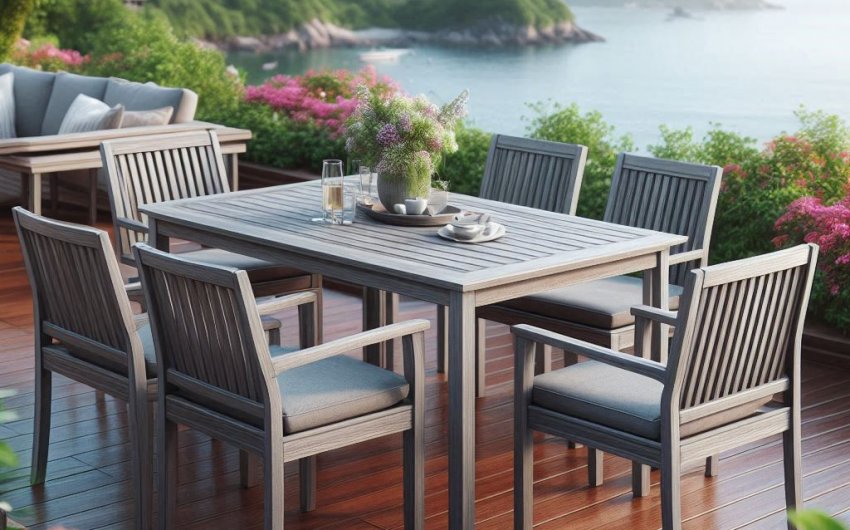
Coastal gardens offer a unique charm, blending the beauty of the sea with vibrant flora. However, this enchanting setting also brings a demanding environment for outdoor furnishings. Salt-laden air, relentless sun, and strong winds can quickly degrade many materials, leaving your outdoor haven looking less than inviting. Choosing the right weather-resistant outdoor furniture is key to enjoying your coastal retreat for years to come. This is where teak furniture truly shines, standing out as a premier choice for its remarkable durability and timeless elegance in challenging conditions.
Imagine relaxing on a beautiful, sturdy chair, the salty breeze gently rustling through the leaves, without a worry about your furniture warping or corroding. Teak's natural properties make it exceptionally resilient, an ideal material to withstand the rigors of a seaside climate. Its inherent oils and dense grain provide a protective barrier against the elements, ensuring longevity and a graceful aging process. Investing in high-quality teak patio sets means embracing both enduring beauty and practical strength for your garden space by the ocean.
Why is Teak the Best Material for Coastal Outdoor Furniture?
Teak's reputation as a top-tier material for outdoor use, especially in harsh coastal environments, is well-deserved. Its unique characteristics make it stand apart from other options. Understanding these properties helps explain why so many homeowners and designers choose teak garden furniture for their seaside properties.
What Makes Teak Naturally Weather-Resistant?
The secret to teak's incredible durability lies in its natural composition. Teak wood contains a high concentration of natural oils and rubber. These oils are integral to the wood itself, not just a surface treatment. They act as an internal sealant, repelling water and preventing the wood from drying out, cracking, or rotting. This is a significant advantage over many other wood types that absorb moisture, leading to decay over time. The high oil content also gives teak its distinct resistance to various forms of deterioration.
Another key factor is teak's remarkable density and tight grain structure. This makes the wood incredibly strong and less prone to splintering or warping, even when exposed to fluctuating temperatures and humidity levels common in coastal areas. The dense fibers resist the penetration of salt and moisture, which are major culprits in the breakdown of less durable materials. Because of this natural protection, teak outdoor furniture requires very little maintenance to retain its structural integrity, making it a very practical choice for busy coastal homeowners.
How Does Teak Withstand Salt Air and Humidity?
Salt air is highly corrosive, and over time, it can damage many types of outdoor furniture, from metal to certain woods. Teak, however, has an exceptional ability to resist the corrosive effects of salt. The natural oils within the wood form a barrier that repels salt particles, preventing them from penetrating and causing deterioration. This means your teak dining chairs will not rust or corrode in the same way metal furniture might, nor will they degrade like less robust woods.
High humidity is another common challenge in coastal regions, often leading to mold, mildew, and rot in susceptible materials. Teak's inherent resistance to moisture absorption also makes it highly resistant to fungal growth. The natural oils prevent water from sitting on or soaking into the wood, making it an inhospitable environment for mold and mildew to thrive. This resistance ensures that your coastal teak furniture remains beautiful and hygienic, even in damp conditions. This makes it an ideal material for everything from a simple teak garden bench to an elaborate teak outdoor dining set.
Is Teak Resistant to Pests and Insects?
Beyond weather challenges, coastal environments can also be home to various insects and pests that can damage outdoor furniture. Termites, borers, and other wood-eating insects are a common concern for many wood types. Teak's natural composition, particularly its high oil content and density, makes it naturally unappealing to these pests. The oils contain compounds that act as natural repellents, deterring insects from burrowing into or feeding on the wood.
This natural pest resistance means that teak patio furniture is less likely to suffer from insect infestations that can compromise the structural integrity and appearance of other wooden furniture. You won't need to worry about extensive chemical treatments or frequent inspections for pest damage, making teak a low-maintenance and long-lasting choice for your coastal garden furniture. This peace of mind is invaluable, especially when considering a significant investment like a teak chaise lounge or an entire outdoor living space set.
What Are the Different Types of Teak Furniture for Coastal Gardens?
Teak's versatility means it's available in a wide array of styles and pieces, suitable for various functions in your coastal garden. From intimate seating areas to expansive dining arrangements, there's a teak furniture piece to fit every need and aesthetic.
What Teak Seating Options are Available?
For comfortable lounging and intimate conversations, teak seating options are plentiful and diverse. You can find everything from individual chairs to multi-person sofas, all designed to offer both comfort and resilience.
- Teak Chairs: Individual teak Adirondack chairs are a classic choice, offering a relaxed recline perfect for enjoying ocean views. Other styles include armchairs, side chairs, and folding chairs, which are great for smaller spaces or for easy storage. Their sturdy construction ensures they remain stable even in windy conditions.
- Teak Benches: A teak garden bench provides versatile seating, whether placed along a pathway, under a shade tree, or as a focal point in your garden. They come in various lengths and designs, from simple, backless benches to more ornate styles with intricate detailing. A teak park bench can add a touch of classic elegance to your outdoor space.
- Teak Sofas and Sectionals: For larger gatherings or ultimate relaxation, teak outdoor sofas and sectionals create inviting lounge areas. These pieces often feature deep seating and can be combined with weather-resistant cushions for added comfort. A modular teak sectional allows you to customize the layout to fit your specific patio or deck configuration.
- Teak Chaise Lounges: Perfect for sunbathing or a leisurely nap by the pool or ocean, a teak chaise lounge offers adjustable recline positions. Many designs also feature wheels for easy movement, allowing you to chase the sun or find the perfect shaded spot.
What Teak Dining Sets are Best for Outdoor Entertaining?
Dining outdoors is a quintessential part of coastal living, and teak dining sets provide the perfect foundation for memorable meals. They combine durability with aesthetic appeal, making them ideal for entertaining.
- Teak Dining Tables: Available in various shapes and sizes, from intimate bistro tables for two to large extendable teak tables that can accommodate a crowd. Rectangular, round, and square options ensure there's a table to fit any space. Teak's stability means your table will remain steadfast even on breezy days.
- Complete Dining Sets: Many manufacturers offer teak outdoor dining sets that include a table and a coordinating number of chairs, making it easy to create a cohesive look. These sets are designed to withstand the elements while providing a comfortable and stylish dining experience. Look for sets that complement the overall style of your coastal home.
- Bar Height Tables and Stools: For a more casual or elevated dining experience, teak bar height tables and matching teak bar stools are an excellent choice. They are perfect for smaller balconies, patios, or as an addition to an outdoor kitchen area, providing a great vantage point for enjoying the views.
Are There Other Essential Teak Garden Accessories?
Beyond primary seating and dining, several teak garden accessories can enhance the functionality and beauty of your coastal outdoor space. These pieces often serve practical purposes while maintaining the cohesive aesthetic of your teak patio furniture.
- Teak Side Tables and Coffee Tables: Essential for holding drinks, books, or decorative items, teak side tables and teak coffee tables are vital additions to any seating arrangement. They are sturdy, resistant to spills, and can withstand exposure to the elements without showing wear.
- Teak Storage Bins: For keeping cushions, pool towels, or garden tools tidy and protected from the weather, a teak storage box is both functional and attractive. These bins are designed to be weather-resistant, ensuring the contents remain dry and safe.
- Teak Planters: Integrate your beautiful coastal plants with your furniture by using teak planters. These durable containers blend seamlessly with other teak pieces and provide excellent drainage, helping your plants thrive. A teak garden planter adds an element of natural beauty.
- Teak Serving Carts: An outdoor teak serving cart is incredibly useful for entertaining, allowing you to transport food, drinks, and dishes easily between your outdoor kitchen and dining area. Many designs include shelves and drawers for extra storage.
How to Care for and Maintain Teak Furniture in a Coastal Environment?
While teak furniture is famously low-maintenance, a little care can go a long way in preserving its beauty and extending its already impressive lifespan, especially in the challenging coastal climate. Understanding how teak weathers and how to best support that process is key.
Does Teak Need to Be Sealed or Treated?
One of the greatest advantages of natural teak furniture is that it does not require sealing, painting, or extensive chemical treatments to withstand the elements. Teak's inherent oils provide all the protection it needs. In fact, applying sealants or varnishes can sometimes interfere with the wood's natural ability to "breathe" and repel water, potentially leading to cracking or peeling over time.
Instead of sealing, many people choose to let their teak outdoor furniture naturally weather. When left untreated, teak will gradually change color over time from its original warm, golden-brown hue to a beautiful, soft silver-gray patina. This "silvering" is a natural oxidation process and does not affect the wood's strength or durability. Many homeowners find this weathered look highly desirable, as it blends seamlessly with the natural tones of a coastal landscape. If you prefer to maintain the original golden color, however, there are specific care steps you can take.
How to Maintain Teak's Golden Color (Optional)?
If you wish to prevent the silvering process and keep your teak patio sets their original golden-brown color, you will need to apply a teak sealer or teak oil periodically. It's important to understand the difference:
- Teak Sealer: A teak sealer creates a protective barrier that helps prevent the wood from turning gray. It often contains UV inhibitors to slow down the effects of sun exposure. Applying a teak sealer usually needs to be done once or twice a year, depending on the product and exposure levels. Follow the manufacturer's instructions carefully for the best results.
- Teak Oil: True teak oil is made from natural oils that nourish the wood and enhance its natural color. It helps bring out the rich tones of the wood. However, regular application of teak oil (often every few months) is needed to maintain the color, and it can sometimes lead to mold or mildew growth in very humid environments if not applied correctly or excessively. For coastal areas, a sealer is often preferred over oil for ease of maintenance and resistance to mildew.
Before applying any product, thoroughly clean the teak furniture to remove dirt, grime, or any existing patina. Use a soft brush and a specialized teak cleaner formulated for teak to gently scrub the surface. Rinse well and allow the furniture to dry completely before applying the sealer or oil.
What is the Best Way to Clean Teak Furniture?
Regular cleaning is the most important part of teak furniture maintenance, whether you let it silver or keep it golden. This helps remove salt residue, dirt, and environmental pollutants that accumulate over time, especially in a coastal setting.
- Routine Cleaning: For general cleaning, simply rinse your teak garden furniture with fresh water using a hose. A soft brush or sponge can help remove loose dirt. Do this regularly, perhaps weekly or bi-weekly, to wash away salt spray and dust before it can build up.
- Deep Cleaning: For more stubborn dirt, mildew spots, or to prepare for re-oiling/sealing, use a specialized teak cleaner. These cleaners are designed to safely lift grime without harming the wood. Mix the cleaner according to the product instructions, apply it to the wet furniture, and gently scrub with a soft-bristle brush or sponge. Work with the grain of the wood. Rinse thoroughly with fresh water until all traces of cleaner are gone.
- Removing Gray Patina (if desired): If your teak has silvered and you want to restore its golden color, you'll need to use a teak brightener after cleaning. These products contain oxalic acid, which helps remove the oxidized gray layer. Always follow the specific instructions on the brightener product for safe and effective use. After brightening, you would then apply a sealer or oil if you wish to maintain the golden hue.
Avoid using harsh chemicals, abrasive scrubbers, or high-pressure washers on your teak furniture. These can damage the wood fibers and reduce its natural durability. Gentle cleaning is always best for long-lasting outdoor furniture.
Should Teak Furniture Be Stored Indoors During Off-Season?
While weather-resistant teak furniture is designed to remain outdoors year-round, even in harsh conditions, protecting it during prolonged periods of non-use can extend its life and keep it looking its best.
In extremely harsh winter conditions with heavy snow and ice, or during very long periods of rain and humidity, covering your teak patio furniture or storing it in a sheltered area like a garage or shed can be beneficial. If covering, ensure the covers are breathable to prevent moisture buildup and mildew. A well-ventilated outdoor furniture cover is essential.
For coastal regions that don't experience extreme freezing, leaving teak outdoors is generally fine. The natural resistance of the wood protects it. The main benefit of covering or storing is simply to keep the furniture cleaner and minimize the need for heavy spring cleaning, not necessarily to prevent damage. For items like a teak folding chair or other easily portable pieces, bringing them indoors during a severe storm or off-season is a simple way to add extra protection.
What Are the Benefits of Investing in High-Quality Teak Furniture?
Investing in high-quality teak furniture for your coastal garden is more than just a purchase; it's an investment in enduring beauty, practicality, and peace of mind. The initial cost might be higher than other materials, but the long-term benefits far outweigh this difference.
How Does Teak Furniture Provide Long-Term Value?
The durability of teak directly translates to exceptional long-term value. Unlike furniture made from less robust materials that may need to be replaced every few years due to rot, rust, or warping, premium teak outdoor furniture can last for decades, even generations, in coastal environments.
- Longevity: Teak's inherent resistance to rot, decay, and insect damage means it won't break down quickly. This extended lifespan reduces the need for frequent replacements, saving you money in the long run. A well-cared-for teak outdoor table can become a cherished family heirloom.
- Reduced Maintenance Costs: While some cleaning is beneficial, teak requires no expensive sealants or frequent protective treatments like many other woods or metals. This cuts down on ongoing maintenance expenses and time commitments.
- Retained Aesthetic Appeal: Whether you allow it to silver or maintain its golden hue, teak ages gracefully. It doesn't corrode, rust, or peel, ensuring that your weather-resistant patio furniture retains its appealing look year after year.
When you factor in the replacement costs, maintenance efforts, and the sheer frustration of furniture degrading quickly, the initial investment in quality teak garden furniture proves to be a wise financial decision.
How Does Teak Furniture Enhance Coastal Aesthetics?
Beyond its practical benefits, teak possesses an undeniable aesthetic appeal that perfectly complements the natural beauty of a coastal garden. Its inherent charm adds warmth and sophistication to any outdoor space.
- Timeless Beauty: The rich, warm tones of new teak or the elegant silver-gray patina of weathered teak offer a classic and timeless look. This natural beauty blends seamlessly with the surrounding landscape, enhancing the serene atmosphere of a coastal garden. It provides a natural, organic feel that synthetic materials cannot replicate.
- Versatility in Design: Teak is a versatile wood that can be crafted into a wide range of styles, from traditional and classic to modern and minimalist. Whether your coastal home has a New England, Mediterranean, or contemporary architectural style, you can find teak furniture designs that complement its aesthetic. This ensures your outdoor furniture for coastal living matches your personal taste.
- Natural Element Integration: Teak's natural origins mean it feels right at home amidst plants, stone, and water features. It creates a harmonious environment that connects your outdoor living space with the natural world, enhancing the sense of tranquility and escape. A beautiful teak lounge chair can become a focal point, drawing the eye to your garden's best views.
Is Teak an Environmentally Responsible Choice?
When considering outdoor furniture, the environmental impact of materials is an increasingly important factor. Choosing responsibly sourced teak furniture can be an environmentally sound decision.
- Durability Reduces Waste: Because teak lasts so long, it reduces the need for frequent replacements, which in turn reduces waste going to landfills. This long lifespan makes it a more sustainable choice compared to materials that degrade quickly.
- Sustainable Forestry Practices: Reputable manufacturers of teak garden furniture often source their wood from sustainably managed plantations. Look for certifications like the Forest Stewardship Council (FSC) label, which ensures that the teak was harvested in an environmentally responsible and socially beneficial manner. This certification guarantees that the wood used in your FSC certified teak furniture meets strict sustainability standards.
- Natural Product: Teak is a natural, renewable resource. Unlike plastic or metal furniture that often requires energy-intensive manufacturing processes and may contain harmful chemicals, teak is a pure, organic material. Its natural decay (after many decades) does not introduce harmful substances into the environment.
By selecting sustainable teak furniture, you are not only making a smart choice for your garden but also contributing to responsible environmental practices. It's a way to enjoy the beauty of your coastal surroundings while making a positive impact.
What Should You Consider When Buying Teak Furniture for Coastal Gardens?
Choosing the right teak furniture involves more than just picking a design you like. Several factors should be considered to ensure you invest in pieces that will truly stand the test of time in a demanding coastal environment.
How to Identify High-Quality Teak?
Not all teak is created equal. The quality of the wood significantly impacts its durability and longevity. Knowing what to look for can help you make an informed purchase.
- Grade A Teak: This is the highest quality of teak, sourced from the center of mature teak trees (the heartwood). It has a uniform, golden-brown color, a smooth texture, and is rich in natural oils. Grade A teak is the most expensive but also the most durable and resistant to the elements. This is the ideal choice for weather-resistant teak furniture in coastal areas. You can often identify it by its substantial weight and uniform appearance.
- Grade B Teak: This comes from the outer heartwood or inner sapwood. It has less natural oil content and may have more color variation, knots, or slight imperfections. While still good, it's not as durable as Grade A and may require more maintenance to last as long.
- Grade C Teak: This is the lowest quality, often from young or immature trees, or the outer sapwood. It has very little natural oil, is lighter in color, softer, and more prone to cracking, rotting, and insect damage. It will not last nearly as long as Grade A or B, especially in a coastal environment. Avoid Grade C teak if you are looking for truly weather-resistant outdoor furniture.
- Look for Kiln-Dried Teak: High-quality teak is usually kiln-dried, a process that removes moisture evenly from the wood. This minimizes shrinkage, swelling, and cracking, making the furniture more stable and durable. Air-dried teak can be acceptable, but kiln-drying offers superior stability.
Ask the seller about the grade of teak and whether it is kiln-dried. Reputable dealers of premium teak patio furniture will be transparent about their materials.
What Construction Methods Indicate Durability?
Beyond the quality of the wood itself, the way the furniture is put together plays a crucial role in its strength and longevity, especially when exposed to the stresses of a coastal climate.
- Mortise and Tenon Joints: This is the strongest and most durable type of joint used in furniture construction. It involves fitting a "tenon" (a projecting piece of wood) into a "mortise" (a corresponding hole). This method creates a very strong connection that can withstand movement and stress better than screws or dowels alone. Look for furniture that primarily uses mortise and tenon joinery.
- Dovetail Joints: Commonly used for drawers and tabletops, dovetail joints are also very strong and resist pulling apart. Their interlocking design makes them highly durable.
- Solid Brass or Stainless Steel Hardware: Any metal components, such as screws, bolts, or hinges, should be made from marine-grade stainless steel hardware or solid brass. These materials are highly resistant to rust and corrosion, which is absolutely essential in a salty coastal environment. Avoid furniture that uses regular steel or plated hardware, as it will quickly corrode and stain the wood.
- No Visible Screws (or very few): High-quality teak furniture often features concealed fasteners. While screws might be used in some areas, they should be expertly hidden or counter-sunk and plugged with teak dowels for a clean finish and added protection.
- Smooth Sanded Finish: Run your hand over the furniture. It should feel smooth and splinter-free. A well-sanded finish indicates attention to detail and craftsmanship, which usually correlates with overall quality.
These construction details are signs of durable outdoor furniture that is built to last, especially under challenging coastal conditions.
What Certifications Should You Look For?
To ensure you are purchasing responsibly sourced teak furniture that meets environmental and ethical standards, look for specific certifications.
- FSC Certification (Forest Stewardship Council): This is the gold standard for sustainable wood products. The FSC certification means the wood was harvested from forests that are managed responsibly, considering environmental, social, and economic factors. It ensures that the timber comes from legal and well-managed sources, preventing deforestation and protecting ecosystems. For eco-friendly outdoor furniture, FSC is a crucial label.
- SmartWood Certification: Similar to FSC, SmartWood also certifies sustainably managed forests and responsible wood sourcing.
- Rainforest Alliance Certification: Often found in conjunction with FSC, this certification indicates products sourced from farms or forests that meet strict sustainability standards, promoting biodiversity conservation and sustainable livelihoods.
These certifications provide assurance that your teak garden furniture is not only high quality but also produced in an ethical and environmentally conscious manner. Choosing certified products helps combat illegal logging and supports sustainable forestry practices worldwide.
What Style and Design Options Suit a Coastal Garden?
While teak's natural beauty suits almost any setting, certain styles and designs can enhance the specific aesthetic of a coastal garden.
- Clean Lines and Simple Designs: Coastal aesthetics often lean towards simplicity and natural elements. Modern teak furniture with clean lines and minimal ornamentation complements the open, airy feel of a seaside environment. This also makes the furniture less prone to trapping salt and dirt in intricate carvings.
- Nautical or Classic Influences: For a more traditional coastal look, consider teak patio sets with elements reminiscent of classic marine designs, such as slatted backs, rounded edges, or traditional Adirondack chair styles.
- Neutral Cushions and Accents: If using cushions, opt for fabrics that are designed for outdoor use and resistant to fading, mold, and mildew. Colors like navy, white, sand, or seafoam green complement the coastal palette. Performance fabrics like Sunbrella are excellent choices for outdoor furniture cushions.
- Scalability: Consider the size of your garden and the scale of the furniture. Don't overcrowd a small space. For larger areas, think about creating distinct zones for dining, lounging, and quiet contemplation. Modular teak furniture can offer flexibility.
- Comfort: While aesthetics are important, comfort is key for enjoying your outdoor space. Test seating if possible, and ensure cushions are supportive and made from durable outdoor foam. Even the best-looking coastal outdoor furniture won't be enjoyed if it's uncomfortable.
By considering these factors, you can select weather-resistant teak furniture that not only performs exceptionally well in your coastal garden but also enhances its beauty and provides a truly enjoyable outdoor living experience.