
How to Manage and Reduce Thatched Lawn Layers?
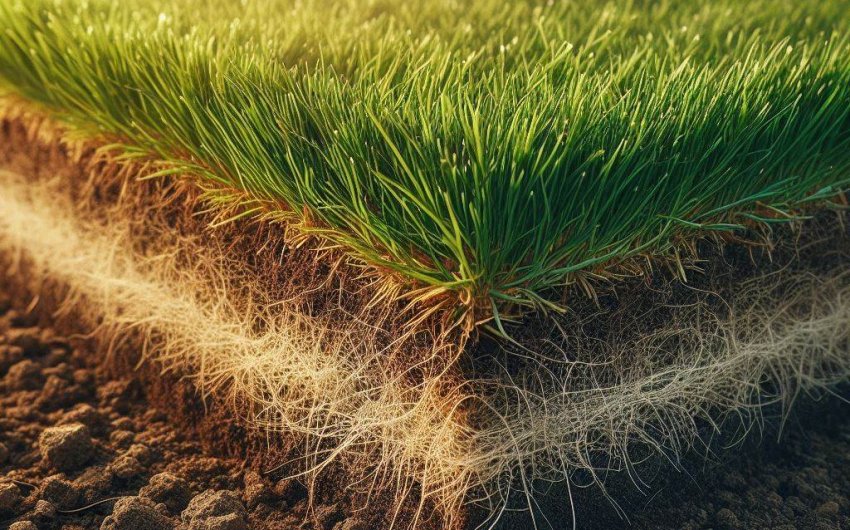
A thatch layer is a common issue for many lawns. Thatch is the dense layer of dead and living plant material, including roots and stems, that accumulates between the grass and soil. While a thin layer of thatch can benefit your lawn by protecting the roots and retaining moisture, excessive thatch can suffocate the grass, restrict nutrient flow, and make your lawn prone to disease. Understanding how to manage and reduce thatch buildup is essential to keeping your lawn healthy and thriving.
What Causes Thatch in Lawns?
Thatch builds up when organic material, like dead grass and roots, accumulates faster than it can decompose. Factors that contribute to thatch buildup include:
- Over-fertilizing: Excess fertilizer promotes rapid growth, which adds more organic material to the lawn than it can break down.
- Improper Watering: Overwatering limits oxygen in the soil, slowing down microbial activity that would otherwise break down thatch.
- Compacted Soil: Compacted soil restricts root growth and hinders decomposition processes.
If left untreated, thick thatch can lead to a spongey, uneven lawn and make it harder for your grass to absorb water and nutrients.
1. Test the Thickness of the Thatch Layer
The first step to managing thatch is to assess how much you actually have. A healthy lawn has a thatch layer of about ½ inch or less, which allows for protection without suffocating the grass.
- How to Measure: Insert a garden spade or small trowel into the lawn and lift up a small section. Examine the layer of plant material between the soil and grass blades.
- Signs of Excess Thatch: A spongy, uneven lawn surface is a good indicator of excessive thatch.
Using a garden trowel helps you get a close look at your lawn, making it easier to measure the thickness of the thatch layer.
2. Choose the Right Time to Dethatch
Dethatching is the process of removing excess thatch. Timing is important, as dethatching during the wrong season can stress your lawn further.
- Cool-Season Grasses: Dethatch in early fall or early spring when the grass is actively growing.
- Warm-Season Grasses: For warm-season grasses, late spring or early summer is the best time for dethatching.
Using a lawn care calendar can help you keep track of the best times to dethatch your lawn based on the type of grass you have.
3. Select the Appropriate Dethatching Method
There are different tools and methods for dethatching, each suited to various lawn conditions and levels of thatch buildup. The two main methods are manual and mechanical dethatching.
- Manual Dethatching: A dethatching rake is a simple tool you can use to pull up thatch manually. It’s best for small lawns or areas with minimal thatch buildup.
- Mechanical Dethatching: A power dethatcher, or lawn scarifier, is a machine that efficiently removes thick thatch from larger lawns.
Using a dethatching rake for smaller lawns can save you from over-removing grass, while a power dethatcher is helpful for thicker, larger thatch layers.
4. Aerate to Alleviate Compaction and Improve Decomposition
After dethatching, aeration can help to break up compacted soil, promoting better water and nutrient absorption. Aeration also encourages microbial activity, which speeds up the breakdown of organic material, preventing future thatch buildup.
- Core Aeration: This method removes small plugs of soil, creating air pockets that relieve compaction.
- Spike Aeration: Spike aeration pokes holes in the soil but doesn’t remove plugs, making it less effective for highly compacted soil.
Using a manual core aerator helps create channels in the soil, which reduces compaction and promotes healthier root growth.
5. Adjust Your Watering Routine
Overwatering is one of the main culprits of thatch buildup because it reduces the oxygen level in the soil, slowing down the decomposition process. Modifying your watering practices can significantly reduce the risk of future thatch issues.
- Water Deeply and Infrequently: Aim for 1 inch of water per week, ideally applied in one or two deep watering sessions.
- Early Morning Watering: Watering early in the day allows moisture to penetrate deeply without creating overly damp conditions that contribute to thatch.
Using a sprinkler timer can help you regulate watering schedules, ensuring the soil absorbs water without becoming overly saturated.
6. Use Organic Fertilizers to Prevent Rapid Growth
Excessive fertilizer, especially high-nitrogen types, can accelerate grass growth, leading to more organic material and a thicker thatch layer. Switching to organic fertilizers can help control growth more naturally.
- Slow-Release Fertilizer: Choose a slow-release fertilizer to deliver nutrients steadily, reducing the rapid growth that contributes to thatch.
- Fertilize Sparingly: Apply fertilizer twice a year—spring and fall—for most grass types to avoid overgrowth.
A slow-release lawn fertilizer provides essential nutrients without encouraging excessive thatch-producing growth.
7. Compost Grass Clippings to Reduce Thatch Buildup
Grass clippings can contribute to thatch if they accumulate too quickly. Instead of letting them pile up on the lawn, consider composting them.
- Compost Bin: Set up a compost bin for grass clippings and other organic materials.
- Mulching Mower: If you prefer to leave clippings on the lawn, use a mulching mower to break them into tiny pieces that decompose quickly.
Using a mulching mower ensures clippings are finely chopped, making them less likely to contribute to thatch buildup.
8. Introduce Microbial Activity with Compost or Soil Amendments
Encouraging microbial activity in the soil helps break down organic material, naturally reducing thatch. Adding compost or microbial-rich soil amendments can increase microbial populations in the soil.
- Apply Compost: Spread a thin layer of compost on the lawn to improve soil health and promote decomposition.
- Use Liquid Soil Amendments: Products like compost tea or humic acid encourage beneficial microbes in the soil.
Using compost tea can introduce beneficial bacteria to the soil, aiding in organic matter breakdown and reducing thatch layers.
9. Avoid Cutting Grass Too Short
Scalping your lawn (cutting it too short) stresses the grass and increases thatch production. Mowing your grass to the right height can prevent thatch buildup and keep your lawn healthy.
- Mowing Height: Set your mower blade to about 3 inches for most grass types, which promotes deep root growth and discourages rapid thatch-producing growth.
- Use Sharp Blades: Mow with sharp blades to avoid tearing the grass, which can contribute to excess organic material on the soil.
Using a lawn mower with adjustable height makes it easy to maintain the correct mowing height, reducing the risk of thatch.
10. Overseed to Increase Grass Density
Overseeding helps improve the density of your lawn, allowing it to outcompete weeds and cover bare spots where thatch might build up.
- Timing: Overseed in the fall for cool-season grasses or late spring for warm-season grasses.
- Seed Selection: Choose grass varieties that are less prone to thatch production, like fine fescue or perennial ryegrass.
Using a grass seed spreader ensures even distribution, helping to fill in thin spots and keep thatch under control.
11. Apply a Light Topdressing of Sand or Compost
Topdressing with a thin layer of sand or compost helps improve drainage and adds organic matter, supporting healthier root growth and reducing thatch accumulation.
- Application: Spread a ¼-inch layer of sand or compost over the lawn after dethatching.
- Benefits: Topdressing enhances soil aeration and encourages natural decomposition of thatch.
Using a topdressing spreader can help you apply an even layer of sand or compost, which benefits the soil structure and limits thatch.
12. Monitor Soil pH Levels
Thatch buildup can sometimes result from improper soil pH, which inhibits microbial activity and slows down the decomposition of organic material. Testing and adjusting your soil’s pH can improve grass health and reduce thatch issues.
- Testing: Use a soil pH tester to check the pH. Grass generally thrives in soil with a pH between 6.0 and 7.0.
- Adjusting pH: If pH is too low, add lime to raise it; if too high, add sulfur to lower it.
Using a soil pH tester can help you make necessary adjustments to keep the soil environment conducive to decomposition.
13. Encourage Earthworm Activity
Earthworms naturally aerate the soil, breaking up thatch and adding organic matter as they move through it. Encouraging earthworm populations in your lawn can help reduce compaction and promote decomposition.
- Organic Fertilizer: Avoid synthetic fertilizers, which can discourage earthworms, and opt for organic options instead.
- Compost: Add compost to the lawn to attract more earthworms.
Using worm castings as a soil amendment can increase earthworm activity, helping break down thatch and improve soil health.
14. Keep Grass Varieties in Mind
Certain types of grass naturally produce more thatch than others. Choosing grass varieties that are less prone to thatch can help maintain a healthier lawn with minimal buildup.
- Low-Thatch Grasses: Fine fescues and perennial ryegrass produce less thatch and are ideal for lawns where thatch has been an issue.
- Avoid Thatch-Prone Species: Kentucky bluegrass and Bermuda grass are more prone to thatch buildup due to their dense root systems.
Using a low-thatch grass seed can make lawn maintenance easier and help reduce the need for frequent dethatching.
15. Rotate Dethatching and Aerating Every Year
Regularly dethatching and aerating can keep thatch levels under control and improve overall lawn health. Rotating these activities each year can prevent excessive buildup without stressing the lawn.
- Dethatch Every 1-2 Years: Dethatch only when necessary to avoid damaging healthy grass.
- Aerate Annually: Aerate once a year to relieve compaction and support good soil structure.
Using a lawn care planner helps organize maintenance tasks, ensuring that your lawn remains healthy and free from excessive thatch buildup.