
How to Treat Lawn Burn from Fertilizer Overuse?
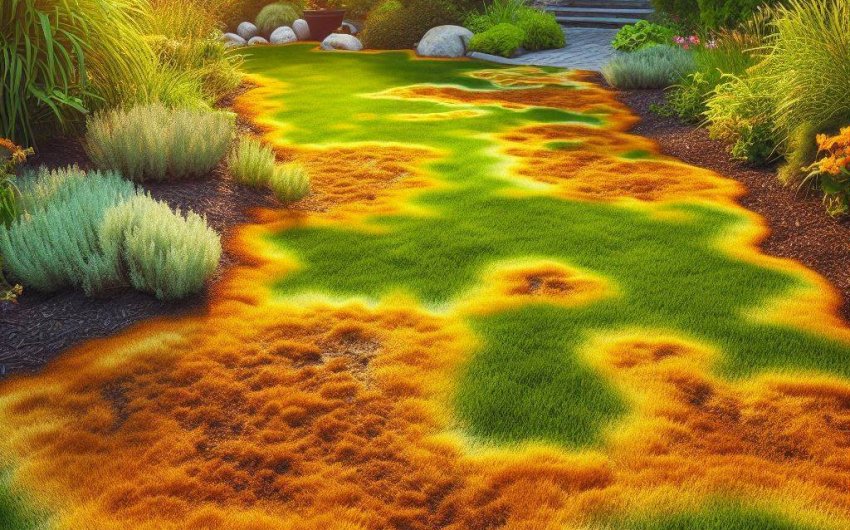
Lawn burn caused by fertilizer overuse is a common problem that many homeowners encounter. Fertilizers are essential for keeping your grass healthy and vibrant, but too much can damage the lawn, leaving unsightly brown or yellow patches. Fortunately, with the right approach, you can restore your lawn to its lush, green state and prevent future damage. Here’s a step-by-step guide on how to treat lawn burn from fertilizer overuse and prevent it from happening again.
What Causes Fertilizer Burn?
Fertilizer burn occurs when too much fertilizer is applied to the lawn. The high concentration of nutrients, especially salts, draws moisture out of the grass, resulting in dry, brown patches. Fertilizers are rich in nitrogen, phosphorus, and potassium, which are beneficial for lawn growth in the right amounts. However, an excess of these nutrients can become harmful, stressing the grass and causing dehydration.
Signs of fertilizer burn include:
- Yellow, brown, or scorched patches on the grass
- Dry, brittle, or shriveled grass blades
- A strong chemical smell in the affected areas
1. Water the Lawn Thoroughly to Flush Out Excess Fertilizer
One of the first steps in treating fertilizer burn is to flush out the excess fertilizer. Watering helps dilute and wash away the high concentration of salts in the soil.
- Deep Watering: Water deeply, aiming to soak the lawn to a depth of 6 inches. This will help move the fertilizer further into the soil, away from the roots.
- Frequency: Water consistently for the next few days, giving the soil time to flush out the nutrients without drowning the grass.
Using a garden sprinkler with an adjustable setting helps you water evenly and avoid over-saturating specific areas.
2. Remove Burned Grass Patches
After flushing the soil, it’s best to remove the severely burned patches to give new grass space to grow. Clearing out the dead grass helps prevent fungal diseases and encourages fresh, healthy growth.
- Rake Out Dead Grass: Use a garden rake to gently remove the yellow and brown patches.
- Dispose Properly: Be sure to dispose of the dead grass clippings to avoid spreading the excess fertilizer to other areas of your lawn.
A lawn rake can make it easier to clear out dead patches without disturbing healthy grass nearby.
3. Aerate the Lawn for Better Absorption
Aeration helps break up compacted soil, allowing water, air, and nutrients to penetrate deeper. This process is especially helpful in areas affected by fertilizer burn, as it helps the soil absorb moisture better.
- Core Aeration: Use a core aerator to remove small plugs of soil from the lawn. This increases water penetration, helping to flush away excess fertilizer salts more effectively.
- Spike Aeration: Spike aeration can also be used but may not be as effective for heavily burned areas.
Using a manual core aerator allows you to focus on specific spots, improving soil health and encouraging new growth.
4. Test the Soil pH Levels
Excessive fertilizer use can lead to imbalances in soil pH, which may further hinder grass growth. Testing the soil’s pH will help you determine if adjustments are needed.
- Ideal pH for Grass: Most grasses thrive in a pH range of 6.0 to 7.0.
- Adjusting pH: If the pH is too high or low, consider adding lime to raise the pH or sulfur to lower it as necessary.
Using a soil pH tester can help you monitor soil conditions and ensure they’re suitable for healthy grass growth.
5. Apply Organic Matter to Replenish Nutrients
Once you’ve watered, aerated, and tested the soil, it’s time to add organic matter. This helps restore essential nutrients without the risk of further burning the grass.
- Compost: Spread a thin layer of compost over the lawn to improve soil health.
- Topdress with Soil: Applying a light layer of topsoil can help enrich nutrient-depleted areas without the harshness of synthetic fertilizers.
Using organic compost provides a safe, gentle way to improve soil quality and help the lawn recover from fertilizer burn.
6. Reseed Burned Patches
Reseeding is essential for restoring damaged areas with fresh, healthy grass. Choose a grass seed that matches your existing lawn type for a uniform look.
- Prepare the Soil: Loosen the soil in the burned areas with a garden rake to ensure good seed-to-soil contact.
- Spread Grass Seed: Evenly distribute the seed over the affected patches.
- Water Lightly: Keep the soil consistently moist until the new grass germinates.
Using a grass seed spreader can help you achieve even coverage, ensuring thick, uniform growth in treated areas.
7. Mulch the Reseeded Areas
After applying the grass seed, adding a light layer of mulch can help protect it from drying out, especially if you’re treating burn during warm weather.
- Use Straw or Peat Moss: These materials work well for retaining moisture and protecting the new grass seed.
- Thin Layer: Apply a thin, even layer over the reseeded areas, ensuring it doesn’t block sunlight.
Using a mulching kit can make it easier to cover large areas, helping the seeds stay in place and encouraging successful germination.
8. Water Lightly and Frequently
For new grass to establish itself in burned areas, it’s essential to water lightly and frequently. Overwatering, however, can wash away seeds or promote fungal growth.
- Moist Soil: Keep the soil consistently moist, but not waterlogged.
- Avoid Overwatering: Reduce the frequency as the grass begins to grow to encourage deeper root development.
A sprinkler system with a timer can help you manage watering schedules and prevent over-saturation.
9. Avoid Mowing Newly Seeded Areas
Avoid mowing freshly seeded areas until the grass has grown to a height of 3-4 inches. Mowing too early can uproot the tender young grass and slow down recovery.
- Wait Until Fully Established: Let the new grass reach its recommended mowing height before you cut it.
- Use Sharp Blades: When you mow, ensure that your mower blades are sharp to avoid pulling on new grass.
Using a lawn mower with adjustable height makes it easier to avoid cutting the new grass too short, promoting a strong, healthy lawn.
10. Reduce Fertilizer Use and Opt for Organic Options
To prevent future burns, consider reducing the amount of fertilizer you use and choosing organic or slow-release options.
- Organic Fertilizer: Organic fertilizers release nutrients slowly, reducing the risk of over-fertilization and burn.
- Apply Sparingly: Apply fertilizers at the recommended rates and avoid fertilizing during hot or dry weather.
Using a slow-release fertilizer is a great way to provide consistent nutrients to the lawn without overloading it.
11. Avoid Fertilizing Right Before Heavy Rain
Applying fertilizer just before heavy rain can lead to over-saturation, washing the nutrients into the soil too quickly and potentially causing burn.
- Check Weather Forecast: Wait for a few days of dry weather before fertilizing.
- Watering Consideration: Lightly water in the fertilizer if there’s no rain in the forecast.
Using a weather monitor can help you choose the best times for fertilizing, avoiding conditions that could lead to lawn burn.
12. Monitor Your Lawn Regularly
Keeping an eye on your lawn can help you catch signs of fertilizer burn early, allowing you to treat it before it becomes widespread.
- Inspect Weekly: Look for areas with discoloration, dryness, or changes in texture.
- Adjust Practices: Make adjustments to your watering, fertilizing, and mowing practices as necessary.
Using a lawn journal allows you to record any changes, making it easier to spot patterns and identify potential issues before they escalate.
13. Try Fertilizer Alternatives
If your lawn is prone to burning from fertilizer, consider using alternative nutrient sources, such as compost or organic soil amendments.
- Compost Tea: Compost tea provides a gentle, balanced nutrient boost for grass.
- Fish Emulsion: Fish emulsion is another organic option that nourishes grass without risking burn.
Using compost tea bags allows you to brew a safe, nutrient-rich solution that benefits your lawn without overloading it.
14. Rotate Fertilizer Types
Different fertilizers contain varying nutrient ratios, which can help prevent any one nutrient from accumulating to toxic levels. Rotating fertilizer types can help reduce the risk of burn.
- Alternating Nutrients: Try using a balanced fertilizer in spring and a lower-nitrogen option in the summer.
- Reduced Concentration: Use diluted or half-strength applications to avoid overwhelming the grass.
Using a balanced lawn fertilizer gives you a safe option for maintaining a healthy lawn without overloading it with any single nutrient.
15. Educate Yourself on Fertilizer Labels
Understanding the numbers on fertilizer bags is crucial to avoid overuse. The three numbers represent the percentages of nitrogen (N), phosphorus (P), and potassium (K). High numbers indicate a strong concentration, which can quickly lead to lawn burn if overused.
- Choose Proper Ratios: For regular maintenance, look for balanced fertilizers with even ratios (such as 10-10-10).
- Know Your Lawn’s Needs: Test your soil to determine which nutrients your lawn actually needs.
Using a soil test kit provides insight into your lawn’s specific nutrient requirements, allowing you to choose the right fertilizer formula.
16. Take Breaks Between Fertilizing Sessions
Applying fertilizer too frequently can contribute to build-up and increase the risk of lawn burn. Stick to a set schedule that allows time between applications.
- Seasonal Schedule: Fertilize in spring and early fall, avoiding high summer and late fall when grass is more sensitive.
- Stick to Recommendations: Follow package instructions for frequency and application rates.
Using a lawn care planner helps keep track of your fertilizing schedule, ensuring you don’t accidentally over-apply.
17. Use a Spreader for Even Application
Uneven fertilizer application can lead to concentrated areas that are more prone to burn. Using a spreader helps distribute fertilizer evenly across the lawn.
- Broadcast Spreader: This type of spreader disperses fertilizer evenly and is ideal for large lawns.
- Drop Spreader: A drop spreader provides more control, making it ideal for small lawns or precision applications.
Using a lawn spreader prevents uneven application, reducing the risk of hot spots that lead to burn.