
Reflective Pinwheels for Gardens - 10 Pack Bird-Scaring Wind Spinners
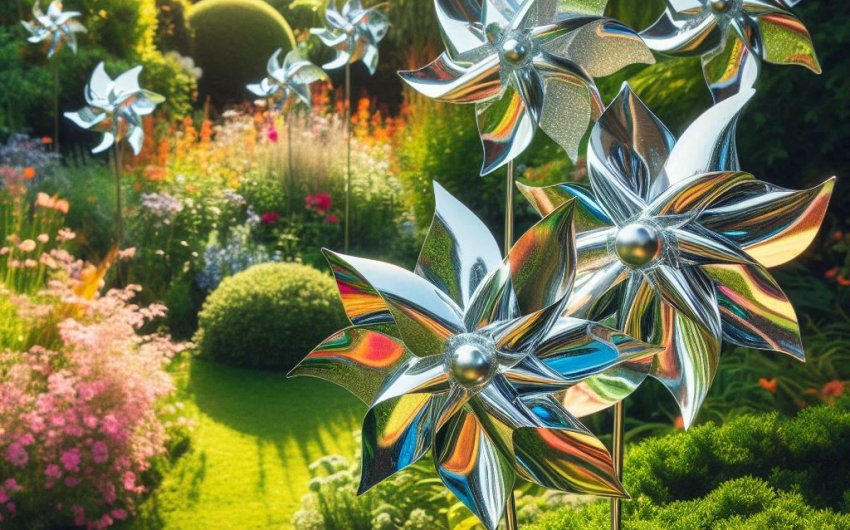
Do Birds Cause Trouble in Your Garden?
Do you love your garden but hate when birds eat your fruits and vegetables? It can be really frustrating. You work hard to grow beautiful plants, and then birds come and peck at them. They can ruin your berries, cherries, and even newly planted seeds. It's a common problem for many gardeners. You might have tried different ways to keep them away. Maybe you've used old CDs or plastic bags. Sometimes these things work for a little while, but the birds often get used to them. You need something that keeps them guessing. Something that looks good and works well.
What Are Reflective Pinwheels?
Reflective pinwheels are a clever tool for your garden. They are like small windmills. But they have a special purpose. They are designed to scare birds away. How do they do this? They use light and motion. Each pinwheel has a shiny surface. This surface catches the sunlight. When the wind blows, the pinwheel spins. This spinning makes light flash and move. Birds don't like sudden flashes of light. It makes them feel unsafe. The constant movement also bothers them. It's not a steady thing they can get used to. It's always changing. This makes them fly away from your precious plants.
How Do Reflective Pinwheels Work to Scare Birds?
The way reflective pinwheels work is quite simple but very effective. Think about how a bird sees things. They are very sensitive to movement and bright flashes.
Flashing Light: When the sunlight hits the shiny surface of the pinwheel, it bounces off in many directions. As the pinwheel spins, these flashes of light are not constant. They are always changing. This makes the birds feel uneasy. It's like a tiny, harmless strobe light in your garden. Birds see this as a sign of danger. They think something is moving quickly or flashing at them. This makes them want to leave. You can find effective options like the bird repellent pinwheels that combine reflective surfaces with a sturdy design.
Constant Motion: The pinwheels are always spinning when there is a breeze. This constant, unpredictable movement is also a big deterrent for birds. Birds like to feel safe and settled. A constantly moving object makes them nervous. They can't land easily or feel comfortable eating your plants if something is always moving nearby. It suggests that the area is not safe for them.
Visual Deterrent: Reflective pinwheels create a visual barrier. Birds see the flashes and movement from a distance. This tells them to avoid that area. It's not about hurting the birds. It's about making them think your garden is not a good place to land. It's a humane way to protect your plants.
AdvertisementSound (Subtle): While not their main feature, some pinwheels can also make a very subtle whirring sound when they spin fast. This small sound, combined with the visual effects, can add to the deterrent. It’s not loud enough to bother you, but it's another small sensory input that tells the birds to steer clear.
Why Choose a 10-Pack of Bird-Scaring Wind Spinners?
Getting a 10-pack of reflective pinwheels is a smart choice for a few reasons. One or two pinwheels might help a small area. But if you have a bigger garden, you need more coverage.
More Coverage for Your Garden
A single pinwheel might protect one berry bush. But what about your whole vegetable patch? Or your rows of corn? A 10-pack lets you spread them out. You can place them strategically. This creates a wider zone of protection. You can put them around the edges of your garden. You can also place them closer to plants that birds love to attack. Think about your reflective pinwheels bird deterrent needs for a larger space.
Increased Effectiveness
More pinwheels mean more flashes and more movement. This makes the deterrent much stronger. Imagine ten bright, spinning objects. This is much more intimidating for a bird than just one. It creates a "wall" of activity that birds are less likely to fly through. It makes your garden look very busy and unappealing to them.
Versatility in Placement
With ten pinwheels, you have options. You can put them in your garden beds. You can put them near your fruit trees. You can even put them in flower pots on your patio. If you have a problem with birds on your deck, you can place a few there. This pack gives you the flexibility to protect all the different areas that birds might target. For example, consider placing holographic bird repellent pinwheels strategically around your most vulnerable plants.
Cost-Effective Solution
Buying a 10-pack is often more affordable than buying individual pinwheels. You get more value for your money. It's a good investment for long-term bird control. You won't have to keep buying new ones every time you need to protect a different spot.
What Kinds of Birds Do Reflective Pinwheels Deter?
Reflective pinwheels are good for scaring many different types of birds. They are especially effective against birds that are easily startled by sudden movements and flashes of light.
Common Garden Pests
Many of the birds that cause the most trouble in gardens are deterred by these pinwheels. This includes:
- Sparrows: These small birds are common and love to peck at seeds and young plants.
- Starlings: Starlings can flock in large numbers and devastate fruit crops quickly.
- Robins: While beautiful, robins are also known for eating berries.
- Finches: Some finch species are very fond of seeds and flower buds.
- Crows and Jays: Larger birds like crows and jays are often wary of anything new or unusual. The flashes can make them think twice.
- Pigeons: If you have pigeons landing on your raised beds or patio, pinwheels can help keep them away.
The key is that the pinwheels create an environment that feels unsafe and unpredictable to these birds. It's not just one type of bird that gets scared. It's most of the common garden visitors who are looking for an easy meal. Placing options like the garden bird repellent reflective spinner near problem areas can make a significant difference.
Where Should You Place Your Reflective Pinwheels?
Placing your reflective pinwheels in the right spots is important for them to work best. Think about where the birds are causing the most problems.
Near Fruit and Vegetable Plants
This is the most obvious place. Put pinwheels near your berry bushes, cherry trees, tomato plants, and corn stalks. These are often the first targets for hungry birds. You want to create a protective zone around your valuable crops. For example, use wind spinner bird deterrents directly in garden beds.
In Seedling Beds
When you first plant seeds, they are very vulnerable. Birds love to scratch up freshly tilled soil looking for seeds or small sprouts. Placing pinwheels in your seedling beds can protect your new plants right from the start.
On Patios and Decks
If birds are making a mess on your patio or deck, you can use pinwheels there too. You can stick them in large pots or even secure them to railings. This can help keep birds from nesting or leaving droppings.
Around Koi Ponds
Do you have a koi pond? Herons and other large birds can be a big problem for fish. Placing pinwheels around the edge of your pond can help deter these larger predators. The flashes and movement will make them think twice before trying to fish in your pond.
In Rows or Clusters
Don't just place them randomly. For larger areas, consider placing the pinwheels in a line or in small groups. This creates a more concentrated effect. If you have a long row of blueberries, space the pinwheels every few feet along the row. This makes a continuous moving, flashing barrier. Options like a windmills to scare birds often come in bright colors that enhance their visibility.
High Enough to Catch the Wind
Make sure the pinwheels are placed where they can catch the wind. They need to spin to work. Don't put them where they will be blocked by tall plants or buildings. The higher they are, the more wind they will catch, and the more visible they will be to incoming birds. Use a stake that is tall enough for the pinwheel to clear surrounding foliage.
Are Reflective Pinwheels Safe for Birds and Pets?
Yes, reflective pinwheels are a very safe and humane way to deter birds. They do not harm the birds in any way. They simply make your garden less appealing to them.
No Harm to Birds
Unlike nets that can trap birds, or sprays that can be harmful, pinwheels just scare them away. The flashing lights and movement are an irritant, not a danger. The birds learn to avoid the area because it makes them feel uncomfortable, not because they are being hurt. This is important for gardeners who want to protect their plants without harming wildlife. Choosing items like holographic bird deterrent pinwheels ensures you're using a safe and non-toxic method.
Safe for Pets and Children
Pinwheels are also completely safe for your pets and children. They are not made with any harmful chemicals. They are not sharp. They are simply decorative objects that move in the wind. Your dog or cat might be curious about them at first, but they won't be harmed. Children often find them fun to watch. They are a much better option than using chemical repellents or other methods that could be dangerous.
Environmentally Friendly
Because they rely on light and motion from the wind, reflective pinwheels are also an environmentally friendly solution. They don't use any electricity. They don't add any pollution to your garden. They are a natural way to solve a natural problem. This aligns well with sustainable gardening practices. A product like the pinwheels to keep birds away is a great example of an eco-friendly choice.
How Do Reflective Pinwheels Compare to Other Bird Deterrents?
There are many ways to try and keep birds out of your garden. Let's compare reflective pinwheels to some other common methods.
Netting
Netting is very effective at keeping birds out. It creates a physical barrier. However, netting can be expensive, hard to set up, and often looks messy. It can also sometimes trap birds if it's not installed perfectly, which is not humane. Pinwheels are much easier to install and move. They are also much more visually appealing than large stretches of netting. Plus, pinwheels allow easy access to your plants for harvesting, unlike netting that needs to be removed or lifted.
Scarecrows
Traditional scarecrows rely on a human-like figure to scare birds. But birds are smart. They quickly learn that a scarecrow isn't real and doesn't move. They get used to it very fast. Pinwheels offer constant movement and unpredictable flashes, which birds find much harder to get used to. They are a dynamic deterrent compared to a static scarecrow.
Sound Devices
Some devices use loud sounds or predator calls to scare birds. These can be effective, but they can also be annoying to you and your neighbors. Imagine hearing loud squawks or alarms all day. Pinwheels are mostly silent, only a faint whirring in strong wind, which is far less disruptive. They work on a visual level, not an auditory one that can disturb your peace. Consider how pinwheels for garden bird repellent can work without noise.
Chemical Repellents
Chemical sprays are sometimes used to make plants taste bad to birds. However, these can be harmful to other wildlife, pets, or even humans if not used correctly. They also need to be reapplied after rain. Pinwheels are a chemical-free solution. They require no reapplication and pose no risk to anything in your garden beyond making it less attractive to birds.
Predator Decoys (Owls, Hawks)
Plastic owl or hawk decoys can work for a short time. But just like scarecrows, birds soon figure out they are not real and don't move. They become part of the scenery. Pinwheels continuously move and flash, making them a more dynamic and less predictable threat. The effectiveness of something like a bird scaring wind spinner comes from its constant activity.
How to Maximize the Effectiveness of Your Reflective Pinwheels?
To get the best results from your reflective pinwheels, here are some tips:
Change Placement Regularly
Birds are intelligent. If the pinwheels are in the exact same spot all the time, birds might eventually get used to them. Every few weeks, move your pinwheels to different spots in your garden. This keeps the birds guessing and makes the deterrent more effective long-term. Even a small change in angle or height can make a difference.
Use in Conjunction with Other Methods
While pinwheels are good on their own, they work even better when used with other humane deterrents. For example, you could use pinwheels around your berry bushes and then place some reflective tape or strips higher up on a nearby fence. This creates a multi-layered defense. The more different types of deterrents you use, the less likely birds are to habituate. You might even combine them with an outdoor bird repellent wind spinner for enhanced visual appeal.
Ensure Good Sunlight Exposure
For the pinwheels to be most effective, they need sunlight. Place them in areas of your garden that get direct sunlight for most of the day. This will maximize the amount of flash they produce. If they are in the shade, they won't reflect as much light and won't be as noticeable to birds.
Check for Free Spinning
Make sure your pinwheels can spin freely. Check them now and then to make sure no dirt or debris is stuck in the mechanism. If they don't spin, they won't work. A quick wipe down can ensure they are always ready to move with the slightest breeze.
Install Before Problems Start
It's often easier to prevent a problem than to fix one. Install your pinwheels early in the season, before birds have established your garden as a regular feeding spot. If they arrive and immediately see the deterrents, they are more likely to find another place to forage. This pre-emptive approach can save your crops from the beginning. Consider adding reflective garden pinwheels as soon as you plant.
Are Reflective Pinwheels Durable?
When you buy a product for your garden, you want it to last. Reflective pinwheels are generally made to be quite durable.
Weather-Resistant Materials
Most reflective pinwheels are made from materials like strong plastic or Mylar that can stand up to different kinds of weather. They are designed to be outdoors. They can handle rain, wind, and sunlight. The colors and reflective surfaces are often treated to resist fading, so they stay shiny and effective for a long time. For example, look for garden spinners bird repellent made from durable plastics.
Simple Design, Less to Break
The design of a pinwheel is very simple. There are not many moving parts that can break. This simple design makes them very sturdy. As long as they are not roughly handled or installed in a way that puts too much strain on them, they should last through many gardening seasons. The central pin and the plastic fins are usually tough enough for outdoor use.
Easy to Store
At the end of the gardening season, or if you need to do major work in your garden, pinwheels are easy to take down and store. They don't take up much space. Storing them in a shed or garage during harsh winter months can extend their life even further. This way, they are ready to go when spring arrives again.
Can Reflective Pinwheels Be Used for More Than Just Gardens?
Yes, reflective pinwheels are versatile. Their ability to scare birds can be useful in many other places, not just your garden.
Protecting Docks and Boats
If you have a dock or a boat, birds (especially gulls and cormorants) can be a big nuisance. They leave droppings and can damage surfaces. Placing pinwheels on your dock posts or on your boat can help keep them away. The constant movement and flashes over the water are very effective. Look for a bird deterrent wind spinner for boats.
Around Rooftops and Eaves
Birds like to nest under eaves or on rooftops, which can cause a lot of mess and even damage. While it might be trickier to install, pinwheels can be secured in these areas to deter nesting. This is particularly helpful for preventing pigeons or sparrows from taking up residence.
On Balconies and Porches
If you live in an apartment or have a small outdoor space, birds can still be a problem. They might perch on your balcony railing or try to nest on your porch. Sticking a few pinwheels in planters or securing them to railings can keep these areas clean and bird-free.
Near Air Conditioning Units
Birds sometimes build nests near or inside air conditioning units, which can lead to costly repairs. Placing a pinwheel near these units can discourage birds from settling there. The movement and flashes make the area seem unwelcoming.
Agricultural Fields
For larger scale farming, such as a small orchard or a cornfield, a greater number of pinwheels can be used. While not a complete solution for vast areas, a concentrated effort with many pinwheels can significantly reduce bird damage in vulnerable sections. Farmers sometimes use these as part of an integrated pest management strategy. Products like the reflective bird scare spinner are adaptable for various uses.
Do Reflective Pinwheels Look Good in the Garden?
Many gardeners care about how their garden looks. The good news is that reflective pinwheels can actually add a nice touch to your outdoor space.
Add Sparkle and Movement
They are not just functional; they are also decorative. On a sunny day, the flashing light from the pinwheels can create a beautiful, sparkling effect in your garden. The constant motion adds a dynamic element that makes your garden feel alive. They catch the eye in a pleasant way, reflecting the beauty of the sunlight. This is often preferable to nets or other less attractive deterrents.
Bright Colors
Many reflective pinwheels come in bright, vibrant colors. These colors can add a pop of cheerfulness to your flower beds or vegetable patches. They are designed to be noticed, both by birds and by people who visit your garden. You can often find them in rainbow colors or metallic silver, which complements most garden aesthetics. Think of them as a fun, moving ornament that also serves a purpose. A garden reflective bird deterrent can also be quite stylish.
A Fun Element for Children
Children are often fascinated by pinwheels. They love watching them spin in the wind. Having pinwheels in your garden can make it a more inviting and fun place for younger family members. It's a way to involve them in the garden experience, even if they're just enjoying the moving decorations.
Less Obtrusive Than Other Methods
Compared to large, dark netting or bulky scarecrows, reflective pinwheels are quite small and light. They blend into the garden much more easily. They don't block views or make your garden feel enclosed. This allows you to enjoy the open feel of your outdoor space while still protecting your plants. They are a much more subtle and aesthetically pleasing solution.
What Maintenance Do Reflective Pinwheels Need?
Reflective pinwheels are pretty low-maintenance, which is another one of their benefits.
Occasional Cleaning
Over time, dust or dirt might build up on the reflective surfaces. This can dull their shine and make them less effective. Every now and then, give your pinwheels a quick wipe with a damp cloth. This will keep them sparkling and ensure they reflect the maximum amount of light. You can also spray them gently with a hose to rinse off any grime.
Check for Obstructions
Make sure that nothing is blocking the pinwheel from spinning freely. Sometimes a leaf might get caught, or the stake might lean against another plant. A quick check to ensure they can spin without resistance will keep them working at their best.
Re-staking if Needed
In very loose soil or after strong winds, the stakes holding the pinwheels might lean or become loose. If you notice a pinwheel isn't standing straight or is wobbly, simply push the stake deeper into the ground or re-position it. A firm base is important for stability and proper spinning. For long-term use, ensure your bird repellent pinwheels for gardens are securely anchored.
Winter Storage
If you live in an area with harsh winters, it's a good idea to bring your pinwheels indoors for the coldest months. Extreme cold, heavy snow, or ice can damage the plastic. Storing them in a shed or garage will protect them and make them last much longer. This ensures they are ready for action when spring planting begins again. This simple step can add years to their lifespan.