
How to Deal with Lawn Thatch Buildup?
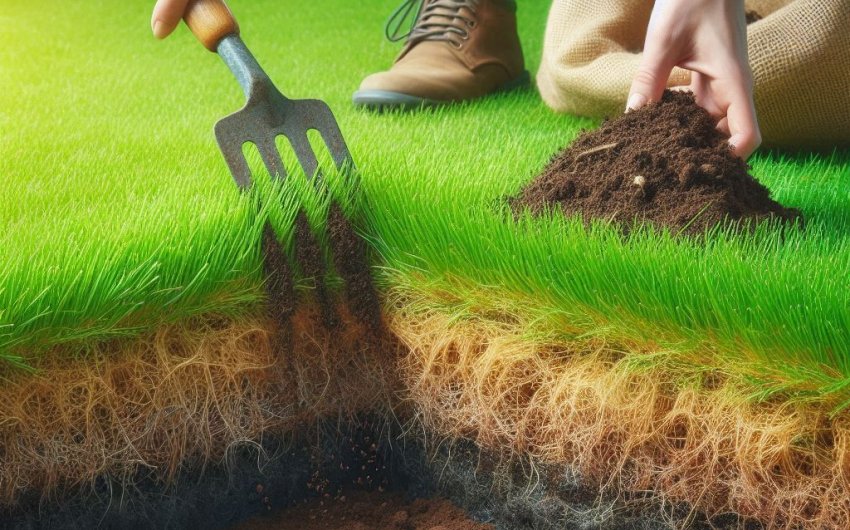
Effectively managing lawn thatch buildup is crucial for cultivating a vibrant and healthy turf. This comprehensive guide will explore the intricacies of thatch accumulation, its detrimental effects on grass, and various strategies to either prevent its formation or remove existing layers. Understanding these techniques is paramount for any homeowner seeking a lush, resilient lawn.
What Exactly is Lawn Thatch?
Understanding what thatch is provides the foundation for effective management. This layer isn't simply dead grass; it's a specific accumulation with unique characteristics and impacts.
Definition of Thatch: Thatch is a tightly interwoven layer of living and dead organic matter that accumulates between the green blades of grass and the soil surface. It's composed primarily of grass stems, roots, and rhizomes (underground stems), along with some leaf tissue, that haven't fully decomposed. Unlike lawn clippings, which typically break down quickly, thatch is more resistant to microbial decomposition.
Components of Thatch:
- Dead Grass Blades: While some dead blades contribute, they usually decompose rapidly.
- Stem Tissue: The tougher, more fibrous parts of grass stems are a significant contributor to thatch, as they break down slowly.
- Rhizomes and Stolons: These are horizontal stems – rhizomes grow underground, and stolons grow above ground – that are part of the grass plant's growth habit. When these parts die, they can become incorporated into the thatch layer.
- Roots: Fine roots that die off are also part of the organic matter that can contribute to thatch.
Why Thatch Accumulates: Thatch builds up when the rate of organic matter production exceeds the rate of decomposition. Several factors can contribute to this imbalance:
- Over-fertilization: Excessive nitrogen fertilizer can lead to rapid top growth, producing more organic matter than the soil microbes can break down.
- Pesticide Use: Some pesticides, particularly fungicides and insecticides, can harm beneficial soil microorganisms that are responsible for decomposing organic matter.
- Soil Compaction: Compacted soil has poor aeration, which can inhibit the activity of aerobic (oxygen-loving) microbes essential for decomposition.
- Improper Watering: Shallow, frequent watering encourages shallow root growth and can create conditions less favorable for microbial activity.
- Grass Type: Certain grass types, especially those that spread by rhizomes and stolons (like Bermuda grass or Zoysia grass), are more prone to thatch buildup because they naturally produce more tough, fibrous organic material.
- Acidic Soil: Extremely acidic soil (low pH) can also inhibit the activity of beneficial microbes.
Optimal Thatch Layer: A very thin layer of thatch, typically less than half an inch (about 1.25 cm), is actually beneficial. This thin layer can act as a natural mulch, helping to:
Advertisement- Conserve Soil Moisture: It reduces evaporation from the soil surface.
- Moderate Soil Temperature: It insulates the soil, keeping it cooler in summer and warmer in winter.
- Protect Grass Crowns: It offers a cushion against foot traffic. However, when this layer becomes thicker than half an inch, it begins to cause problems.
Distinguishing Thatch from Clippings: It's important not to confuse thatch with grass clippings. Clippings, especially when mulched properly, are typically rich in water and nutrients and decompose very quickly, returning valuable organic matter to the soil. Thatch, on the other hand, is a more persistent layer of organic debris. If you see clippings on the surface, they are unlikely to contribute to thatch unless the grass is cut when wet or excessively long, causing large clumps.
By understanding these aspects, homeowners can better identify and address the causes of their lawn thatch buildup, leading to more effective management strategies.
How Does Thatch Harm Your Lawn?
While a thin layer of thatch can be beneficial, an excessive accumulation poses significant threats to the health and vitality of your grass. These negative impacts manifest in various ways, hindering growth and making the lawn more susceptible to stress and disease.
Restricted Water Penetration: A thick layer of thatch acts like a sponge, but in a counterproductive way. Instead of allowing water to easily pass through to the soil, it intercepts and holds a large percentage of it.
- Shallow Roots: Because water is held in the thatch layer and not reaching the soil efficiently, grass roots tend to grow shallowly, just above or within the thatch. This makes the lawn extremely vulnerable to drought stress and hot weather.
- Evaporation Loss: Water trapped in the thatch layer is also more prone to evaporation, meaning less water actually reaches the root zone. You end up wasting water without adequately hydrating your turf.
Impeded Air Circulation: Just like roots need water, they also require oxygen. A dense thatch layer forms a barrier that significantly reduces the exchange of gases between the atmosphere and the soil.
- Anaerobic Conditions: Poor air circulation leads to anaerobic (low oxygen) conditions in the soil. This harms beneficial aerobic microorganisms that are crucial for breaking down organic matter and releasing nutrients.
- Weakened Roots: Roots need oxygen for respiration and nutrient uptake. Reduced oxygen supply weakens the root system, making the grass less vigorous and more susceptible to disease.
Nutrient Lock-up: Thatch can "tie up" essential nutrients, making them unavailable to the grass roots.
- Microbial Competition: The decomposition process within a thick thatch layer can consume nitrogen, essentially robbing the grass of this vital nutrient.
- Leaching: Nutrients from fertilizers might be held in the thatch layer and not reach the soil and roots, leading to nutrient deficiencies in the grass, even if you are fertilizing regularly.
Increased Pest and Disease Susceptibility: A thick, moist thatch layer creates an ideal environment for various lawn problems.
- Fungal Diseases: Many common lawn diseases, such as brown patch, dollar spot, and red thread, thrive in the warm, moist conditions provided by excessive thatch. The thatch acts as a perfect breeding ground for fungal pathogens.
- Insect Pests: Pests like chinch bugs, sod webworms, and grubs can find shelter and food within the thatch layer, making them harder to control and allowing their populations to explode.
Reduced Effectiveness of Lawn Treatments: A thick thatch layer significantly reduces the efficacy of almost all lawn care treatments.
- Fertilizers: Granular fertilizers can get trapped in the thatch, dissolving slowly and unevenly, or even washing away before reaching the soil. Liquid fertilizers might just soak into the thatch.
- Herbicides: Pre-emergent herbicides, which need to form a barrier on the soil surface to prevent weed seeds from germinating, are ineffective if they can't reach the soil. Post-emergent herbicides may also struggle to reach the target weeds if they are shielded by thatch.
- Insecticides/Fungicides: These products also need to reach the soil surface or the base of the grass blades to be fully effective, which is difficult with a thick thatch layer.
Scalping During Mowing: When thatch builds up, the grass roots and crowns start to grow within the thatch layer itself, rather than firmly in the soil.
- Uneven Surface: This creates an uneven surface. When you mow, the mower blades can dip into the depressions, cutting the grass too short (scalping) in certain areas, leading to brown patches and stress.
- Damage to Grass Crowns: Scalping can damage the grass crowns, which are the growth points of the grass plants, severely weakening or even killing the grass in those spots.
By understanding these serious repercussions, homeowners are better equipped to recognize the urgent need to address lawn thatch buildup and implement appropriate control measures.
How Can You Check for Thatch Buildup?
Regularly assessing your lawn for thatch is a critical step in proactive turf management. You don't need specialized equipment; a simple visual inspection and a quick manual test will suffice to determine if you have a problem.
Visual Inspection Method:
- Choose a Spot: Select a few different spots in your lawn, particularly areas that might look less healthy or where water seems to be pooling.
- Part the Grass: With your hands, gently part the grass blades down to the soil surface.
- Look for a Layer: Observe the area between the green blades and the soil. You are looking for a distinct, spongy, brownish layer of intertwined organic matter. This is the thatch.
- Assess Thickness: Try to estimate the thickness of this layer. If it's less than half an inch (about 1.25 cm), it's likely a healthy amount. If it's half an inch or more, you have excessive lawn thatch buildup.
The "Knife Test" or "Plug Test": This method provides a more accurate assessment of thatch depth.
- Find a Small Area: Choose a less conspicuous area of your lawn, perhaps near the edge or an area where you suspect thatch.
- Cut a Small Wedge: Using a sharp knife or a small trowel, cut out a small, triangular or square plug of turf. Aim for about 2-3 inches (5-7.5 cm) deep and wide. You want to extract the grass, the thatch layer, and some underlying soil. A soil probe can also be used for a cleaner cut.
- Examine the Plug: Carefully lift the plug. You should be able to clearly distinguish three layers:
- Green Grass Blades: The top layer.
- Brownish Thatch Layer: The spongy layer between the green grass and the soil.
- Darker Soil Layer: The bottom layer.
- Measure Thatch Depth: Use a ruler or tape measure to measure the thickness of the brownish thatch layer. Again, if it's over half an inch, it's considered excessive.
- Return the Plug: Once you've examined it, simply replace the plug back into the hole, pressing it firmly to ensure good contact with the surrounding soil. Water the area to help it settle.
Observe Water Absorption: Another indicator of excessive thatch is how your lawn absorbs water.
- Watering Test: Water a small section of your lawn with a hose or sprinkler.
- Watch and Wait: If you notice that water beads up on the surface, runs off quickly, or seems to stay on top of the grass rather than soaking in promptly, it's a strong sign that a thick thatch layer is impeding water penetration to the soil.
Feel the Sponginess: Walk across your lawn. If it feels excessively springy or spongy underfoot, particularly in certain areas, this can also indicate a significant lawn thatch buildup. The denser the thatch, the more spongy the feel.
By regularly performing these simple checks, you can catch lawn thatch buildup early, allowing you to implement preventative or remedial actions before the problem severely impacts your lawn's health.
When is the Best Time to Dethatch Your Lawn?
Timing is crucial when it comes to dethatching. Performing this intensive process at the wrong time can stress your lawn, leading to slow recovery or even damage. The ideal window depends on your grass type.
Cool-Season Grasses (e.g., Kentucky Bluegrass, Fescue, Ryegrass):
- Early Fall (Late August to October): This is generally the best time for cool-season grasses.
- Why Fall? The cooler temperatures reduce stress on the grass, and adequate rainfall helps with recovery. Dethatching in fall allows the grass ample time to recover and strengthen its root system before winter dormancy. Weeds are also less active in fall, reducing competition.
- Early Spring (Mid-March to Mid-May): This is a secondary, acceptable time if fall isn't possible.
- Why Spring? The grass is coming out of dormancy and beginning active growth, which aids recovery. However, be mindful that dethatching too early in spring can expose the lawn to potential late frosts, and dethatching too late might interfere with summer heat and drought stress.
- Avoid Summer: Never dethatch cool-season grasses during the hot summer months. The intense heat and potential drought conditions will severely stress the grass, making recovery very difficult and potentially leading to permanent damage.
- Early Fall (Late August to October): This is generally the best time for cool-season grasses.
Warm-Season Grasses (e.g., Bermuda Grass, Zoysia Grass, St. Augustine Grass, Centipede Grass):
- Late Spring to Early Summer (Late April to July): This is the optimal window for warm-season grasses.
- Why Late Spring/Early Summer? These grasses are actively growing and vigorous during this period, allowing them to recover quickly from the dethatching process. The warm temperatures are ideal for their growth.
- Avoid Fall and Winter: Do not dethatch warm-season grasses in the fall or winter. They are entering or are in dormancy during these periods, and dethatching would severely damage them with no chance of recovery until the following spring.
- Late Spring to Early Summer (Late April to July): This is the optimal window for warm-season grasses.
General Considerations for Timing:
- Grass Health: Always ensure your lawn is healthy and actively growing before dethatching. A stressed, weak, or diseased lawn should not be dethatched, as this will only worsen its condition. Address underlying problems first.
- Moisture Levels: The soil should be slightly moist, not waterlogged or bone dry. Moist soil makes it easier for the dethatcher to penetrate and extract thatch, while overly wet soil can lead to tearing and compaction.
- Forecast: Check the weather forecast. Choose a period with mild temperatures and a few days of dry weather immediately after dethatching to allow the exposed roots to dry out slightly before subsequent watering.
- Fertilization: Consider fertilizing your lawn a few weeks before dethatching to give it a boost, and then again after dethatching to support its recovery and promote new growth. A starter fertilizer or one high in phosphorus can be beneficial post-dethatching.
By selecting the appropriate time based on your grass type and general lawn conditions, you can maximize the benefits of dethatching while minimizing stress on your turf, ensuring a faster and more complete recovery from lawn thatch buildup.
What Tools Can You Use for Dethatching?
Choosing the right tool for dethatching depends on the size of your lawn, the severity of the lawn thatch buildup, and your budget. Options range from simple hand tools to powerful motorized equipment.
Thatch Rake (Manual Dethatching Rake):
- Description: This is a specialized rake with sharp, closely spaced tines designed to dig into the thatch layer and pull it out.
- Pros:
- Inexpensive: Very affordable.
- Good for Small Areas: Ideal for small lawns or isolated patches of thatch.
- Gentle Control: You have complete control over the aggressiveness, reducing the risk of damaging healthy grass.
- Cons:
- Labor-Intensive: Extremely physically demanding and time-consuming for larger lawns.
- Less Effective for Heavy Thatch: May not be sufficient for very thick or compacted thatch layers.
- How to Use: Rake with short, vigorous strokes, aiming to pull the thatch out. You'll need to go over the area multiple times from different directions. Collect the removed thatch as you go. A good example is the Ames True Temper Thatch Rake.
Power Rake (Dethatcher Machine):
- Description: A motorized machine that looks similar to a lawnmower, equipped with vertical spinning tines or flails that rotate and pull thatch from the lawn. They can be electric or gas-powered.
- Pros:
- Efficient for Medium to Large Lawns: Significantly faster and less labor-intensive than a manual rake.
- More Effective: Can remove more thatch than a manual rake, especially for moderately thick layers.
- Adjustable Depth: Many models allow you to adjust the depth of the tines.
- Cons:
- Can Be Aggressive: If set too deep, it can damage healthy grass roots.
- Cost: Purchase price can be high, though rental options are available.
- Maintenance: Requires fuel/electricity and occasional blade sharpening.
- How to Use: Make passes similar to mowing, overlapping slightly. It's often recommended to go over the lawn in two perpendicular directions for thorough removal. Always clear the removed thatch immediately. Consider renting a Greenworks Electric Dethatcher for ease of use.
Vertical Mower (Verticutter or Slicer):
- Description: Similar in appearance to a power rake but uses vertical blades that slice into the thatch and soil, rather than just raking. Some models have interchangeable blades for dethatching or overseeding.
- Pros:
- Highly Effective for Dense Thatch: Excellent for severe lawn thatch buildup and for preparing a seedbed for overseeding.
- Aeration Benefits: The slicing action also helps improve air and water penetration into the soil.
- Cons:
- More Aggressive: Can be very harsh on the lawn if not used correctly, especially for lawns with less severe thatch.
- Higher Rental/Purchase Cost: Often more expensive than power rakes.
- Professional Tool: Often used by lawn care professionals.
- How to Use: Requires careful adjustment of blade depth. Similar to power rakes, make overlapping passes. This tool is typically rented from equipment rental centers.
Lawn Mower Dethatching Blade Attachments:
- Description: Some rotary lawnmowers have special blades or attachments that can be installed to help remove thatch while mowing. These usually have spring-loaded tines or plastic teeth.
- Pros:
- Convenience: Integrates dethatching with regular mowing.
- Low Cost: Cheaper than dedicated dethatching machines.
- Cons:
- Less Effective: Generally not as effective at removing significant thatch as dedicated dethatchers.
- Can Damage Mower: Prolonged use can put strain on the mower engine.
- Only for Light Thatch: Best for very light thatch or as a preventative measure.
- How to Use: Install the attachment according to the manufacturer's instructions. Mow your lawn as usual. An example is the Arnold Universal Dethatcher Blade.
Core Aerator (for Preventing and Managing):
- Description: While not strictly a dethatching tool, an aerator removes small plugs of soil from the lawn. This process indirectly helps manage thatch.
- Pros:
- Breaks Down Thatch: The holes created by aeration allow air, water, and nutrients to penetrate deeper, which encourages beneficial soil microorganisms to decompose the thatch layer from below.
- Improves Soil Health: Alleviates soil compaction, improving root growth.
- Cons:
- Does Not Directly Remove Thatch: It helps decompose thatch but won't physically pull it out.
- Can Be Labor-Intensive: Manual aerators are hard work; motorized ones are expensive to buy or rent.
- How to Use: Go over the lawn in several directions to create many holes. Leave the soil plugs on the lawn; they will break down and return nutrients to the soil. A manual core aerator is good for small areas, while a motorized aerator is better for larger lawns.
Choosing the appropriate tool is key to efficiently and effectively managing lawn thatch buildup without causing undue stress to your turf.
What is the Step-by-Step Dethatching Process?
Dethatching is a significant undertaking for your lawn, so it's important to follow a structured process to ensure effectiveness and minimize stress on the grass. Preparing properly, executing carefully, and providing good aftercare are all essential steps to deal with lawn thatch buildup.
Prepare Your Lawn:
- Mow Short: A few days before you plan to dethatch, mow your lawn slightly shorter than usual, but not so short that you scalp it. This helps the dethatcher tines or blades get better access to the thatch layer without getting tangled in long grass blades.
- Water Appropriately: The day before dethatching, water your lawn thoroughly but not excessively. The soil should be moist enough to be slightly soft, but not waterlogged. This helps the dethatcher penetrate more easily and reduces dust. Avoid dethatching on dry, hard soil or soggy, muddy soil.
- Clear Debris: Walk your lawn and remove any sticks, stones, toys, or other debris that could interfere with or damage the dethatching equipment.
- Mark Obstacles: If you have any sprinkler heads, shallow utility lines, or invisible dog fences, mark their locations with flags or spray paint to avoid damaging them with the dethatcher.
Set Your Dethatcher Depth:
- Start Shallow: If using a power rake or verticutter, begin with the tines or blades set at a shallow depth. You want to remove thatch, not rip out healthy grass or disturb too much soil.
- Test a Small Area: Test the depth in an inconspicuous area first. If it's not removing enough thatch, gradually increase the depth until you find the sweet spot – enough to pull out thatch without excessively tearing up the grass roots or soil.
- Manual Rake: For a manual thatch rake, just focus on pulling up the thatch with firm, short strokes.
Dethatch Your Lawn:
- First Pass: Make your first pass over the entire lawn in one direction, similar to how you would mow. Aim for slightly overlapping rows. For a power rake, push it at a steady, moderate pace. Do not linger in one spot.
- Second Pass (Optional but Recommended): For more thorough thatch removal, especially with thicker lawn thatch buildup, make a second pass perpendicular to your first. This means if your first pass was north-south, your second pass would be east-west. This ensures you lift thatch from all angles.
- Collect Debris: As you dethatch, you will pull up an astonishing amount of thatch, which will look like a fluffy, brown mat on top of your lawn. This debris must be removed immediately.
- Use a lawn rake to rake up all the loosened thatch.
- Consider using a lawnmower with a bagging attachment to pick up the debris after you've raked it into piles.
- This material can be composted (though it breaks down slowly) or bagged for yard waste collection. Do not leave it on the lawn, as it will smother the grass.
Post-Dethatching Aftercare:
- Inspect and Assess: Once all the thatch is removed, your lawn might look quite sparse, bare, or even bruised. This is normal. You've essentially given it a deep cleaning.
- Aerate (Optional, but Recommended): If you haven't already, core aeration after dethatching can further improve soil health by alleviating compaction and allowing better penetration of water, air, and nutrients. This also helps speed up the decomposition of any remaining thatch.
- Overseed: Dethatching often exposes the soil, creating ideal conditions for overseeding. Spreading new grass seed, especially varieties that match your existing lawn, will help fill in bare spots and thicken your turf. Use a broadcast spreader for even distribution.
- Fertilize: Apply a starter fertilizer (high in phosphorus to promote root growth) or a general lawn fertilizer. This will provide the necessary nutrients for the stressed grass to recover and for new seeds to germinate.
- Water: Immediately after dethatching, overseeding, and fertilizing, water your lawn deeply. Continue to water regularly (lightly and frequently if you've overseeded) to keep the soil moist and encourage recovery and germination.
- Topdressing (Optional): Applying a thin layer of compost or a soil amendment (topdressing) after dethatching and before overseeding can significantly improve soil structure and provide nutrients, further aiding recovery.
- Avoid Heavy Traffic: Try to minimize foot traffic on your lawn for a few weeks after dethatching, especially if you've overseeded, to allow the grass to recover and new seedlings to establish.
By diligently following these steps, you can effectively address lawn thatch buildup and set your lawn on the path to renewed health and vigor.
How Can You Prevent Thatch Buildup?
Prevention is always better than cure when it comes to lawn thatch buildup. By adopting a few consistent lawn care practices, you can significantly reduce the likelihood of excessive thatch accumulation, keeping your lawn healthy and minimizing the need for intensive dethatching.
Mow Correctly: Proper mowing is one of the simplest yet most effective preventative measures.
- Cut High: Mow your grass at the highest recommended height for your specific grass type. Taller grass blades encourage deeper root growth and shade the soil, keeping it cooler and promoting microbial activity that breaks down thatch.
- "One-Third Rule": Never remove more than one-third of the grass blade's total height in a single mowing. Removing too much at once stresses the grass and produces excessive clippings that are harder for microbes to break down.
- Sharp Blades: Always use a sharp lawnmower blade. Dull blades tear the grass, leaving ragged edges that turn brown and can contribute to thatch. A sharp blade makes a clean cut, promoting healthier growth. Regularly sharpen your lawnmower blade.
- Mulch Clippings: If you mow regularly and follow the one-third rule, leave your grass clippings on the lawn. They are mostly water and nutrients, and they decompose quickly, returning valuable organic matter to the soil without contributing to thatch. A mulching mower or mulching blade kit is ideal for this.
Water Deeply and Infrequently:
- Encourage Deep Roots: Water deeply enough to moisten the soil to a depth of 6-8 inches. This encourages grass roots to grow deep, making the lawn more drought-tolerant and less reliant on water trapped in thatch.
- Allow Drying: Allow the soil surface to dry out between waterings. This creates an alternating wet-dry cycle that is beneficial for soil microorganisms, promoting their activity in decomposing organic matter. Shallow, frequent watering encourages shallow roots and can create perpetually wet conditions in the thatch layer, which can hinder decomposition.
Fertilize Judiciously:
- Avoid Over-Fertilizing: Excessive application of nitrogen fertilizer, especially soluble quick-release types, can lead to rapid, succulent top growth. This produces more organic matter than soil microbes can break down, contributing to thatch.
- Slow-Release Options: Opt for slow-release nitrogen fertilizers, which provide a steady supply of nutrients over time, leading to more balanced growth.
- Soil Test: Conduct a soil test every few years to determine your lawn's specific nutrient needs. This prevents over-application and ensures you're providing the right balance of nutrients. A soil test kit can be very helpful.
Promote Soil Health with Aeration:
- Core Aeration: This is perhaps the most critical preventative measure against thatch. Core aeration involves removing small plugs of soil from the lawn, which:
- Alleviates Compaction: Improves air and water penetration into the soil.
- Increases Microbial Activity: Allows oxygen to reach deeper into the soil, stimulating beneficial aerobic microorganisms that break down thatch.
- Mixes Soil and Thatch: Brings soil particles up into the thatch layer, introducing more microbes that help decompose the organic matter.
- Frequency: Aerate your lawn once every one to three years, depending on soil type and traffic. Lawns with heavy clay soil or high foot traffic may benefit from more frequent aeration.
- Core Aeration: This is perhaps the most critical preventative measure against thatch. Core aeration involves removing small plugs of soil from the lawn, which:
Use Microbe-Friendly Products:
- Limit Pesticides: Reduce the use of broad-spectrum pesticides (insecticides and fungicides) as much as possible. Many of these chemicals can harm the beneficial soil microorganisms that are essential for breaking down thatch. Use targeted pest control only when necessary.
- Organic Matter Boosters: Consider applying products that contain beneficial microbes or enzymes, often marketed as "thatch removers" or "microbial enhancers." While they won't instantly remove thick thatch, they can accelerate the natural decomposition process and are excellent for prevention. An organic lawn dethatcher liquid can be effective.
Maintain Proper Soil pH:
- Optimal Range: Most turfgrasses and beneficial soil microorganisms prefer a slightly acidic to neutral soil pH, typically between 6.0 and 7.0.
- Adjust pH: If your soil test indicates a pH outside this range, amend it accordingly. Apply lime to raise pH (make it less acidic) or elemental sulfur to lower pH (make it more acidic). Correct pH ensures optimal nutrient availability and microbial activity.
Choose the Right Grass Type:
- Some grass types are naturally more prone to thatch buildup than others due to their growth habit. Grasses that spread vigorously via rhizomes (underground stems) and stolons (above-ground stems), such as Bermuda grass, Zoysia grass, and creeping fescues, tend to produce more thatch.
- If you're establishing a new lawn or overseeding, consider varieties that are known to be less prone to heavy thatch if this is a concern in your area.
By consistently implementing these preventative strategies, you can proactively manage and largely avoid significant lawn thatch buildup, fostering a healthier, more resilient lawn environment.