
What Are the Best Lawn Care Tips for Shaded Areas?
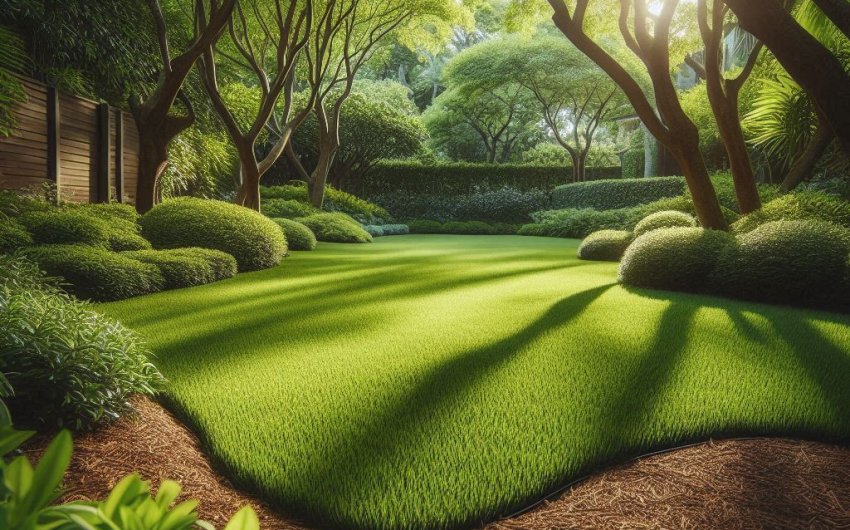
Maintaining a vibrant green lawn in areas where sunlight is scarce can be a perennial challenge for many gardeners. Understanding what are the best lawn care tips for shaded areas is crucial, as grass behaves differently without ample light, requiring specialized attention to thrive. This guide will reveal the essential strategies to cultivate a healthy, lush turf, even in the dappled light beneath trees or alongside buildings.
Why Do Shaded Lawns Struggle?
Shaded lawns face unique challenges that differentiate their care from sunnier counterparts. The lack of direct sunlight impacts grass in several fundamental ways, often leading to thinning, disease, and weed problems.
What Role Does Light Play in Grass Health?
Sunlight is the primary energy source for grass, enabling photosynthesis, the process by which plants convert light energy into food. Without enough light, grass struggles to produce the energy it needs to grow strong and healthy.
- Reduced Energy Production: In shade, grass blades have less light to perform photosynthesis. This means less energy is produced for root development, tiller (side shoot) formation, and overall growth.
- Thinning and Weak Growth: Shaded grass often grows taller and thinner, reaching for light. This "leggy" growth is weak and susceptible to being matted down, disease, and traffic damage.
- Competition with Trees: Under trees, grass also competes with the tree's roots for water and nutrients, a battle the tree almost always wins due to its larger, deeper root system.
How Does Moisture Affect Shaded Lawns?
Shaded areas tend to stay wetter longer than sunny spots, leading to specific problems for grass.
- Slower Evaporation: Without direct sunlight and warmth, water evaporates more slowly from the soil surface and grass blades.
- Increased Disease Risk: Constantly damp conditions create an ideal environment for various fungal diseases, such as powdery mildew, dollar spot, and red thread, which can decimate a shaded lawn.
- Moss and Algae Growth: Prolonged dampness and low light also encourage the growth of moss and algae, which can outcompete grass and form dense, unsightly mats.
- Compaction: Wet, shaded soil can become more prone to compaction from foot traffic, further reducing air circulation to roots.
What About Soil and Root Competition?
The soil beneath trees and in shaded corners presents distinct challenges.
- Nutrient Depletion: Tree roots are highly efficient at absorbing nutrients from the upper layers of the soil, leaving less for the shallow-rooted grass.
- Water Scarcity: While shaded areas stay moist longer on the surface, the dense tree roots can actually deplete deeper soil moisture, especially during dry spells.
- Poor Soil Structure: Over time, tree roots can create a dense, impenetrable mat that makes it difficult for grass roots to establish and for water and air to penetrate.
Why Do Weeds Thrive in Shade?
Paradoxically, while grass struggles, some weeds actually flourish in shaded, damp conditions, further exacerbating the problem for your lawn.
- Shade-Tolerant Weeds: Weeds like clover, violets, and various mosses are better adapted to low light and moist conditions than most turf grasses, allowing them to easily invade thin, stressed lawns.
- Reduced Herbicide Effectiveness: Herbicides designed for sunny lawn weeds may be less effective or even damaging to the weakened grass in shaded areas.
What Are the Best Grass Varieties for Shaded Areas?
Choosing the right type of grass is the single most important decision for a successful shaded lawn. Not all grass is created equal when it comes to light tolerance.
Which Grasses Tolerate Shade Best?
For shaded lawn care, opting for grass types specifically known for their shade tolerance is crucial. These are typically cool-season grasses.
- Fine Fescues (e.g., Creeping Red Fescue, Chewings Fescue, Hard Fescue, Sheep Fescue):
- Pros: Considered the most shade-tolerant cool-season grasses. They have fine, delicate blades and perform well in dry, infertile soils. They require less water and fertilizer than other grasses.
- Cons: Can be slow to establish and may not tolerate heavy foot traffic well.
- Ideal For: Deep shade, dry shade under trees. Often used in shade grass seed mixes.
- Rough Bluegrass (Poa trivialis):
- Pros: Very tolerant of dense shade and moist conditions. Bright, emerald green color.
- Cons: Can be very aggressive and invasive, forming dense mats. Does not tolerate drought or heat well, and can look ragged in summer. Best for very damp, shady spots.
- Ideal For: Wet, shady areas where little else will grow.
- Tall Fescue (specific shade-tolerant cultivars):
- Pros: While generally a sun-loving grass, some newer cultivars of tall fescue have improved shade tolerance. It has a coarser blade but is durable and drought-tolerant once established.
- Cons: Not as shade-tolerant as fine fescues, but better than Kentucky bluegrass.
- Ideal For: Areas with partial shade (4-6 hours of sun). Look for specific shade-tolerant tall fescue seed.
- Perennial Ryegrass (limited use):
- Pros: Establishes quickly and can provide some temporary cover in partial shade.
- Cons: Not truly shade-tolerant long-term. Often used in seed mixes for quick germination.
- Ideal For: Quick cover or mixing with more shade-tolerant varieties.
- Kentucky Bluegrass (poor shade tolerance):
- Pros: Excellent in full sun, self-repairing, beautiful color.
- Cons: Very poor shade tolerance. Avoid using it in shaded areas if possible, unless it's a very specialized shade-tolerant cultivar.
How to Choose a Shade Grass Seed Mix?
Many seed companies offer specialized shade lawn seed mixes. These typically combine several types of fine fescues with a small percentage of perennial ryegrass for quick establishment and sometimes a very small percentage of a more shade-tolerant Kentucky bluegrass cultivar.
- Read the Label: Always check the seed label to see the exact percentages of each grass type. Prioritize mixes with high percentages of fine fescues.
- Consider Your Specific Shade:
- Dense Shade: Heavily fine fescue blend.
- Partial Shade: Mixes with tall fescue and fine fescues.
- Damp Shade: May benefit from some rough bluegrass.
What Are the Best Lawn Care Practices for Shaded Areas?
Caring for a shaded lawn requires adjustments to standard lawn care routines. These practices help compensate for the lack of sunlight and moisture issues.
How to Adjust Mowing Height?
Mowing at the correct height is critical for shaded grass.
- Mow Higher: Set your lawn mower blades higher than usual for shaded areas, typically 3-4 inches.
- Why? Taller grass blades provide more surface area for photosynthesis, allowing the grass to capture as much limited light as possible. It also helps shade the soil, reducing moisture evaporation.
- Mow Less Frequently: Shaded grass grows more slowly, so you won't need to mow it as often as sunny areas.
- Keep Blades Sharp: Always use sharp mower blades to ensure a clean cut. Dull blades tear the grass, making it more susceptible to disease.
What About Watering Shaded Lawns?
Watering in shaded areas is a balancing act between providing enough moisture and preventing fungal diseases.
- Water Deeply, Less Frequently: This promotes deeper root growth and allows the soil surface to dry out between waterings, discouraging fungal growth.
- Monitor Soil Moisture: Stick your finger into the soil. If it feels moist, don't water. Avoid a set schedule. A soil moisture meter can be very helpful.
- Water in the Morning: Water early in the day so that the grass blades have time to dry out before evening. This is crucial for preventing fungal diseases.
- Address Drainage Issues: If water consistently pools in shaded areas, consider amending the soil with organic matter or improving drainage.
How Should You Fertilize Shaded Grass?
Shaded grass requires less fertilizer than sun-exposed lawns.
- Reduce Nitrogen: Use a fertilizer with a lower nitrogen (N) content. Too much nitrogen promotes lush, tender top growth that is more susceptible to disease and shade-stress.
- Lower Overall Application: Apply less fertilizer in shaded areas, perhaps at half the rate recommended for sunny spots.
- Focus on Potassium: Fertilizers higher in potassium (K) can help improve disease resistance and overall plant vigor. Look for a lawn fertilizer for shady areas or a balanced slow-release granular fertilizer.
- Timing: Fertilize in fall, when grass is actively growing and preparing for winter, and possibly a very light application in early spring.
Why is Aeration Important for Shaded Lawns?
Lawn aeration is even more important in shaded areas due to potential soil compaction and thatch buildup.
- Relieves Compaction: Tree roots and constant dampness can compact soil, restricting air and water flow. Aeration creates channels, improving root access to oxygen and nutrients.
- Reduces Thatch: Shaded areas often develop a thick layer of thatch because the cool, damp conditions slow down the decomposition of organic matter. Aeration helps break down thatch by introducing microorganisms from the soil into the thatch layer.
- Timing: Aerate in fall for cool-season grasses, when they are actively growing.
- Tools: A core aerator is best for truly relieving compaction.
How to Manage Thatch in Shaded Areas?
Excessive thatch (over ½ inch thick) is a common problem in shaded lawns due to slow decomposition.
- Dethatching: If thatch is thick, consider dethatching in the fall. A dethatcher rake or power dethatcher can remove the matted layer.
- Aeration: Regular aeration helps prevent thick thatch from forming.
- Compost: Topdressing with a thin layer of fine compost can introduce beneficial microbes that help break down thatch.
What Are Other Important Considerations for Shaded Areas?
Sometimes, traditional lawn care isn't enough, and you need to think about modifying the environment or considering alternatives to grass.
How Can You Increase Light Penetration?
Maximizing the amount of light reaching your grass is often the most effective long-term solution for shaded lawns.
- Prune Tree Branches:
- Limb-Up: Remove lower branches of trees to allow more light to penetrate from the sides.
- Thin the Canopy: Have an arborist strategically thin the upper canopy of trees. This allows more dappled light to filter through without drastically altering the tree's shape.
- Timing: Best done by a professional arborist in late fall or winter when trees are dormant.
- Trim Shrubs and Hedges: Cut back overgrown shrubs and hedges that cast heavy shadows on the lawn.
What About Dealing with Tree Roots?
Tree roots are strong competitors for water and nutrients.
- Fertilize Trees Separately: Provide trees with their own dedicated fertilizer to reduce their competition with grass. Use a tree and shrub fertilizer spike or a liquid feed.
- Deep Watering for Trees: Water trees deeply and infrequently to encourage their roots to grow downwards, rather than spreading shallowly into the lawn area.
- Consider a Mulch Ring: If grass persistently struggles directly under a tree, consider expanding the mulch ring around the tree. This eliminates the struggle, improves tree health, and creates a neat, low-maintenance area. Use an organic tree ring mulch.
When Should You Consider Alternatives to Grass?
Sometimes, the shade is just too dense, or the root competition is too severe for even the most shade-tolerant grass to thrive. In these cases, it's best to consider alternative groundcovers or landscaping.
- Shade-Tolerant Groundcovers:
- Hostas: Come in a huge variety of sizes and leaf colors, perfect for filling shady spots. Hosta plants
- Pachysandra: A low-growing, evergreen groundcover that spreads well.
- Periwinkle (Vinca minor): Another popular evergreen groundcover with small blue flowers.
- Ivy (Hedera helix): Can be aggressive but provides dense, evergreen cover. Use with caution.
- Ferns: Many types of ferns thrive in deep shade and moist conditions. Shade-loving fern plants
- Mulch Pathways or Seating Areas: Convert persistent problem areas into attractive mulched pathways or comfortable seating areas. Use a durable landscape fabric underneath to suppress weeds.
- Shade Gardens: Create a dedicated shade garden with plants that truly flourish in low light, adding visual interest and reducing frustration.
By applying these lawn care tips for shaded areas, you can significantly improve the health and appearance of your turf, even in challenging conditions, creating a consistently green and inviting landscape.